Quick Navigation
- What Exactly Is a Paper Wasp Anyway?
- Paper Wasp vs. Yellow Jacket: Don't Make This Costly Mistake
- When a Paper Wasp Nest is a Problem (And When It's Not)
- The Safe Removal Playbook: DIY vs. Calling the Pros
- What About "Natural" or Non-Chemical Methods?
- Prevention: Making Your Property Less Appealing
- The Sting: First Aid and When to Worry
- Beyond the Pest: The Ecological Role of Paper Wasps
- Common Paper Wasp Questions, Answered
- Wrapping It Up: A Balanced Approach
Let's be honest, the first thing most people think when they see that grey, papery nest under the eaves isn't "wow, what a marvel of natural engineering." It's more like "oh great, how do I get rid of that without getting stung?" I get it. I've been there, standing on a wobbly ladder with a can of spray, heart pounding. But after years of dealing with them (and a few painful lessons), I've come to see paper wasps a bit differently. They're not just pests; they're complex creatures with a role to play. This guide is everything I wish I'd known years ago.
We'll cover the whole messy, fascinating, and sometimes itchy business. What they are, how to spot them, when to leave them alone, when to take action, and most importantly, how to do it safely. Forget the fear-mongering. Let's talk facts.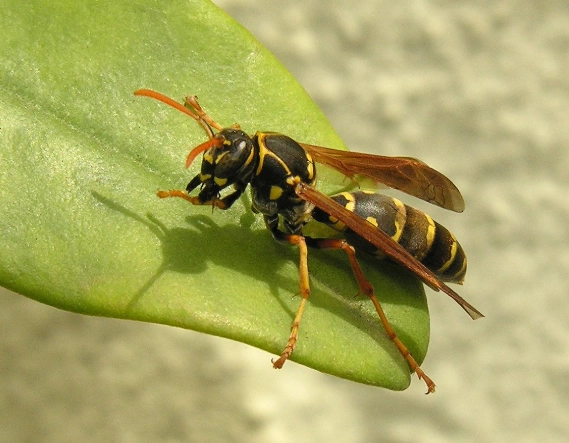
What Exactly Is a Paper Wasp Anyway?
First off, not every black and yellow flying thing is a paper wasp. This is where most confusion starts. Paper wasps belong to the genus Polistes, and they're a specific type of social wasp. The name comes from their nests, which they build by chewing wood fibers mixed with saliva into a papery pulp. The result looks like an upside-down umbrella, usually grey or brown, with open cells where you can see the larvae. It's nothing like the big, enclosed football-shaped nests of bald-faced hornets or the ground nests of yellow jackets.
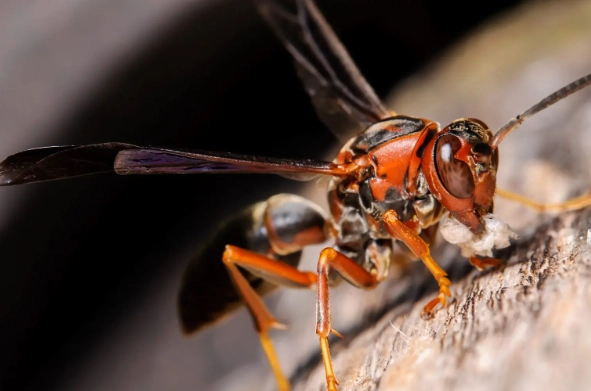
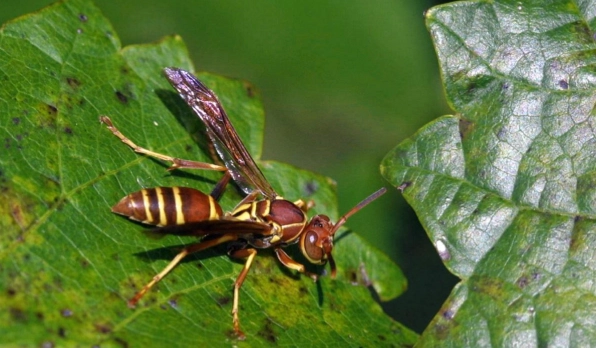
Their bodies are slender with a very narrow "waist" (that petiole, if you want the science term). They have long legs that dangle when they fly. Colors vary by species—some are classic black and yellow, others are more reddish-brown, like the European paper wasp which is now common in North America. They're generally less aggressive than their yellow jacket cousins, but don't test that theory when you're near their nest.
The Life Cycle: Queen, Workers, and the End of Season Drama
A paper wasp colony is an annual affair. It all starts in spring with a single, fertilized queen who survived the winter. She wakes up, finds a suitable spot (your porch light fixture, a shed corner, a tree branch), and starts building that first small nest. She lays eggs, feeds the larvae chewed-up caterpillars (they're great for garden pests, by the way), and raises the first generation of workers all by herself.
Once those workers emerge, they take over all the duties: expanding the nest, foraging for food, feeding the young, and defending the home. The queen becomes essentially an egg-laying machine. The colony grows through the summer. Come late summer and fall, new queens and males are produced. They mate, the new queens find a sheltered spot to overwinter, and everyone else—the old queen, the workers, the males—dies off when the frost hits. The empty nest is never reused.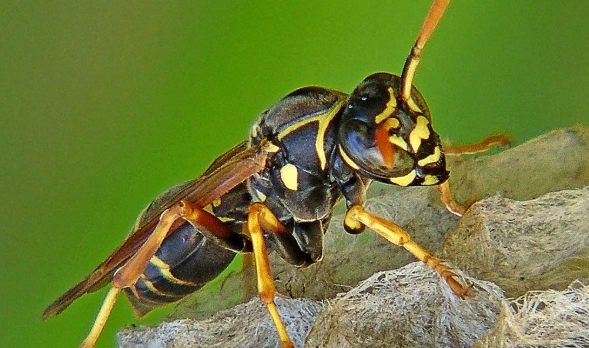
Paper Wasp vs. Yellow Jacket: Don't Make This Costly Mistake
This is crucial. Mistaking a ground-nesting yellow jacket for a paper wasp can lead to a world of hurt. Yellow jackets are significantly more aggressive, especially in late summer, and their colonies can be massive. They're the ones usually ruining picnics and are much more likely to sting unprovoked. Here’s a quick breakdown to keep them straight.
| Feature | Paper Wasp | Yellow Jacket |
|---|---|---|
| Nest Location | Aerial: eaves, porch ceilings, shrubs, tree branches. Exposed, open comb. | Often underground (old rodent burrows), but also in wall voids or attics. Enclosed paper shell. |
| Nest Appearance | Single open comb, umbrella-shaped, grey paper. Cells visible. | Rounded, enclosed paper shell with a single entrance hole. Cannot see inside. |
| Body Shape | Slender, very narrow waist, long legs that dangle in flight. | Stockier, shorter legs, less defined "waist." |
| Aggression Level | Generally defensive of nest only. Can be tolerated at a distance. | Highly aggressive, especially near nest. Will pursue perceived threats. |
| Diet in Summer | Primarily other insects (caterpillars) to feed larvae. Adults sip nectar. | Scavengers. Drawn to meats, sugary drinks, human food. |
| Sting Tendency | Can sting repeatedly, but usually only if nest is disturbed. | Can sting repeatedly, highly defensive, more likely to sting unprovoked. |
See the difference? If you see wasps going in and out of a hole in the ground, that's a yellow jacket nest. Tread very carefully. The paper wasp, by comparison, is almost polite. It wants to be left alone to hunt caterpillars in your garden.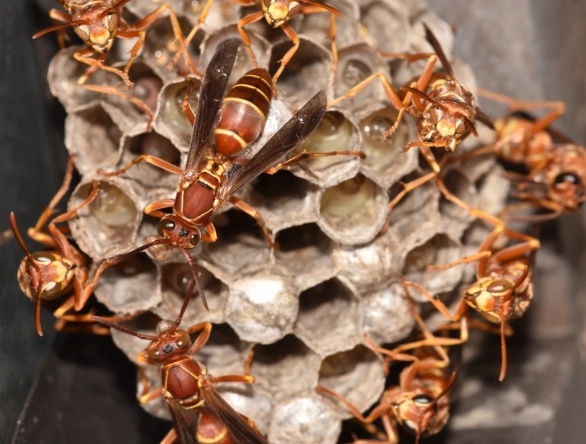
When a Paper Wasp Nest is a Problem (And When It's Not)
Not every nest needs to be destroyed. Seriously. If it's in an out-of-the-way corner of the yard, high up in a tree, or on a seldom-used shed, consider letting it be. They're beneficial predators. A single colony can take out hundreds of garden pests. The problem, of course, is when their idea of prime real estate conflicts with yours.
High-traffic areas are the big issue. Nests built over doorways, near mailboxes, on playground equipment, or on frequently used tools are a recipe for stings. Any location where people or pets will repeatedly pass within a few feet of the nest is a conflict zone. Paper wasps have a "defensive perimeter" around their nest. Intrude on that space, and they'll let you know.
Small, early-season nests (think golf-ball size in late spring) are much easier to deal with than large late-summer ones. Spotting and addressing them early is the smartest strategy.
The Safe Removal Playbook: DIY vs. Calling the Pros
Alright, you've assessed the nest. It's in a bad spot. It's time for action. Here's your decision tree and methodology.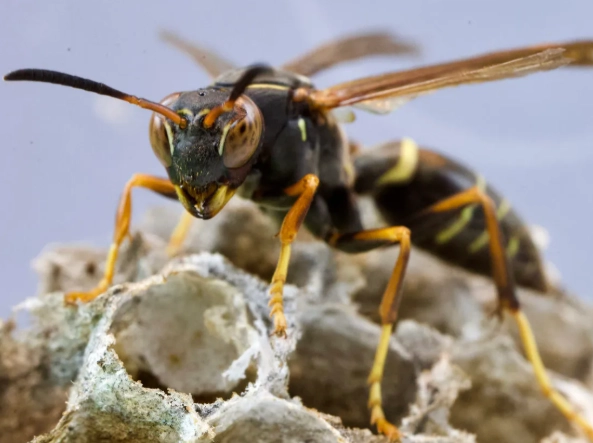
Scenario 1: The Small, Accessible Nest (DIY Territory)
This is a nest the size of a walnut or a small egg, with only a few wasps. It's early in the season. You can do this yourself if you're careful.
- Timing is Everything: Do this at night or very early dawn. All the wasps will be on the nest, sluggish from the cold. They can't see or fly as well in the dark. Use a red-filtered flashlight if you have one (they don't see red light well).
- Gear Up: Don't be a hero. Wear long sleeves, pants, gloves, socks, shoes, and some kind of eye protection. A bee veil is ideal, but even sunglasses help.
- The Tool: A commercial wasp and hornet spray with a jet stream that can reach 10-20 feet is the standard. Read the label. Point the nozzle directly into the nest's open cells and give it a sustained soak according to the instructions. The idea is to hit all the insects and the larvae in the cells.
- The Quick-Knockdown Alternative: For very small, low-hanging nests, some people use a stick to quickly knock it into a large, open garbage bag, immediately close it, and dispose of it. This is high-risk and requires perfect timing and protective gear. I've done it, but my adrenaline was pumping. Not for the faint of heart.
- Aftermath: Leave the area immediately after treatment. Don't stand underneath. Wait at least 24 hours before approaching to knock down the dead nest. Scrape the area clean to remove the scent trail that might attract a new queen.
Scenario 2: The Large, Hard-to-Reach, or Risky Nest (Call the Pros)
Be honest with yourself. If the nest is large (bigger than your hand), located inside a wall void, attic, or high up on a second-story eave where you'd need a giant ladder, or if you're simply uncomfortable or allergic, call a professional pest control operator. It's worth the money.
Professionals have the experience, the protective equipment, and often more effective tools (like dusts for wall voids) to handle the job safely and ensure the colony is fully eliminated. They can also identify if you're actually dealing with a paper wasp or something more aggressive.
You can find licensed professionals through your state's Department of Agriculture or extension service websites. For example, resources from university entomology departments, like the University of Minnesota Extension, often provide directories or guidelines for selecting a reputable service.
What About "Natural" or Non-Chemical Methods?
Look, I like natural solutions too. But for an active nest, most of them range from ineffective to downright dangerous folklore.
- Soap and Water: This can work on very small, directly sprayable nests. A strong stream of soapy water (2 tablespoons dish soap per quart of water) can clog their spiracles (breathing tubes) and kill them. It has no residual effect, so you must hit them directly. It's messy and puts you very close.
- Drowning/Trapping: Not practical for most aerial nests.
- Smoke: Might calm them temporarily but won't eliminate the colony.
- Essential Oils/DIY Sprays: Peppermint, clove, lemongrass oils can be deterrents to keep them from building, but they are not reliable for killing an established colony. Don't rely on them for removal.
The most effective "natural" method is prevention and early physical removal of starter nests when the queen is alone.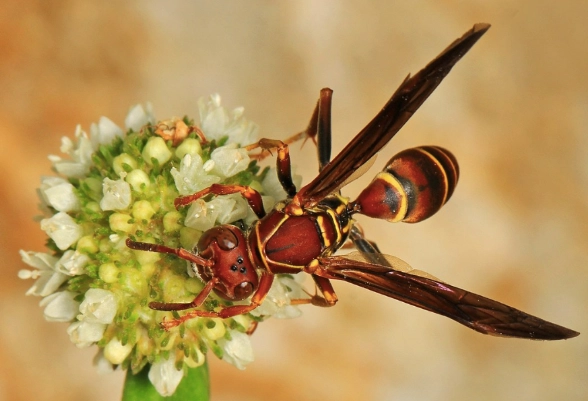
Prevention: Making Your Property Less Appealing
This is the golden ticket. Stop them before they start. In early spring, be vigilant.
- Inspect Likely Sites: Weekly checks of eaves, porch ceilings, window frames, sheds, and under decks from April to June.
- Knock Down Starter Nests: If you see a tiny, walnut-sized nest with a single wasp (the queen), you can often just knock it down with a long broom or pole during the day when she's out foraging. She'll likely give up and move elsewhere.
- Use Decoy Nests: There's some evidence that hanging up fake, paper wasp nest decoys can deter queens from building nearby, as they are territorial. Results are mixed, but it's a harmless thing to try.
- Seal Entry Points: Caulk cracks and crevices in siding, around vents, and where utilities enter the house to prevent them from building inside voids.
- Manage Attractants: While paper wasps aren't as food-motivated as yellow jackets, keeping trash cans sealed and ripe fruit picked up doesn't hurt.
The Sting: First Aid and When to Worry
Even with the best plans, stings happen. I got stung on the elbow last year while pruning a bush I hadn't inspected carefully enough. Here's what to do.
For a Normal Local Reaction (Most People): Immediate, sharp pain, followed by redness, swelling, itching, and warmth at the site. This can be quite large (several inches across) and peak within 48 hours. It's your immune system reacting to the venom.
- Wash the area with soap and water.
- Apply a cold pack to reduce swelling and pain.
- Take an over-the-counter antihistamine (like Benadryl) for itching and an analgesic (like ibuprofen or acetaminophen) for pain.
- Keep it clean and avoid scratching to prevent infection.
Signs of a Severe Allergic Reaction (Anaphylaxis) - GET EMERGENCY HELP:
- Difficulty breathing, wheezing, or tightness in the throat.
- Swelling of the lips, tongue, or face.
- Dizziness, rapid pulse, or a drop in blood pressure.
- Hives over large areas of the body, nausea, or vomiting.
Anaphylaxis can be life-threatening and requires immediate epinephrine (EpiPen) and a call to 911. If you know you're severely allergic, always carry your epinephrine auto-injector.
Beyond the Pest: The Ecological Role of Paper Wasps
It's easy to only see them as villains. But in the grand scheme of your garden's health, a paper wasp is a friend. They are voracious predators of soft-bodied insects, especially caterpillars. That includes cabbage loopers, corn earworms, armyworms, and other pests that chew on your vegetables and ornamentals. By hunting them to feed their larvae, they provide free pest control.
They are also minor pollinators. As adults, they feed on nectar and can transfer some pollen in the process, though they're not as efficient as bees. The trade-off—fewer caterpillars versus a low risk of stings—is one worth considering before you automatically reach for the spray can on an out-of-the-way nest.
For more detailed information on their biology and role, the USDA Forest Service has excellent pollinator profiles that include paper wasps.
Common Paper Wasp Questions, Answered
Wrapping It Up: A Balanced Approach
Dealing with paper wasps is about smart coexistence, not total war. Learn to identify them correctly—don't confuse them with the more problematic yellow jackets. Tolerate nests that are out of the way and pose no threat. They're working for your garden.
Be proactive with inspections in spring to catch nests early. For nests in conflict zones, act decisively but safely, choosing the right method for the size and location. Never hesitate to call a pro for large, risky, or indoor nests. Know how to treat a sting and recognize the signs of a serious allergy.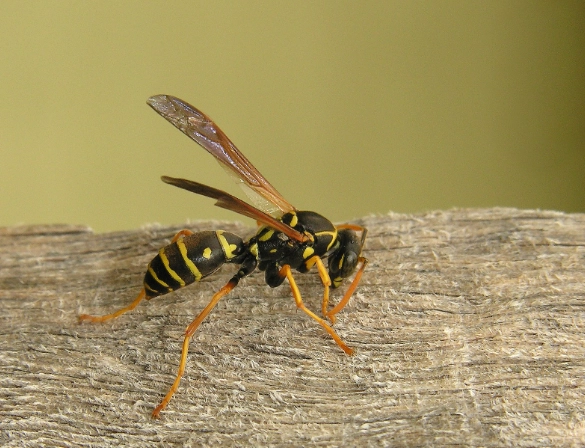
They're fascinating insects when you're not on the wrong end of their stinger. A little knowledge and preparation take the fear out of the equation and let you manage your space confidently. Now, go check those eaves.
LEAVE A REPLY
Your email address will not be published. Required fields are marked *