Quick Navigation
- What Exactly Is an Earwig? Let's Get to Know Them
- The Great Debate: Are Earwigs Garden Pests or Helpful Predators?
- How Do Earwigs Get Inside My House? (And How to Stop Them)
- How to Get Rid of Earwigs: A Tiered Control Strategy
- Earwig Control Method Comparison
- Answering Your Top Earwig Questions (FAQs)
- The Bottom Line: A Balanced Perspective on Earwigs
Let's be honest, the first time you see an earwig scuttling across your bathroom floor or hiding in a damp flowerpot, it's a bit of a shock. Those pincer-like appendages (called cerci) on their rear end look like something from a sci-fi movie. I remember flipping over a rock in my garden as a kid and watching a dozen of them scatter. My immediate thought was, "Are these things dangerous?" Turns out, I wasn't alone in that fear, but most of it was misplaced.
So, what's the real deal with earwigs? Are they silent destroyers of your prized petunias, or just misunderstood little critters trying to get by? The answer, like most things in nature, isn't black and white. This guide is here to cut through the myths and give you the straight facts. We'll cover everything from what exactly an earwig is, to whether you should panic when you find one, to how to gently (or not so gently) show them the door if they've overstayed their welcome.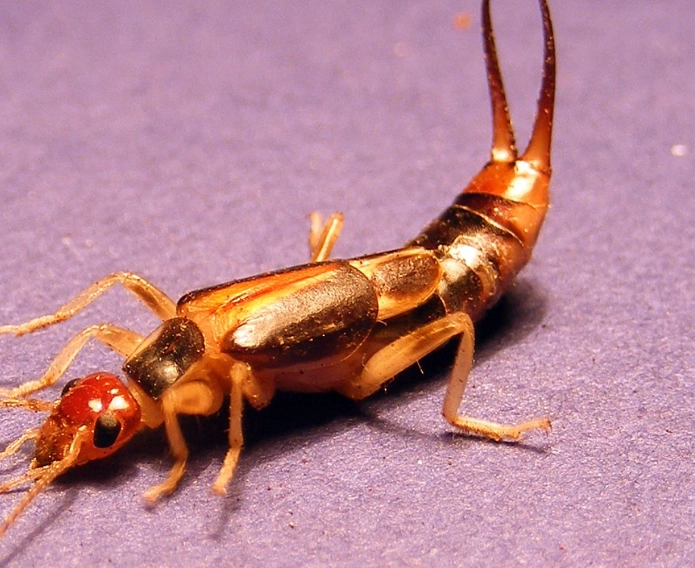
Quick Fact: The name "earwig" comes from the Old English "ēarewicga," which literally means "ear creature." This spawned the persistent and completely false myth that they crawl into human ears to lay eggs. Science says no. They have zero interest in your ear canals. Their creepy name is arguably the worst thing about them.
What Exactly Is an Earwig? Let's Get to Know Them
Before we declare war or offer a truce, we need to know who we're dealing with. Earwigs belong to the order Dermaptera. They're not beetles, they're not true bugs—they're their own unique thing. Most species you'll encounter are the European earwig (Forficula auricularia), which, despite its name, is now common all over North America and other parts of the world.
Here’s a quick rundown of their vital stats:
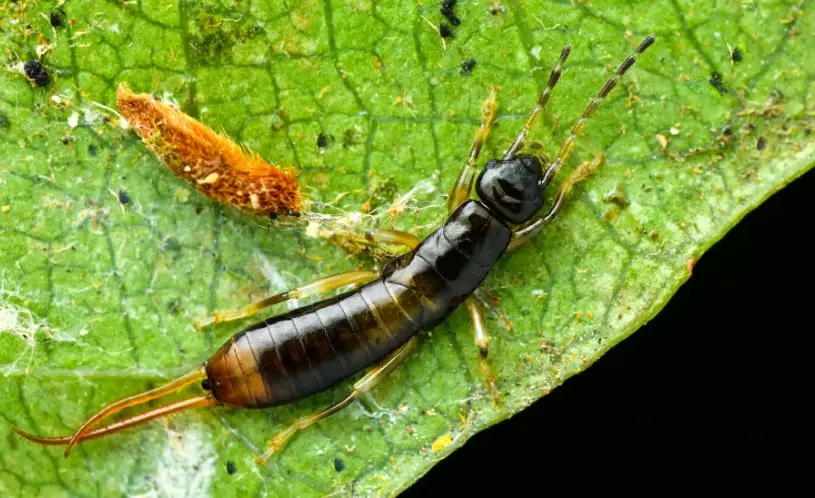
- Appearance: Slender, flattened bodies, usually reddish-brown to black. They range from about 1/4 inch to over an inch long. The most famous feature is the pair of forceps (cerci) on the abdomen. Males usually have curved, stout forceps, while females' are straighter and more parallel.
- Habitat: They are nocturnal and love dark, moist, tight spaces. Think under mulch, stones, logs, in cracks in the soil, inside damp basements, or under flowerpot saucers.
- Diet: This is key. Earwigs are omnivorous scavengers. They'll munch on decaying plant matter, live plants (especially seedlings and soft flowers like dahlias and marigolds), and a variety of small insects and mites, including aphids. Yes, they can be both pest and predator.
I find their parenting behavior fascinating, and it's something most pests don't do. A mother earwig actually guards her eggs and newly hatched nymphs, cleaning them to prevent mold. It's a rare glimpse of insect maternal care. Doesn't make me want them in my house, but it's a cool bit of trivia.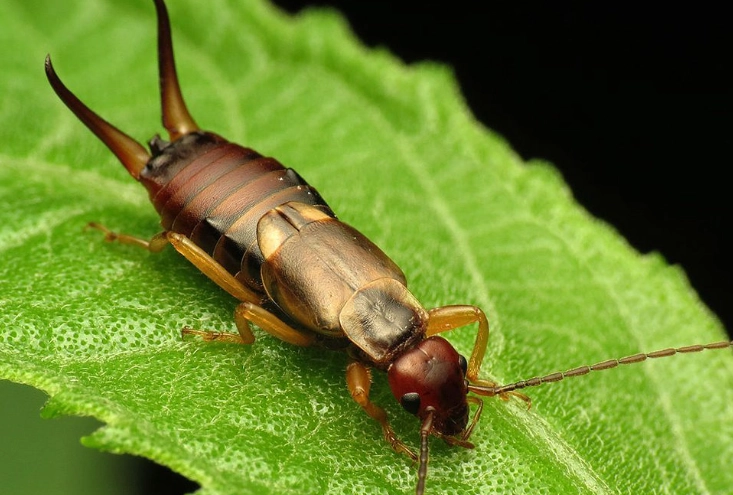
The Great Debate: Are Earwigs Garden Pests or Helpful Predators?
This is the million-dollar question for any gardener. The truth is, they wear both hats, and which one they wear more often depends on their population and what else is available to eat.
The Case Against Them (The Pest Side)
When earwig numbers get high, their plant-munching habits become obvious. They leave irregular holes in leaves and petals, and can seriously damage seedlings. They love soft fruits like strawberries and apricots, often leaving shallow pits. If you're finding chewed-up dahlias or ragged zinnias in the morning, earwigs are prime suspects. They do their feeding at night, so you rarely catch them in the act.
The Case For Them (The Helper Side)
On the flip side, their appetite for other insects is a real benefit. They are voracious consumers of aphids, mites, insect eggs, and even small caterpillars. In this role, they act as a natural form of pest control. Some studies, like those referenced by university extension services, note that in balanced ecosystems, their predatory habits can outweigh their plant damage. The University of Kentucky Entomology Department provides a balanced overview of their dual role in the garden.
Garden Tip: If you only see a few earwigs and your plants are healthy, consider leaving them be. They might be secretly patrolling your roses for aphids. The problem starts when you see a lot of them.
So, are they good or bad? It's situational. A few earwigs? Probably more helpful than harmful. An infestation? Time to take action.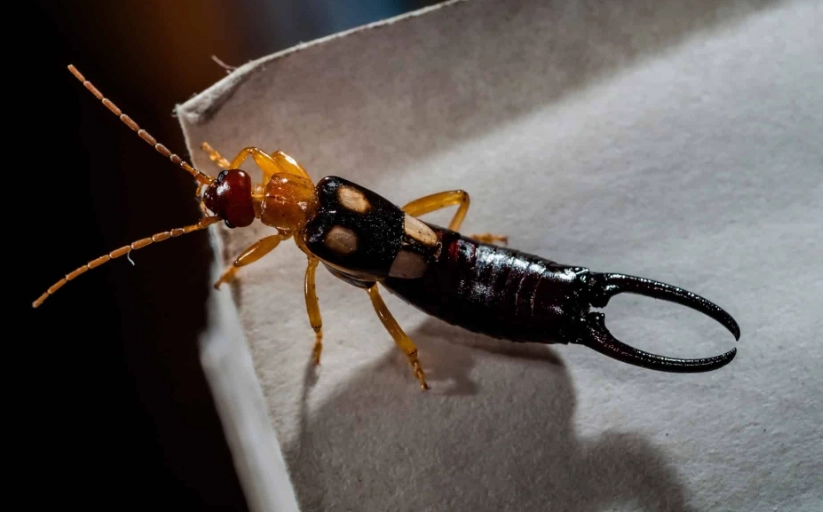
How Do Earwigs Get Inside My House? (And How to Stop Them)
Finding an earwig indoors is unsettling. They don't want to be there any more than you want them there. They don't infest houses like ants or cockroaches; they're accidental invaders. They usually come inside seeking moisture or are simply wandering in through an open door or crack.
Common entry points include:
- Gaps under doors, especially sliding patio doors.
- Cracks in the foundation or where utility pipes enter.
- Vents that aren't properly screened.
- They hitchhike on firewood, potted plants, or boxes brought in from the garage or garden shed.
The best strategy for keeping earwigs out of your house isn't about chemical sprays inside—it's about making the perimeter uninviting and sealing them out. It's about moisture control and exclusion.
Effective Outdoor Prevention Tactics
This is where the real battle is won. Your goal is to eliminate their ideal habitat right next to your house.
- Manage Moisture: This is rule #1. Fix leaky faucets, ensure downspouts direct water away from the foundation, and clean out clogged gutters. Improve drainage in soggy areas.
- Create a Dry Zone: Keep mulch, wood chips, and dense ground cover at least 6-12 inches away from your foundation. Replace it with a narrow band of gravel or river rock, which stays dry and is less appealing to them.
- Declutter: Remove piles of boards, stones, leaf litter, and old pots near the house. These are prime earwig real estate.
- Seal It Up: Use caulk to seal cracks in the foundation and around windows. Install door sweeps on exterior doors. Repair damaged screens.
How to Get Rid of Earwigs: A Tiered Control Strategy
Okay, so prevention didn't work fast enough, or you've already got a noticeable population. What now? Don't just grab the strongest pesticide you can find. A smart, tiered approach is more effective and better for everything else in your garden.
Step 1: Simple Trapping (My Go-To First Move)
Trapping is incredibly effective for monitoring and reducing earwig numbers. It's cheap, non-toxic, and lets you see if your problem is getting better or worse.
- The Rolled Newspaper Trap: Dampen a section of newspaper, roll it up loosely, and secure it with a rubber band. Place it in the garden beds or near suspected activity in the evening. In the morning, shake the trapped earwigs into a bucket of soapy water. Old-school but it works.
- The Oil Trap: Bury a small, shallow container (like a tuna can) up to its rim in the soil. Fill it halfway with vegetable oil (add a dash of soy sauce or fish oil for extra attraction). Earwigs crawl in and drown. Check and refresh every few days.
I've had great success with the oil trap near my foundation. It's not pretty, but it's a body count that tells a story.
Step 2: Targeted, Low-Impact Baits and Insecticides
If trapping isn't enough, you can escalate slightly. The goal here is to use products that are specific and pose minimal risk to pets, kids, and beneficial insects.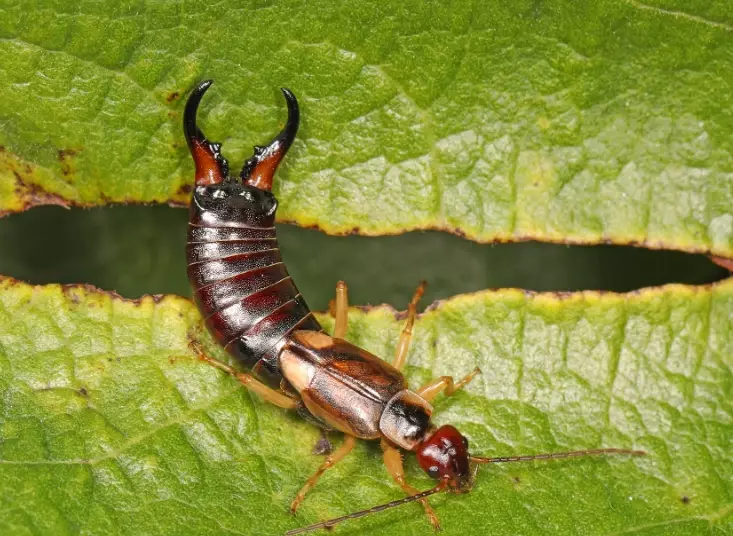
A Word of Caution: Broad-spectrum insecticide sprays are usually overkill for earwigs. They wipe out the good bugs along with the bad and can make your garden more vulnerable to other pests in the long run. I'm not a fan of nuking the entire ecosystem for one annoying insect.
A better option is a bait. Some insecticides formulated with spinosad (a naturally derived compound) can be mixed with a bait like wheat bran and placed in small, protected bait stations. The earwigs eat it and share it with others. Diatomaceous earth (food-grade) sprinkled in dry, sheltered areas can also work—it's a fine powder that damages their exoskeletons. It must stay dry to be effective.
Step 3: Professional Help (When It's Time to Call It)
If you have a severe, persistent infestation, especially if it's linked to a structural moisture problem you can't solve, calling a professional pest control company is a smart move. They can identify the core issue, apply targeted perimeter treatments, and give you a long-term plan. Look for companies that practice Integrated Pest Management (IPM), which focuses on solving the root cause, not just spraying.
Earwig Control Method Comparison
To make things clearer, here's a breakdown of the main control methods. This should help you decide where to start based on your situation.
| Method | How It Works | Effectiveness | Pros | Cons | Best For... |
|---|---|---|---|---|---|
| Trapping (Newspaper/Oil) | Lures and physically captures earwigs. | High for monitoring & reducing numbers | Non-toxic, cheap, immediate results visible | Requires daily maintenance, doesn't eliminate source | Initial response, light to moderate infestations, gardeners who want no chemicals |
| Habitat Modification | Removes moisture/hiding spots near home. | Very High (long-term) | Permanent solution, prevents future problems, improves overall home maintenance | Requires physical labor, results aren't instant | Everyone. This is the most important step for long-term control. |
| Diatomaceous Earth (DE) | Powder damages insect exoskeletons, causing dehydration. | Moderate | Natural, non-toxic to mammals when food-grade | Loses effectiveness when wet, can harm beneficial insects if applied carelessly | Creating dry barriers in cracks, crevices, and under siding (where it stays dry) |
| Targeted Baits (e.g., Spinosad) | Earwigs consume and share toxic bait. | Moderate to High | Lower environmental impact than sprays, can reduce population over days | Can be attractive to pets/wildlife if not secured, slower acting than traps | Moderate infestations where trapping alone is insufficient |
| Broad-Spectrum Insecticide Sprays | Kills on contact and through residue. | High (short-term) | Quick knockdown | Kills pollinators & beneficial insects, offers only temporary relief, can lead to pesticide resistance | Generally not recommended. Only in extreme cases as a last resort, applied by a pro. |
Answering Your Top Earwig Questions (FAQs)
Let's tackle some of the most common and sometimes frantic questions people have about these insects. I've heard them all.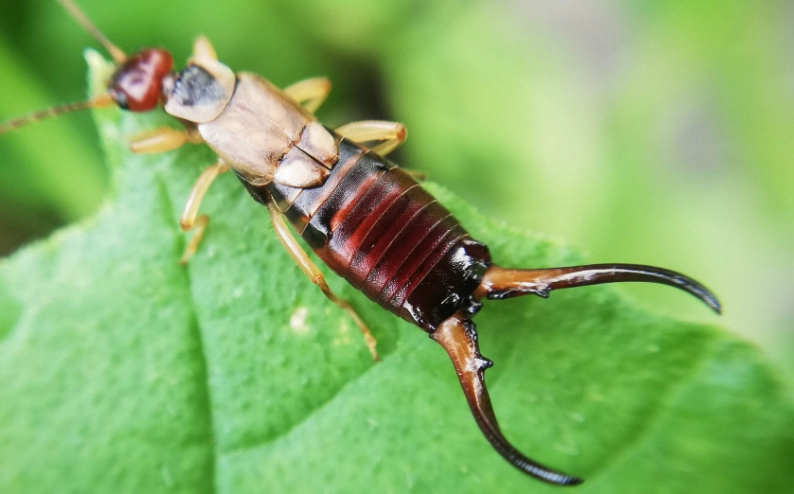
The Bottom Line: A Balanced Perspective on Earwigs
After all this, my personal take is that earwigs get a worse rap than they deserve. The ancient fear linked to their name does most of the damage. Are they sometimes pests? Absolutely, especially if you're a dahlia fanatic. Do they sometimes wander into your house? Yes, and it's creepy.
But are they a dire threat to your home, health, or garden that requires chemical warfare? Almost never.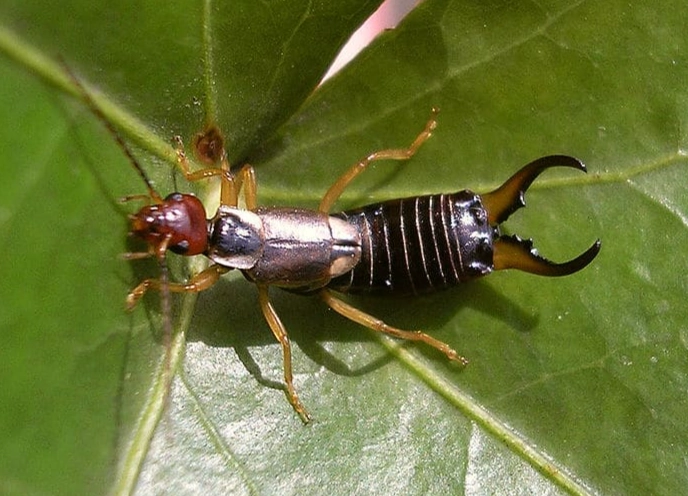
The most effective earwig control isn't found in a spray bottle; it's found in a caulk gun, a rake, and a commitment to reducing moisture around your property.
Start with the simple stuff. Set some traps to gauge the problem. Move your mulch back from the house. Fix that dripping outdoor faucet. These actions solve a lot more than just your earwig issue—they improve your home's health overall.
If you need more authoritative reading, the University of Minnesota Extension and the Government of Western Australia's Department of Primary Industries have excellent, science-based resources that dive deeper into their biology and management.
So next time you see that familiar, pincer-tailed silhouette, don't panic. You now know exactly what it is, what it wants, and how to encourage it to live its best life... somewhere else.
LEAVE A REPLY
Your email address will not be published. Required fields are marked *