Quick Navigation
- What Exactly Are We Dealing With? More Than Just a "Dirty Bug"
- Why You Absolutely Need to Get Rid of Cockroaches (It's Not Just the Creep Factor)
- How Do You Know You Have a Cockroach Problem? (The Signs Before You See One)
- The Battle Plan: How to Get Rid of Cockroaches Effectively
- When to Call a Professional Exterminator
- The Long Game: Prevention is Cheaper Than Eradication
Let's be real for a second. Few things can ruin your peace of mind at home like spotting a cockroach scuttling across your kitchen floor at midnight. That sudden, heart-sinking feeling is almost universal. You're not just seeing a bug; you're seeing a potential invasion, a threat to your cleanliness, and let's face it, a major ick factor. I've been there. A few years back, I found a German cockroach in my apartment's silverware drawer, and let me tell you, I nearly jumped out of my skin. It sparked a deep dive into everything roach-related, from biology to battlefield tactics for your home.
This guide isn't about fear-mongering. It's about giving you clear, actionable, and effective knowledge. We're going to move past the generic advice and get into the nitty-gritty of what actually works. Why trust this? Because I've waded through scientific papers from entomology departments, combed through guidelines from public health agencies, and sadly, learned from my own early mistakes (spoiler: just spraying a can of bug killer rarely solves the problem).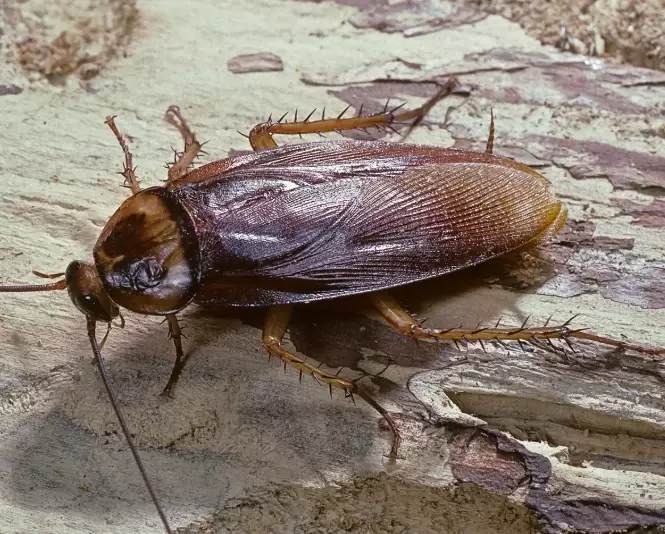
What Exactly Are We Dealing With? More Than Just a "Dirty Bug"
Cockroaches are survivors in the truest sense. They've been around for over 300 million years, outliving dinosaurs. That resilience is exactly what makes them such formidable household pests. They're not inherently "dirty," but their quest for food, water, and warm shelter inevitably leads them to our trash, our drains, and our pantries. In the process, they pick up and spread all sorts of things we'd rather not think about.
I used to think there was just one kind of house cockroach. Boy, was I wrong. Knowing which species you're up against is crucial because their habits and favorite hiding spots differ.
The Usual Suspects: Common Household Cockroach Species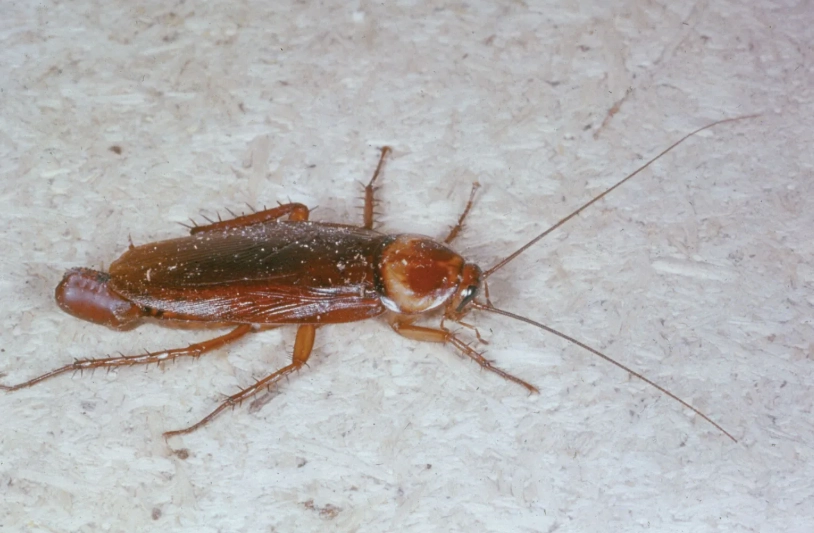
Here’s a breakdown of the cockroach types you're most likely to encounter indoors. I've put together a quick comparison table because seeing the differences side-by-side really helps.
| Species (The Usual Suspects) | Size & Color | Key Identifier | Preferred Hangout | Infestation Speed |
|---|---|---|---|---|
| German Cockroach | Small (1/2 to 5/8 inch), light brown with two dark stripes behind the head. | Carries its egg case (ootheca) until the eggs are ready to hatch. | Warm, humid areas near food/water. Think: under appliances, inside cabinets, wall cracks. | VERY HIGH. The most common and problematic indoor species. |
| American Cockroach | Large (1.5 inches+), reddish-brown with a yellowish figure-8 pattern behind the head. | The largest common pest roach. Can fly in warm weather. | Damp, decaying organic matter. Think: basements, sewers, drains, crawl spaces. | Moderate. Often comes in from outside or sewer systems. |
| Oriental Cockroach | Medium (1 inch), glossy dark brown/black. | Strong, unpleasant odor. Prefers cooler temperatures. | Cool, damp, dark places. Think: floor drains, basements, under sinks, under mulch. | Moderate to High. |
| Brown-Banded Cockroach | Small (1/2 inch), light brown with two lighter bands across wings/abdomen. | Glues its egg cases to hidden vertical surfaces (walls, furniture). | Warm, dry areas away from water. Think: upper cabinets, ceilings, behind picture frames, inside electronics. | High. Spreads egg cases around easily. |
See that last column for the German cockroach? That's why they're public enemy number one for pest control pros. A single female and her offspring can theoretically produce hundreds of thousands of roaches in a year. It's a numbers game they're built to win if you're not strategic.
The German cockroach is, hands down, the species that causes the most intense and difficult-to-control indoor infestations.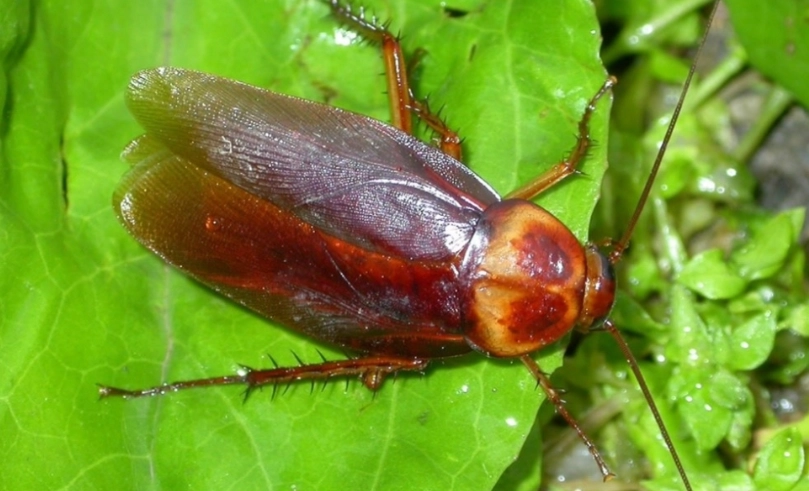
Why You Absolutely Need to Get Rid of Cockroaches (It's Not Just the Creep Factor)
Okay, so they're ugly and fast. But is a cockroach infestation actually dangerous? In a word, yes. The risks go way beyond just being unpleasant to look at.
First, there's the contamination. Roaches are omnivorous scavengers. They'll eat your food, but also glue, soap, toothpaste, and feces. As they crawl over these things and then over your countertops, dishes, and food packaging, they can spread bacteria like Salmonella and E. coli. The Centers for Disease Control and Prevention (CDC) lists cockroaches as potential carriers of disease-causing pathogens.
Then there's the psychological toll. Knowing your home hosts these pests can cause significant stress, anxiety, and even shame. It can make you hesitant to have guests over. You might find yourself constantly scanning the floor, jumping at shadows. It wears on you.
Yeah, they're that bad.
How Do You Know You Have a Cockroach Problem? (The Signs Before You See One)
By the time you see a live cockroach scurrying in broad daylight, the population is often already substantial. They're nocturnal and excellent at hiding. So you need to become a detective. Look for these telltale signs:
- Droppings: These look like coarse black pepper or coffee grounds (for small roaches) or cylindrical pellets with ridges (for larger ones). You'll find them where they feed or travel—in drawers, along baseboards, in the corners of cabinets.
- Egg Cases (Oothecae): These are small, brown, pill-shaped capsules. German roaches carry them, but others, like the Brown-Banded, glue them to surfaces. Finding one means dozens of babies are on the way.
- Shed Skins: As nymphs (baby cockroaches) grow, they molt 5-7 times. These pale, papery shed skins are a sure sign of an active, growing population.
- Unusual Odor: A heavy, musty, oily smell. Some people describe it as similar to soy sauce. This odor comes from pheromones in their droppings and can permeate areas with a large infestation.
- Smear Marks: In areas with lots of moisture, you might see irregular, dark brown smear marks on walls or horizontal surfaces where roaches have traveled.
I remember finding those tiny pepper-like droppings behind my microwave before I ever saw a second live roach. That was my wake-up call that this was bigger than a single stray insect.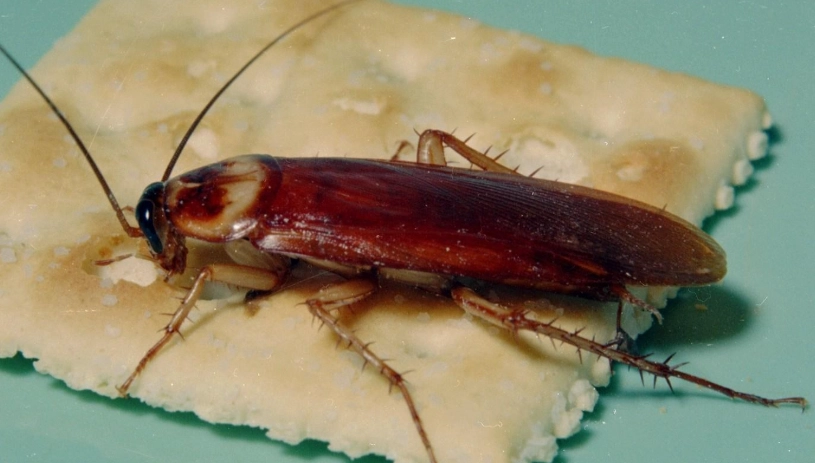
The Battle Plan: How to Get Rid of Cockroaches Effectively
This is the core of it. Throwing money at the problem without a plan is how you get frustrated. Effective cockroach control is a process, not an event. Here’s a layered approach that works.
Step 1: Sanitation – Starve Them Out
You can have all the bait and traps in the world, but if you're providing an all-you-can-eat buffet, you'll lose. This isn't about being a clean freak; it's about removing the pest's resources.
- Food: Store all food (including pet food) in airtight containers. Never leave dirty dishes out overnight. Wipe down counters, stovetops, and tables every single evening. Take out the kitchen trash daily.
- Water: Fix leaky faucets and pipes. Don't let water stand in sinks or trays. Wipe down shower walls and sinks to remove condensation. Roaches can't live long without water, so this is a critical pressure point.
- Shelter: Reduce clutter—especially cardboard boxes, paper bags, and piles of newspapers. These provide perfect hiding and breeding spots.
Step 2: Targeted Elimination – The One-Two Punch
Sanitation alone won't kill an existing colony. You need active measures. The consensus among experts is that a combination of baits and Insect Growth Regulators (IGRs) is the most effective DIY strategy.
"Baits work by exploiting the cockroach's social behavior. A forager takes the poisoned bait back to the harborage, where it dies and is often cannibalized by others, spreading the toxin through the colony. IGRs break their reproductive cycle, ensuring nymphs never mature." This integrated approach is far more effective than just repellent sprays.
Gel Baits: These are your primary weapon. Use a small pea-sized drop in many locations: under appliances, along cabinet hinges, in corners, under sinks. Place them close to where you see signs, not out in the open. Popular and effective active ingredients include hydramethylnon, fipronil, and indoxacarb. Rotate brands every few months if you have a stubborn problem to prevent bait aversion.
Insect Growth Regulators (IGRs): Products like Gentrol (active ingredient: hydroprene) mimic insect hormones. They don't kill adults but cause nymphs to die when they try to molt, and render adults sterile. Use an IGR spray or point-source discs in conjunction with your baits. It's a long-term population suppressor.
Diatomaceous Earth (DE): A fine, abrasive powder made from fossilized algae. It's non-toxic to humans/pets when using food-grade DE, but it damages the waxy coating on a roach's exoskeleton, causing them to dehydrate and die. It's slow-acting but useful as a physical barrier in wall voids, under appliances, and other dry areas. Wear a mask when applying to avoid inhaling the dust.
A Word on Sprays: I'm not a fan of most over-the-counter roach sprays for solving an infestation. Why? They're primarily repellent. They might kill the roach you see, but they drive the hidden ones deeper into your walls, dispersing the problem. They can also contaminate surfaces where you prepare food. The Environmental Protection Agency (EPA) provides great resources on reading pesticide labels and using them safely if you do choose to use them, primarily for quick knockdown in severe cases.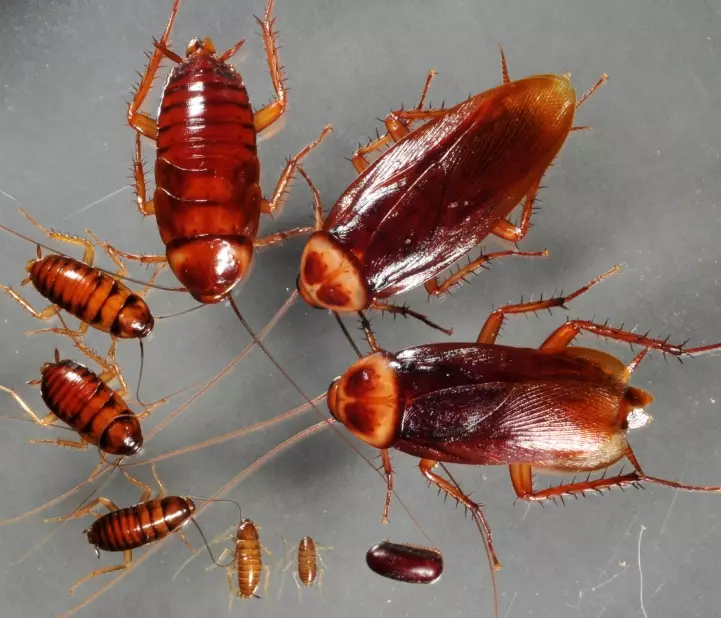
Step 3: Exclusion – Seal Them Out
This is about future-proofing. A cockroach can squeeze through a crack as thin as a dime. Go around your home with a tube of silicone caulk and seal up:
- Cracks and gaps around baseboards, pipes, and electrical outlets.
- Spaces around dishwasher, oven, and refrigerator lines.
- Gaps under doors (install door sweeps).
- Holes in screens and around windows.
When to Call a Professional Exterminator
There's no shame in it. Sometimes the DIY approach isn't enough, especially with a large or persistent German cockroach infestation. Consider calling a pro if:
- You've followed the steps above diligently for 4-6 weeks and still see significant activity.
- The infestation is widespread throughout multiple rooms or units (common in apartments).
- You have health concerns like severe asthma that make immediate, thorough control essential.
A reputable professional from a company certified by a state or national organization like the National Pest Management Association (NPMA) will have access to stronger, professional-grade products and the expertise to place them strategically. They can also help identify hidden harborages you might have missed.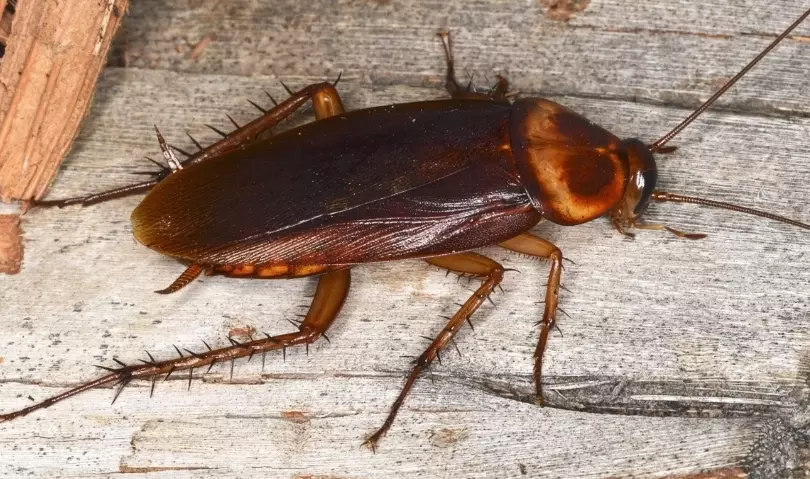
Cockroach Questions You're Too Embarrassed to Ask (Answered)
The Long Game: Prevention is Cheaper Than Eradication
Once you've got an infestation under control, the work isn't over. It shifts to vigilance. Make the sanitation habits from Step 1 part of your routine. Periodically check for the early signs we discussed. Place a few bait stations or monitors in high-risk areas (under the fridge, behind the stove) as early warning systems. Reapply IGRs as directed on the label, usually every 6 months.
Be especially careful with second-hand furniture, appliances, or grocery bags. Inspect them before bringing them inside. Cockroaches are fantastic hitchhikers.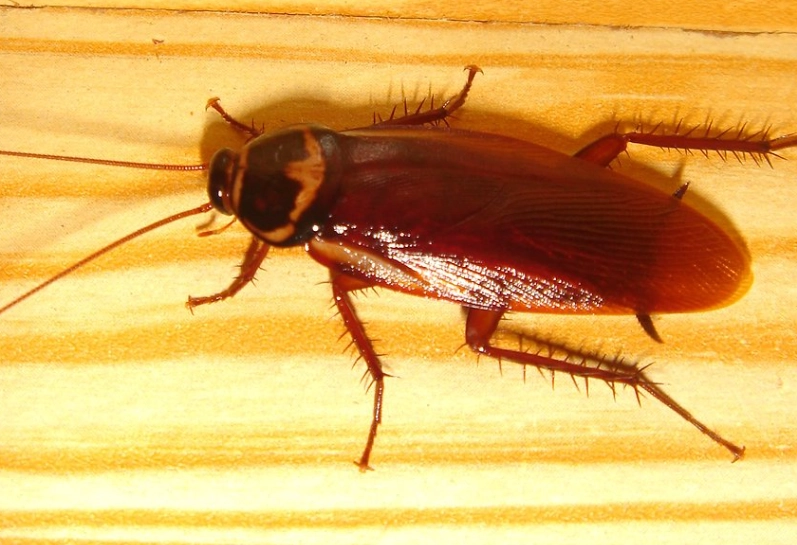
Winning the war against cockroaches is absolutely possible. It demands patience, consistency, and a willingness to understand the pest you're fighting. It's not about a single heroic act with a spray can; it's about a smart, sustained campaign that removes their reasons for being in your home. Start with the small, simple steps tonight—clean those counters, take out the trash, and seal up that crack by the pipe under the sink. You've got this.
LEAVE A REPLY
Your email address will not be published. Required fields are marked *