Quick Navigation
- First Things First: What Even Are Bed Bugs?
- The Top Ways Bed Bugs Get Into Your Home
- How Bed Bugs Actually Set Up Shop in Your Home
- Common Myths About Where Bed Bugs Come From
- Your Action Plan: How to Prevent Them From Coming In
- What to Do If You Think You Have Them
- Frequently Asked Questions (The Real-World Stuff)
- Final Thoughts: Knowledge Over Fear
Okay, let's be real. You're probably here because you found a suspicious bug, got a mysterious bite, or you're just paranoid after hearing a horror story. That creeping feeling of "where do bed bugs come from" is enough to keep anyone up at night. I get it. I've been there. A few years back, I came back from a trip with more than just souvenirs. Let's just say it was an expensive lesson in pest control.
So, let's cut through the noise and the online scare tactics. This isn't about fear-mongering. It's about giving you clear, practical, and honest information. We'll look at the actual sources, bust some huge myths that waste your time and money, and talk about what actually works to keep them out. Because knowing where they come from is the first step to making sure they never show up at your place.
First Things First: What Even Are Bed Bugs?
Before we dive into their travel habits, let's make sure we know what we're dealing with. Bed bugs (Cimex lectularius) are small, wingless insects. They're about the size of an apple seed when fully grown, flat, and reddish-brown. They feed exclusively on blood—human blood is their favorite. They're not a sign of dirt or poverty. That's a myth we'll crush later. They are simply very good hitchhikers.
Their entire mission in life is to find a blood meal, hide somewhere dark and tight nearby, digest, breed, and repeat. They can live for months without feeding, which is what makes them such resilient and frustrating pests. Understanding this basic biology is key to answering the core question: where do bed bugs come from in the first place?
The Top Ways Bed Bugs Get Into Your Home
Think of bed bugs as the world's worst freeloaders. They don't have wings to fly in. They rely entirely on us to give them a lift. So when you ask "where do bed bugs come from," you're really asking about human activity. Here are the main highways they use.
Travel and Hotels (The #1 Source)
This is the big one. For most people, this is the answer to "where do bed bugs come from." You stay in a hotel, motel, Airbnb, or even a nice resort. A single pregnant female hitches a ride in your luggage, your purse, or the folds of your clothes. You bring her home, and the problem begins.
I learned this the hard way. I used to just throw my suitcase on the hotel bed. Never again. It doesn't matter how clean, expensive, or highly-rated the place is. Bed bugs are equal-opportunity pests. They've been found in five-star hotels and budget motels alike. The constant turnover of guests makes hotels a perfect hub for them.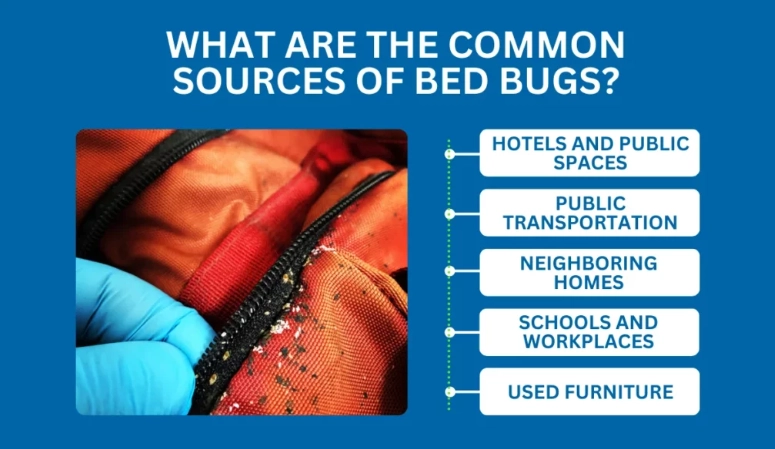
Second-Hand Furniture and Items
That beautiful vintage armchair left on the curb? The thrift store bargain? The used mattress from an online marketplace? Major red flags. This is a classic answer to where bed bugs come from for people who love a good deal.
Bed bugs love to hide in the seams, tufts, and folds of upholstered furniture. They can also hide in wooden furniture joints, behind picture frames, or even in electronics. Bringing an infested item into your home is like rolling out the red carpet. I'm not saying don't buy second-hand—I love it—but you have to be smart. Inspect everything meticulously before it crosses your threshold.
Public Spaces and Transportation
This one makes people nervous, and while the risk is lower than hotels, it's real. Where do bed bugs come from when you haven't traveled? Think about high-traffic public seating.
- Movie Theaters: Those plush, dark seats are prime real estate.
- Public Transit: Buses, trains, and taxis. Fabric seats are a risk.
- Libraries: Especially in the cozy reading chairs.
- Offices and Laundromats: Any shared seating area.
The idea isn't to become a hermit. It's about awareness. You're unlikely to get a full infestation from sitting in a cinema once, but a bug could hitch a ride on your coat. It's about minimizing vectors.
From Neighbors and Multi-Unit Buildings
If you live in an apartment, condo, or townhouse, your problem might not originate with you. Bed bugs are excellent crawlers. They can move through wall voids, electrical conduits, plumbing lines, and under baseboards. An infestation in Unit 2A can, and often does, become a problem for 2B and 2C.
This is one of the most frustrating scenarios. You can be hyper-vigilant, but if a neighbor is less careful or tries (and fails) to treat the problem themselves, the bugs will spread. Proactive communication with your landlord or property manager is crucial here.
| Source | Risk Level | Key Prevention Tip |
|---|---|---|
| Travel & Hotels | Very High | Inspect room & luggage rack use |
| Second-Hand Furniture | High | Thorough visual inspection before bringing inside |
| Public Transit | Moderate | Avoid placing bags/belongings on empty seats |
| Visitors' Belongings | Moderate | Offer a coat closet/bed away from bedrooms |
| Neighboring Units | Variable (High in apartments) | Seal cracks/cable outlets; report issues promptly |
How Bed Bugs Actually Set Up Shop in Your Home
So, a bed bug gets a ride to your place. Now what? Understanding their lifecycle and habits shows you why they're so good at becoming a permanent problem if you don't spot them early.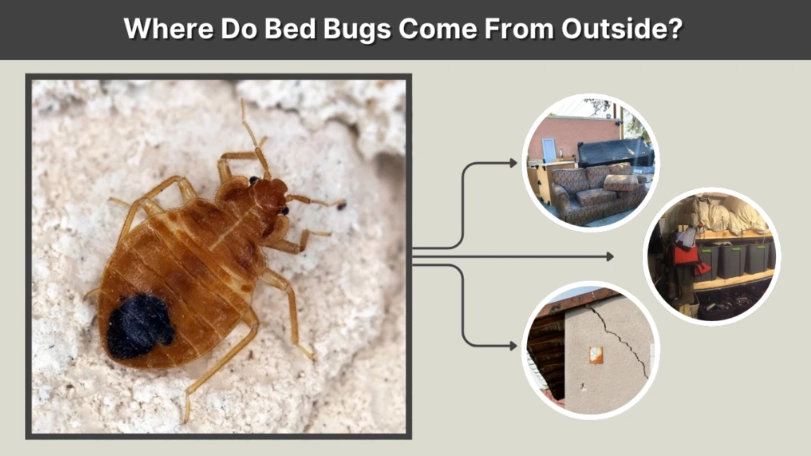
They immediately seek a harborage—a dark, secure spot close to their food source (you). Common harborages include:
- Mattress seams, tags, and piping
- Box spring frames and fabric
- Cracks in bed frames and headboards
- Behind baseboards, wallpaper, and electrical plates
- In clutter near the bed (books, nightstands)
At night, they're attracted by our body heat and the carbon dioxide we exhale. They crawl out, feed for about 5-10 minutes (you usually don't feel it), and crawl back to hide. A female can lay hundreds of eggs in her lifetime. You can see how a few bugs turn into an infestation quickly. This is why the core question—where do bed bugs come from—is so urgent. Early detection is everything.
Common Myths About Where Bed Bugs Come From
Let's clear up some garbage information. Believing these myths can make you feel safe when you're not, or paranoid about the wrong things.
Myth 1: They only live in dirty places. This is the biggest one. Bed bugs don't care about cleanliness. They care about blood. You can have the cleanest, most expensive home on the block and still get them. They are attracted to clutter because it gives them more hiding spots, but dirt itself isn't the draw.
Myth 2: You can see them easily during the day. Nope. They are nocturnal and secretive. By the time you see them crawling in daylight, the infestation is usually large and well-established. You need to look for signs: tiny black fecal spots (like a marker dot), shed translucent skins, or the bugs themselves in seams.
Myth 3: They fly or jump. They have no wings. They cannot fly. They cannot jump like fleas. They crawl. It might seem less scary, but it means they can systematically explore and hide in any crack.
Myth 4: Pets bring them in. While bed bugs will bite pets if desperate, they strongly prefer humans. Pets are not a common source. Fleas come from pets; bed bugs come from human-centric environments.
Your Action Plan: How to Prevent Them From Coming In
Knowing where bed bugs come from is half the battle. The other half is building habits to block those entry points. This is your practical checklist.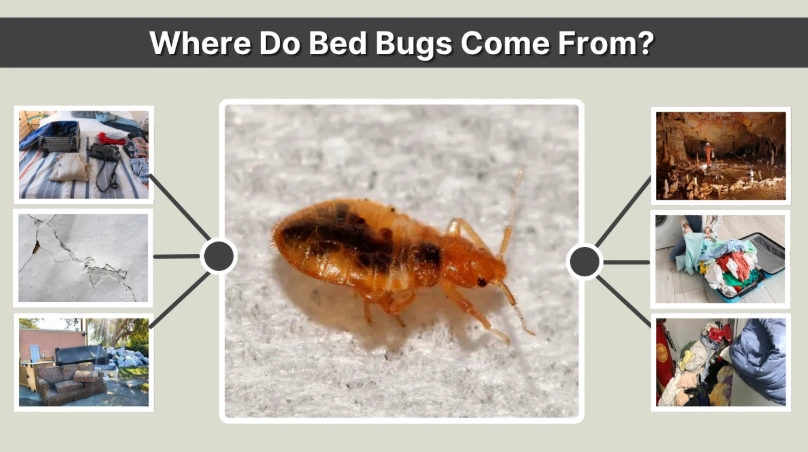
For Travel (Your New Non-Negotiable Routine)
- Pack smart: Use hard-shell suitcases if possible. They have fewer seams than fabric ones. Pack clothes in large resealable plastic bags or packing cubes.
- The Hotel Inspection: Before you bring luggage in, put it in the bathroom (tile floor, no hiding spots). Pull back the sheets and inspect the mattress seams, especially at the corners and head of the bed. Look for those black spots or bugs. Check behind the headboard if possible. Look in drawer joints and the luggage rack.
- During Your Stay: Keep your suitcase on the rack, never on the bed, floor, or spare bed. Hang clothes instead of using drawers.
- Coming Home: This is critical. Unpack directly into your washing machine. Wash and dry ALL clothes on the highest heat setting the fabric can handle. Heat is a killer. Vacuum out your suitcase thoroughly and consider storing it in a garage or sealed bag.
For Your Home (General Prevention)
- Declutter: Reduce hiding spots, especially around beds and sofas.
- Seal Up: Use caulk to seal cracks in baseboards, wall joints, and around electrical outlets. Install outlet cover seals.
- Protect Your Bed: Use high-quality, light-colored mattress and box spring encasements. They trap any existing bugs inside (where they die) and prevent new ones from establishing in the seams. It also makes inspections a breeze—just look at the smooth surface.
- Be Smart with Second-Hand: Inspect like a detective. Use a flashlight and a credit card to run along seams. If possible, treat items before bringing inside. For non-upholstered items, cleaning and isolation in a garage for a few weeks can help.
- Be Aware After Visitors: If someone visits who you know has had issues, or who travels frequently, it's okay to be cautious. Wash bedding they used on high heat.
What to Do If You Think You Have Them
Panic is the worst enemy. It leads to rash decisions (like those bug bombs). Stay calm and be systematic.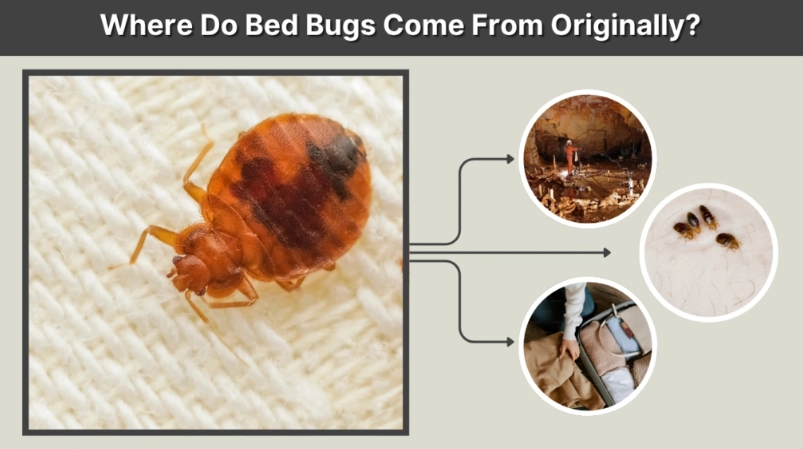
- Confirm: Find a bug or clear sign? Capture it in a clear tape or a jar. You need to confirm it's a bed bug and not, say, a carpet beetle. Your local cooperative extension office can often help with ID, or you can compare to verified photos online from sources like the EPA's bed bug page.
- Contain: Don't start moving items from room to room. You'll spread them. Isolate the affected room if possible.
- Inspect Thoroughly: Strip the bed and inspect every seam of the mattress, box spring, and bed frame. Use a bright flashlight and a magnifying glass.
- Call a Professional: This is my strongest advice. DIY treatment for a confirmed infestation is incredibly difficult and often fails, leading to more expense and frustration. Licensed Pest Management Professionals (PMPs) have the tools, knowledge, and experience. They use a combination of methods—often detailed in guides from the CDC—like targeted insecticides, heat treatments, and steam.
- Follow the Pro's Plan: They will give you a prep list. It will be work—laundering, decluttering, moving furniture. Do it thoroughly. Their treatment can only work if they can access the bugs.
Frequently Asked Questions (The Real-World Stuff)
Here are the nitty-gritty questions people are actually searching for.
Can I get bed bugs from a hug or sitting next to someone?
Extremely unlikely. They don't live on people like lice. They hide near where people rest and only come out to feed. A casual hug or sitting beside someone on a bus won't transfer them. The risk is from their belongings (coat, bag) that has been sitting in an infested area.
Where do bed bugs come from originally? Like, in nature?
Great question. They originally parasitized bats in caves. When humans started living in caves, they switched hosts. Our modern, centrally-heated homes with abundant hiding spots are basically paradise for them. So their original source was a wild animal host, but the modern source is almost always another human environment.
If my neighbor has them, am I doomed?
Not doomed, but you need to be proactive. Inform your landlord immediately. They should hire a professional to inspect surrounding units. You should implement the prevention steps listed above, especially sealing cracks and using mattress encasements. Document everything in writing. Resources from organizations like the National Pest Management Association (NPMA) can be helpful for understanding your rights and the process.
How quickly can they spread from one room?
If left untreated, they will naturally spread over weeks to months as the population grows and they seek new harborage sites and hosts. However, you can spread them instantly by moving an infested pillow, blanket, or piece of clothing to another room. That's why containment is step one.
Are some people "immune" to the bites?
No one is immune to being bitten. However, about 30% of people have no visible reaction to the bites. So you could have an infestation and not know it from bites alone. That's why looking for physical signs (spots, bugs, skins) is more reliable than waiting for welts.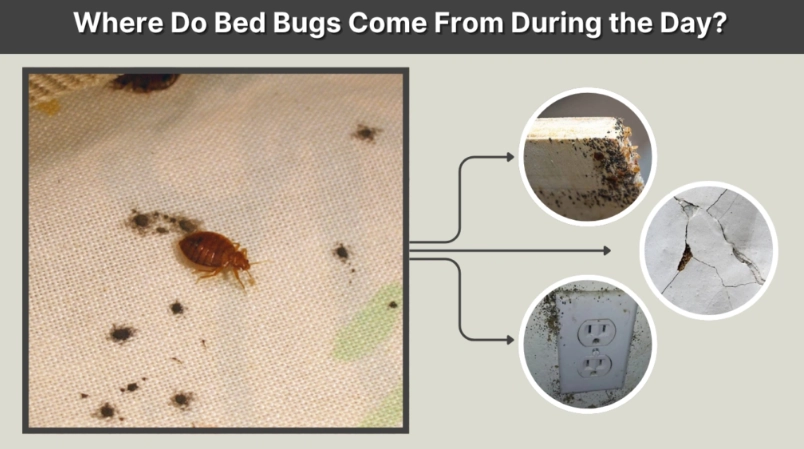
Final Thoughts: Knowledge Over Fear
Look, the idea of bed bugs is horrible. I'm not going to sugarcoat it. Dealing with them is stressful and expensive. But the fear is often worse when you don't have good information.
Now you know. You know where do bed bugs come from: they come from our interconnected world—from travel, from second-hand goods, from shared spaces. They are a fact of modern life, not a reflection on you. The goal isn't to live in fear, but to live with smart, simple habits that drastically reduce your risk.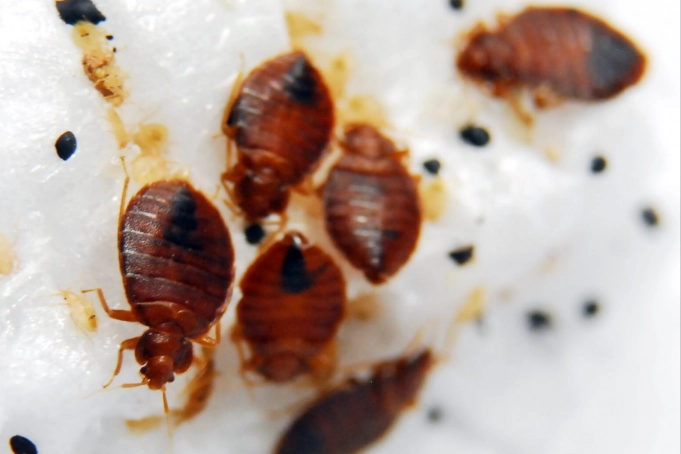
Be vigilant when you travel. Inspect second-hand items. Keep your sleeping area uncluttered. And if the worst happens, don't try to be a hero—call a pro. You've got this. Armed with the right information, you can stop worrying about where bed bugs come from and start enjoying a peaceful, pest-free home.
Really, it all comes down to that one habit change. Next time you walk into a hotel room, put your bag in the tub first. That single action solves so many potential problems before they start. Trust me on that one.
LEAVE A REPLY
Your email address will not be published. Required fields are marked *