Quick Guide
- What Exactly Are Carpenter Ants, and Why Should You Care?
- Spotting the Enemy: How to Identify Carpenter Ants and Their Handiwork
- Your Action Plan: How to Get Rid of Carpenter Ants
- Stopping Them Before They Start: Long-Term Prevention is Cheaper Than Cure
- Answers to the Questions You're Actually Asking (FAQ)
Let's talk about carpenter ants. You've probably seen one – a big, black (or sometimes red and black) ant scurrying across your kitchen floor, or maybe you found a small pile of what looks like sawdust near a window frame. Your first thought might be "termite," but more often than not, you're dealing with carpenter ants. And let me tell you, ignoring them is one of the biggest mistakes a homeowner can make. I learned this the hard way a few years back when I found what I thought was a harmless trail of ants in my garage. Fast forward three months, and I was looking at a not-so-harmless repair bill for a section of soggy, ant-riddled wall framing. They weren't eating the wood, but they had turned a damp spot into their personal high-rise, hollowing it out from the inside.
This guide isn't just a rehash of basic facts. It's the deep dive I wish I had found when I first got suspicious. We're going to cut through the noise, bust some myths, and give you a clear, actionable plan. Whether you're just curious, in the middle of a full-blown infestation panic, or trying to make sure one never starts, this is your roadmap.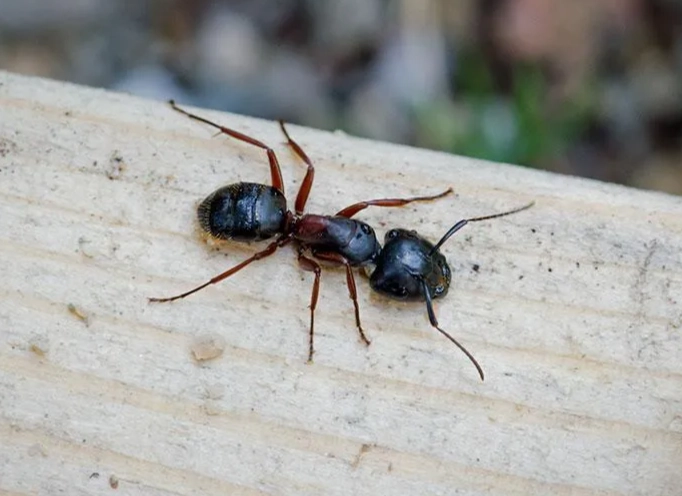
What Exactly Are Carpenter Ants, and Why Should You Care?
First off, not every big ant is a carpenter ant. There are over 1,000 ant species in North America alone. Carpenter ants belong to the genus Camponotus, and they're some of the largest ants you'll encounter. The most common pest species is the black carpenter ant (Camponotus pennsylvanicus).
Here's the crucial thing to understand, and where a lot of confusion with termites comes from: carpenter ants do not eat wood. I'll say it again because it's so important. They don't consume cellulose like termites do. Termites are like little cows, digesting the wood. Carpenter ants are more like construction crews with tiny jackhammers. They chew through it to create smooth, clean galleries for their colonies to live in. They push the excavated wood shavings (mixed with dead insect parts and other debris) out of little kick-out holes. That pile of frass is a major red flag.
So if they don't eat wood, what do they eat? They're scavengers and predators with a sweet tooth. Their diet includes:
- Other insects (dead or alive)
- The honeydew secreted by aphids and scale insects (this is a big one – they'll actually "farm" these pests on plants)
- Meat and fats
- Sugars, syrups, jelly, fruit
This diet is key to both baiting them and understanding why they might be in your kitchen.
The damage they cause is structural. By hollowing out support beams, window frames, doorframes, and sill plates, they compromise the integrity of the wood. It's a slow process, but given enough time (which they often have when undetected), it can lead to serious and expensive repairs. The University of Kentucky's Entomology Department has a fantastic, detailed publication on carpenter ant biology and behavior that's worth a look if you want the deep scientific dive.
Spotting the Enemy: How to Identify Carpenter Ants and Their Handiwork
You can't fight what you can't identify. Let's break down exactly what you're looking for.
The Ants Themselves
Carpenter ants have a few dead giveaways:
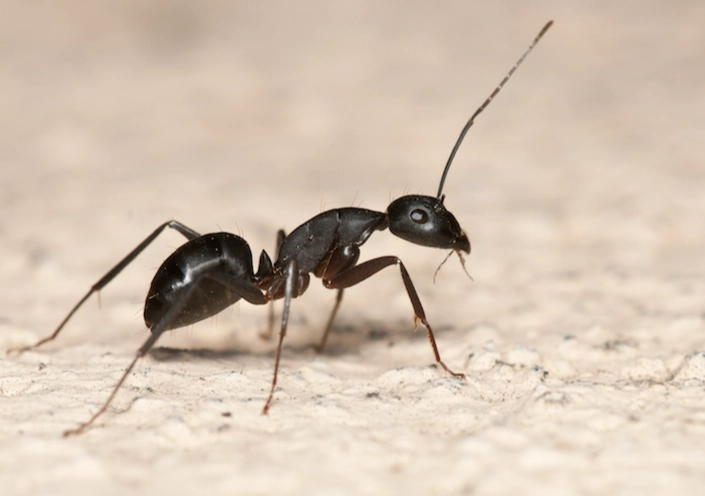
- Size: Workers range from 1/4 inch to 1/2 inch long. The queens are larger, often up to 3/4 inch. Compare that to a common pavement ant, which is maybe 1/8 inch.
- Color: Most commonly solid black, but some species are dark brown, or a combination of red and black.
- Shape: They have a single, rounded node (petiole) between the thorax and abdomen. Their thorax (the middle section) is evenly rounded when viewed from the side – no spines or bumps.
- Antennae: Elbowed antennae, typical of ants.
- Waist: One node, a single small segment connecting the thorax and abdomen.
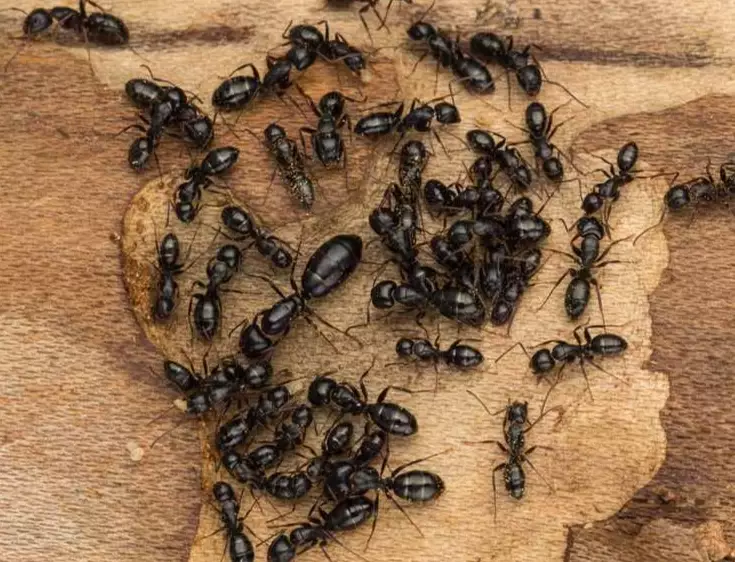
You might see different sizes of workers together. That's normal for a colony, which can contain major workers (the big soldiers) and minor workers.
 A single, large, black ant indoors in the spring? Probably a scout. Don't panic, but do pay attention.
The Signs of an Infestation (This is the Critical Part)
Seeing the ants is one thing. Finding their evidence is another. Here’s what to hunt for:
1. Frass: This is your number one clue of an active, indoor nest. It looks like fine sawdust or wood shavings. But look closer – it's not uniform like sawdust from a sander. You'll see tiny, irregular wood fragments, and often specks of other stuff like insect parts. You'll find it accumulating in piles below kick-out holes, in basements, on windowsills, or in spider webs in corners. I found mine in the basement utility room, right under a floor joist.
2. Rustling Sounds: In a quiet house at night, put your ear near a suspected wall or wood member. A large, active colony can produce a faint rustling or crinkling sound as they move and work inside the galleries. It's eerie when you hear it.
3. Foraging Trails: Carpenter ants often follow set paths between their nest and food sources. Look for lines of ants moving in a disciplined fashion, often along edges like baseboards, wires, or pipes. They are most active at night.
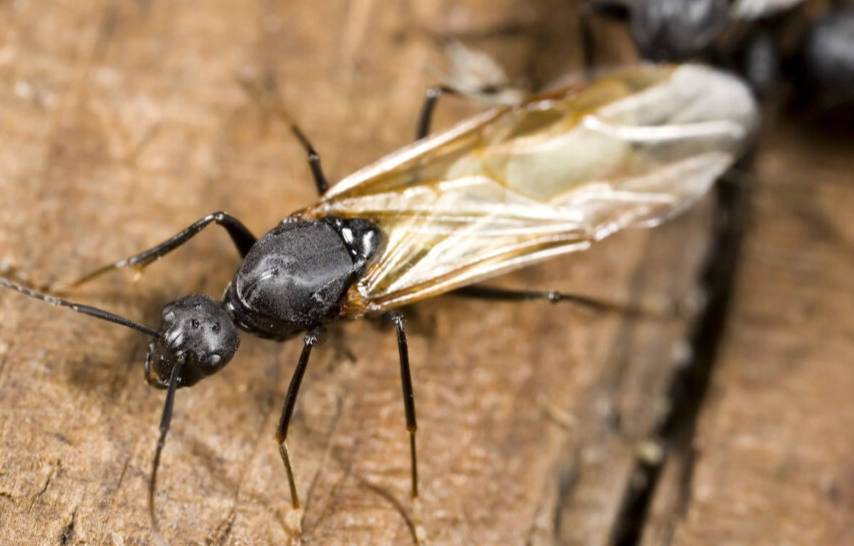
4. Swarmers (Winged Reproductive Ants): This is a sure sign of a mature colony. In spring, colonies produce winged males and females (the future queens) to mate and start new colonies. If you see large, winged ants emerging from a crack in your wall or from a baseboard, you have a nest inside. The wings are a key differentiator from termite swarmers, which we'll cover next.
Carpenter Ant vs. Termite: The Ultimate Showdown (in Table Form)
This confusion causes more misdiagnosis than anything else. Let's clear it up for good.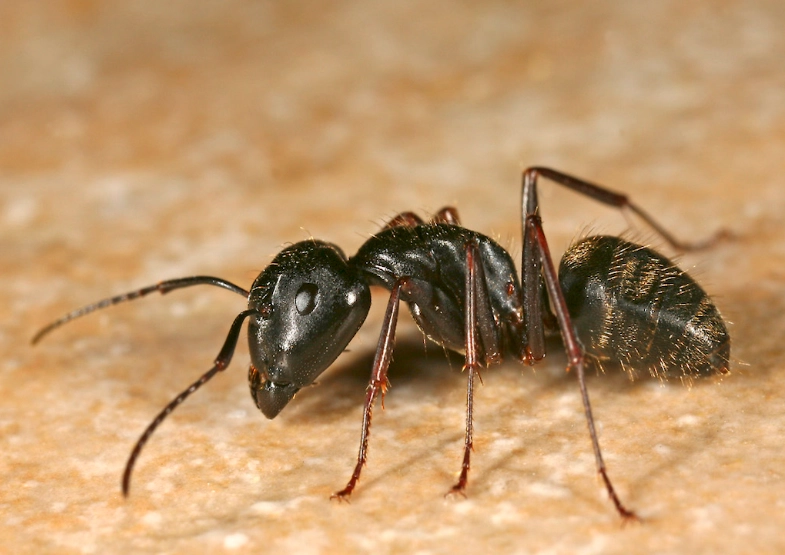
| Feature | Carpenter Ant | Termite |
|---|---|---|
| Body Shape | Pinched waist (constricted between thorax & abdomen) | Rectangular, no pinched waist |
| Antennae | Elbowed (bent) | Straight, bead-like |
| Wings (on Swarmers) | Front wings longer than hind wings. Wings are clear with few veins. | Front and hind wings equal in size and length. Wings are milky/translucent with many veins. |
| Color | Workers: Dark brown/black. Swarmers: Dark body. | Workers: Pale, creamy white. Swarmers: Dark body with pale wings. |
| Wood Damage | Galleries are clean, smooth, sandpapered-looking. No mud. Pushes out dry frass. | Galleries are rough, caked with mud and soil. Fills wood with mud-like material. |
| Diet | Does NOT eat wood. Eats proteins/sugars. | DOES eat wood (cellulose). |
See the difference? It's huge. If you see damage with mud, it's termites. If you see clean galleries and dry frass, it's almost certainly carpenter ants.
Your Action Plan: How to Get Rid of Carpenter Ants
Okay, you've identified the problem. Now, what do you do? Your strategy depends entirely on the scale of the infestation. Is it a few scouts, or do you have a full-blown colony in your wall?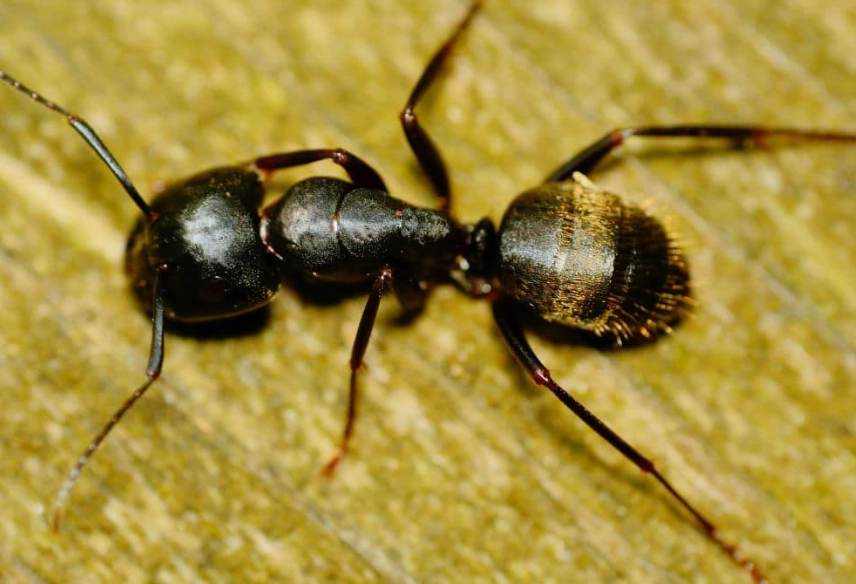
Step 1: Locate the Nest(s)
This is the hardest and most important step. You need to play detective.
- Follow the Trails: At night with a red-light flashlight (ants are less disturbed by red light), try to follow foragers back to their entry point. They often travel along guidelines like wires or pipes.
- Tap and Listen: Tap on wood surfaces with a screwdriver handle. Sounding hollow or papery over a large area can indicate galleries. Listen for the rustling response.
- Moisture is Key: Carpenter ants love moisture-damaged wood. Check all the usual suspects: around leaky windows/doors, under sinks, around tubs/showers, in roof eaves where leaks occur, in crawl spaces, around dishwasher and washing machine connections, and anywhere condensation forms. The EPA emphasizes moisture control for a host of home issues, and carpenter ants are a prime example.
- Check Outdoors: The parent colony is often outside in a moist, decaying stump, log, old wood pile, or even a buried root system. Inspect within 100 yards of your house. Satellite nests can be inside.
Step 2: Choose Your Weapons (Treatment Options)
You have a few tools in the arsenal. I've tried most of them.
Baits (My First Choice for DIY Foraging Problems): Baits work by having foragers take poison back to the nest, where it's shared with the queen and larvae, eventually killing the colony. The trick is you need the right bait for their current dietary preference. In spring, they often want protein. In summer, they crave sugars.
- Protein Baits: Look for baits containing insect growth regulators (IGRs) like hydramethylnon or abamectin.
- Sugar Baits: Gel baits or stations with borax or fipronil are common.
- The Reality: Baits can be slow (weeks) and require the ants to find them and prefer them over other food sources in your home. Keep them fresh and place them on trails. If they ignore it after a few days, try a different type.
Dusts: Insecticidal dusts (like those containing boric acid, diatomaceous earth, or professional-grade products like Delta Dust) are excellent for treating wall voids where nests are suspected. You puff a small amount into the void through a drilled hole. The ants walk through it, and the dust clings to their bodies, eventually being ingested or desiccating them. This is powerful but requires precise application. You must get the dust into the nest area.
Liquid Insecticides (Barrier Treatments): These are for creating a protective zone. You spray a residual insecticide around the foundation, potential entry points, and on outdoor trails. This kills foragers and can help prevent new ants from entering. It does little for an established internal nest but is a crucial part of prevention after you've dealt with an infestation. The National Pesticide Information Center (NPIC) is an invaluable resource for understanding the safe and effective use of any pesticide product.
Direct Nest Injection: The nuclear option for a located nest. If you can physically access the gallery (e.g., in a log outdoors, or by drilling into a wall cavity), you can inject a labeled aerosol or dust directly into it. This often provides the fastest knockdown.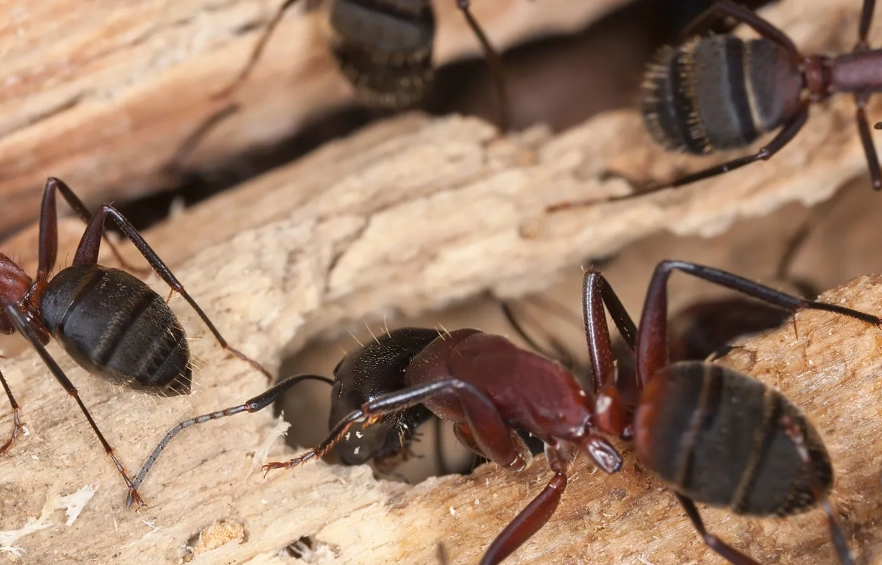
Step 3: When to Absolutely, Positively Call a Professional
Let's be honest, some battles aren't for DIY warriors. Call a licensed pest control professional if:
- You have found frass or swarmers indoors (clear evidence of an internal nest).
- The infestation is widespread or you cannot locate the nest after a thorough search.
- Your DIY efforts over 2-3 weeks have failed to reduce activity.
- The nest is in a hard-to-reach structural area.
- You simply don't have the time, patience, or desire to deal with it.
A good pro will do a detailed inspection, locate nests, use a combination of methods (often including specialized equipment for drilling and dusting), and provide a warranty. It's an investment in peace of mind and your home's structure.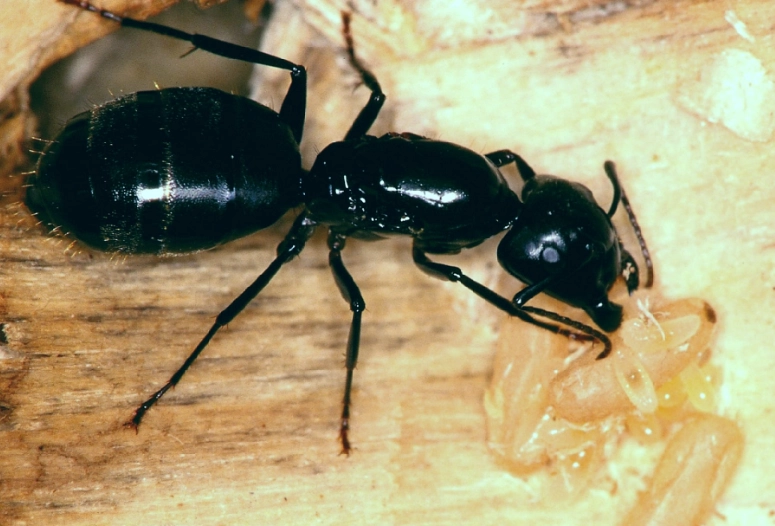
Stopping Them Before They Start: Long-Term Prevention is Cheaper Than Cure
Once you've dealt with an infestation, or better yet, before you ever get one, prevention is everything. It's mostly about making your home uninviting.
Moisture Control (This is 80% of the battle)
Carpenter ants need moisture. Dry wood is much less appealing.
- Fix leaky roofs, pipes, faucets, and appliances immediately.
- Ensure gutters and downspouts are clean and direct water away from the foundation.
- Improve ventilation in crawl spaces, attics, and basements. Use dehumidifiers if necessary.
- Seal cracks in foundation walls and around utility penetrations.
- Replace any water-damaged or rotting wood, even if it's just a small section of trim.
Food Source Denial
Don't feed the ants.
- Store food (especially pet food, sugar, syrup) in airtight containers.
- Clean up spills and crumbs promptly.
- Manage aphids/scale on plants near your house. A strong spray of water can knock them off.
- Keep garbage cans clean and tightly sealed.
Physical Barriers and Landscape Management
Make it hard for them to even think about coming in.
- Trim tree branches and shrubs so they don't touch your house. These are ant highways.
- Store firewood, lumber, and debris piles well away from the foundation (at least 20 feet).
- Remove old stumps, logs, and decaying wood from your property.
- Seal cracks and crevices in the exterior siding, around windows/doors, and where utilities enter with a quality silicone or polyurethane caulk.
- Install door sweeps on exterior doors.
Answers to the Questions You're Actually Asking (FAQ)

Dealing with carpenter ants is a mix of vigilance, knowledge, and sometimes, swallowing your pride and calling for backup. The key is to not ignore the signs. That little pile of "sawdust" or the occasional big black ant isn't just a nuisance; it's a message. Listen to it, investigate, and act with a clear plan. Your home—and your wallet—will thank you for it.
Got a carpenter ant story or a tip that worked for you? I'd love to hear it. It's a shared battle for those of us who love our homes and hate seeing them turned into insect architecture.
LEAVE A REPLY
Your email address will not be published. Required fields are marked *