Quick Navigation
Let's be honest, seeing a black spider skitter across your floor is one of those universal heart-jump moments. That sudden, leggy shadow triggers something deep and primal. Is it dangerous? Should I panic? Is my house now its house? We've all been there. I remember one time, a jet-black spider the size of a quarter decided my bathroom sink was its new kingdom. I spent a good ten minutes in a standoff with it, armed with a glass and a piece of cardboard, debating the ethics of relocation versus... other options.
The problem is, we lump all "black spiders" together into one scary category. It's like calling every four-legged animal in the forest a "bear." Not helpful, and frankly, not fair to the spiders. Most of them are just misplaced outdoor janitors who want nothing to do with you. But a tiny few? Yeah, you need to know about those.
This guide is here to cut through the fear and the folklore. We're going to break down exactly what you're looking at, why it's probably not a threat, and what to do on the off chance it is. No sensationalism, just practical, clear information. Because knowledge is the best pesticide.
Meet the Usual Suspects: Common Black Spiders You'll Actually Encounter
When you see a black spider, it's likely one of these fellas. I've put together a table to make this easy to digest at a glance. It's surprising how different they are once you know what to look for.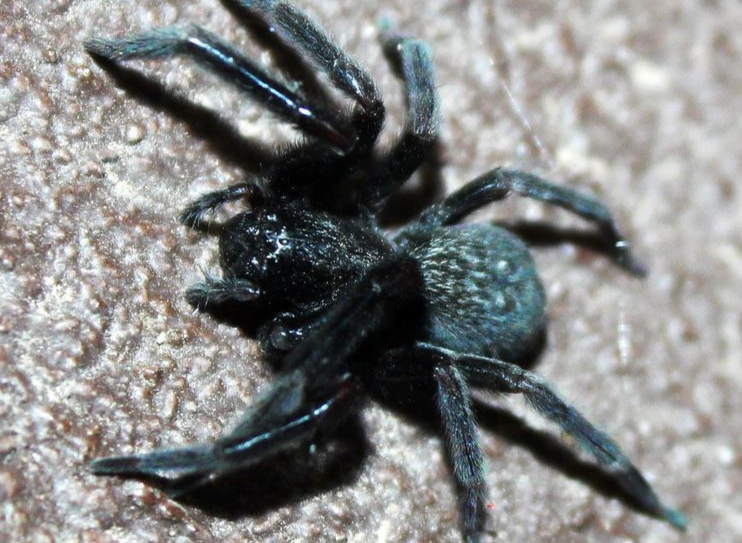
| Spider Name | Key Identifying Features (Look Closely!) | Where You'll Find It | The Real Danger Level |
|---|---|---|---|
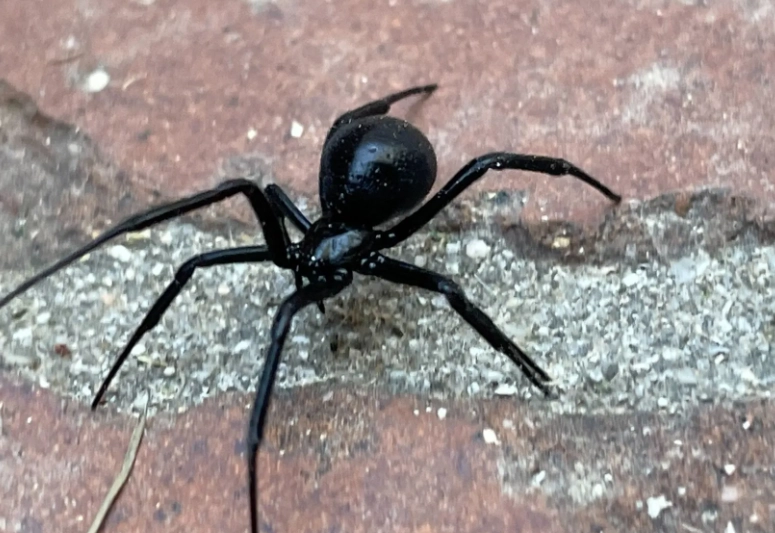
| Black Widow | Glossy, jet-black body. Females have the famous red hourglass on the underside of a large, round abdomen. Males are smaller, brownish, and harmless. | Dark, undisturbed spots: woodpiles, sheds, under patio furniture, cluttered garages. They avoid living spaces. | Medically significant. Bite requires medical attention, but they are not aggressive. Fatalities are extremely rare with modern treatment. |
| False Black Widow (Steatoda grossa) | Dark brown to purplish-black, with a round, bulbous abdomen. Often has faint, lighter markings on top. No red hourglass—sometimes a pale mark underneath. | Common in homes! In window frames, corners of rooms, behind furniture. More synanthropic (lives with humans) than the true widow. | Low. Bite can be painful, like a wasp sting, with local swelling. Can cause discomfort but not considered medically dangerous like its cousin. |
| Common House Spider (Parasteatoda tepidariorum) | Variable color, often a chequered mix of brown, tan, and grey, but can appear quite dark. Messy, tangled cobwebs in corners are their trademark. | Exactly where the name says: in the upper corners of rooms, basements, attics. | Virtually nil. They can't really pierce human skin effectively. The ultimate roommate—quiet and eats pests. |
| Black Jumping Spider (Various Phidippus species) | Compact, fuzzy body. Often has iridescent green or blue mouthparts (chelicerae). Their behavior gives them away—they turn to look at you with those big front eyes and make little hops. | On windowsills, fences, garden plants. They hunt during the day and are curious. | None. They are harmless, fascinating, and excellent pest controllers. I actually like finding these guys. |
| Wolf Spider (Dark varieties) | Large, hairy, and robust with long legs. They have a distinct eye pattern: two large eyes on top, followed by two rows. They carry their egg sacs attached to their spinnerets. | Ground dwellers. In leaf litter, under logs, and sometimes wander into basements or garages by accident. | Very low. A bite might occur if trapped against skin, causing temporary pain and itching. Not aggressive. |
See? Just knowing those few details changes everything. That plump, black spider in your window frame is almost certainly a False Black Widow, not its more famous relative. And those quick, fuzzy little acrobats? Totally friendly.
Why Color Alone is a Terrible Identifier
This is the biggest mistake people make. "Black spider" tells you almost nothing. Spiders can be dark because of their species, their age, or even where they live. A spider that's brown in one region might be nearly black in another. I learned this the hard way trying to ID a spider from a blurry, dark photo for a friend. It was impossible.
You have to look at the shape. The size. The web, or lack of one. The habitat. A shiny, smooth black spider hiding in a woodpile sends a very different signal than a hairy, fast-moving black spider on your garden wall.
Beyond the Bite: What Black Spiders Actually *Do*
We get so hung up on "will it hurt me" that we miss the bigger picture. What's this black spider's job? Why is it in your space? Understanding this makes them less mysterious and more... logical.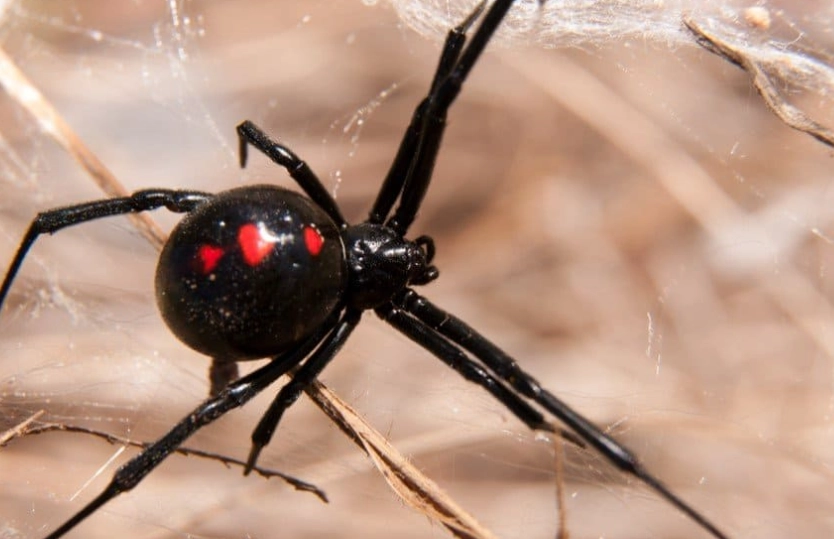
Most spiders are solitary predators. That black spider you see is on a solo mission to eat insects. Think of them as a tiny, silent, zero-cost pest control service. They're taking out mosquitoes, flies, moths, and even other spiders. Having a few around can actually mean fewer annoying bugs in your home.
Their ecological role is massive. They're a crucial part of the food web, keeping insect populations in check. Birds, reptiles, and other small animals eat them. When you see a black spider in your garden, it's a sign of a healthy mini-ecosystem. Killing it indiscriminately can throw things out of whack.
I'm not saying you have to love them. But a little tolerance goes a long way. If it's in a corner out of the way, leaving it be is often the easiest and most ecologically sound option.
The Practical Safety Guide: What to Do (and Not Do)
Okay, theory is fine, but what about action? Here's a no-nonsense, step-by-step approach based on where you are and what you see.
If You Find a Black Spider In Your Home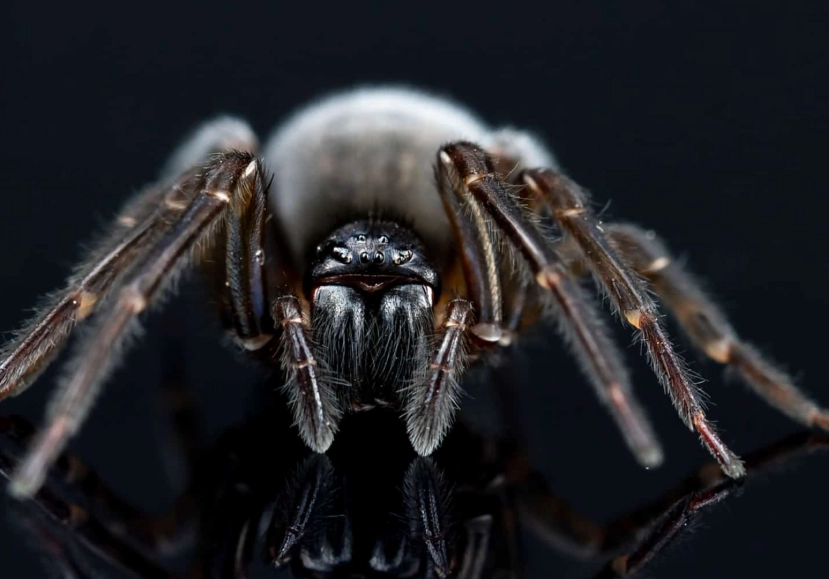
- Don't Freak Out. Seriously, take a breath. It's more scared of you. Sudden movements can startle it into hiding or, rarely, a defensive posture.
- Observe from a Safe Distance. Use the table above. Is it shiny and smooth? Hairy? In a web? Try to get a mental picture. A photo (from a distance!) can help with later ID if you're curious.
- The Standard Removal Method: The classic glass-and-cardboard technique works perfectly. Gently place a clear glass or jar over the spider, slide the cardboard underneath to trap it, and carry it outside. Release it in a sheltered spot like a bush or behind a shed. This is my go-to method for almost every spider.
- When to Be More Cautious: If you suspect it's a Black Widow (glossy, potential hourglass visible) in a high-traffic area (like a child's playroom), removal is still the best first step. Wear gloves if you're nervous. Avoid direct contact.
If You're Bitten By a Black Spider
First, this is very unlikely. Spiders bite as an absolute last resort. But if it happens:
- Stay Calm. Panic increases heart rate and can spread venom faster.
- Wash the area gently with soap and water.
- Apply a cold pack to reduce swelling and pain.
- Elevate the limb if possible.
- Try to safely capture or take a clear photo of the spider. This is the single most helpful thing for medical professionals. A positive ID rules out a lot of guesswork.
When to Seek Medical Attention Immediately:
- If you saw the spider and are sure it was a Black Widow or another medically significant species (like a Brown Recluse, which isn't primarily black, but that's another story).
- If the bite area develops severe pain, muscle cramps, stiffness, abdominal pain, nausea, or difficulty breathing.
- If the bite victim is a young child, an elderly person, or someone with a compromised immune system.
For most other black spider bites (like from a False Widow or wolf spider), symptoms are local and manageable with basic first aid. Watch for signs of infection (increasing redness, pus, fever) over the next few days, as with any minor wound.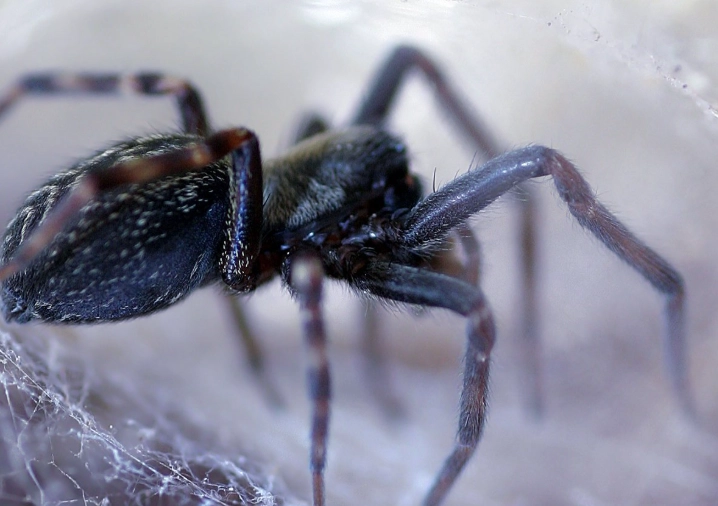
Your Black Spider Questions, Answered Honestly
A Quick Note on Resources and Reliable Info
The internet is full of terrible spider info. To get accurate identifications and safety data, stick to reputable sources. I regularly use and trust sites like the CDC's page on venomous spiders for official medical guidelines. For identification, university entomology departments and museums are gold. The Australian Museum has fantastic info on their notorious spiders (like the Sydney Funnel-web, which is a shiny black spider that is very dangerous, but you won't find it in North America or Europe). For a more general, global perspective, the Natural History Museum (London) has great resources. These links are from institutions that base their information on research, not fear.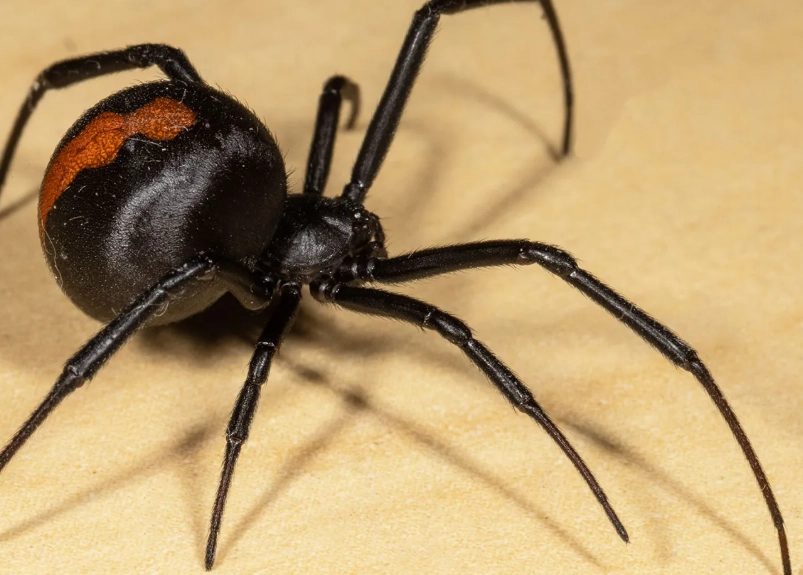
So, the next time that dark, leggy shadow moves, you'll know. You can assess, decide, and act from a place of knowledge, not fear. And that feels a whole lot better than screaming for a shoe.
LEAVE A REPLY
Your email address will not be published. Required fields are marked *