I remember the first time I saw one. I was moving a damp flower pot in my backyard, and there it was—this dark, sleek insect with what looked like giant pincers on its rear end. I’ll admit, I jumped. The name "earwig" doesn’t help either, does it? It conjures up all sorts of creepy images. But after that initial scare, I got curious. What was this bug really about? Was it a threat to my garden, or worse, to me? Turns out, I wasn’t alone in my worry. A lot of people find these little guys unsettling and want to know what to do about them.
Quick Navigation
So, let’s talk about the earwig bug. Not with panic, but with some clear, practical info. This guide is what I wish I’d had back then. We’re going to break down exactly what they are, whether you should actually be worried, and most importantly, how to deal with them if they’ve decided your home or garden is their new favorite spot. We’ll cover everything from simple identification to step-by-step control methods that really work.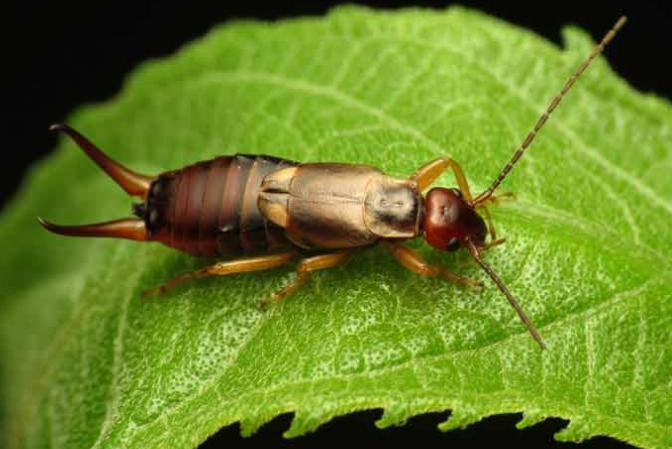
What Exactly Is an Earwig Bug?
Let's be honest, the name is the worst part. The "ear" part comes from an old, and completely false, European myth that these insects crawl into people's ears to lay eggs. It’s pure folklore, but the name stuck. Scientifically, they belong to the order Dermaptera. They’re not flies, they’re not beetles—they’re their own thing.
What defines an earwig bug? A few key features. First, those pincers (called cerci). They’re much more prominent on males and are used for defense, catching prey, and, well, romance during mating. They look scary but aren’t strong enough to break human skin in any meaningful way. Second, they have a flattened, elongated body that’s perfect for squeezing into tight, damp spaces. They’re mostly nocturnal, which is why you often only see them if you disturb their hiding spot during the day.
Their life cycle is pretty straightforward. The female earwig bug is actually a caring mom in the insect world. She lays eggs in the soil in winter, guards them fiercely, and even tends to the nymphs after they hatch until they can fend for themselves. The nymphs look like tiny, paler versions of the adults, just without wings. They molt several times over the spring and summer before reaching adulthood. For a deeper dive into their biology and classification, the University of Kentucky Entomology Department has some excellent, straightforward resources.
Quick Fact: There are over 2,000 species of earwigs worldwide, but the one you're most likely to encounter in North American homes and gardens is the European earwig (Forficula auricularia). It was accidentally introduced here in the early 1900s and has made itself quite at home.
How to Spot an Earwig Bug (Identification Guide)
Before you start any pest control, you need to be sure what you’re dealing with. Misidentifying a bug can mean wasting time and money on the wrong solutions. Here’s what to look for: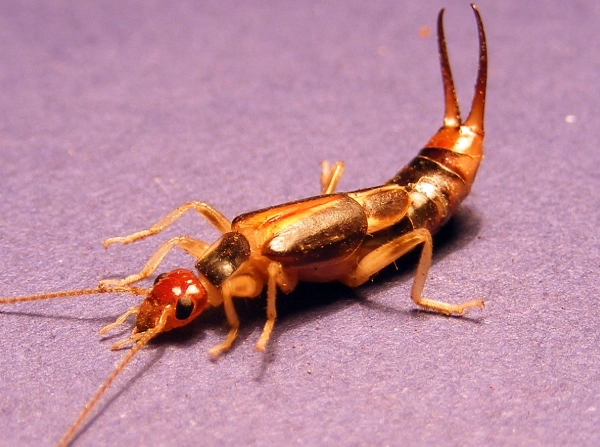
Physical Appearance
- Size: Adults are typically between 1/4 to 1 inch long (5-25 mm). Not huge, but noticeable.
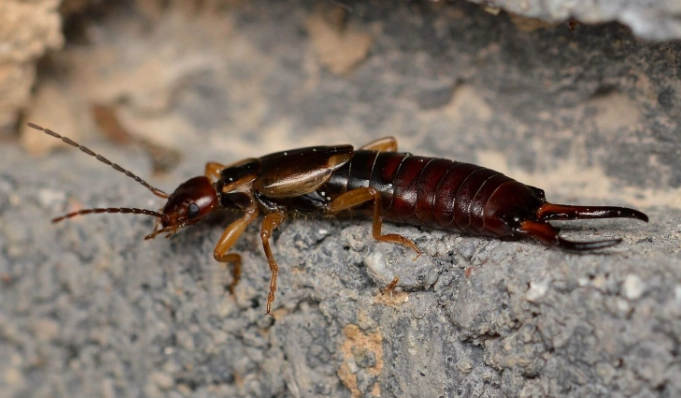
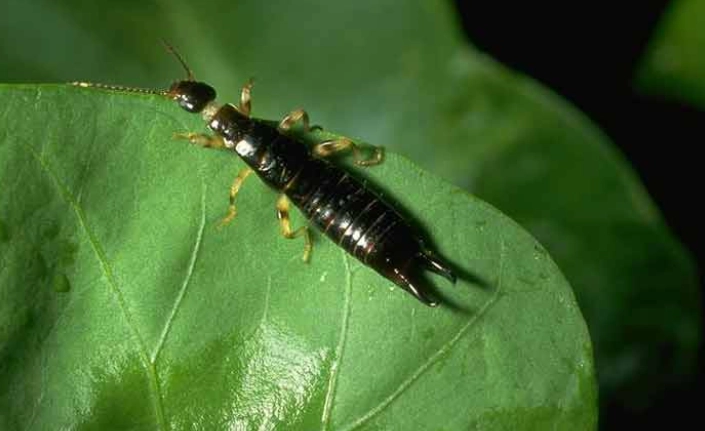
- Color: Usually a reddish-brown to dark brown or black. They’re not very colorful.
- Pincers (Cerci): The big giveaway. Forceps-like appendages at the tip of the abdomen. Males have curved pincers; females' are straighter.
- Body: Long, flat, and segmented. They have a pair of leathery forewings (tegmina) and, underneath, hidden membranous hind wings that they rarely use for flying.
- Antennae: Thread-like and fairly long, with many segments.
I once confused a young cockroach with an earwig bug from a distance. Up close, the differences are clear—roaches don’t have those distinctive pincers, and their bodies are shaped differently.
Signs of Their Activity (Not Just the Bug Itself)
You might not see the earwig bug itself first. Look for these clues:
Where they hide: They crave moisture and tight spaces. During the day, check under mulch, in decaying wood piles, under stones, in the folds of damp cardboard, inside flower pots, or in the crevices of your foundation. Indoors, they love basements, bathrooms, and under sinks.
- Plant Damage: This is a big one for gardeners. Earwig bug feeding can look a lot like slug or caterpillar damage. They chew irregular holes in leaves and flower petals (they love marigolds, dahlias, and zinnias). They might also go for soft fruits like strawberries or apricots. The key difference? Slugs leave a silvery slime trail. Earwigs don’t.
- Droppings: Tiny, black pepper-like specks near their feeding or hiding areas.
Are Earwig Bugs Dangerous?
This is the million-dollar question. The short answer is: not really, but they can be a nuisance. Let’s break down the risks, real and perceived.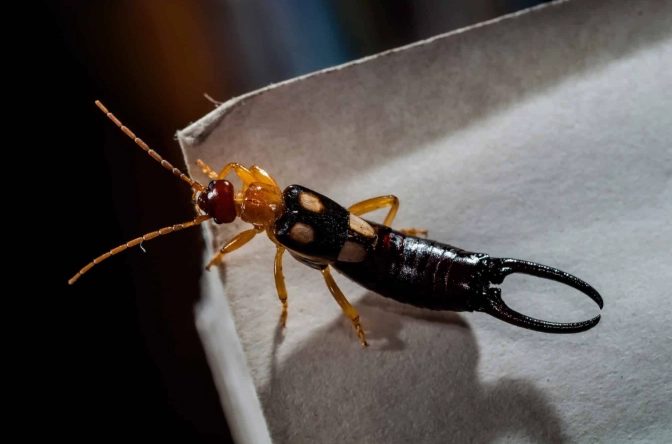
To Humans and Pets
The fear is worse than the bite. An earwig bug can use its pincers to pinch if it’s picked up or feels trapped. It might startle you, but it can’t inject venom and it won’t break the skin like a bee sting. It’s a defensive pinch, not an attack. The pinch might leave a slight red mark for a short while, but that’s usually it. They are not known to transmit diseases to humans.
The old wives' tale about them crawling into ears? It’s incredibly, incredibly rare. Like, winning-the-lottery rare. Bugs of all kinds might wander into an ear by accident, but earwigs have no special affinity for it. It’s a myth that causes unnecessary panic.
To Your Garden and Home
This is where the real issue lies. Earwig bugs are omnivores. They eat both plant matter and other small insects (like aphids and mites). So, they can be a minor form of pest control themselves. However, when their population booms, the plant-eating side takes over.
They can skeletonize seedling leaves, ruin flower blossoms (which is heartbreaking if you’re trying to grow prize-winning dahlias), and nibble on soft fruits and vegetables. They’re not usually a primary destroyer of crops, but they can be a significant secondary pest.
Indoors, they are mostly just a creepy nuisance. They don’t eat wood, fabric, or stored food like other pests. They might nibble on bread or flour if they find it, but it’s not their primary goal. They’re really just looking for a damp, safe place to hang out. Finding a few might indicate excess moisture somewhere in your home.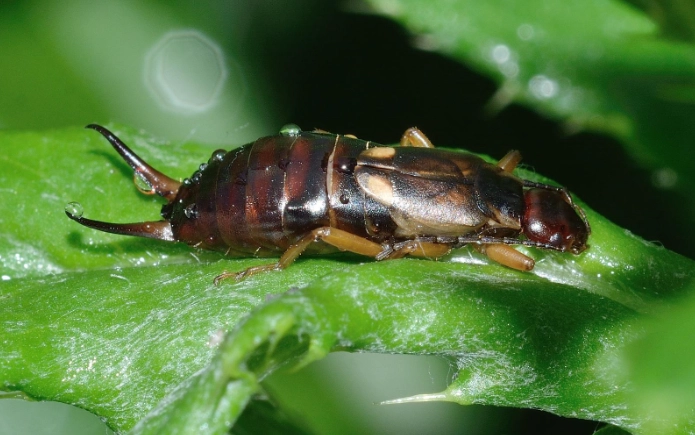
When to Worry: A single earwig bug is no cause for alarm. But if you’re consistently seeing them indoors, especially in large numbers, or if your garden is showing significant, unexplained damage on leaves and flowers, it’s time to take action. It signals a population that’s found a good habitat nearby.
How to Get Rid of Earwig Bugs: A Step-by-Step Action Plan
Okay, so you’ve identified them and decided they’ve overstayed their welcome. What now? Throwing random pesticides around is messy, often ineffective, and can harm beneficial insects. A targeted, layered approach works best. I’ve tried a bunch of methods over the years—some worked great, others were a total waste of time.
Step 1: Inspection and Sanitation (The Foundation)
You have to remove the “welcome mat” first. This is the most boring but most crucial step.
- Outdoors: Eliminate hiding places. Rake up and dispose of leaf litter, old mulch, and weeds. Move firewood piles, lumber, and compost bins away from your home’s foundation. Fix leaky outdoor faucets and ensure downspouts direct water away from the house. Keep your yard tidy.
- Indoors: Fix moisture problems. Use a dehumidifier in damp basements. Fix leaky pipes under sinks. Ensure crawl spaces are well-ventilated. Caulk and seal cracks and crevices around windows, doors, and utility pipes where they might enter.
I learned this the hard way. I was setting traps but ignoring the stack of damp cardboard boxes in my garage. Once I cleared that out, the numbers dropped noticeably.
Step 2: Trapping and Natural Removal
This is great for monitoring populations and providing non-chemical control. Here are a few DIY traps that actually work:
- The Oil Trap: Take a shallow container (like a tuna can). Bury it in the soil near problem areas so the rim is level with the ground. Fill it halfway with vegetable oil or soy sauce mixed with a little oil. The earwig bug is attracted, falls in, and drowns. Check and refresh weekly.
- The Newspaper/Damp Rolled-Up Towel Trap: Roll up a slightly damp newspaper or a piece of corrugated cardboard. Place it near plants in the evening. By morning, earwigs will have crawled inside to hide. In the morning, shake the roll into a bucket of soapy water. Simple and effective.
These methods won’t eradicate a huge infestation, but they’re fantastic for reducing numbers and giving you a sense of the problem’s scale.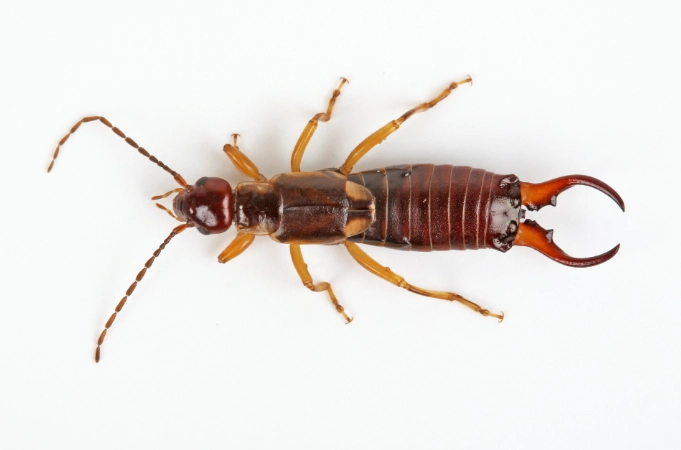
Step 3: Targeted Chemical Controls (If Necessary)
If traps and sanitation aren’t enough, you might need to consider pesticides. The key is targeted application. Broad spraying is overkill. Always read and follow the label instructions—it’s the law, and it’s for your safety. For reliable information on pesticide use and safety, the EPA’s Safer Pest Control Project is an authoritative place to start.
Here’s a quick comparison of common approaches:
| Method/Product Type | How It Works | Best Used For | A Consideration |
|---|---|---|---|
| Diatomaceous Earth (DE) | A fine powder made from fossilized algae. It’s abrasive and absorbs lipids from the insect’s exoskeleton, causing them to dehydrate. | Creating a dry barrier around foundations, in cracks, or under pots. Must be kept dry to work. | Use food-grade DE. It’s non-toxic to pets and people but wear a mask when applying to avoid breathing in the dust. |
| Insecticidal Soaps & Horticultural Oils | Contact insecticides that suffocate or disrupt the cell membranes of soft-bodied insects. | Spot-treating plants where you see active feeding. Good for direct contact on the bugs. | Must coat the insect directly. They have little to no residual effect. Can harm some sensitive plants—test first. |
| Perimeter Insecticide Sprays | Liquid insecticides with residual activity. | Creating a protective band around the foundation of your home, focusing on doors, windows, and potential entry points. | Go for products labeled for earwig/crawling insect control. Apply precisely to avoid runoff and harm to beneficials. Consider a professional for this step if you’re unsure. |
| Granular Baits | Pellets that contain an insecticide and an attractant. The earwig eats it and dies. | Scattering in mulched beds, under decks, or other moist outdoor areas where they congregate. | Keep away from pets and children. Can be effective but may also attract other non-target insects. |
 My personal rule? Start with the traps and the clean-up. Move to things like DE if needed. I only consider the perimeter sprays for serious, recurring indoor invasions.
How to Prevent Earwig Bugs from Coming Back
Getting rid of them is one battle; keeping them away is the war. Prevention is all about making your property less appealing than your neighbor’s.
- Moisture Control is #1: This cannot be overstated. Clean gutters. Grade soil so water drains away from your house. Fix dripping faucets and hoses. Water your garden in the morning so foliage is dry by nightfall when earwigs are active.
- Seal Entry Points: Do a thorough inspection of your home’s exterior in the daylight. Use caulk, weatherstripping, or copper mesh to seal even the tiniest cracks. Pay special attention to where pipes and wires enter.
- Garden Smartly: Use inorganic mulch (like gravel or stone) near your foundation instead of wood chips. Keep plants trimmed and away from direct contact with your house’s siding. Consider planting less susceptible flowers if earwigs are a chronic issue.
- Regular Monitoring: Keep a few oil traps or rolled newspaper traps in your garden beds all season. They’ll give you an early warning if numbers are starting to climb again.
Earwig Bug FAQs: Your Top Questions Answered
I get a lot of the same questions from friends and neighbors. Here are the straight answers.
Do earwigs actually crawl into human ears?
Almost never. It’s a persistent myth with no basis in common reality. Any small insect could theoretically wander into an ear canal by accident, but earwigs are not seeking them out. The University of Minnesota Extension clearly states this is folklore. Don’t lose sleep over it.
Can an earwig bug bite or sting?
They don’t have biting mouthparts designed for attacking humans, and they have no stinger. The only defense is the pinch from those rear pincers. It’s a mild pinch at best, more surprising than painful. They are not aggressive toward people.
What attracts earwig bugs to my house?
Three things: moisture, darkness, and easy access. Overwatered foundation plantings, clogged gutters spilling water, mulch piled against siding, and cracks in your exterior are a perfect invitation. They come inside looking for the damp, sheltered environment they can’t find outside during very dry or very cold weather.
Are they good for anything?
Actually, yes. In moderate numbers, they are part of the garden ecosystem. They are scavengers and predators of other small insects and decaying plant matter. They help break down organic material and can eat pest eggs and aphids. The problem is when the balance tips and there are too many of them.
What’s the difference between an earwig and a silverfish?
Another common mix-up. Silverfish are silvery, scaly, and teardrop-shaped with long antennae and three tail-like appendages. They move in a fast, fish-like wiggle. Earwigs are darker, have prominent pincers, and move more deliberately. Silverfish are indoor pests that eat starches and paper; earwigs are more often outdoor pests that wander in.
 Look, earwig bugs are more of a “yuck” factor than a true crisis. A little knowledge and some simple steps go a long way.
The bottom line is this: don’t fear the earwig bug, but don’t ignore a growing problem either. Start with the simple stuff—clean up, trap, and remove their habitat. That solves most issues. For the stubborn cases, use targeted controls carefully. Your goal isn’t to make every single one disappear from the planet (an impossible task), but to manage their population so they’re not damaging your plants or creeping into your living space. With this approach, you can take back your garden and your peace of mind.
LEAVE A REPLY
Your email address will not be published. Required fields are marked *