Essential Points
- What Are Termites, Really? (And Why Should You Care?)
- Spotting the Enemy: The Different Types of Termites
- What to Do If You Suspect Termites: A Step-by-Step Plan
- Termite Treatment Options: The Good, The Bad, and The Expensive
- Prevention: How to Make Your Home a Fortress Against Termites
- Termites and Your Wallet: Costs, Insurance, and Real Estate
- Answering Your Burning Questions (FAQ)
- Wrapping It Up: Your Action Plan
Let's talk about termites. I know, it's not the most glamorous topic. Most of us would rather think about anything else. But here's the thing I learned the hard way: ignoring them is one of the most expensive mistakes a homeowner can make. We're not talking about a few hundred dollars. We're talking about repairs that can climb into the tens of thousands, quietly chewing away at your home's structure while you're blissfully unaware.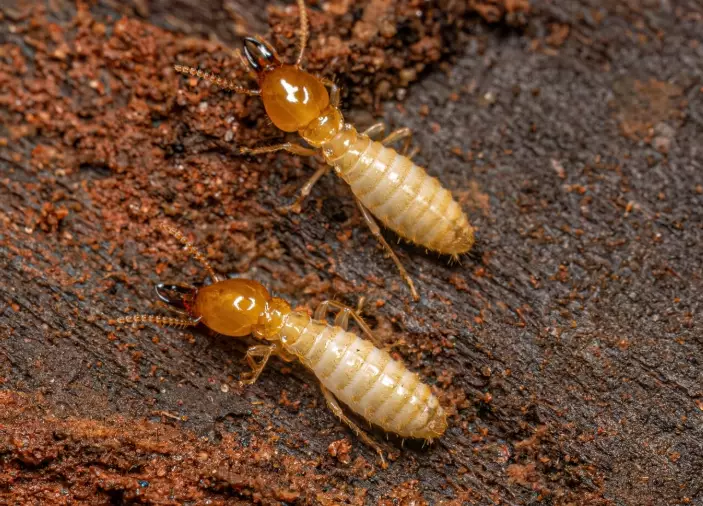
I remember the first time I saw what I thought was a pile of sawdust near a baseboard. I almost vacuumed it up and forgot about it. Turns out, that "sawdust" was frass – termite droppings. My casual attitude cost me later. A lot later.
Let's get this out of the way first: If you see mud tubes on your foundation, hollow-sounding wood, or discarded wings inside your house, stop reading and call a professional for an inspection. Seriously. This guide is comprehensive, but it's not a substitute for a trained eye when you have active signs.
What Are Termites, Really? (And Why Should You Care?)
Most people call them "white ants," but that's where the similarity ends. Termites are social insects that live in colonies, sometimes containing millions of individuals. Their entire job description is to find cellulose (wood) and eat it. Your house, unfortunately, is a fantastic all-you-can-eat buffet for them.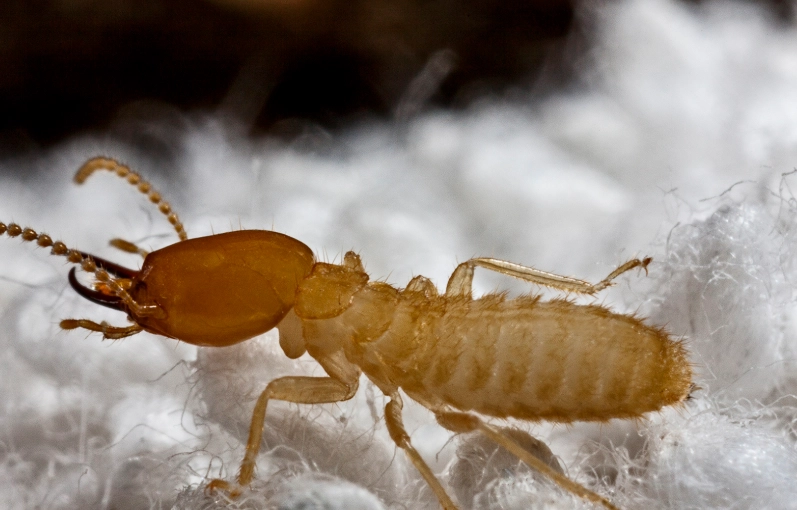
What makes a termite infestation so insidious is its secrecy. Unlike other pests, they work from the inside out. The wood can look perfectly normal on the surface while being completely hollowed out inside. By the time you see obvious damage, the colony has likely been established for years.
The financial impact is staggering. According to data from the National Pest Management Association (NPMA), termites cause over $5 billion in property damage annually in the United States alone. Most homeowner's insurance policies? They don't cover it. You're on the hook.
Spotting the Enemy: The Different Types of Termites
Not all termites are the same. Knowing which type you're dealing with changes the strategy. It's like diagnosing an illness before you pick a medicine.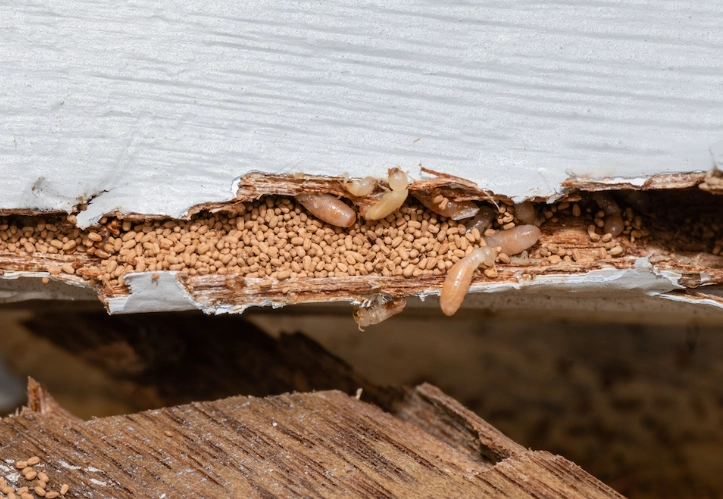
| Type of Termite | Where They Live & Attack | Key Identifying Signs | Level of Threat |
|---|---|---|---|
| Subterranean Termites | In the soil. They build mud tubes to reach wood above ground. | Mud tubes (pencil-sized) on foundations, piers, sill plates. Swarmers in spring. | HIGH. Most common and destructive type in North America. |
| Drywood Termites | Live inside the wood they eat. No soil contact needed. | Pellets of frass (droppings) that look like coarse coffee grounds. Kick-out holes in wood. | MODERATE to HIGH. Infestations are slower but can be widespread in attic frames, furniture. |
| Dampwood Termites | Prefer wood with high moisture content. | Found in decaying wood, logs, areas with water leaks. Larger bodies than other types. | LOWER. Usually indicates a pre-existing moisture problem. |
| Formosan Termites (a subterranean type) | Aggressive subterranean species. Build massive colonies. | Same as subterranean, but mud tubes can be larger, and damage is much faster. | VERY HIGH. "Super termites." Common in the Southeast U.S. and Hawaii. |
See that first one? Subterranean termites. That's your most likely culprit. Their need to stay connected to moisture in the soil is their weakness, which is why soil treatments are so effective against them.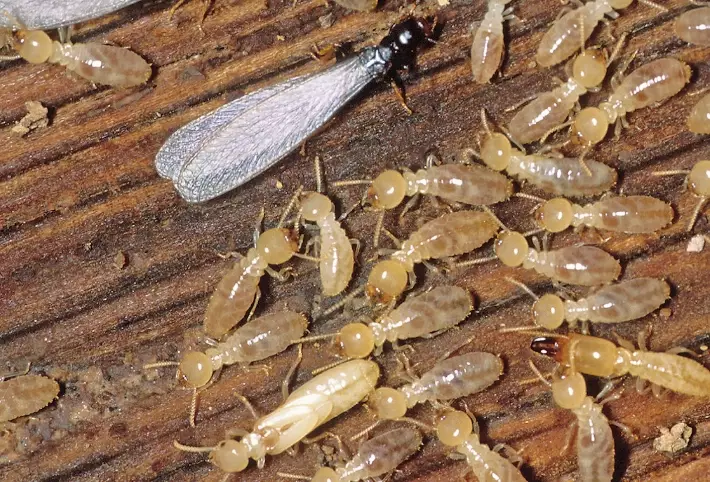
The Top 5 Signs You Might Have a Termite Problem
You don't need to be an entomologist. You just need to know what to look for during your casual walk around the house. Do this seasonally.
- Mud Tubes: This is the big one. Look for thin, muddy tunnels about the width of a pencil running up your foundation walls, in crawl spaces, or along pipes. They are the termites' protected highways. Break one open. If you see small, white, ant-like insects inside, you've got active termites.
- Hollow-Sounding Wood: Tap on wood surfaces—baseboards, window sills, door frames—with a screwdriver handle. Solid wood makes a sharp *thud*. Termite-damaged wood sounds hollow or papery. If the screwdriver easily pokes through, that's a very bad sign.
- Frass: Drywood termites don't like to live in their own waste. They push it out of tiny "kick-out" holes. The piles look like tiny, six-sided granules. It's often mistaken for sawdust or dirt.
- Discarded Wings: In spring or after a rain, reproductive termites (swarmers) fly out to start new colonies. They then shed their wings. Finding piles of identical, small wings near windowsills, doors, or in spider webs is a classic sign a swarm happened nearby.
- Blistered or Darkened Wood: Wood that looks like it has water damage, or paint that appears bubbly, can sometimes mean termites are eating just beneath the surface.
I missed the wings once. A small pile in the corner of a basement window well. I thought they were from flies. Don't be like me.
What to Do If You Suspect Termites: A Step-by-Step Plan
Panic is not a plan. Here’s what you should actually do, in order.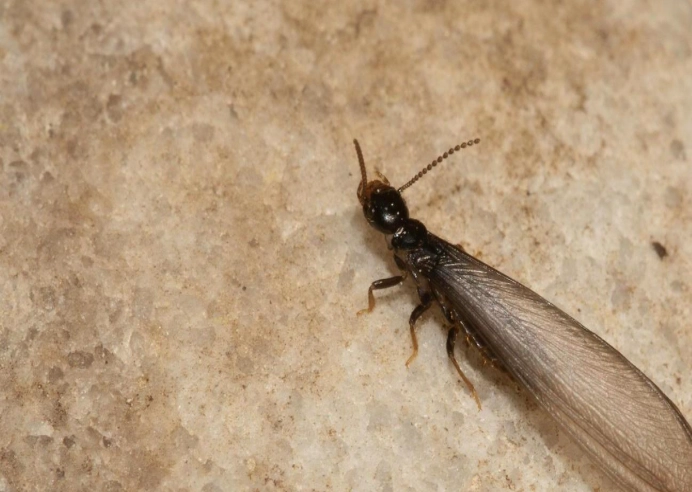
Step 1: Don't Disturb Them. I know the urge is to start ripping open walls or spraying something. Don't. You'll likely cause the colony to scatter and regroup in a harder-to-find location, making the professional's job much harder.
Step 2: Document Everything. Take clear, well-lit photos and videos. Get close-ups of the mud tubes, frass, wings, and any damaged wood. Note the locations. This is crucial for the inspector and for getting accurate quotes.
Step 3: Call Reputable Professionals for Inspections. I recommend getting at least three quotes. Look for companies with certified, licensed inspectors. A good inspector will spend a significant amount of time (an hour or more for an average house), get into your crawl space and attic, and use specialized tools like moisture meters and borescopes.
Pro Tip: Ask if the inspection is free. Most are. But also ask what the inspection includes. Does it cover the entire structure, including the roof line and attached deck? Get it in writing.
Step 4: Understand the Treatment Plan. Don't just accept a price. Have them walk you through the proposed treatment method, why it's right for your situation, the chemical or bait product they'll use, the warranty, and what your responsibilities are (like fixing leaks or removing soil against wood).
Termite Treatment Options: The Good, The Bad, and The Expensive
This is where it gets technical. There are two main philosophies: liquid barrier treatments and baiting systems. They work differently.
Liquid Termiticides (Soil Barriers)
This is the traditional, and still most common, method. A trained technician digs a trench around your home's foundation, injects a liquid termiticide into the soil to create a continuous chemical barrier, and then fills the trench back in. Any termites trying to cross the barrier to get to your house are killed.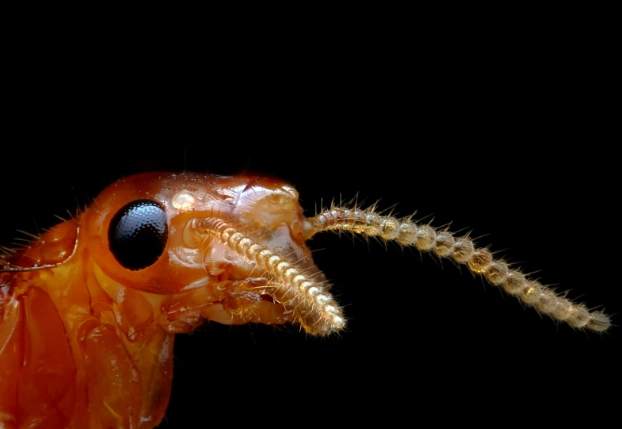
How it works: Modern termiticides are non-repellent. This is key. Old chemicals repelled termites, so they'd just go around. Non-repellent ones are undetectable. Termites pass through the zone, get the product on them, and bring it back to the colony, where it spreads through grooming and feeding (a process called transfer effect).
My take: It's a proven, brute-force method. It provides a relatively quick knock-down of the colony. The downside? It's invasive (they're drilling through your driveway and patio slabs), and the barrier can be compromised if you later dig in the area for landscaping or plumbing.
Baiting Systems
A more modern, strategic approach. Stations containing a wood-like bait are placed in the ground around the perimeter of the home. These are monitored regularly (usually quarterly). When termites are found feeding in a station, the monitoring insert is replaced with a bait tube containing a slow-acting insect growth regulator.
How it works: The termites feed on the bait and share it with the colony. It doesn't kill them immediately. Instead, it disrupts their ability to molt and reproduce. Over several months, the colony collapses from the inside out as it ages and cannot renew itself.
My opinion: I like the reduced chemical use and the ongoing monitoring aspect. It feels more surgical. But it's slower. If you have active damage happening, you might want the faster action of a liquid treatment first, then switch to baiting for long-term protection. It also requires a long-term contract for monitoring, which some people dislike.
"The best treatment is the one that is correctly installed and maintained for your specific home and situation. There's no universal 'best' answer."
What About Fumigation (Tenting)?
This is almost exclusively for severe, widespread drywood termite infestations, especially in warmer states. The entire house is covered with a tent and filled with a lethal gas (like sulfuryl fluoride). It's incredibly effective at killing every single bug in the structure, but it's a major undertaking. You, your pets, and your plants have to vacate for several days.
It's overkill for a subterranean problem and does nothing to protect against future infestations. It's a one-time eradication, not a prevention plan.
Prevention: How to Make Your Home a Fortress Against Termites
Treatment is reactive. Prevention is proactive and way cheaper. Here’s your home maintenance checklist to discourage termites from even considering your property.
- Eliminate Soil-to-Wood Contact: This is rule number one. Any wood part of your structure should be at least 6 inches above the soil. This includes siding, door frames, and porch steps. Termites are amazing, but they can't levitate.
- Fix Moisture Problems: Termites need moisture. Fix leaky faucets, water pipes, and AC units. Ensure your gutters and downspouts are clean and direct water away from the foundation. Improve ventilation in crawl spaces. A dry house is a less inviting house.
- Store Firewood and Lumber Properly: Never stack firewood against your house. Keep it elevated on a rack and at least 20 feet away from the structure. It's basically a termite welcome mat leading right to your door.
- Seal Cracks and Entry Points: Use caulk or concrete filler to seal cracks in your foundation and around utility lines where pipes enter the house. It's a simple barrier.
- Regular Inspections: Make a habit of doing the "signs" check we talked about every spring and fall. Get a professional inspection every few years, or annually if you're in a high-risk area. The Environmental Protection Agency (EPA) has great resources on understanding pesticides used in prevention.
I learned the moisture lesson the expensive way. A slow drip from an outdoor spigot kept the soil near a porch column perpetually damp. Guess what found it?
Termites and Your Wallet: Costs, Insurance, and Real Estate
Let's talk money, because that's the bottom line for most of us.
Treatment Costs: A typical liquid barrier treatment for an average-sized home can range from $1,200 to $2,500. Baiting systems often start with a similar installation fee, plus an annual monitoring fee of $300-$600. Fumigation can cost $3,000 to $8,000 or more, depending on home size. These are ballpark figures; get local quotes.
Repair Costs: This is the wild card. Replacing a few damaged studs might be a few thousand dollars. Replacing major structural supports, subfloors, or roof rafters can easily soar into five figures. Always get a separate quote from a general contractor for the repairs after the termites are gone.
It's considered a maintenance issue. You're expected to prevent it. The only exception might be if the termites cause a collapse and you have a specific "collapse" provision, but that's a legal nightmare. Prevention is your only financial defense.
During a Home Sale: In many states, a formal termite inspection report (often called a WDIR - Wood Destroying Insect Report) is a standard part of a real estate transaction. An active infestation or past damage can derail a sale or lead to costly negotiations. Being proactive with prevention and maintaining treatment warranties is a huge selling point.
Answering Your Burning Questions (FAQ)
Wrapping It Up: Your Action Plan
Look, termites are a fact of life for homeowners in most parts of the world. The goal isn't to live in fear; it's to live with awareness.
Start today. Go outside and do a 15-minute walkaround. Look for mud tubes, check wood-soil contact, and make sure your gutters are clear. Schedule a professional inspection if it's been more than two years or you've never had one. It’s a small investment for immense peace of mind.
Dealing with termites is about protecting more than just wood. It's about protecting your home, your safety, and your financial future. Don't wait for the warning signs to become a crisis. Be the homeowner who catches it early.
Trust me, your wallet will thank you later.
LEAVE A REPLY
Your email address will not be published. Required fields are marked *