In This Guide
Let's be honest, the sight of any wasp-like insect buzzing around the eaves of your house is enough to send most of us into a minor panic. I get it. I used to grab the spray can first and ask questions later. But then I started actually looking at these creatures, specifically the ones building those weird little mud condos on my garage wall. Turns out, I had it all wrong about dirt daubers.
These solitary wasps are some of the most misunderstood visitors in our gardens and homes. They're not out to get you. In fact, they're working for you, in a weird, creepy-crawly kind of way. This guide is what I wish I had when I first saw one—a no-nonsense, deep dive that separates the scary myths from the fascinating facts. We'll cover everything from telling a dirt dauber apart from its more aggressive cousins, to whether you should actually leave that nest alone (spoiler: you probably should).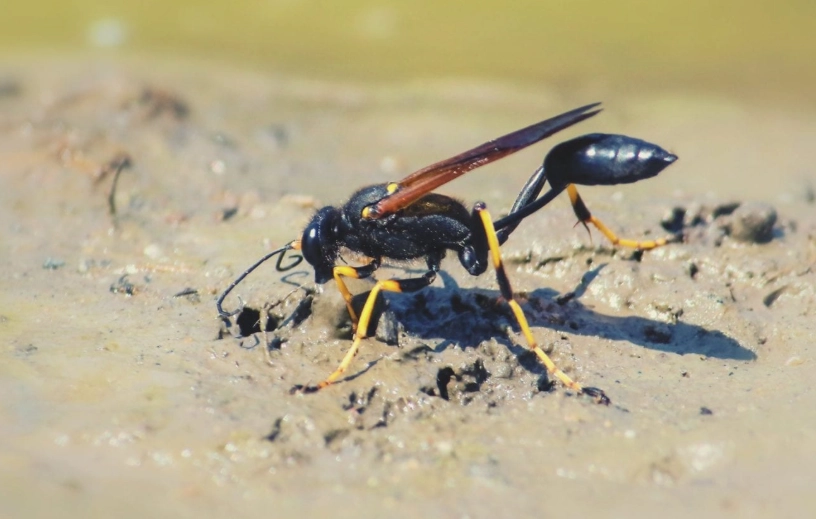
So, What Exactly Is a Dirt Dauber?
First things first, let's clear up the name. "Dirt dauber," "mud dauber," "mud wasp"—they all refer to the same group of solitary wasps from the families Sphecidae and Crabronidae. Unlike the social yellow jackets or paper wasps that form large colonies with a queen, a dirt dauber is a lone operator. Every female is a single mom, working solo to build a nest, hunt for food, and lay eggs.
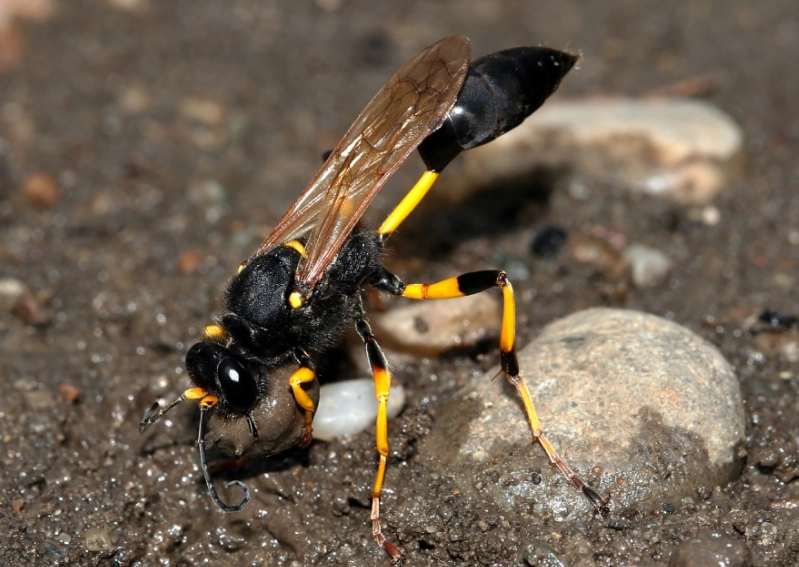
Their signature move? Building nests out of mud. They collect water, mix it with soil or dirt (hence the name), and form it into those distinctive tubular structures you see on walls, in attics, or under bridges. It's pretty incredible craftsmanship for an insect.
Think of them as the master builders and pest controllers of the wasp world.
Dirt Dauber vs. Bee vs. Other Wasps: A Quick Identity Check
Mistaking a dirt dauber for a yellow jacket can lead to unnecessary fear. Here’s how to tell them apart at a glance.
| Feature | Dirt Dauber (Mud Dauber) | Yellow Jacket / Social Wasp | Honey Bee |
|---|---|---|---|
| Body Shape | Extremely thin, thread-like waist (petiole). Long, slender body. | Thick waist. Stockier, more compact body. | Hairy, robust body with a less defined waist. |
| Nest Material & Location | Mud. Tubes or clusters on protected vertical surfaces (walls, ceilings, sheds). | Paper (chewed wood fibers). Often in ground holes, wall voids, or aerial paper nests. | Wax. Hexagonal combs inside cavities (trees, hives, walls). |
| Social Behavior | Solitary. Non-social. One female per nest. Not aggressive. | Highly Social. Large colonies (100s-1000s). Aggressive in defending nest. | Highly Social. Large colonies. Defensive but not typically aggressive unless provoked. |
| Sting Risk | Very low. Rarely sting humans. Must be severely provoked or handled. | High. Will sting repeatedly to defend nest. Can be aggressive. | Moderate. Will sting to defend colony, but dies afterwards. Less aggressive. |
| Diet (Adult) | Nectar, plant sap, honeydew. | Sugars (soda, fruit), proteins (meat, insects). | Nectar and pollen. |
The table makes it pretty clear, doesn't it? That skinny waist is the biggest giveaway. While a yellow jacket's body looks like it's all one piece, a dirt dauber looks like it's barely holding on in the middle. This anatomy is actually key to their hunting style.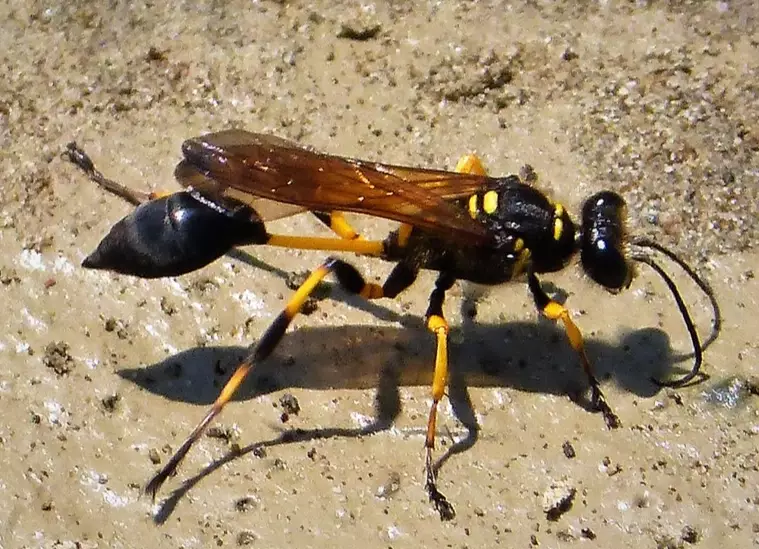
The Life and Times of a Dirt Dauber
Understanding their lifecycle is key to appreciating why they behave the way they do. It's a brutal but efficient cycle, centered entirely on providing for the next generation.
Architects of Mud: Nest Building
The female dirt dauber is a dedicated contractor. She'll fly to a puddle, ditch, or any moist soil, take up a little ball of mud in her jaws, and fly it back to her chosen construction site. Layer by layer, she builds a series of cylindrical cells. Some species, like the Sceliphron caementarium (the black and yellow mud dauber), create those classic clump-like nests of multiple tubes. Others, like the elegant Trypoxylon species (the organ pipe mud dauber), build rows of parallel tubes that really do look like a pipe organ.
The nest isn't just a shelter; it's a larder and a nursery all in one.
The Hunter: Provisioning the Nest
This is where the dirt dauber earns its keep in your garden. Once a mud cell is complete, the hunt begins. And dirt daubers are specialists.
- Black and Yellow Mud Daubers primarily hunt spiders. All kinds of them—orb weavers, jumping spiders, you name it.
- Blue Mud Daubers (a stunning metallic blue-black species) have a particular taste for black widow spiders. Yes, you read that right.
- Other species may specialize in caterpillars or specific insects.
Here's the fascinating and slightly grim part: they don't kill their prey immediately. Using a precision sting, they inject a venom that paralyzes the spider or insect but keeps it alive. This ensures the food source stays fresh for the larva that will hatch from the egg she lays on it.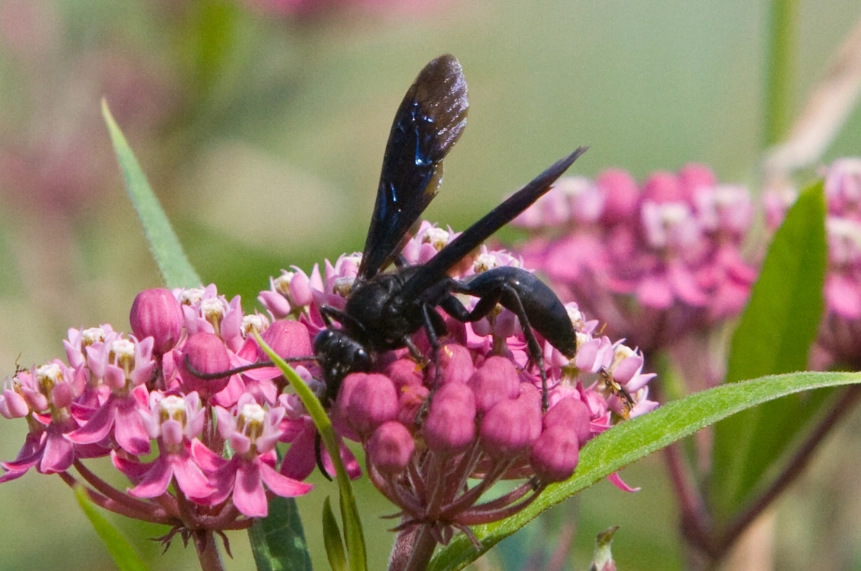
Why Paralyze Instead of Kill?
It's a preservation strategy. A dead spider would quickly rot or be invaded by mold and bacteria, killing the wasp larva. A paralyzed spider remains fresh, providing a live—albeit horrifying—meal for the growing wasp grub. It's nature's version of refrigeration.
The female stuffs several paralyzed spiders into a single cell, lays a single egg on the last one, and then seals the cell with more mud. She'll repeat this process until she's built and provisioned a series of cells. Then, her job is done. She doesn't stick around to raise the young. The adult dirt dauber you see flying around is likely just sipping nectar from flowers, living out its relatively short adult life.
From Pupa to Adult
Inside the sealed mud cell, the egg hatches into a larva, which feasts on the stored, paralyzed prey. Once it's eaten all the food, it spins a cocoon and pupates. It will overwinter in this pupal stage, safe inside its hardened mud fortress, and emerge as a new adult wasp the following spring or summer. It chews its way out of the cell, and the cycle begins anew.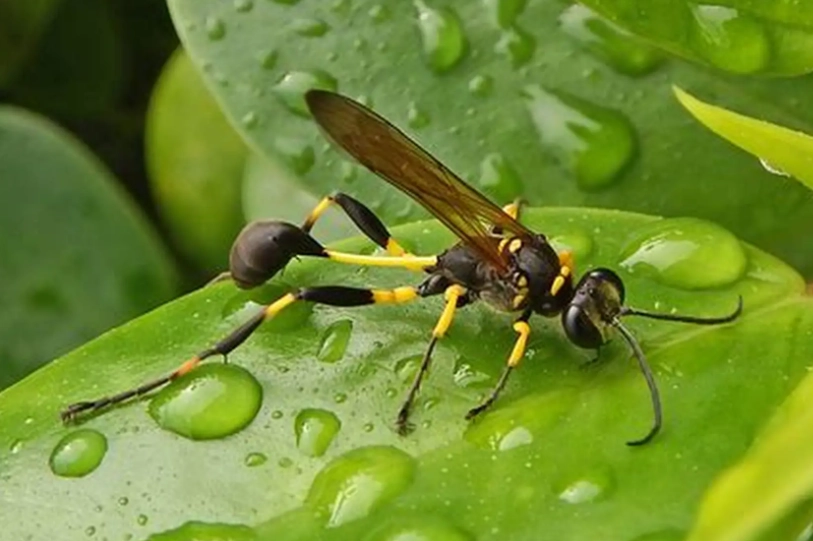
The Unsung Garden Benefit
Let's connect the dots. A single dirt dauber nest might contain dozens of paralyzed spiders. These are spiders that would otherwise be in your garden, shed, or potentially your basement. By preying on spiders (including medically significant ones like black widows, as noted in research from the USDA Forest Service), dirt daubers act as a natural, chemical-free form of pest control. They're working the night shift for free.
Should You Be Worried? Dirt Daubers and Humans
This is the million-dollar question. The short answer is: not really. But let's break down the real concerns versus the perceived ones.
The Sting: Rare and Uninterested
Dirt daubers possess a stinger, but it's reserved for subduing prey. They have zero interest in stinging you. I've watched them build nests within a few feet of where I was working, and they just went about their business. To get stung, you'd basically have to grab one and squeeze it. Even then, their venom is mild compared to social wasps. For most people, it results in temporary, minor pain and swelling—more like a mild bee sting.
The real risk of a severe allergic reaction (anaphylaxis) is extremely low, but as with any insect sting, it's not impossible. If you have known severe allergies to bee or wasp stings, always exercise caution around any stinging insect.
The Nuisance Factor: Mud and Clogged Equipment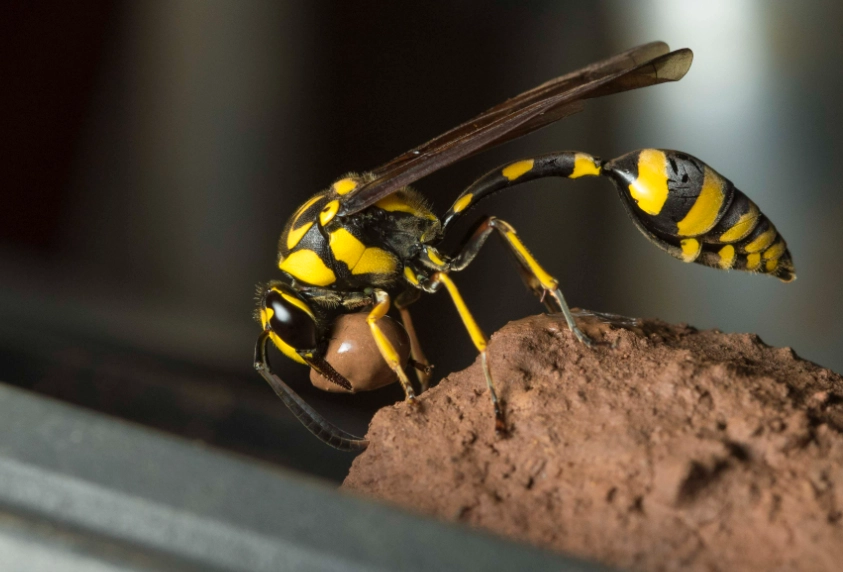
Okay, here's where I'll give you a legitimate gripe. Dirt daubers can be a nuisance. Their mud nests aren't exactly aesthetically pleasing on your white window frame or freshly painted siding. More practically, they love to build in small, dark openings.
This can lead to real problems:
- Clogged Machinery: They are notorious for building in the nozzles of gas pumps, electrical boxes, and—most critically—inside the critical air intake tubes of things like propane regulators and outdoor appliance vents. This can cause dangerous malfunctions.
- Wall Stains: Abandoned nests can leave unsightly mud stains.
- Secondary Infestations: Old, abandoned dirt dauber nests are prime real estate for other insects, like carpet beetles or other small pests, looking for a cozy home.
So, the worry isn't about being attacked. It's about potential property damage or malfunction.
To Remove or Not to Remove? A Practical Guide
Given their benefits and low threat level, the best approach is often tolerance. If the nest is out of the way and not causing a problem, leave it be. You've got a free spider patrol on duty.
But what if it's in a bad spot? Here's a tiered approach.
Step 1: Prevention (The Best Medicine)
Make your property less appealing. Since they need mud and protected sites, you can:
- Eliminate Mud Sources: Fix leaky outdoor faucets and downspouts. Fill in low, muddy spots in your yard.
- Seal Entry Points: Use caulk or sealant to close up cracks, gaps, and holes in your home's siding, around windows, and under eaves where they might start building.
- Use Physical Barriers: Fine mesh screens over vents, grills, and other openings can block access to prime nesting cavities.
Step 2: Non-Lethal Removal of Active Nests
If you need a nest gone, wait until evening or early morning when the adult wasp is less active or inside the nest. Then:
- Wear gloves and eye protection (just to be safe).
- Use a putty knife or flat tool to gently scrape the mud nest off the surface into a bag or container.
- Seal the bag and dispose of it in the trash.
Often, the female will simply start building elsewhere. You haven't necessarily killed her. If the nest is sealed, it contains developing young. Removing it then stops that cycle.
Avoid the Spray (Seriously)
I'm not a fan of reaching for pesticide sprays for dirt daubers. It's overkill. The spray is often more toxic to you, your pets, and beneficial insects than the wasp is. It also leaves a residue that other, less desirable pests might not mind. Physical removal is safer and more targeted.
Step 3: Dealing with Abandoned Nests
At the end of the season, you'll see old, vacant nests. These are safe to remove anytime. Scrape them off and clean the area with soap and water to remove mud stains and any pheromone markers that might attract other wasps (though this is more important for social wasps).
Your Dirt Dauber Questions, Answered
I've gotten a lot of questions from friends and neighbors over the years. Here are the most common ones.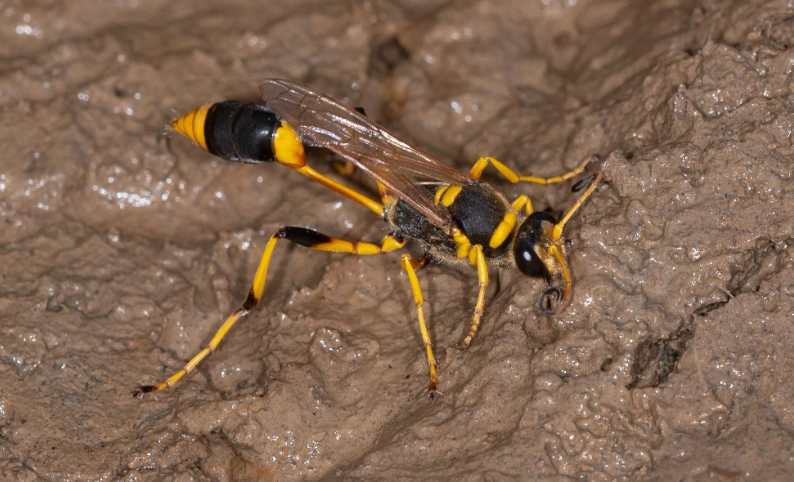
Final Verdict: Coexist When You Can
After years of observing them, my stance on dirt daubers has completely flipped. I now see them as fascinating allies. That thin-waisted wasp buzzing around your garden is a master hunter, a dedicated parent, and a natural regulator of spider and insect populations.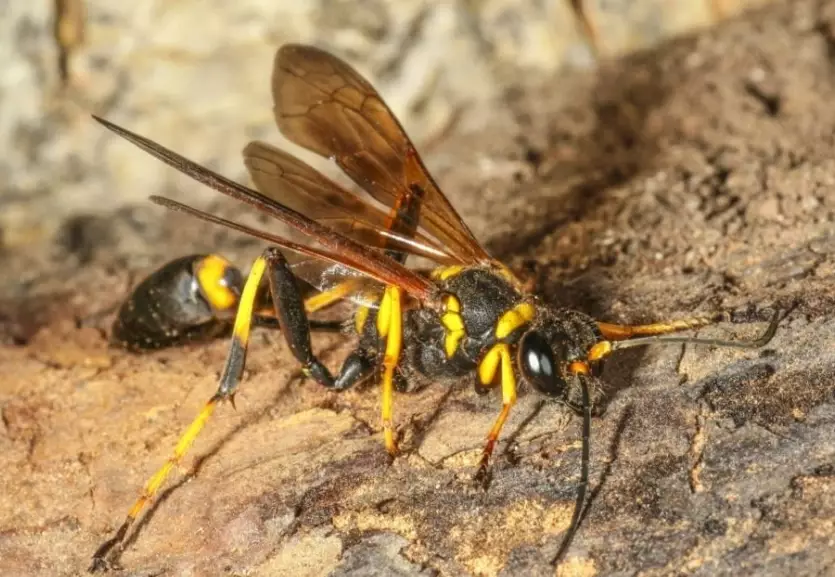
The key takeaway is this: their behavior is driven by provisioning their young, not by defending a colony or seeking out humans. This fundamental difference makes them one of the most benign wasps you'll encounter.
So next time you see that little mud apartment complex under your eave, take a moment. Watch the architect at work. You're witnessing an ancient, efficient, and brutal form of natural pest control. Unless it's in a truly problematic location—like the gas grill line—consider letting it be. You might just be fostering a healthier, more balanced backyard ecosystem, one paralyzed spider at a time.
Sometimes, the best pest control doesn't come from a can. It comes from understanding.
LEAVE A REPLY
Your email address will not be published. Required fields are marked *