In This Guide
- What Exactly Are You Swatting At? A Fly Identification Primer
- Why Are Flies So... Successful? (And Annoying)
- The Real-World Guide to Getting Rid of Flies (What Actually Works)
- Flies in the Bigger Picture: Are They All Bad?
- Questions I Get Asked All the Time About Flies
- Wrapping It Up: A Smarter Way to Coexist
Let's be honest, nothing ruins a perfectly good afternoon like the persistent, buzzing dive-bombing of a house fly. You know the one. It lands on the edge of your glass, does that weird little leg-rub thing, and then just... stares. But here's the thing I've learned after years of battling them in my old apartment (which, I swear, was built on a former compost heap): most of us are fighting them all wrong. We swat, we spray, we hang up those sad sticky strips, but the flies just keep coming back. Why is that?
It's because we're treating the symptom, not the cause. To really get rid of flies, you need to understand them. And I don't mean just knowing they're gross. I mean knowing what kind of fly you're dealing with, what it wants, where it's breeding, and why it chose your kitchen over your neighbor's. This isn't just about pest control; it's a bit of detective work. And trust me, once you start thinking like a fly, winning the war gets a whole lot easier.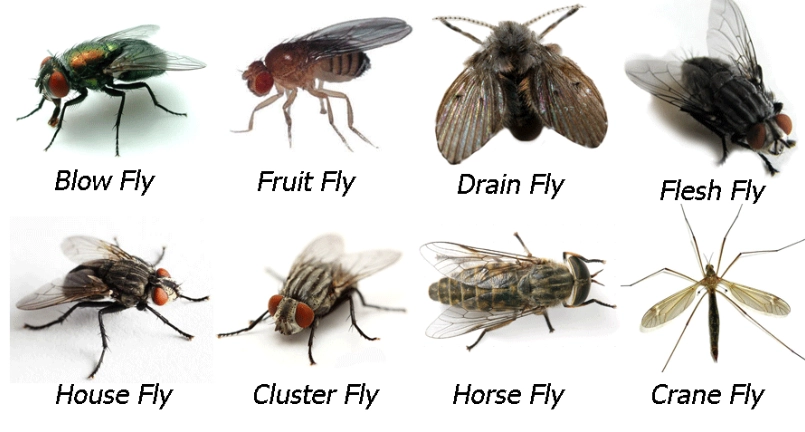
What Exactly Are You Swatting At? A Fly Identification Primer
Not all flies are created equal. Calling every buzzing insect a "house fly" is like calling every four-legged animal a "dog." The strategy that works for a fruit fly will do precisely nothing for a cluster fly. So, let's break down the usual suspects. I've put together a table based on my own frustrating experiences and a ton of reading from places like the University of Kentucky's Department of Entomology, which has some of the clearest bug info out there.
| Type of Fly | What They Look Like | Where They Breed & What They Eat | Why They're in Your Space |
|---|---|---|---|
| House Fly (Musca domestica) | The classic. Grey, about 1/4 inch long, with four dark stripes on the thorax. Reddish eyes. | Breeding: Moist, decaying organic matter. Think garbage, animal feces, compost piles that are too wet. Food: Literally anything. They liquefy food with saliva and suck it up. They love pet food, food scraps, spills. | You have an accessible food or moisture source. An unemptied kitchen bin is a five-star hotel for them. |
| Fruit Fly (Drosophila) | Tiny (1/8 inch), tan or brownish, often with bright red eyes. They hover in slow, loopy circles. | Breeding: Fermenting fruits and vegetables, but also drains, mops, and recycling bins with residue. Food: Yeast and sugars from fermentation. A single overripe banana can start an empire. | Overripe produce on the counter, a damp mop head in the corner, or a slightly funky kitchen drain. |
| Drain Fly (a.k.a. Moth Fly) | Small, fuzzy, with moth-like wings they hold roof-like over their body. They look like tiny grey moths. | Breeding: The gelatinous gunk (biofilm) inside sink, shower, and floor drains. Food: The organic matter in that same slime. They rarely leave the drain area. | Organic buildup in your pipes. Pouring bleach down there might kill adults, but the larvae are protected in the gunk. |
| Cluster Fly | Larger, darker, and slower than house flies. They have golden hairs on their thorax and a sluggish flight. | Breeding: In soil, where their larvae parasitize earthworms. Food: They don't breed or feed indoors. They're just looking for a cozy spot to overwinter. | They're seeking warmth in late fall, squeezing into attics and wall voids through tiny cracks. They're hibernators, not feeders, inside your home. |
See the pattern? Each fly has a specific "why." Fruit flies aren't interested in your trash if there's a fermenting onion in the pantry. Drain flies couldn't care less about your fruit bowl. So, the first step to getting rid of flies is playing match-the-fly. Look at it closely (as gross as that feels) before you declare war.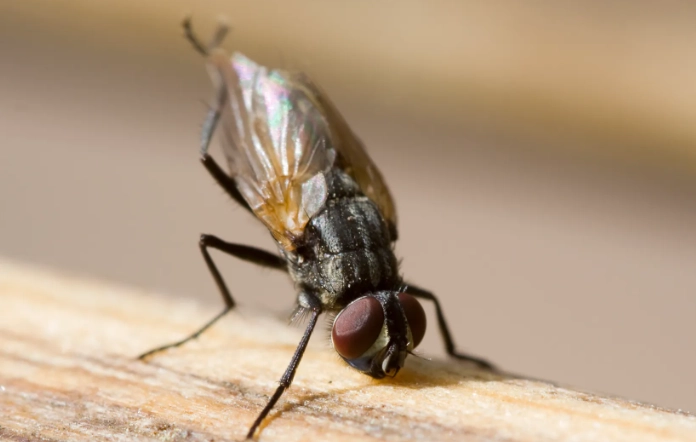
Why Are Flies So... Successful? (And Annoying)
Ever wonder how flies seem to evade your swatter with ninja-like reflexes? It's not your imagination. Their entire biology is built for survival in our messy human world. Let's get into the icky details, because it's fascinating in a horrifying way.
The Disgusting, Genius Design of a Fly
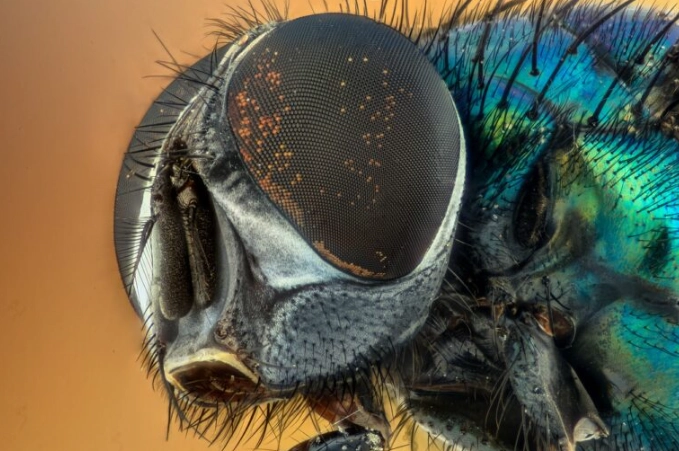
Flies don't have teeth. Instead, they have a sponging mouthpart. They vomit a cocktail of digestive enzymes and saliva onto your food to turn it into a liquid soup, which they then suck back up. So that fly on your burger? It's essentially pre-chewing and spitting on it. Lovely.
Their feet are another masterpiece of gross adaptation. They're covered in sticky pads and tiny hairs that allow them to walk on virtually any surface—ceilings, windows, your sandwich. That "leg-rub" behavior you always see? They're actually cleaning those sensory organs, scraping off grime so they can continue to taste and smell the world. The Centers for Disease Control and Prevention (CDC) doesn't mince words about this: because of their feeding and breeding habits, flies can mechanically transmit over 65 diseases to humans, including typhoid, cholera, and dysentery. They pick up pathogens from garbage or feces on their bodies and feet and deposit them right onto your food.
My personal rule: If a fly has landed on something, that spot is now contaminated. I cut it off or throw it out. It might seem wasteful, but after reading the CDC reports on fly-borne pathogens, I don't take chances with food safety.
Their Reproductive Rate is Bonkers
This is the core of any infestation problem. A single female house fly can lay up to 500 eggs in her short lifetime. Those eggs can hatch into maggots within 24 hours in warm conditions. The maggots feed for a few days, pupate, and emerge as full-grown, breeding adults in as little as a week. You do the math. One overlooked trash bag in summer can lead to hundreds of new flies in your home before you even realize there's a problem. They're not just visiting; they're trying to set up a generational dynasty in your kitchen.
The Real-World Guide to Getting Rid of Flies (What Actually Works)
Okay, enough biology. Let's talk action. Over the years, I've tried everything from high-tech gadgets to old wives' tales. Here’s what I’ve found actually moves the needle, sorted by the type of problem. Spoiler: the fancy electronic fly zapper I bought was mostly just a noisy night light that occasionally fried a moth.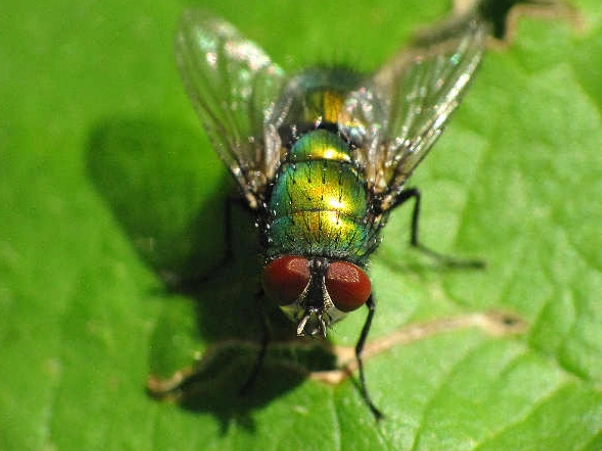
Step 1: Sanitation is Non-Negotiable (The Boring Truth)
You can't out-trap a breeding population. All the fly paper in the world is useless if new flies are emerging every day from a hidden source. This is the foundational step everyone wants to skip, but it's everything.
- Take out the trash. Every. Single. Day. In hot weather, even twice a day. Use bins with tight-fitting lids.
- Store produce in the fridge. That bowl of fruit on the counter is a fruit fly nursery. If you must keep it out, eat it quickly and inspect it daily.
- Clean up pet food and waste immediately. Don't leave kibble bowls out all day. Scoop litter boxes and clean pet areas frequently.
- Check hidden spots: Under appliances for spilled food, under sink cabinets for leaks, and even in recycling bins (rinse cans and bottles).
A quick test for fruit fly sources: Place a piece of plastic wrap tightly over a suspect bowl of fruit or a drain. Poke a few tiny holes in it. If flies are breeding there, you'll see them congregating on the plastic in a few hours, trying to get to their home.
Step 2: Targeted Trapping and Exclusion
Once you've cut off the breeding supply (or while you're hunting for it), traps help reduce the adult population. Different flies need different traps.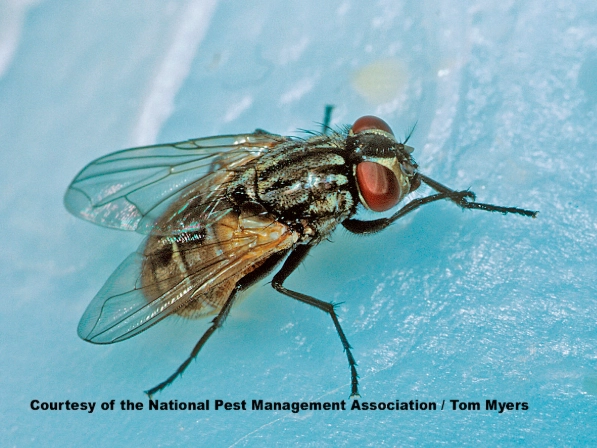
For Fruit Flies: The homemade vinegar trap is king. Take a small jar, put an inch of apple cider vinegar inside, add a drop of dish soap (to break the surface tension), and cover the top with plastic wrap secured with a rubber band. Poke a few small holes in the wrap. Flies go in for the vinegar and can't get out. It's cheap, effective, and weirdly satisfying to see them collect. Commercial versions work on the same principle.
For House Flies: Sticky ribbons or fly paper placed strategically near doors or in problem areas can catch a lot. They're ugly, but they work. For outdoor areas, baited traps that use a stinky attractant can draw flies away from your living space. Place them at the perimeter of your yard, not on your patio.
For Drain Flies: Pouring boiling water down the drain is a temporary fix. To really solve it, you need to physically remove the biofilm. Use a stiff, long-bristled brush to scrub the inside of the drain pipe. Follow up with an enzymatic drain cleaner (not a harsh chemical one, which can damage pipes) that eats the organic gunk. Do this weekly for a month to break the life cycle.
Exclusion is Critical: Install fine-mesh screens on all windows and doors. Check for gaps around utility lines, vents, and eaves, especially in the fall to keep cluster flies out. A fly can fit through a crack the width of a pencil tip.
Step 3: When to Consider Professional Help
I'm a big DIYer, but sometimes you need to call in the cavalry. If you have a persistent infestation that sanitation and traps aren't putting a dent in, you might have a hidden breeding source you can't access. This could be a dead rodent in a wall void, a broken sewer line under the house, or a massive compost pile from a neighbor. Professionals have the tools and inspection knowledge to find these sources. They can also apply targeted, longer-lasting insecticides in safe, strategic ways (like as a residual barrier around exterior entry points) that are more effective and safer than store-bought bug bombs, which I generally think are a terrible idea—they just drive pests deeper into your walls.
Looking for reputable advice on larger-scale or agricultural fly control? The Environmental Protection Agency (EPA) regulates pesticides and has guides on integrated pest management (IPM), which is the gold-standard, holistic approach professionals use. It's all about prevention first, then targeted control.
Flies in the Bigger Picture: Are They All Bad?
This is where it gets complicated. As much as I hate them in my house, flies play massive, crucial roles in the ecosystem. It's worth taking a step back to appreciate that.
Many flies are champion pollinators, especially for plants that aren't attractive to bees. Think of the flowers that smell like rotting meat—they're evolved for fly pollination. More importantly, flies are nature's premier cleanup crew. Blow flies and other scavengers are often the first to arrive at decaying matter. Their maggots break down dead animals and plants at an incredible rate, recycling nutrients back into the soil. Without flies and other decomposers, we'd be buried in waste.
They're also a key part of the food web. Countless birds, bats, frogs, and spiders rely on flies as a primary food source. So when we talk about controlling flies, we're really talking about managing their presence in our human spaces. The goal isn't to eradicate them from the planet (an impossible and ecologically disastrous task), but to create a boundary they don't want to cross.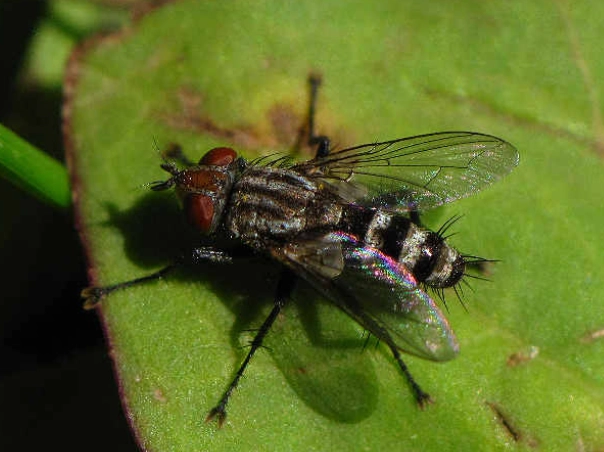
Questions I Get Asked All the Time About Flies
Over the years, friends and family have asked me every fly question imaginable. Here are the big ones.
Wrapping It Up: A Smarter Way to Coexist
Look, I'm never going to like flies. That constant buzz still sets my teeth on edge. But my relationship with them has changed. I don't see them as an unbeatable plague anymore. I see them as a signal. A single fruit fly is a warning to check the potatoes in the pantry. A few house flies mean the back door screen might have a tear.
The battle against flies is won through relentless cleanliness and smart, targeted defense, not grand gestures of chemical warfare. It's about denying them what they need: a place to breed and easy food. It's less exciting than zapping them with electricity, but it's the only thing that provides lasting peace.
So next time you see a fly, don't just grab the swatter. Take a second. Figure out what kind of fly it is. Ask yourself, "What brought you here?" The answer to that question is your first and most powerful step toward a fly-free home. Good luck out there.
LEAVE A REPLY
Your email address will not be published. Required fields are marked *