Quick Guide
Let's be honest for a second. Nothing ruins a peaceful evening faster than flicking on the kitchen light and seeing a giant, reddish-brown insect dart under your refrigerator. Your heart skips a beat. You might let out a little yelp. Is it a water bug? A palmetto bug? Nope. Chances are, you've just had a close encounter with Periplaneta americana – the American cockroach. And despite its name, this pest is a worldwide traveler and a notorious home invader.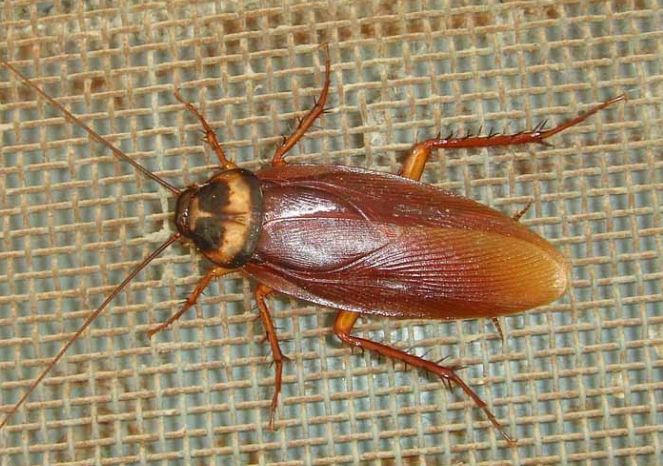
I remember the first time I saw one in a rental apartment years ago. I thought it was a small mouse from the corner of my eye. The sheer size is shocking if you're not prepared. That experience sent me down a rabbit hole of research, and let me tell you, what I learned was equal parts fascinating and utterly disgusting.
This guide isn't just a dry list of facts. It's the culmination of that research, conversations with exterminators, and hard-learned lessons. We're going to move past the basic "they're gross" stage and into the practical knowledge you need to identify them, understand why they're in your space, and most importantly, get them out and keep them out for good. Forget the scare tactics and overpriced gadget ads. This is about effective, science-backed strategies.
Before we dive in, a quick reality check: American cockroaches are more than just a nuisance. They are legitimate public health concerns. They crawl through sewers, drains, and decaying matter, then track those contaminants onto your countertops, dishes, and food. Ignoring a problem rarely makes it go away—it usually lets it grow.
Is That Really an American Cockroach? Spotting the Difference
Misidentification is a common first mistake. People call them "water bugs" or mix them up with other roach species, which can lead to using the wrong control methods. So, let's get your detective skills sharp.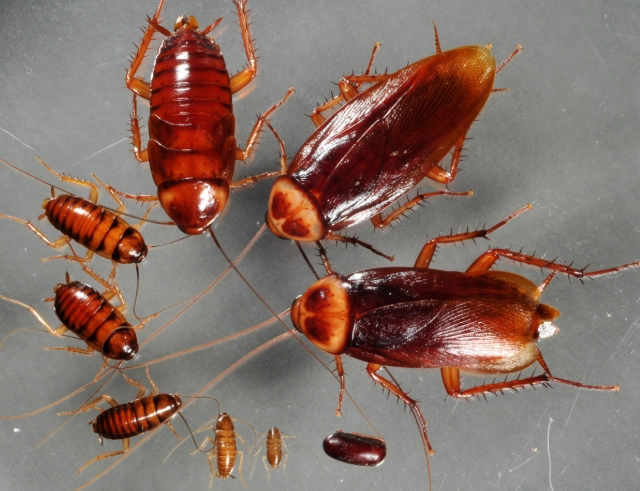
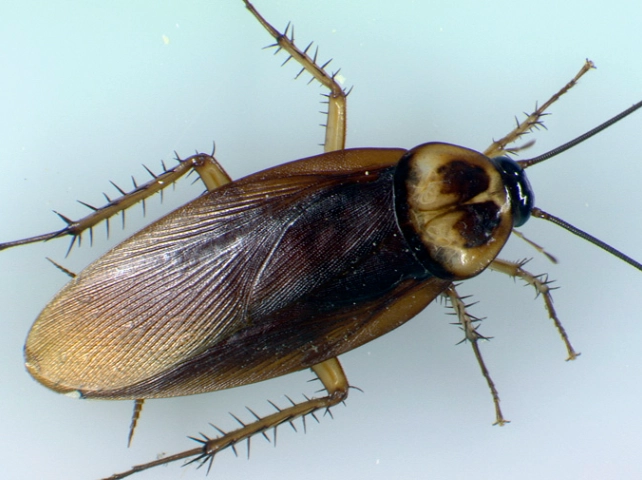
The adult American cockroach is one of the largest species that invades homes. We're talking 1.5 to 2 inches long, sometimes even bigger. The color is a distinctive, glossy reddish-brown or mahogany. Look for a yellowish figure-8 pattern on the back of its head, right behind the pronotum (that shield-like plate). It's their signature mark.
Both males and females have wings that extend past their abdomen. And yes, they can fly, especially in warm weather. It's as terrifying as it sounds, but they're more likely to use those wings for gliding from a high point rather than sustained flight like a housefly.
Now, the juveniles, called nymphs, look completely different. They start off small, wingless, and are a grayish-brown color. As they grow and molt (shed their skin), they gradually develop the reddish hue and wing pads. Finding these shed skins is a major red flag for an active infestation.
Quick Comparison: The German cockroach (the smaller, tan one with two dark stripes) is the most common indoor cockroach. The American cockroach is larger, prefers damp areas like basements and sewers, and is more often a "occasional invader" from outdoors, though it can happily set up shop inside if conditions are right.
Where Do They Love to Hide?
These guys are thigmotropic – they love feeling surfaces on the top and bottom of their bodies. Think tight, dark, and damp. You won't usually find them marching across your open living room floor in daylight. Their favorite hangouts include:
- Basements, Crawl Spaces, and Floor Drains: Prime real estate. The dampness and darkness are perfect.
- Utility Rooms & Behind Appliances: The warmth and moisture from water heaters, washing machines, and furnaces are a big draw.
- Bathrooms & Kitchen Plumbing: Anywhere pipes enter walls or under sinks. They can use sewer pipes as a highway system.
- Mulch Beds & Foundation Landscaping: Outside, they live in moist leaf litter, under mulch, and in hollow trees. From there, it's a short crawl through a crack or gap into your basement.
So, if you're seeing one out in the open, especially during the day, it often means their hiding spot has been disturbed or the population is getting too large for the harborage area. One visible roach can mean dozens, or even hundreds, hidden away.
The Lifecycle of a Pest: How Fast Can They Multiply?
Understanding their life cycle is key to breaking it. An adult female American cockroach produces a dark brown, pill-shaped egg case called an ootheca. She carries it for a day or two, then usually glues it to a hidden, protected surface near a food source.
Here's the concerning part: each ootheca contains about 14-16 eggs. A single female can produce one ootheca per week for about ten months. Do the math – that's a potential for hundreds of offspring from one roach. The eggs hatch in about 6-8 weeks, and the nymphs take anywhere from 6 months to over a year to mature, depending on temperature and food availability. In a warm, humid home, that process speeds up significantly.
The long nymph stage is actually a vulnerability we can exploit. They're growing, feeding, and molting frequently during this time, which increases their chances of encountering our control measures.
Why You Should Be Concerned: Health Risks and Damage
Beyond the "ick" factor, there are concrete reasons to take an American cockroach sighting seriously.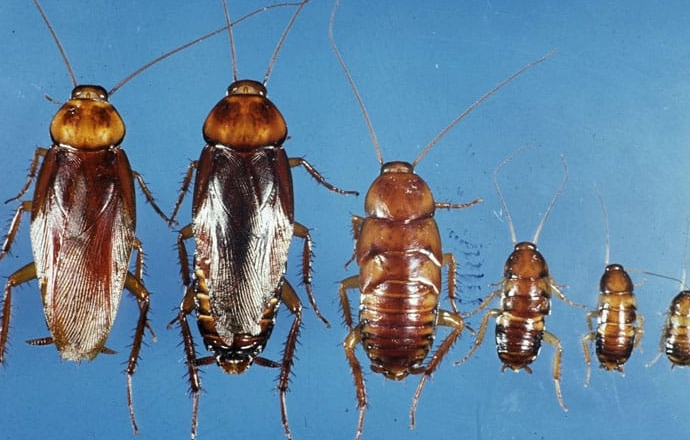
Disease and Contamination
They are mechanical vectors. This means they don't inject diseases like a mosquito, but they pick up germs on their spiny legs and bodies from filthy environments and deposit them wherever they walk. Studies have linked them to the spread of bacteria like Salmonella, E. coli, and others that cause food poisoning. They can also carry parasitic worms.
Allergies and Asthma
This is a huge, often overlooked issue. Cockroach shed skins, saliva, and droppings break down into fine particles that become part of household dust. For many people, especially children, these are potent allergens. The Centers for Disease Control and Prevention (CDC) explicitly lists cockroaches as a common trigger for asthma attacks and allergic reactions. If someone in your home has unexplained respiratory issues, pests could be a contributing factor.
Physical Damage
They'll eat almost anything organic. While they prefer decaying matter and starches, they have been known to damage book bindings, manuscripts, wallpaper glue, and even certain fabrics. It's not their primary modus operandi like it is for termites or clothes moths, but it happens.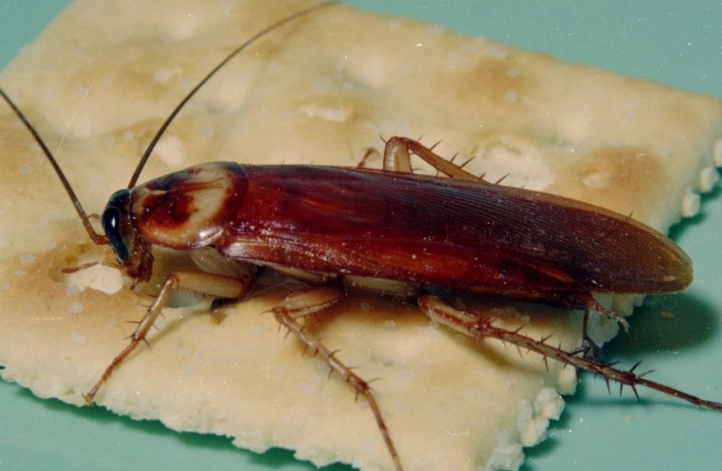
Mythbuster Corner
Myth: A clean home won't get cockroaches.
Truth: While cleanliness is a critical preventive measure, even spotless homes can get American cockroaches. They are often brought in via cardboard boxes, grocery bags, or sewer/drain connections, or they simply wander in from the yard seeking moisture. A clean home makes survival harder for them, but it's not an impenetrable force field. The goal is to make your home inhospitable, not just clean.
Your Action Plan: Prevention, Control, and Elimination
Okay, enough about the problem. Let's talk solutions. Effective roach control isn't about one magic spray. It's a multi-pronged strategy often called Integrated Pest Management (IPM). IPM focuses on long-term prevention using a combination of common-sense practices. Think of it as making your home a fortress they can't enter, survive in, or reproduce in.
Step 1: Inspection and Exclusion (Stop Them From Getting In)
This is the most important and most neglected step. You have to find and seal their highways.
- Seal Cracks and Gaps: Use caulk, steel wool, or foam sealant to plug gaps around pipes, conduits, and cables where they enter walls, especially in basements and utility areas.
- Door Sweeps and Weatherstripping: Install tight-fitting sweeps on exterior doors and garage doors.
- Repair Screens: Make sure window and vent screens are intact.
- Mind the Drains: Floor drains, especially in basements and laundry rooms, should have working drain traps or be fitted with fine mesh screens. A dry drain trap is an open door from the sewer.
- Landscaping: Keep mulch, leaf litter, and woodpiles away from your home's foundation. Trim back vegetation that touches the house.
Step 2: Sanitation and Habitat Modification (Remove Their Reasons to Stay)
Take away their food, water, and shelter. Without these, even if a few get in, they can't establish a colony.
- Fix Leaks: Dripping faucets, leaking pipes, and condensation are water sources. Fix them. Use a dehumidifier in damp basements.
- Store Food Securely: Keep food in sealed glass or plastic containers. Don't leave pet food out overnight. Wipe down counters and stovetops daily.
- Manage Trash: Use trash cans with tight-fitting lids, and take the garbage out regularly.
- Declutter: Reduce cardboard boxes (which they love to hide in) and piles of newspaper or magazines, especially in storage areas.
Step 3: Direct Control Methods (Eliminate the Current Population)
When you have an active infestation, you need to attack it directly. Here’s a breakdown of common options and their pros/cons.
| Method | How It Works | Best For / Pros | Limitations / Cons |
|---|---|---|---|
| Gel Baits | Insecticide mixed with an attractive food. Roaches eat it, return to harborages, and die. Others then eat the poisoned feces/carcasses, causing a secondary kill. | Highly effective for indoor infestations. Low odor, precise application, delayed action allows spread. | Can lose effectiveness if roaches develop resistance. Must be placed in many small dabs near harborage areas, not out in the open. |
| Insect Growth Regulators (IGRs) | Hormone disruptors that prevent nymphs from maturing or cause sterile egg cases. They don't kill adults quickly. | Excellent for long-term population collapse. Breaks the reproductive cycle. Often mixed with baits. | Slow acting. Does not kill existing adults. Must be used in combination with other methods for immediate relief. |
| Residual Spray Insecticides | Liquid sprayed into cracks, crevices, and baseboards where roaches travel. Kills on contact and leaves a lasting residue. | Good for creating a chemical barrier. Can reach into voids. | Odor, potential for overuse. Roaches may avoid treated areas. Less effective than baits for colony elimination. |
| Dust Insecticides (e.g., Diatomaceous Earth, Boric Acid) | Fine powders that damage the roach's waxy exoskeleton, causing dehydration (DE) or act as a stomach poison (Boric Acid). | Long-lasting in dry areas. Good for wall voids, electrical outlets, and attics. Boric acid is very low toxicity to mammals. | Must be applied as a light, barely visible dust. Heavy application causes avoidance. Ineffective in damp areas. |
| Professional Extermination | Licensed pest control professionals (PMPs) conduct a thorough inspection and use a combination of methods, often with commercial-grade products not available to the public. | Expert knowledge, access to better tools, comprehensive strategy, and follow-up. Best for severe or recurring infestations. | Cost. Requires you to grant access and possibly prepare the home (moving appliances, etc.). |
My Personal Take on DIY vs. Pro: For a single, occasional American cockroach, a thorough cleaning and sealing campaign plus some strategic gel bait might do the trick. But if you're seeing them regularly, especially nymphs of different sizes, you likely have an established breeding population. In that case, calling a pro can save you months of frustration and money wasted on ineffective store-bought bombs and sprays. A good pro will focus on the exterior and perimeter, not just spraying inside.
One product I'm personally skeptical of? Ultrasonic repellers. I've never seen convincing, independent scientific evidence that they work for driving established roaches out of a home. They seem like a modern-day snake oil, preying on our desire for a simple, plug-in solution. Pest control requires active effort.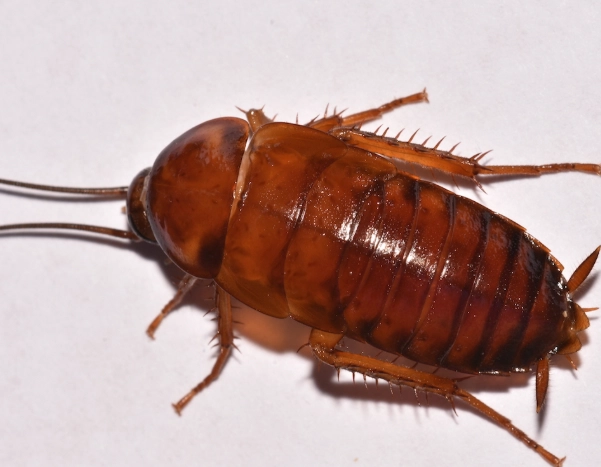
Answers to Your Burning Questions (FAQ)
Wrapping It Up: A Realistic Mindset
Dealing with American cockroaches is undeniably stressful. They trigger a deep-seated disgust in most of us. But by shifting your mindset from panic to strategy, you can take back control.
Remember the core principles: Seal them out, dry them out, starve them out. Focus on exclusion and sanitation first—these are permanent solutions. Use targeted control methods like gel baits and IGRs as your tactical weapons against an existing force.
For the most reliable, science-based information on pest control methods and safety, always refer to authoritative sources like your local Cooperative Extension Service (search for "[Your State] Extension pest control") or the EPA's pest control resources. These sites are free from product bias and give you the facts.
It might take a few weeks of consistent effort. You might need to call in reinforcements (a reputable pest control company). But you can get rid of American cockroaches. Your home can be pest-free. It just requires understanding your adversary and being more persistent than they are.
Good luck. You've got this.
LEAVE A REPLY
Your email address will not be published. Required fields are marked *