Inside This Guide
- What Are Cave Crickets, Really?
- Are Cave Crickets Dangerous? Let's Separate Fact from Fear
- Cave Cricket vs. The Usual Suspects: A Quick ID Guide
- Why Are They in MY House? The Attraction Factors
- How to Get Rid of Cave Crickets: A Practical, Step-by-Step Plan
- Your Cave Cricket Questions, Answered
- Final Thoughts: Living Cricket-Free
Let's be honest. The first time you see one, you might let out a little yelp. There's something deeply unsettling about a cave cricket. It's not quite a spider, not quite a cricket, and it seems to have a talent for appearing in the worst possible places—like right next to your foot in a dark basement corner, or worse, launching itself vaguely in your direction with that weird, jerky hop.
I remember the first time I encountered one in my own laundry room. I thought a small, alien spider was trying to invade. After the initial shock wore off, I spent way too much time figuring out what it was and what to do about it. Turns out, I'm not alone. These little guys freak out a lot of homeowners.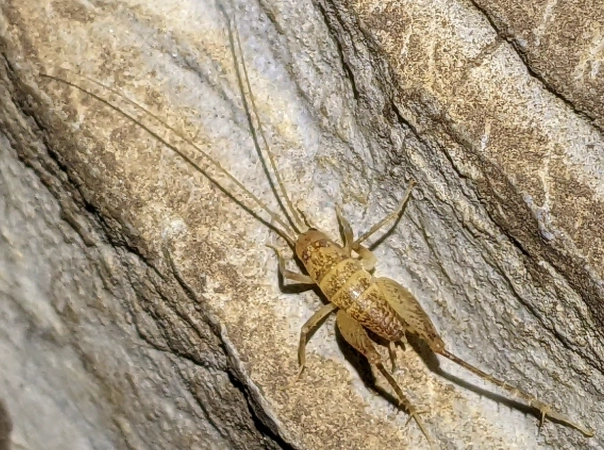
So, what exactly are you dealing with?
What Are Cave Crickets, Really?
First things first, let's clear up the name game. You might hear them called cave crickets, spider crickets, camel crickets, or sprickets (a charming blend of spider and cricket). Scientifically, they're often from the family Rhaphidophoridae. Unlike the cheerful chirping field crickets, these guys are silent, which somehow makes them creepier.
Their whole vibe is "moisture-loving cave-dweller." In the wild, you'd find them in cool, damp, dark places like—you guessed it—caves, but also under logs, stones, and in thick leaf litter. The problem for us is that our basements, crawl spaces, garages, and utility rooms are basically five-star cave cricket resorts. All the damp darkness they could ever want, with none of the predators.
Key Takeaway: Cave crickets are not true crickets in the sense of making noise or eating your crops. They're scavengers that thrive in the exact environments our homes accidentally provide.
How to Spot a Cave Cricket (Before It Spots You)
Knowing your enemy is half the battle. Here’s what sets them apart:
- Humped Back: They have a distinctive, arched, humpbacked appearance. This is the "camel" in camel cricket.
- Long, Spindly Legs: Those back legs are incredibly long, designed for powerful jumping. This is the "spider" part.
- No Wings: Unlike many other crickets, adults are wingless. They can't fly, but don't let that fool you—they can jump surprisingly far and high.
- Antennae: They have extremely long, thread-like antennae, often longer than their body.
- Color: Usually a light tan, brown, or yellowish color, sometimes with darker banding on the legs.
They're not small, either. A full-grown cave cricket can be over an inch long, not counting those sprawling legs. Seeing one scuttle or hop can be a genuine jump-scare moment.
I found that the best way to confirm an infestation wasn't just seeing one. It was finding their droppings. They look like tiny, black, pepper-like specks, often concentrated in corners or along baseboards in damp areas. Not a pleasant discovery, but a telling one.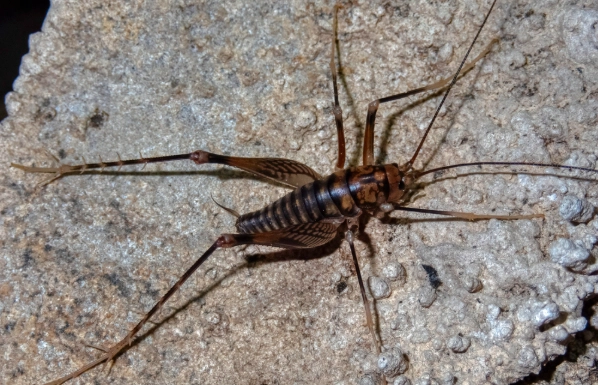
Are Cave Crickets Dangerous? Let's Separate Fact from Fear
This is the million-dollar question for most people. The short, and somewhat relieving, answer is no, they are not dangerous in the way termites, rodents, or even some spiders can be. But "not dangerous" doesn't mean "welcome houseguest."
The Big Negative: They are a nuisance pest of the highest order. The primary risk they pose is to your sanity and the potential for minor property damage, which we'll get to.
Do Cave Crickets Bite or Sting?
They are physically capable of biting, as they have mouthparts designed for chewing organic matter. However, they are not aggressive towards humans and have no interest in biting you. There are virtually no verified reports of a cave cricket biting a person. Their first and only instinct when confronted is to jump away. So, you can stop worrying about that.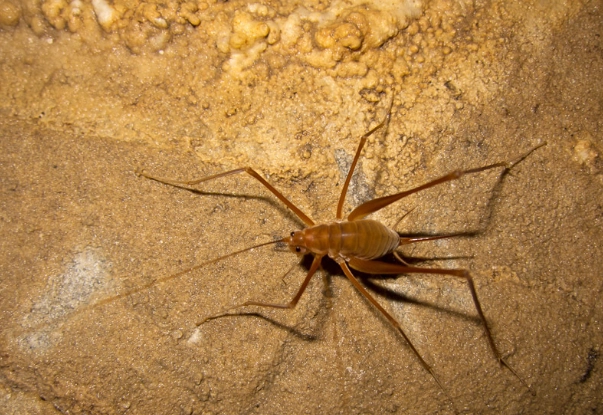
Do They Carry Disease?
Again, the risk is extremely low, especially compared to pests like cockroaches or mice. They are not known vectors of human diseases. The main hygiene concern is indirect. As scavengers, they crawl around in damp, dirty places (inside and outside) and then traipse across your basement floor or storage boxes. It's not ideal, but it's not a direct health threat.
The Real Damage: What You Should Actually Worry About
Here’s where cave crickets earn their pest status:
- They Eat Anything Organic: Their diet includes fungi, decaying plant matter, other dead insects, and… fabrics. In large numbers, they can damage stored items like curtains, linens, cotton, wool, silk, and even paper products (like books or important documents in a cardboard box). This is their most tangible form of property damage.
- They Attract Other Pests: A population of cave crickets can become a food source for predators you like even less, such as spiders (including black widows or brown recluses in some regions) or centipedes. You're basically rolling out the buffet.
- They Indicate a Bigger Problem: This is the critical point. A cave cricket infestation is a flashing neon sign that says, "YOU HAVE A MOISTURE PROBLEM." Ignoring the crickets means ignoring the dampness that can lead to far more serious issues like wood rot, mold growth (a genuine health hazard), and structural damage.
So, while the cricket itself isn't a villain, it's a reliable messenger of trouble.
Cave Cricket vs. The Usual Suspects: A Quick ID Guide
People often mix them up with other common insects. Here's a simple table to help you tell them apart. Getting this right matters because the control methods can be different.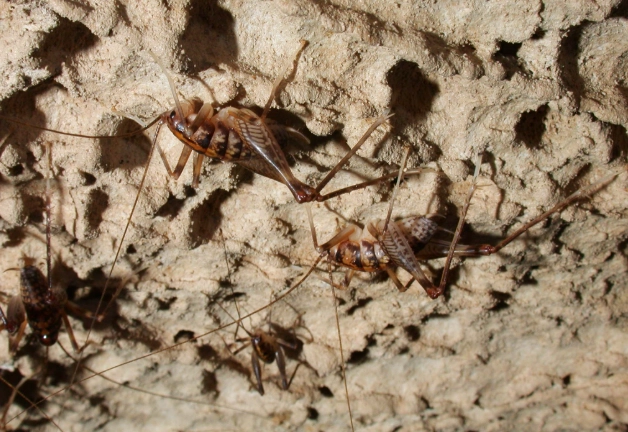
| Insect | Key Features | Behavior | Common Habitat |
|---|---|---|---|
| Cave Cricket | Humpbacked, very long legs, long antennae, wingless. | Silent, jumps erratically when startled. | Damp basements, crawl spaces, garages. |
| Field Cricket | Stout, cylindrical body, shorter legs, wings. | Loud chirping (males), hops. | Fields, lawns, sometimes indoors near light. |
| House Cricket | Similar to field cricket but lighter color, wings. | Chirps persistently, attracted to light. | Warm areas of homes (heating units, kitchens). |
| Grasshopper | Large, robust body, powerful hind legs, wings. | Strong, directed jumps, can fly. | Gardens, fields, meadows. |
| Spider (e.g., Cellar Spider) | Two body segments (cephalothorax & abdomen), eight legs. | Spins web, waits for prey. | Corners, ceilings, damp areas. |
Why Are They in MY House? The Attraction Factors
Cave crickets don't plan world domination. They just follow their needs. If they're in your home, it's because you're (unintentionally) meeting them perfectly. Let's break down the welcome mat you've laid out.
- Moisture: This is the #1 driver. Leaky pipes, poor drainage, condensation on foundation walls, clogged gutters, or just a generally damp basement. The Environmental Protection Agency has great resources on controlling moisture to prevent mold, and the same principles annihilate cave cricket appeal.
- Darkness: They are photophobic (light-averse). A dark, unused basement or crawl space is paradise.
- Shelter & Clutter: Piles of cardboard boxes, stacks of newspapers, old furniture, and general clutter provide perfect hiding spots and potential food sources.
- Access Points: Tiny cracks in the foundation, gaps around utility pipes, ill-fitting doors, or torn window screens in basements. They can flatten themselves surprisingly well.
My own issue traced back to a chronically damp corner in the crawl space where a downspout was dumping water right against the foundation. Fixing that outdoor drainage was the single most effective thing I did. The cricket population dropped noticeably within a couple of weeks.
How to Get Rid of Cave Crickets: A Practical, Step-by-Step Plan
Okay, you've identified them and you want them gone. A quick stomp might deal with one, but for an infestation, you need a strategy. Throwing insecticide around willy-nilly is messy, often ineffective, and can be risky for pets and kids. Let's do this the right way.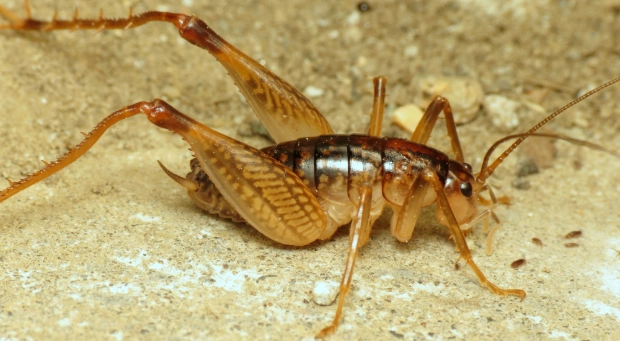
Pro Tip: The goal isn't just to kill the crickets you see today. It's to make your home so inhospitable that no new ones want to move in, and the remaining ones die off. Think long-term.
Step 1: Dry. It. Out. (The Most Important Step)
Attack the moisture. Without it, the cave cricket's world collapses.
- Use a dehumidifier in the basement or problem area. Keep it running and empty it regularly. Aim for a humidity level below 50%.
- Improve ventilation. Open windows on dry days, use fans, and ensure vent fans in bathrooms and laundry rooms are functional and vented outside.
- Fix all leaks—dripping faucets, sweating pipes, cracks in the foundation. Insulate cold water pipes to prevent condensation.
- Check the outside. Ensure gutters are clean and downspouts direct water at least 6 feet away from your foundation.
Step 2: Seal Them Out
Walk around the perimeter of your home, especially the foundation. Look for cracks, holes, and gaps. Pay close attention to where utility lines enter. Use caulk, expanding foam, or cement to seal these entry points. Install door sweeps on exterior basement doors and repair torn window screens.
Step 3: Declutter and Clean
Remove their hiding places and food sources.
- Get cardboard boxes off the floor. Cardboard absorbs moisture and is a favorite snack. Switch to plastic storage bins with tight lids.
- Reduce piles of clothing, papers, and other organic clutter.
- Vacuum regularly in the affected areas. This removes eggs, droppings, and the occasional cricket. Empty the vacuum canister or bag immediately outside.
Step 4: Deploy Targeted Control Methods
Now, for the crickets that are still hanging around. Here are the most effective tools, ranked by my own experience and general consensus.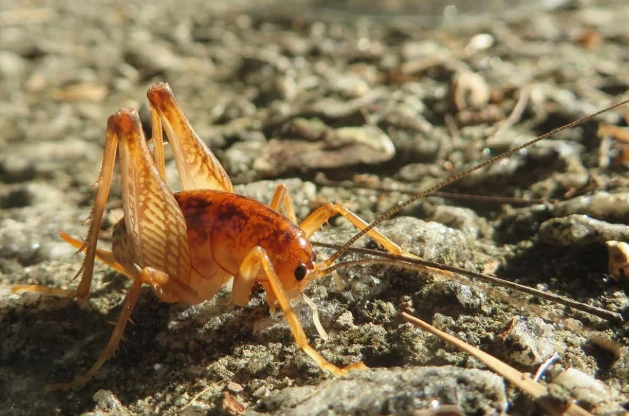
- Sticky Traps (Glue Boards): Incredibly effective and passive. Place them flat along walls, in corners, behind appliances, and under furniture in dark, damp areas. Cave crickets run along edges and will get stuck. Check and replace them regularly. This is my top recommendation for monitoring and reducing numbers.
- Diatomaceous Earth (DE): A fine, non-toxic powder made from fossilized algae. It's sharp on a microscopic level and damages the waxy coating on insects, causing them to dehydrate. Wear a mask when applying. Lightly dust it in cracks, crevices, and along baseboards where crickets travel. Food-grade DE is safe around pets and kids once the dust settles, but avoid creating clouds. It only works when dry.
- Insecticides (As a Last Resort or Perimeter Defense): If you must, use a residual insecticide spray labeled for crickets. Focus on creating a barrier—spray along the foundation outside, around door frames, and in the perimeter of the basement/crawl space. Always read and follow the label instructions exactly. The National Pesticide Information Center (NPIC) is an excellent, unbiased resource for understanding pesticide use and safety.
A note on natural predators: Don't introduce them. The idea of getting a house centipede to eat cave crickets is like using a tiger to catch rats in your kitchen. You'll just end up with a new, equally freaky pest to deal with.
Your Cave Cricket Questions, Answered
They don't. I know it feels that way. Their vision is terrible. When startled, their instinct is to jump away from the threat (you) and towards the dark. If you're between them and a dark corner, you might just be in their escape path. It's not an attack; it's a panicked, blind flight.
Yes, absolutely. If the conditions are right (damp, dark, with food sources), females will lay eggs in the soil or moist debris. This is why tackling the environment is crucial. Killing adults does nothing if a new generation is hatching in your clutter.
In my opinion, and based on research from institutions like University of Kentucky Entomology, electronic pest repellents that claim to emit ultrasonic frequencies are largely ineffective. Save your money. The FTC has even taken action against companies making false claims about these devices. Sticky traps and dehumidifiers are a far better investment.
It depends. If you have a severe, overwhelming infestation, or if you've tried the steps above for a few months with no success, a professional can help. A good pest control pro won't just spray; they'll identify the moisture sources and entry points that you might have missed. For most moderate infestations, a diligent homeowner can solve the problem with the integrated approach outlined here.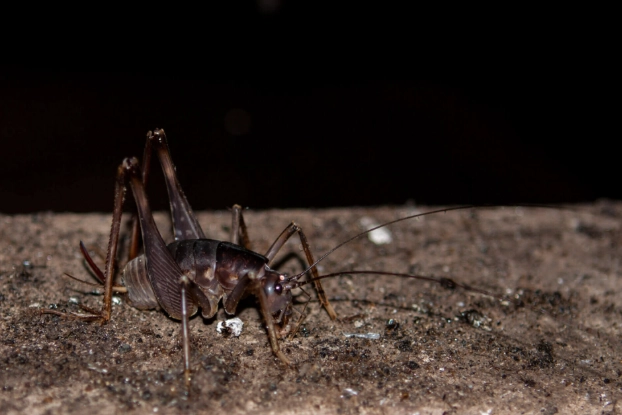
Final Thoughts: Living Cricket-Free
Look, cave crickets are unnerving. There's no sugar-coating it. But they're also a pretty straightforward pest to understand and manage. They're more of a symptom than the disease itself. The disease is excess moisture and easy access.
The process isn't always instant. You might fix a downspout on Saturday and still see a cricket on Tuesday. But if you stay the course—keep things dry, sealed, and tidy—their numbers will dwindle and eventually disappear. You'll reclaim your basement, your peace of mind, and you'll have fixed underlying home maintenance issues that were probably worth addressing anyway.
So, take a deep breath, grab a dehumidifier and some sticky traps, and start with the moisture. Your home will be less hospitable to cave crickets and a whole host of other problems. And that's a win, no matter how you look at it.
LEAVE A REPLY
Your email address will not be published. Required fields are marked *