Key Takeaways
- What Exactly Are Subterranean Termites?
- The Top Signs You Might Have a Subterranean Termite Problem
- Subterranean vs. Drywood Termites: Knowing the Difference Matters
- How Subterranean Termites Actually Damage Your Home
- Modern Control Methods: From Barriers to Baiting Systems
- What to Do After Treatment: The "Now What?" Phase
- Answers to the Questions You're Probably Searching For
Let's talk about something that makes every homeowner's blood run cold. You're walking through your basement, and you notice a strange, muddy line running up the foundation wall. Or maybe you tap on a door frame, and it sounds hollow, like it's made of paper. Your heart sinks. Could it be termites?
Nine times out of ten, if you're in the United States and you have termites, you're dealing with subterranean termites. They're the most common, the most destructive, and honestly, the sneakiest of the bunch. I've seen the damage firsthand – a friend's porch collapsed because the support beams were just a shell, eaten from the inside out. It wasn't pretty, and it wasn't cheap to fix.
This guide isn't here to scare you. It's here to arm you. We're going to break down everything you need to know about these hidden invaders, from spotting the first signs to choosing the right way to stop them for good. Forget the sales pitches and the panic. Let's get real about what subterranean termite control actually involves.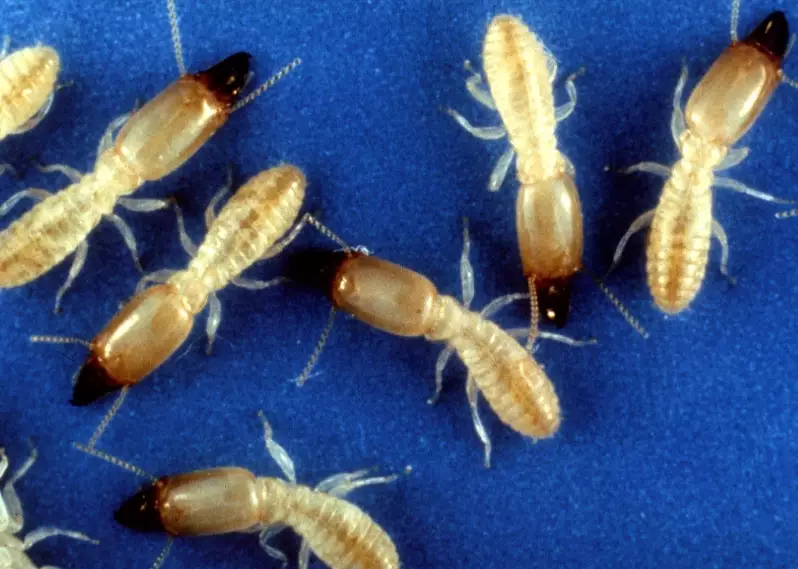
What Exactly Are Subterranean Termites?
First off, they're not the same as the drywood termites you might hear about in coastal areas. The key is in the name: subterranean. They live in the soil. That's their home base, their fortress. They need constant contact with moisture from the ground to survive. To get to the tasty wood in your house (which is their dinner), they build those famous mud tubes. These tubes are like their protected highways, shielding them from dry air and predators as they commute from soil to structure.
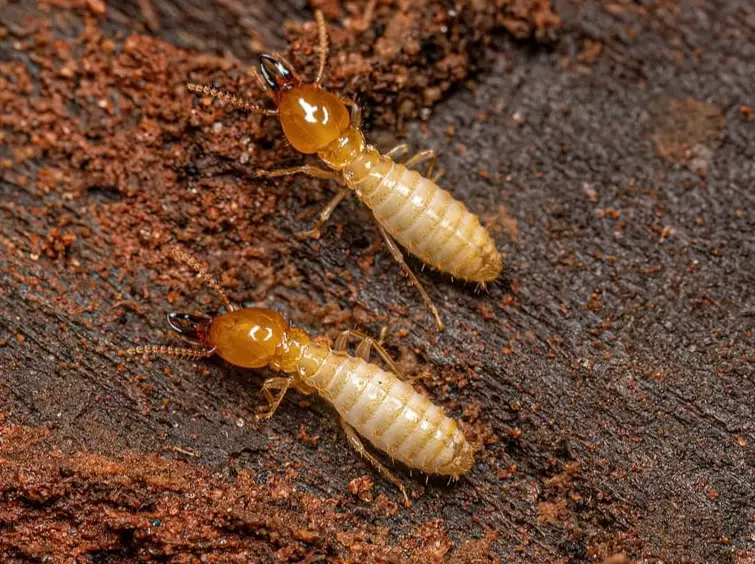
Their social structure is fascinating, if you can get past the whole "eating your house" thing. A mature colony can have hundreds of thousands, even millions, of members. You've got the workers (the pale, blind ones doing all the eating), the soldiers (bigger heads, big jaws for defense), and the reproductives (the king, queen, and swarmers).
Speaking of swarmers, that's often the first time people realize they have a problem. On a warm, humid day after a rain, you might see a cloud of winged insects that look like flying ants. Those are termite alates, or swarmers, leaving an established colony to start a new one. Spotting them inside your home is a major red flag.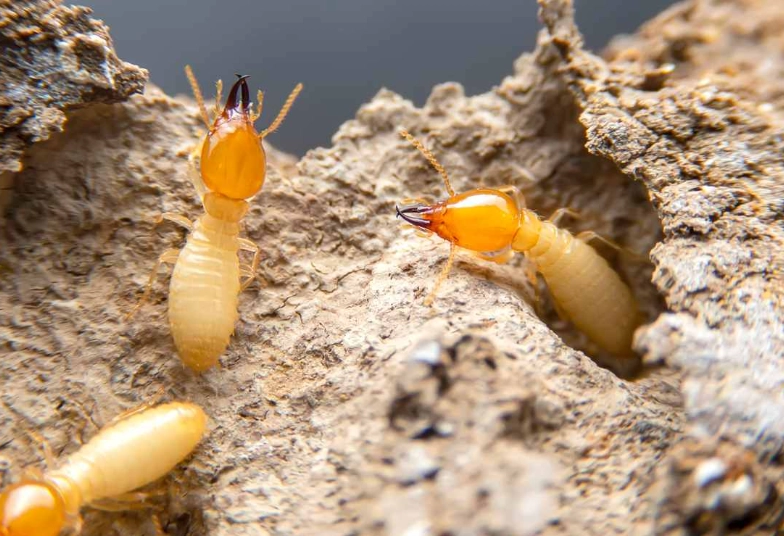
The Top Signs You Might Have a Subterranean Termite Problem
These guys are experts at staying hidden. They eat wood from the inside out, leaving a thin veneer of paint or wood surface intact. By the time you see obvious damage, they've been throwing a party in your walls for a while. But they do leave clues.
- Mud Tubes: This is the classic sign. They look like tiny, muddy veins, about the width of a pencil, running up foundation walls, in crawl spaces, or along floor joists. If you break one open and see small, white insects moving around, the case is pretty much closed. You can find great images for identification on the University of California's Integrated Pest Management site.
- Hollow-Sounding Wood: Grab a screwdriver or a knife and tap on wood. Solid wood has a firm sound. Wood infested by subterranean termites sounds empty or papery. If you probe it, the tool might even punch right through.
- Swarmers or Discarded Wings: Finding a pile of tiny, identical wings on windowsills, near doors, or in spider webs is a big giveaway. The swarmers shed their wings after their brief flight.
- Bubbling or Warping Paint: Sometimes, the moisture from their mud tubes or the damage underneath causes paint to bubble or wood to warp slightly.
- Visible Damage: In advanced cases, you might see wood that appears grooved or layered, following the grain. It's packed with soil and muck.
Subterranean vs. Drywood Termites: Knowing the Difference Matters
Why does it matter? Because the treatment is completely different. Getting this wrong means wasting a lot of money on a method that won't work. Here's the quick and dirty breakdown.
| Feature | Subterranean Termites | Drywood Termites |
|---|---|---|
| Primary Habitat | In the soil. Must maintain contact with a moisture source. | Inside the dry wood they infest. No soil contact needed. |
| Mud Tubes | YES. Their signature sign for traveling. | NO. They live directly in the wood. |
| Frass (Droppings) | Not usually visible. They use it in their tunnels. | YES. They kick out hard, pellet-like frass from kick-out holes. |
| Colony Size | Very large (often 100,000+). | Much smaller (a few thousand). |
| Common Treatment Approach | Soil barriers, baiting systems (targets the colony). | Localized wood treatments, fumigation (tents the whole house). |
| Typical Entry Point | From the ground up, through cracks or wood-soil contact. | Directly through attic vents, eaves, or wood siding. |
See? If you have drywood termites and a pest company tries to sell you a soil treatment, you should show them the door. The Environmental Protection Agency (EPA) regulates all termiticides and has guides on different treatment types, which is useful background knowledge.
How Subterranean Termites Actually Damage Your Home
It's not just about chewing wood. The financial and structural impact is real. Workers have special microbes in their guts that let them digest cellulose, the main component of wood. They'll go for structural timbers, floor joists, wall studs, even books and cardboard boxes.
The scary part is the pace. A large, mature colony can eat about a pound of wood a day. That might not sound like much, but think about a 2x4. Over months and years, that adds up to critical support beams becoming Swiss cheese. Repair costs can easily run into the tens of thousands of dollars, and most homeowners insurance policies do not cover termite damage. Let that sink in.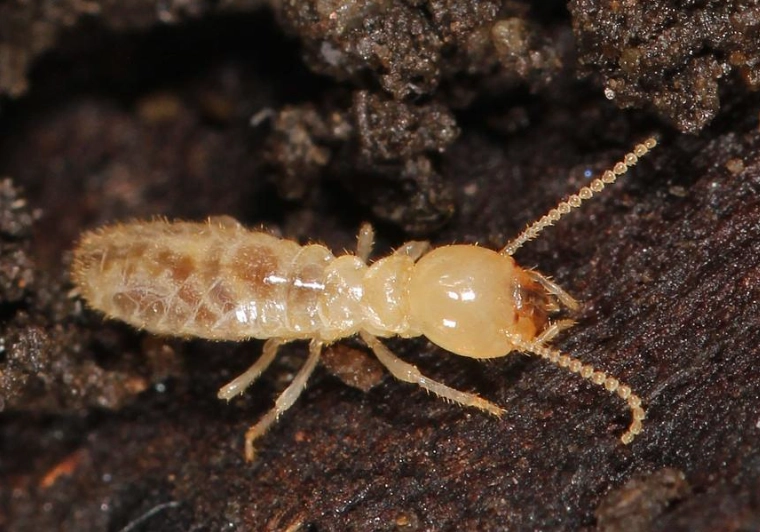
Modern Control Methods: From Barriers to Baiting Systems
Alright, so let's say you have them, or you want to protect your home proactively. What are your options? The old-school method of just spraying chemicals around the foundation isn't the only game in town anymore.
Liquid Soil Termiticides (The Chemical Barrier)
This is still the most common method. A trained professional digs a trench around your foundation, drills into concrete slabs if needed, and applies a liquid termiticide to the soil. The goal is to create a continuous, treated zone that termites can't cross without dying. There are two main types:
- Repellent Termiticides: These work like a wall. Termites detect them and avoid the area. The downside? If there's a tiny gap in the barrier, they might find it and get through.
- Non-Repellent Termiticides: This is where it gets clever. Termites can't detect these chemicals. They walk through the treated soil, get the product on them, and carry it back to the colony. It spreads, eventually killing the colony through a transfer effect. I personally think this is a more robust approach for active infestations.
Termite Baiting Systems
This is more of a strategic approach. Stations containing a cellulose material (wood, paper) are placed in the ground around the property. They're monitored regularly. When termites are found feeding in a station, the bait is replaced with a slow-acting insect growth regulator. The workers take this bait back to the colony, where it disrupts molting and ultimately wipes out the colony. It's less invasive than a liquid treatment, but it can take several months to work. It's fantastic for monitoring and prevention, and in some cases, for eliminating existing colonies.
Wood Treatments and Physical Barriers
During construction, you can use pressure-treated wood for critical areas (sills, joists). You can also install physical barriers like stainless steel mesh or specially graded sand under the slab, which are designed to block termite tunnels. These are more about prevention than curing an active problem.
What to Do After Treatment: The "Now What?" Phase
You've paid for a treatment. The company says you're good. But you're still nervous. That's normal. Here's what you should focus on post-treatment.
First, get the documentation. A reputable company will provide a detailed service report and a warranty. Read it! Know how long it lasts, what it covers, and what your responsibilities are (like not disturbing the treated soil).
Your job now is to make your property less attractive to future subterranean termites. This is huge, and it's often overlooked.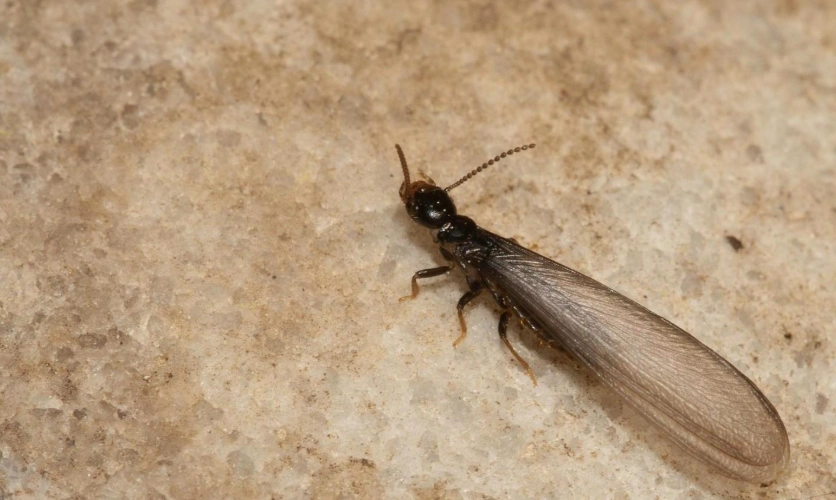
- Eliminate Soil-to-Wood Contact: This is rule number one. Any wood—siding, door frames, deck posts—should have at least a 6-inch gap from the soil. Mulch piled against the house is a big no-no; it retains moisture and provides a bridge.
- Fix Moisture Problems: Repair leaky faucets, downspouts, and AC drip lines. Ensure your gutters are clean and direct water away from the foundation. A damp foundation is an invitation.
- Store Firewood and Lumber Properly: Keep it off the ground and away from the house. Don't give them a staging area.
- Seal Cracks and Crevices: Use caulk or foam to seal tiny openings in the foundation where pipes and wires enter. You're closing potential entry points.
- Schedule Annual Inspections: Even with a warranty, have a pro look every year. They can spot early signs of a new issue or activity from a neighboring colony.
Answers to the Questions You're Probably Searching For
Can I get rid of subterranean termites myself?
I'm going to be brutally honest: it's a terrible idea for an active infestation. You can buy termiticides at the hardware store, but effective treatment requires precise knowledge of soil types, foundation depths, and application rates. Misapplying it can put your family or pets at risk and create environmental issues. DIY sprays might kill a few termites you see, but they won't touch the main colony underground. For serious prevention tips you *can* do yourself, the US Forest Service has some good, science-based resources on making your home less hospitable.
Where DIY is valuable is in the prevention steps I listed above—fixing moisture, moving wood, etc. That's where your effort is best spent.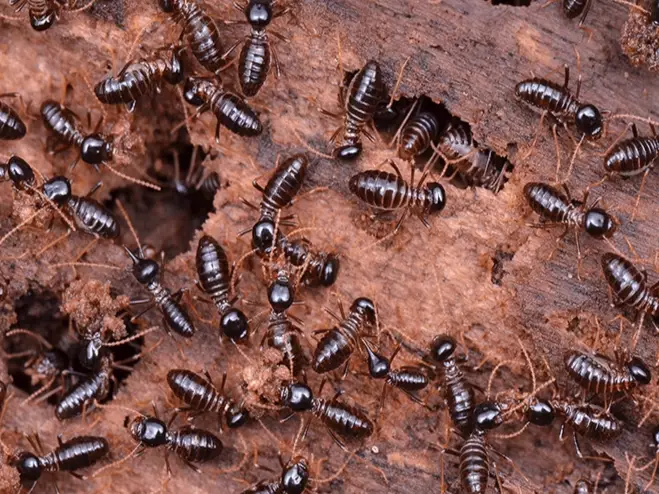
How much does professional subterranean termite control cost?
It varies wildly by region, house size, foundation type, and severity. A standard liquid treatment for an average-sized home might range from $1,200 to $2,500. Baiting systems can have a lower initial installation cost but require ongoing monitoring fees. Fumigation (for drywood, not subterranean) is much more expensive. Always get at least three detailed quotes. The cheapest option is rarely the best when your home's structure is on the line.
Are subterranean termites dangerous to humans or pets?
No, they don't bite or sting people, and they don't carry diseases. The danger is 100% to your property. However, the pesticides used to control them can be hazardous if misapplied. That's another reason to hire a licensed professional who knows how to handle and apply these products safely.
I see swarmers outside my house. Does that mean my house is infested?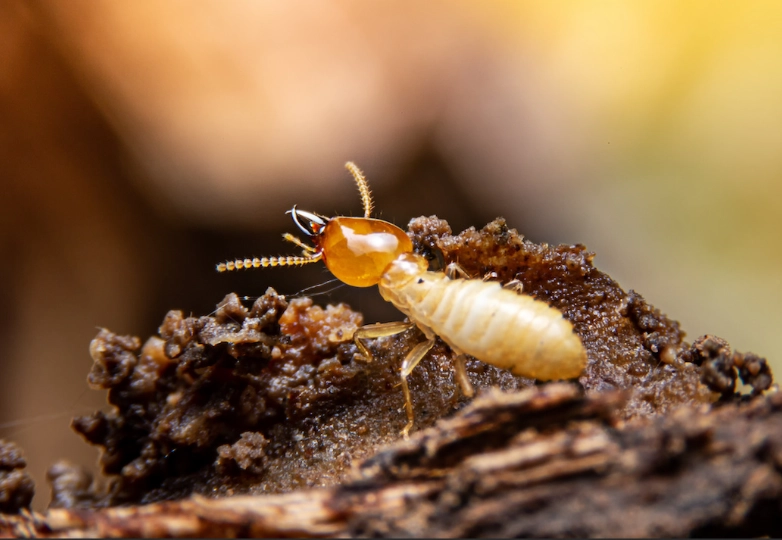
Not necessarily. Swarmers are attracted to light, so they might just be emerging from a colony in a nearby stump or tree and heading for your windows. However, swarmers *originating from inside* your home—coming out of baseboards, walls, or the foundation—is a very strong indicator of an active infestation inside. If you see that, call a pro immediately.
How long does a termite treatment last?
A quality liquid soil treatment, when applied correctly, is typically effective for 5 to 10 years. Baiting systems require perpetual maintenance and monitoring. Warranties often last 1 year to a lifetime (with annual renewals/inspections). The soil doesn't "expire," but the concentration of the termiticide breaks down over time and can be diluted by heavy rain or landscaping work.
 Knowledge is your first line of defense.
Look, dealing with subterranean termites is stressful. It feels like a violation. But they're just insects doing what they evolved to do. Our job is to understand their biology and outsmart them. Start with a thorough inspection from a reputable, licensed pest management company. Ask questions, understand your options, and combine professional treatment with smart, ongoing home maintenance.
Don't let the fear paralyze you. Being proactive—whether that's fixing a downspout today or scheduling an inspection—puts you back in control. Your home is likely your biggest investment. Protecting it from these silent destroyers is one of the most practical things you can do.
LEAVE A REPLY
Your email address will not be published. Required fields are marked *