In This Guide
- What Does a Hobo Spider Actually Look Like? A Step-by-Step Identification Guide
- Hobo Spider vs. The Usual Suspects: How Not to Mix Them Up
- Where Do Hobo Spiders Live? (Spoiler: Probably Not in Your Bed)
- The Bite: What Does Science Actually Say About Hobo Spider Venom?
- First Aid and Treatment: What You Should Actually Do
- Keeping Hobo Spiders Out: Practical, Effective Prevention
- Straight Answers to Your Top Hobo Spider Questions
- Wrapping Up: A More Rational View
Let's be honest, finding a spider in your basement or garage can send a shiver down anyone's spine. And if you live in the Pacific Northwest or parts of the Intermountain West, one name often pops up in those panicked internet searches: the hobo spider. I remember the first time I heard about it. A friend from Seattle was convinced one had bitten him, and the stories he found online were... well, they were straight out of a horror movie. Necrotic wounds, dangerous venom, the whole nine yards.
But here's the thing I learned after digging deep, talking to entomologists, and sifting through actual research: a huge chunk of what people "know" about the hobo spider is either exaggerated or flat-out wrong. It's become this legendary creature, shrouded in more myth than fact. So, let's clear the air. This guide isn't about scaring you. It's about giving you the straight story on Eratigena agrestis—its real identity, the actual risk it poses, and what you should genuinely do if you cross paths with one. Because knowing the facts is the best way to lose the fear.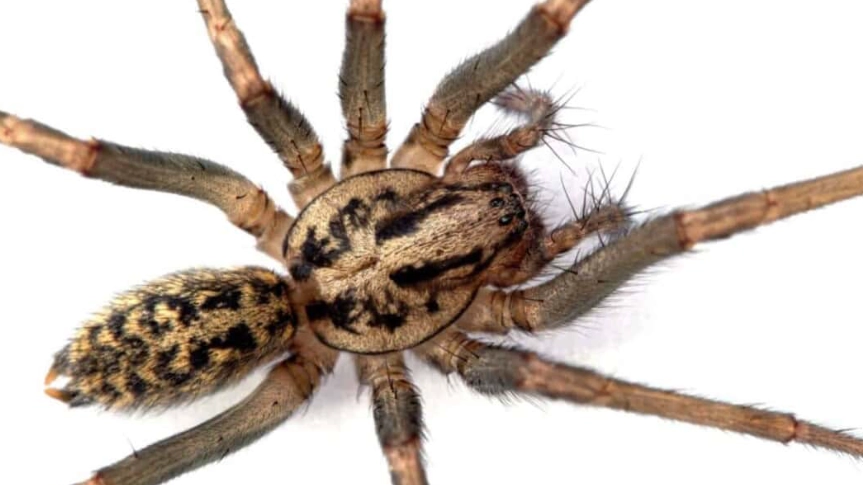
What Does a Hobo Spider Actually Look Like? A Step-by-Step Identification Guide
Misidentification is probably the number one reason for the hobo spider's fearsome reputation. People see a brown spider and immediately jump to conclusions. So, let's break down the key features. You can't just go by color alone.
First, size. An adult hobo spider's body (that's the cephalothorax and abdomen, not including legs) is typically between 7 to 14 millimeters long—so, roughly the size of a nickel. With legs spread out, they can appear quite a bit larger.
Key Physical Markings to Look For
The coloring is usually a dull, earthy brown, but that's not very helpful. The pattern is what matters. Look for a distinct, light-colored stripe running down the middle of the cephalothorax (the "head" section). On either side of this stripe, you should see darker, somewhat chevron-like markings. The abdomen has a variable pattern, often with a series of chevrons pointing toward the head, but these can be faint.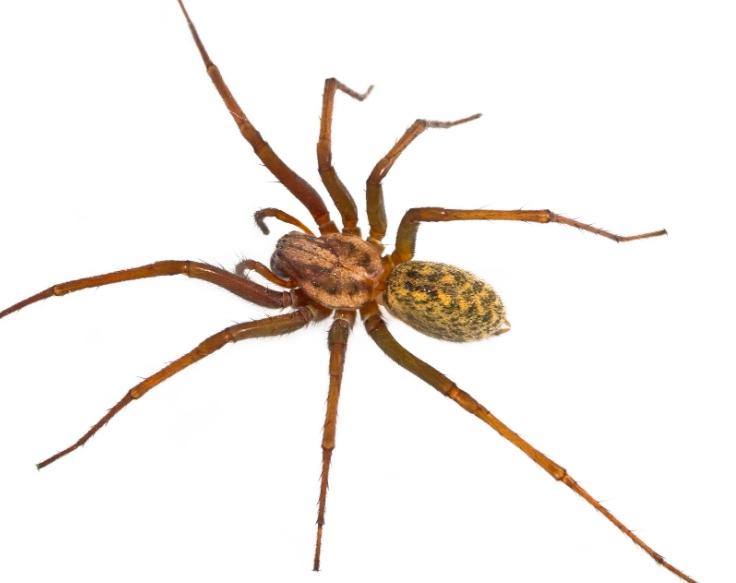
Now, here's a critical point that most guides miss: look at the spinnerets. Hobo spiders have two long, noticeable spinnerets that often look like tailpipes sticking out the back. This is a great differentiator from some other common spiders.
Avoid relying on these traits: just being "hairy" or "fast." Many spiders are hairy and fast. And contrary to a persistent myth, examining the genitalia (which requires a microscope and expert knowledge) is the only way for a definitive species ID. For the average person, the combination of size, the cephalothorax stripe, and those long spinnerets is your best bet.
Hobo Spider vs. The Usual Suspects: How Not to Mix Them Up
This is where a simple table can save you a lot of anxiety. The hobo spider's two most common look-alikes are the harmless common house spider and the genuinely medically significant brown recluse.
| Feature | Hobo Spider | Brown Recluse Spider | Common House Spider (Parasteatoda) |
|---|---|---|---|
| Key Marking | Light stripe on cephalothorax with darker sides; chevrons on abdomen. | Dark violin-shaped mark on cephalothorax, with the "neck" pointing toward abdomen. Uniform color. | Variable, often mottled brown/beige. No consistent stripe or violin. |
| Eyes | 8 eyes in 2 rows. | 6 eyes arranged in 3 pairs (a unique diagnostic). | 8 eyes. |
| Web | Funnel-web at ground level in clutter. | Irregular, loose, off-white "sheet" web, often in undisturbed areas. | Messy, tangled cobwebs in upper corners. |
| Geographic Range in U.S. | Primarily Pacific NW, Idaho, Utah, Colorado, Montana, Wyoming. | Central/Southern U.S. (e.g., Missouri, Kansas, Oklahoma, Texas). NOT native to the NW. | Worldwide, found in all 50 states indoors. |
| Venom Risk to Humans | Disputed; likely mild. Necrosis claims are largely debunked. | Medically significant; can cause necrotic wounds (loxoscelism). | Negligible. |
See the biggest takeaway? Geography is your first clue. If you're in Seattle and you're worried about a brown recluse, you're almost certainly wrong—they don't live there. That panic is what gets attributed to the local hobo spider. The brown recluse's violin mark and six eyes are dead giveaways. The common house spider builds webs up high, while the hobo spider is a ground-dweller.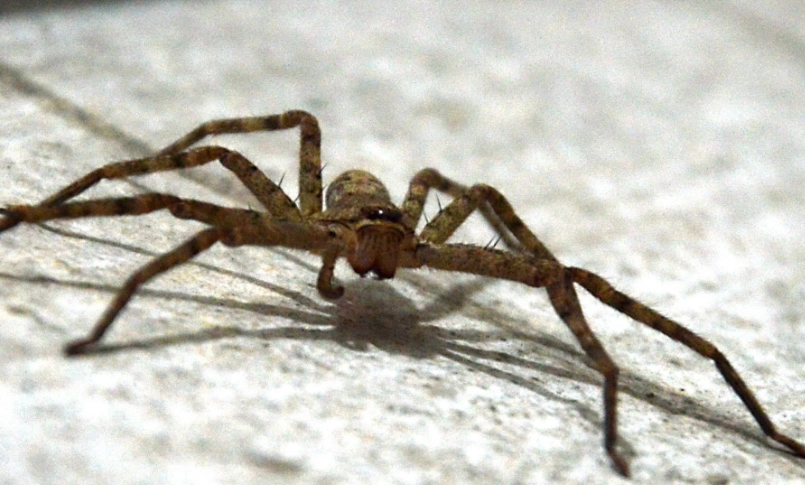
I think a lot of the fear comes from this geographic mix-up. People read about brown recluse bites and, when they see a brown spider in Portland, they assume it's the same thing. It's not.
Where Do Hobo Spiders Live? (Spoiler: Probably Not in Your Bed)
Hobo spiders are outdoor spiders at heart. They prefer dark, moist, sheltered environments where they can build their signature funnel webs undisturbed. We're talking about:
- The foundational cracks and gaps around your home's exterior.
- Rock piles, woodpiles, and dense vegetation in the yard.
- Window wells.
- Basements, crawl spaces, and garages—but usually only if these areas are cluttered, damp, and infrequently disturbed.
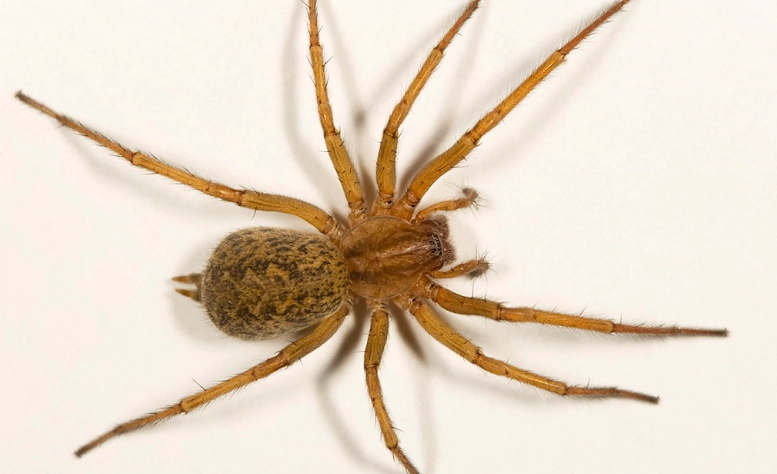
They are not climbers. You will almost never find a hobo spider web in the ceiling corner of your living room or bedroom. That's the domain of house spiders. Hobo spiders build their webs at or near ground level. The web itself isn't sticky; it's a non-adhesive sheet of silk that acts like a tripwire. The spider waits in the funnel, feels the vibrations of prey walking across the sheet, and darts out to grab it.
 So, if you're worried about one dropping on you from above while you sleep... you can probably relax.
The Bite: What Does Science Actually Say About Hobo Spider Venom?
This is the million-dollar question, and the answer has changed dramatically over the last 15 years. For decades, the hobo spider was listed as a "medically important" spider in North America, accused of causing necrotic (tissue-destroying) lesions similar to a brown recluse bite.
But is that true?
Let's look at the evidence. The initial classification was based largely on circumstantial case reports and a few older laboratory studies. However, more recent, rigorous research has failed to replicate those findings. The critical turning point came when scientists realized many supposed "hobo spider bite" cases in the Pacific Northwest were actually misdiagnosed. The real culprits were often bacterial infections (like MRSA), other arthropod bites, or even underlying medical conditions.
Major institutions have revised their stance. The Centers for Disease Control and Prevention (CDC) no longer lists the hobo spider among spiders of medical concern in the U.S. The Purdue University Extension Entomology group clearly states that evidence for hobo spiders causing necrotic wounds is poor and that they should not be considered a significant medical threat.
So, What Happens if a Hobo Spider *Does* Bite You?
First, they are not aggressive. Bites are extremely rare and almost always a result of the spider being pressed against skin—like putting on a glove it was hiding in. The bite itself might be initially painless or feel like a pinprick.
Reported symptoms, when they do occur, are typically mild and local:
- Redness and slight swelling at the bite site.
- Possible itching or a mild burning sensation.
- In some cases, a headache may develop that can last for a day or two.
The dramatic, ulcerating wounds you see on some websites? There is no solid scientific evidence linking those to hobo spider venom. If a severe wound develops after a suspected spider bite, it is far more likely to be a secondary bacterial infection or the result of a different cause entirely.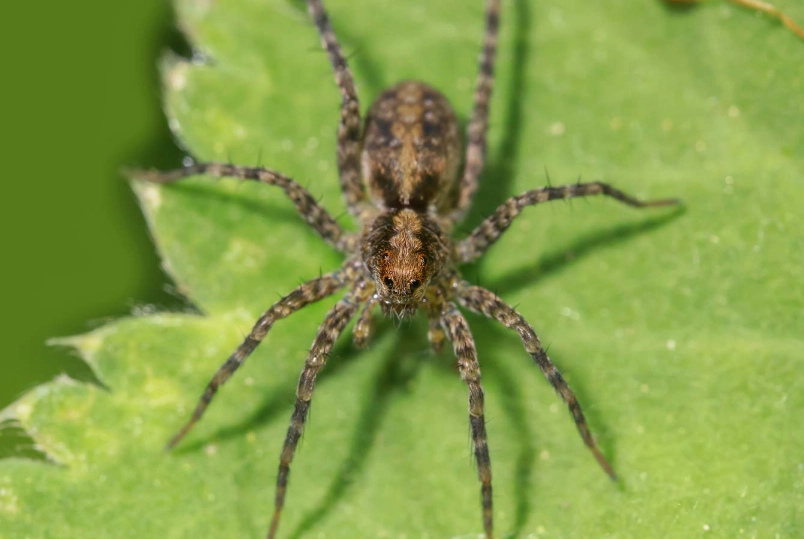
First Aid and Treatment: What You Should Actually Do
Okay, let's say the worst happens and you're fairly certain you've been bitten by a spider matching the hobo spider's description. Panic is not a treatment plan. Here's a sensible, step-by-step approach.
- Stay Calm and Clean the Wound. Wash the area thoroughly with soap and warm water. This is the single most important step to prevent infection, which is the real risk.
- Apply a Cold Compress. Use an ice pack wrapped in a cloth to reduce swelling and any discomfort. Apply for 10-15 minutes at a time.
- Elevate the Area if Possible. This can help with swelling.
- Monitor Closely. Watch for signs of infection (increasing redness, warmth, swelling, pus, or red streaks radiating from the site) or a severe allergic reaction (difficulty breathing, swelling of the lips/tongue, dizziness, rapid heart rate).
When to See a Doctor Immediately:
- If you experience any signs of a severe allergic reaction (anaphylaxis).
- If the wound shows clear signs of a worsening infection.
- If you develop severe symptoms like muscle pain, cramps, or fever (though these are not typical of hobo spider bites).
- If you are in doubt at all about the spider's identity—especially if you live in or have recently traveled to an area with brown recluse or black widow spiders.
If you can safely and easily capture the spider (without risking another bite), do so in a jar. It can help a medical professional with identification. But don't go on a dangerous hunt for it.
Keeping Hobo Spiders Out: Practical, Effective Prevention
Even if their danger is overstated, nobody wants spiders setting up shop indoors. The good news is that hobo spider control is straightforward because it aligns with general home pest proofing. It's about making your home less inviting.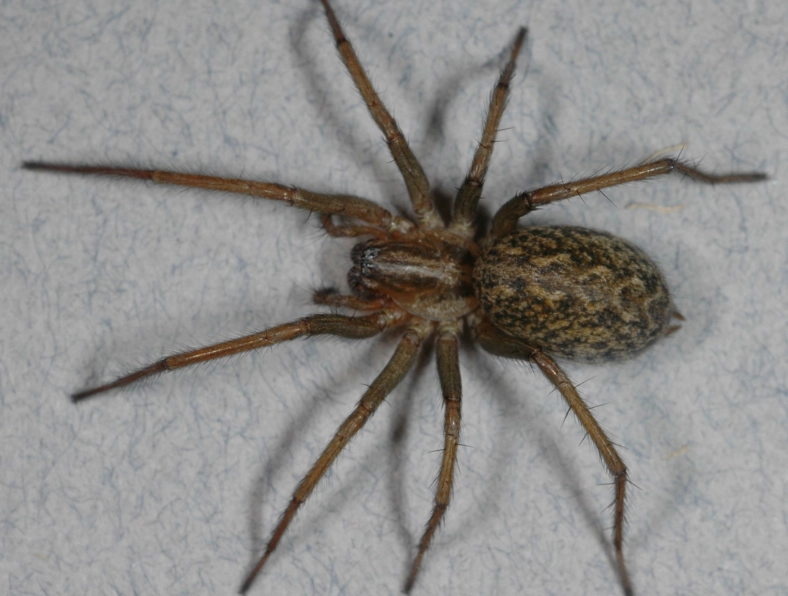
Top Prevention Strategies
Seal the Fort: This is job number one. Use caulk, weather stripping, or expandable foam to seal cracks, gaps, and holes in your home's exterior foundation, around utility pipes, and where siding meets the ground. Pay special attention to basement windows and door thresholds.
Declutter and De-moisturize: Hobo spiders love clutter and moisture. Reduce piles of wood, rocks, or debris near your home's foundation. Keep firewood stacked far away from the house. Use a dehumidifier in damp basements or crawl spaces. Fix leaky faucets and ensure downspouts direct water away from the foundation.
Mind the Landscape: Keep vegetation, shrubs, and mulch trimmed back from the sides of your house. This removes "bridges" and damp, sheltered habitats right next to your walls.
Regular Cleaning: Vacuum and dust basements, garages, and storage areas regularly. This removes webs, egg sacs, and the insects they feed on. Pay attention to corners and behind stored items.
What About Pesticides?
I'm not a big fan of broadcasting insecticides indoors for spiders. It's often overkill and can expose you and your pets to unnecessary chemicals. Spiders are poor groomers, so they don't reliably ingest or absorb many contact poisons.
If you have a significant issue, targeted application of residual insecticide dusts (like those containing diatomaceous earth or silica gel) in cracks, voids, and behind wall plates can be effective. For outdoor perimeter treatment, a barrier spray applied by a professional can help. But remember, the physical exclusion and sanitation steps above are more effective and longer-lasting than any spray.
Straight Answers to Your Top Hobo Spider Questions
Let's tackle some of the specific questions that keep people up at night.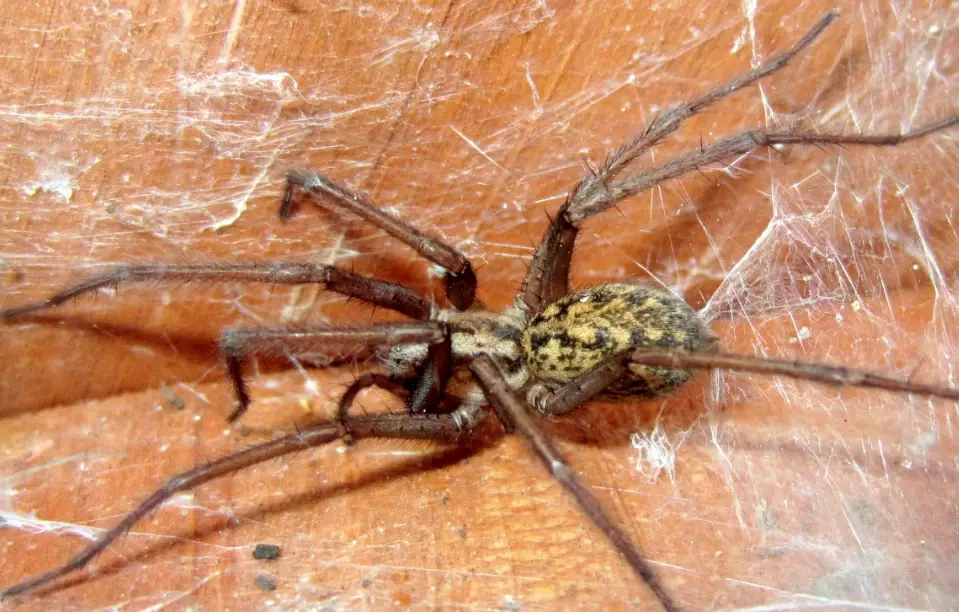
Wrapping Up: A More Rational View
Look, spiders can be creepy. I get it. But the hobo spider has been the victim of a decades-long case of mistaken identity and amplified fear. The current scientific evidence, from sources like the University of Washington and others, strongly suggests it's a relatively innocuous neighbor.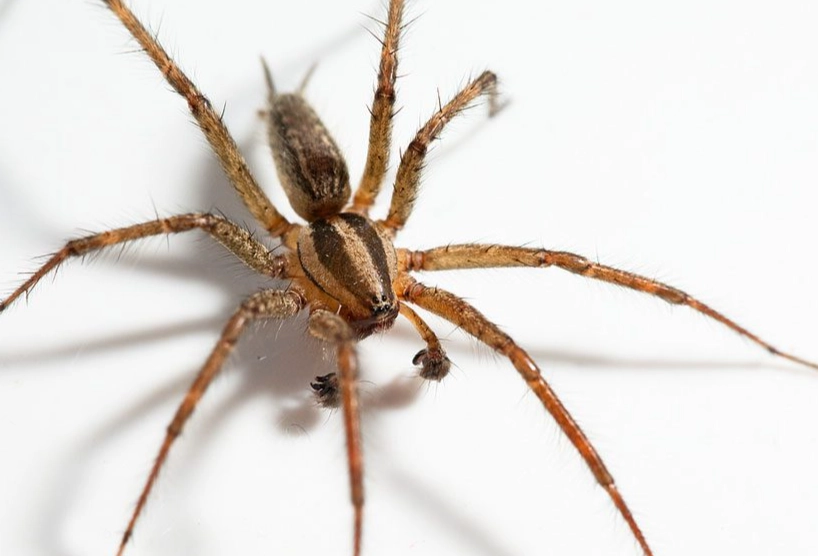
Its bite is not a common event, and severe reactions are exceptionally rare and likely misattributed. Your efforts are much better spent on general home maintenance and hygiene than on fearing this specific arachnid. Focus on sealing cracks, reducing clutter and moisture, and keeping your living spaces clean.
If you see a funnel-web at ground level in your garage, now you know what it likely is. You can deal with it calmly, understanding its actual place in the ecosystem (it's eating other pests, after all) and its minimal risk to you and your family. The goal isn't a spider-free existence—that's nearly impossible—but a home where you understand the guests, welcome or not.
LEAVE A REPLY
Your email address will not be published. Required fields are marked *