Navigate This Guide
- What Does an Oriental Cockroach Look Like? Spotting the Key Signs
- Where Do They Come From and What Do They Want?
- Why You Should Care: The Real Risks of an Infestation
- The Complete Elimination Strategy: It’s More Than Just Spraying
- Common Questions About Oriental Cockroaches (Answered)
- Final Thoughts: Persistence Over Power
Let’s talk about a bug that’s less of a sprinter and more of a lurking, damp-loving nuisance. If you’ve ever seen a dark, almost black, shiny beetle-like insect slowly making its way across your basement floor or near a drain, chances are you’ve met the oriental cockroach. Sometimes called a "water bug" or "black beetle cockroach," this pest has a particular fondness for cool, wet, and decaying matter. It’s a different beast from its more famous cousin, the German cockroach, and dealing with it requires a different playbook. I remember the first time I saw one in an old rental house—I thought it was a large beetle until it moved with that unmistakable roach scuttle. Not a pleasant surprise.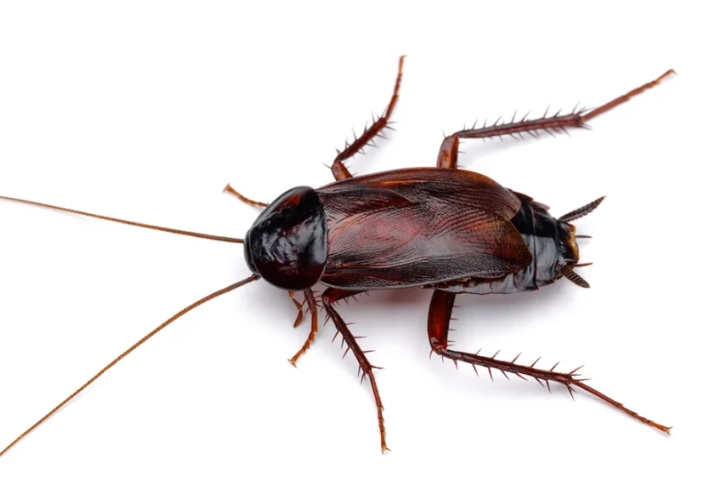
Unlike the quick, light-brown German roach that invades your kitchen cabinets, the oriental cockroach prefers the shadows and moisture of lower levels. Getting rid of them isn't just about spraying; it's about changing their environment.
What Does an Oriental Cockroach Look Like? Spotting the Key Signs
Correct identification is your first and most crucial step. Misidentifying your pest problem means you’ll use the wrong tactics and waste time and money. So, how do you know it’s an oriental cockroach?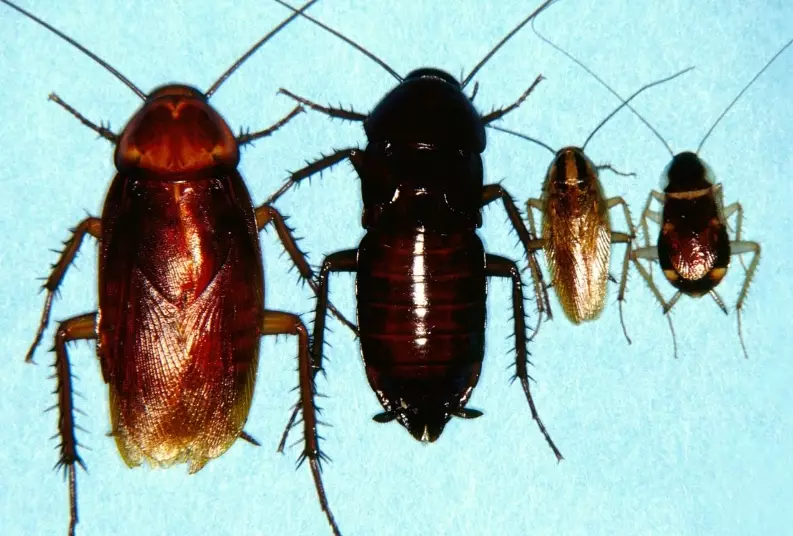
Adult oriental cockroaches have a distinct, glossy look. They’re dark brown to jet black, which immediately sets them apart from lighter-colored species. The males have wings that cover about three-quarters of their abdomen, but they don’t really fly. I’ve never seen one take off, and most sources agree they’re poor fliers at best. The females are even more distinctive—their wings are tiny, just little stubs, and their bodies look broader and shinier. They look almost like they’re armored in polished obsidian.
The nymphs (the young ones) are smaller and, here’s the key, they start off a reddish-brown color. As they grow and molt, they darken to that characteristic black. They also lack wings entirely until their final molts. If you see a bunch of small, dark, wingless bugs clustering in a damp spot, you’re probably looking at a developing oriental cockroach infestation.
Oriental Cockroach vs. German Cockroach: A Quick Side-by-Side
People get these two confused all the time, but they're worlds apart in behavior and preferred hangouts. Here’s a breakdown that makes it clear.
| Feature | Oriental Cockroach | German Cockroach |
|---|---|---|
| Color | Dark brown to glossy black | Light tan to brown with two dark parallel stripes behind the head |
| Size | About 1 to 1.25 inches (25-32 mm) long | Smaller, about 0.5 to 0.6 inches (13-16 mm) long |
| Wings | Males: short, non-functional. Females: wing stubs. | Both sexes have full wings and can glide (but rarely sustain flight). |
| Preferred Habitat | Cool, damp, dark areas. Basements, crawl spaces, floor drains, under sinks, under mulch, in leaf litter. | Warm, humid areas near food/water. Kitchens, bathrooms, appliances, cabinets. |
| Speed & Activity | Slow-moving, often found wandering. | Very fast, skittish, often scatters when light is turned on. |
| Odor | Produces a strong, musty, unpleasant smell in large numbers. | Can produce a mild, unpleasant odor. |
See the difference? If your problem is upstairs in the kitchen, think German. If it’s downstairs near the washing machine drain or in a musty basement, you’re likely dealing with an oriental cockroach.
Where Do They Come From and What Do They Want?
Understanding their lifestyle is like getting the enemy’s playbook. These roaches are outdoor pests at heart. They love cool, decaying organic matter. We’re talking about under leaf piles, in mulch beds, around compost piles (if not managed well), under stones, and in sewer systems. They often use sewer lines and plumbing pipes as highways to enter homes, which is why you’ll frequently find them crawling out of floor drains or around the base of toilets.
Their love for moisture is their defining trait. I can’t stress this enough. An oriental cockroach infestation indoors is almost always a sign of excess moisture somewhere. They’re not coming in for your crumbs like a German roach might; they’re coming in for the dampness. A leaky pipe under the sink, a crack in the basement foundation where water seeps in, a clogged gutter causing pooling water near the house—these are all welcome mats for them.
Think of them as a living moisture meter. If you have them inside, you have a water problem. Addressing that is 80% of the battle.
Their diet is also less picky. They are scavengers and will feed on almost any decaying organic material. This includes garbage, pet food, starch-based book bindings, and even dead insects. This adaptability makes them persistent, but it also gives us a clear target for control: sanitation and moisture control.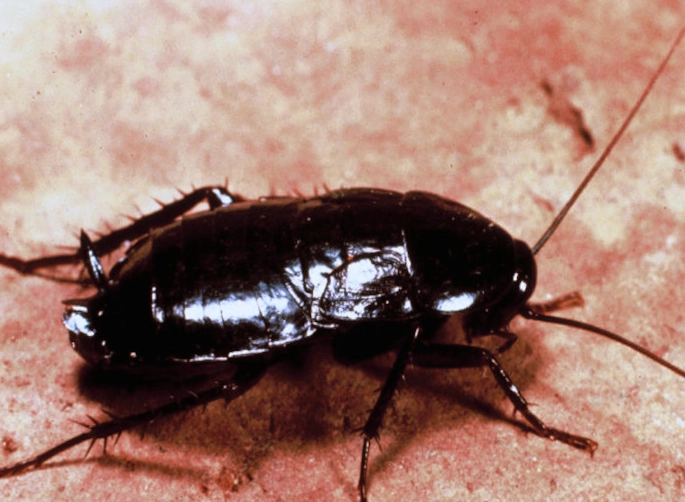
Why You Should Care: The Real Risks of an Infestation
Okay, so they’re slow and prefer the basement. Can’t we just live and let live? Honestly, I wouldn’t recommend it. While they are not as aggressive breeders as German roaches, an established population poses real problems.
First, there’s the contamination. Like all cockroaches, oriental cockroaches crawl through filth—sewers, drains, garbage—and then track those bacteria, like E. coli and Salmonella, onto surfaces in your home. If they wander from a floor drain to a storage area where you keep, say, extra paper towels or canned goods, they’re contaminating those items.
Second, and this is a big one for many people, they trigger allergies and asthma. Their shed skins, saliva, and droppings break down into tiny particles that become airborne. For individuals with respiratory sensitivities, this can worsen symptoms significantly. The CDC notes that cockroach allergens are a major contributor to asthma in children, especially in urban environments. It’s not just the German species; oriental cockroach debris contributes to this problem.
Finally, there’s the sheer unpleasantness. That strong, musty odor they produce in large numbers can permeate a basement or crawl space. It’s a smell that says “infestation” loud and clear. And let’s be honest, seeing them is just unsettling. It makes your home feel unclean, even if the root cause is an external moisture issue.
The Complete Elimination Strategy: It’s More Than Just Spraying
Here’s where most DIY efforts fail. They go straight for the bug spray. For oriental cockroaches, that’s often a temporary fix at best. You need a layered approach, often called Integrated Pest Management (IPM). This focuses on long-term prevention by making your home inhospitable to them.
Step 1: Inspection and Sanitation – Be a Detective
Grab a flashlight and get down to their level. You’re looking for two things: moisture sources and entry points.
- Indoors: Check all floor drains, sump pumps, around plumbing under sinks (especially in laundry rooms and basements), behind toilets, and in crawl spaces. Feel for dampness on pipes and walls. Look for cracks in the foundation or gaps around utility lines.
- Outdoors: Examine the perimeter of your house. Are gutters clogged and overflowing? Is the soil or mulch sloping toward the foundation? Are there piles of leaves, wood, or debris right against the house? Do you have dense ivy or ground cover touching the siding?
Sanitation means fixing these issues. It’s not glamorous work, but it’s the most effective.
Step 2: Exclusion – Seal Them Out
Make it harder for them to get in. This is straightforward but critical.
- Install tight-fitting screens or covers on floor drains. A simple metal mesh drain cover can block a major entry point. Pour a little water or mineral oil down unused drains monthly to fill the trap and block odors/access.
- Seal cracks and crevices in the foundation, around windows, and where pipes enter the house with a good quality silicone or silicone-latex caulk.
- Check door sweeps on exterior doors, especially basement doors. Make sure they create a tight seal.
Step 3: Moisture Control – Take Away Their Reason for Being
This is the cornerstone of controlling oriental cockroaches.
- Fix leaky faucets, pipes, and appliances immediately.
- Use a dehumidifier in damp basements and crawl spaces. Aim to keep relative humidity below 60%.
- Improve ventilation in problem areas. Ensure crawl space vents are open and unblocked.
- Regrade soil outdoors so water flows away from the foundation.
- Keep gutters clean and extend downspouts at least 3-5 feet away from the house.
A dry environment is a deadly environment for an oriental cockroach. They can’t survive long without access to significant moisture.
Step 4: Targeted Chemical Control – The Final Blow
Once you’ve done the hard work of making your home less attractive, you can tackle any remaining population with precision. Broad-spectrum sprays have their place, but baits and dusts are often more effective for this particular pest.
Insecticidal Dusts: Products like boric acid or diatomaceous earth (DE) are excellent in dry areas. They work by abrading the insect’s waxy outer layer, causing it to dehydrate. Lightly puff these dusts into wall voids, behind appliances, under sinks, and along baseboards in infested areas. Important safety note: Use these products carefully, following label instructions to avoid inhalation, and keep them away from children and pets. The EPA’s guidelines on safe pesticide use are a must-read.
Gel Baits and Bait Stations: While oriental cockroaches aren’t as voracious for baits as Germans, they will still consume them. Place bait stations or small dabs of gel bait in areas where you’ve seen activity—near drains, under sinks, in corners of the basement. The roach eats the bait, shares it with others, and the colony dwindles.
Perimeter Sprays: Applying a residual insecticide spray to the exterior foundation, around door frames, and other potential entry points can create a protective barrier. This is best done after cleaning up the outdoor habitat. Always, always read and follow the product label. It’s the law, and it’s for your safety.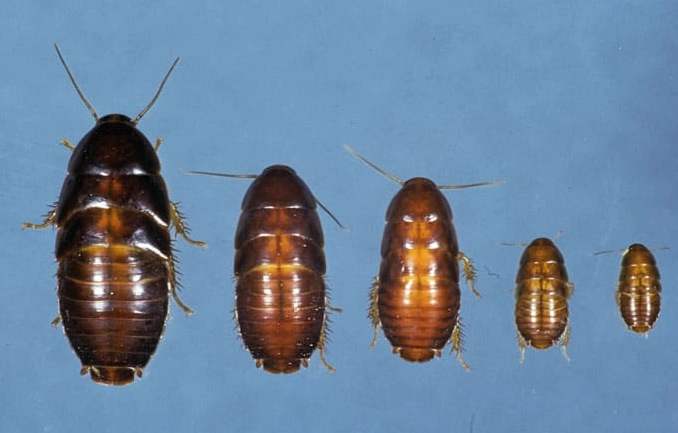
Common Questions About Oriental Cockroaches (Answered)
Let’s tackle some of the specific questions that keep popping up. These are the things people are really searching for.
This is a classic. Male oriental cockroaches have wings but are very poor fliers. I’ve seen them maybe flutter awkwardly if they fall from something. Females have only vestigial wing pads and are completely flightless. So no, you don’t have to worry about them flying at your face like some other insects. Their movement is primarily crawling.
The number one attractant is moisture. Second is harborage—clutter, piles of organic debris, or cracks that provide dark, tight hiding spots. Food is a distant third for them compared to other roaches, but accessible garbage, pet food left out, or even organic matter in clogged drains will certainly help sustain them.
It’s possible, but not as common as from floor drains or sewer line breaches. They live in sewers and can navigate pipes. If you have a rarely used bathroom or a faulty toilet seal, it can happen. Keeping drain traps filled with water and ensuring toilet seals are intact are good preventive measures. If you see one in the toilet bowl, it likely climbed up from the water, not swam up through it.
An adult female oriental cockroach can live up to 6 months, which is a fairly long time for a roach. During that time, she can produce several egg cases (oothecae), each containing around 16 eggs. The entire lifecycle from egg to adult can take anywhere from 6 months to over a year, depending on temperature and food availability. This slower reproduction is one reason infestations can sometimes be easier to manage than German roach outbreaks—if you act consistently.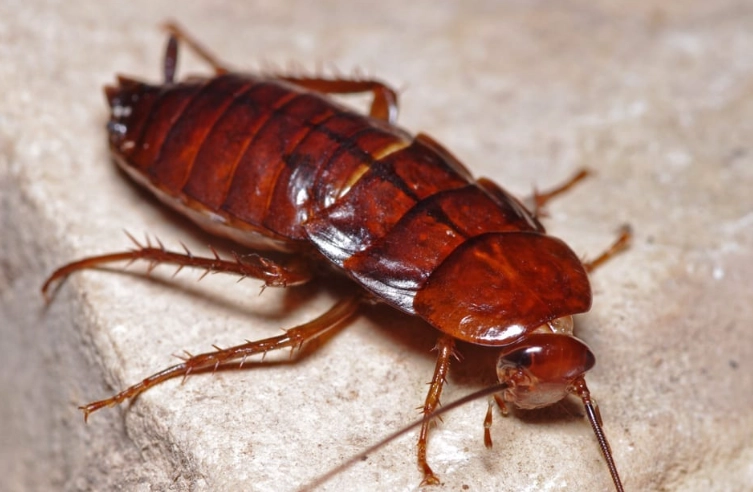
They are not aggressive and biting is extremely rare. They don’t seek out people to bite. The danger, as discussed, is indirect: disease transmission from their filthy travels and the significant allergy/asthma risk from their debris. You should handle them as a health concern, not a personal safety one.
Final Thoughts: Persistence Over Power
Winning the war against oriental cockroaches isn’t about finding the most powerful chemical. It’s about being more persistent than they are. It’s a battle fought with a caulk gun, a dehumidifier, and a flashlight more than with a spray can.
Start by confirming you have an oriental cockroach and not another species. Then, become a moisture detective. Every drop of water you eliminate is a step toward victory. Seal up their entry points, clean up the clutter and debris they love, and then use targeted baits and dusts to clean up the stragglers. It’s not a one-weekend project; it’s an ongoing shift in how you maintain the lower levels of your home.
For extensive or persistent infestations, especially in multi-unit buildings where they can travel through shared plumbing, don’t hesitate to call a professional pest control operator. They have access to tools and materials and can perform a thorough inspection. A good pro will focus on the moisture and exclusion points just as much as the pesticides. You can find qualified professionals through your state’s National Pest Management Association (NPMA) chapter or local cooperative extension office, like the one at the University of Minnesota, which has excellent public resources on pest management.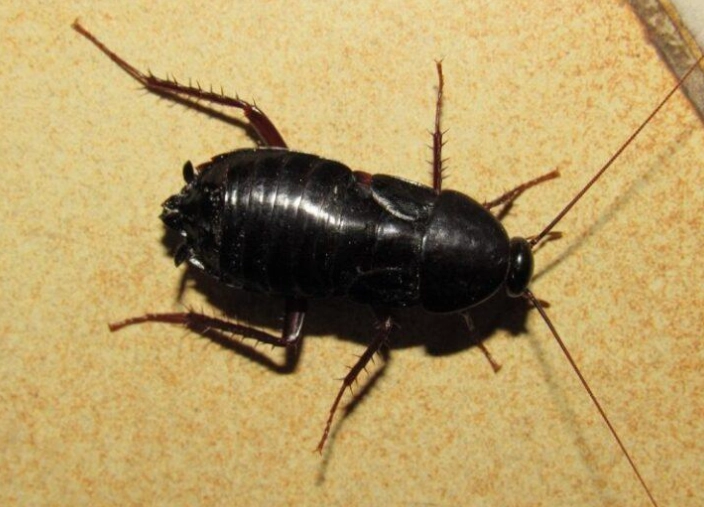
Remember, seeing one oriental cockroach doesn’t necessarily mean a huge infestation, but it is a clear warning sign from your house: something is too damp. Listen to that warning, and you’ll solve the bug problem and probably prevent a lot of other moisture-related issues down the line.
LEAVE A REPLY
Your email address will not be published. Required fields are marked *