Quick Navigation
- Getting Your Bearings: The Big Families of Spiders
- Meet the Locals: Common Spider Types in and Around Your Home
- The Ones to Give Space: Medically Significant Spider Types
- The Gentle Giants and the Bizarre: Tarantulas and Other Unique Spider Types
- How to Identify a Spider: A Practical, Step-by-Step Approach
- Why We Need Spiders: The Unseen Pest Control Army
- Living With Spiders: A Peaceful Coexistence Guide
- Your Spider Questions, Answered
Let's be honest for a second. The word "spider" makes a lot of people flinch. I get it. I used to be the person who'd freeze if I saw a daddy longlegs in the corner. But then I started actually looking at them, and the sheer variety just blew my mind. We're not talking about one generic creepy-crawly. We're talking about over 48,000 described species, each with its own wild lifestyle, hunting techniques, and looks. From the tiny jumping spider that watches you with puppy-dog eyes to the massive, hairy tarantula that moves with surprising grace, the world of spider types is a rabbit hole worth diving into.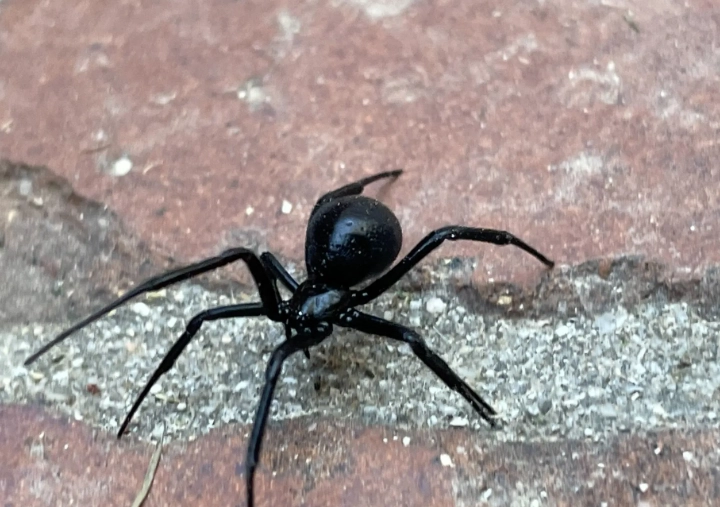
This isn't going to be a dry biology textbook. Think of it as a field guide from someone who went from arachnophobe to fascinated observer. We'll walk through the most common spider types you're likely to meet, the ones you should genuinely give space to, and the utterly bizarre ones that seem like they're from another planet. By the end, you might not want to cuddle one, but you'll probably respect them a whole lot more. Maybe you'll even stop immediately reaching for the shoe.
Quick Fact: All spiders are predators (they eat other animals, mostly insects), and they all have eight legs, fangs (chelicerae), and produce silk. But that's about where the generalizations end. How they use those tools is where the magic—or the terror—happens.
Getting Your Bearings: The Big Families of Spiders
Before we get into specific names, it helps to know how experts group these guys. It's less about color and more about how they live and hunt. This is the real key to understanding spider types.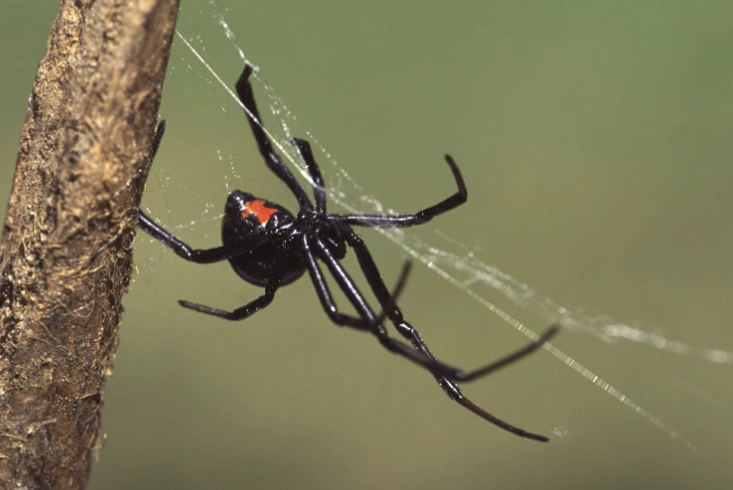
You've got your web-builders and your wanderers. The web-builders are the architects, creating intricate traps made of different silks—some sticky, some strong, some fluffy. The wanderers are the athletic hunters. They might use silk for safety lines or egg sacs, but they rely on speed, stealth, or ambush to get dinner.
The Web Weavers: Masters of Silk Engineering
This is the classic image. Orb weavers make those beautiful, spiral wheel webs you see glistening with dew in the morning. They're the perfectionists, often rebuilding their webs daily. Then there are cobweb weavers (like the infamous black widow), who make messy, tangled, three-dimensional webs in corners, sheds, or under furniture. Funnel-web weavers make a flat sheet with a retreat hole at one end, like a silken burrow. They feel vibrations on the sheet and dash out to grab their prey.
The variety of webs is a direct window into the spider's behavior. An orb web is a passive, aerial net. A cobweb is a chaotic, multi-directional trap for crawling insects. See the web, and you can often guess the spider type.
The Active Hunters: Speed, Stealth, and Ambush
These spiders don't wait for dinner to come to them. Wolf spiders are the rugged, ground-based pursuit predators. They're fast, have excellent eyesight, and some even carry their egg sacs and spiderlings on their backs. Jumping spiders are the curious, cat-like stalkers. They have the best vision of any spider, can plan complex routes, and pounce with incredible accuracy. Crab spiders are the ambush artists, often sitting perfectly camouflaged inside flowers, waiting for a bee or butterfly to land.
I remember the first time I saw a jumping spider turn its head to look at me. It was a tiny, fuzzy thing on my windowsill. Most spiders seem to look through you, but this one was *looking* at me, tracking my movement with its big front eyes. It completely changed my perspective.
So, web or no web? That's the first question to ask when you're trying to figure out what you're looking at.
Meet the Locals: Common Spider Types in and Around Your Home
Okay, let's get practical. These are the spider types you're most likely to encounter in North America and many parts of Europe. Knowing these can turn a moment of panic into a moment of recognition.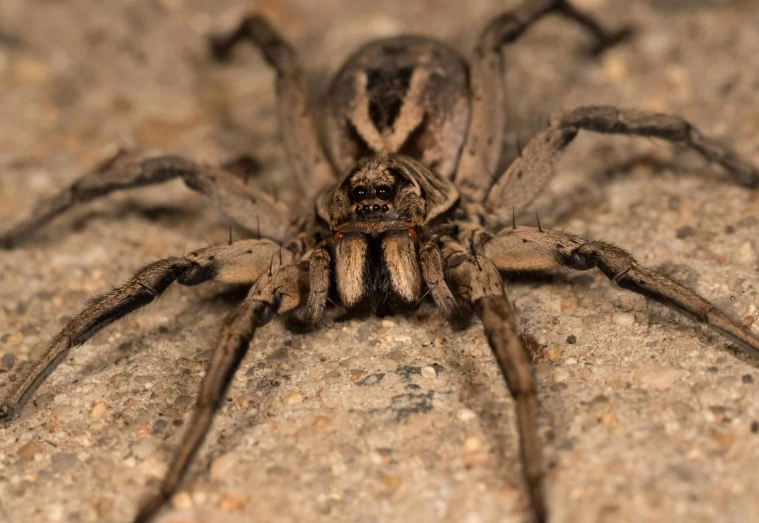
| Common Name | Scientific Family | Key Identifying Features | Typical Habitat | Danger Level to Humans |
|---|---|---|---|---|
| House Spider (Parasteatoda tepidariorum) | Theridiidae (Cobweb) | Messy, tangled cobwebs in corners. Spider is brownish with a bulbous abdomen and spindly legs. | Upper corners of rooms, basements, garages. | Harmless. Their venom is ineffective on us. |
| Cellar Spider ("Daddy Longlegs") | Pholcidae | Extremely long, thin legs. Small body. Often seen vibrating rapidly in its loose, messy web if disturbed. | Cellars, crawl spaces, dark, quiet corners. | Harmless. A myth says they have potent venom but no fangs; this is false. They can bite but it's negligible. |
| Jumping Spider (Salticidae family) | Salticidae | Compact, fuzzy body. Large, forward-facing eyes that give them a "curious" face. Moves in quick, jerky hops. | Windowsills, walls, fences, gardens. Sun-loving. | Harmless and reluctant to bite. They're the "charismatic" spiders. |
| Wolf Spider (Lycosidae family) | Lycosidae | Large, hairy, and robust. Often brown or gray with camouflaging patterns. Runs swiftly on the ground. Females carry egg sac/young. | Ground level—lawns, under leaves, occasionally in garages or basements. | Low. Can bite if provoked and handled, causing local pain/swelling, but not medically significant. |
| Grass Spider (Funnel Weavers) | Agelenidae | Builds a flat, sheet-like web with a funnel retreat at one edge. Spider is brown with two prominent dark stripes running down its cephalothorax. | Lawns, shrubs, tall grass, porch railings. | Harmless. Flees to its funnel when threatened. |
Look, the common house spider gets a bad rap. Its webs are dusty and it looks a bit frumpy. But it's a fantastic roommate. It pays rent by eating mosquitoes, flies, and other pests you don't want around. I've made a personal pact to leave the ones in the top corners of my rooms alone. They're quiet, they mind their business, and they're on my pest control team.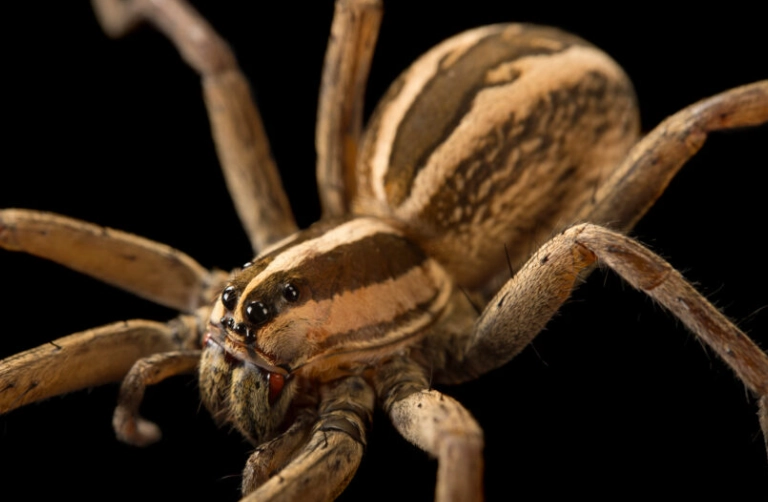
My Take: Jumping spiders are the gateway spider. If you're nervous about spiders, look up a close-up photo of Phidippus audax (the bold jumper). It's often black with iridescent green fangs. They look like tiny, eight-legged superheroes. It's hard to be scared of something that looks so... intentional.
The Ones to Give Space: Medically Significant Spider Types
This is the section everyone wants to read, and for good reason. The fear is real, but it's also massively overblown. Out of tens of thousands of spider types, only a handful have venom that can cause serious problems for humans. Even then, bites are rare, and fatalities are extremely rare with modern medical care. Knowledge, not panic, is the goal here.
The Black Widow (Latrodectus species)
The classic. Shiny black with that iconic red hourglass on the underside of the abdomen (sometimes it's just spots). They build messy, strong cobwebs in undisturbed, dry places: woodpiles, sheds, under outdoor furniture, in meter boxes. The venom is a neurotoxin. A bite might feel like a pinprick, followed by muscle cramps, pain, nausea, and sweating. It's very unpleasant and requires medical attention, but antivenom exists and deaths are almost unheard of in healthy adults. The key is to watch where you put your bare hands in their favorite habitats.
The Brown Recluse (Loxosceles reclusa)
This one is shrouded in more myth and misidentification than any other. First, its range is very specific: primarily the south-central United States. If you're in California or New York, you almost certainly did not see a brown recluse. It's a medium-sized, tan to brown spider with a distinctive dark, violin-shaped marking on its cephalothorax (the "fiddleback"). More reliably, look at the eyes: most spiders have eight eyes in two rows. The brown recluse has only six eyes, arranged in three pairs. It lives up to its name—it's reclusive, hiding in boxes, closets, bedding, and piles of clothes. Its venom can cause necrotic lesions (tissue death) in some people, but most bites heal without major issue. The best prevention is shaking out stored clothing and bedding in its native range. For accurate identification and range maps, the University of Minnesota's entomology department has an excellent, myth-busting resource.
Critical Point: The vast majority of "spider bites" diagnosed by doctors are actually bites from other insects (like fleas or bed bugs), or skin infections like MRSA. A spider bite is a rare event. Spiders do not seek out humans to bite; we are not prey. Bites almost always occur because the spider is accidentally pressed against skin.
There are other spiders with notable venom, like some funnel-web spiders in Australia (which are different from North American funnel-weavers) or the Brazilian wandering spider, but for most readers, the black widow and brown recluse are the primary ones to be aware of. Respect them, learn to identify them, and you'll be fine.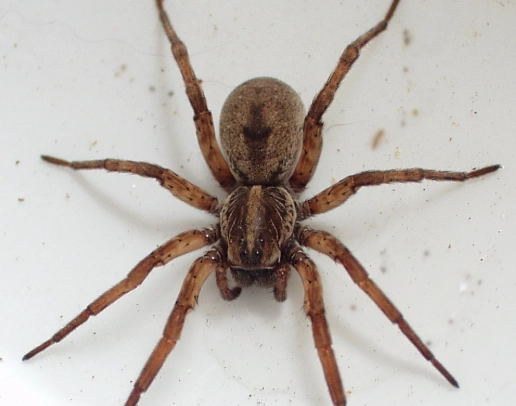
The Gentle Giants and the Bizarre: Tarantulas and Other Unique Spider Types
Now for the fun stuff. When people think of exotic spider types, they usually picture tarantulas. These are the mygalomorphs—spiders with downward-striking fangs that they use like pickaxes. They're often large, hairy, and long-lived (some females can live over 20 years!).
Contrary to their movie reputation, New World tarantulas (from the Americas) are generally docile. Their primary defense is kicking urticating hairs from their abdomen, which can irritate skin and eyes. Their venom is typically no worse than a bee sting for humans. I've held a few at reptile expos, and the most striking thing is their weight and the gentle, deliberate way they move. They feel like small, warm, hairy paws.
Then you have the truly oddballs. Trapdoor spiders build camouflaged burrows with a hinged lid. Bolas spiders swing a sticky blob of silk on a line to snag moths out of the air. The peacock spider is a tiny Australian jumping spider that performs an incredible, colorful dance to attract mates. The diving bell spider is the only one that lives almost entirely underwater, creating a silken air bubble to breathe from. The variety is endless.
Want to see the diversity for yourself? The Australian Museum's online spider catalog is a treasure trove of information and images, showcasing hundreds of unique species from one of the most spider-rich continents on Earth.
How to Identify a Spider: A Practical, Step-by-Step Approach
So you've found a spider and you're curious (or concerned). Here's how a bug nerd like me goes about figuring it out. Forget trying to memorize every species. Use a process.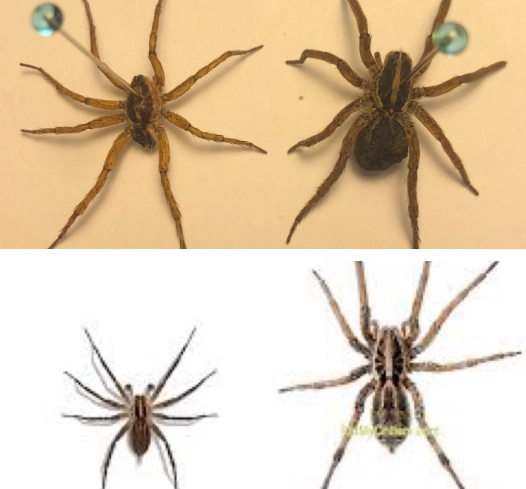
First, look at the web (if there is one). Is it a neat orb? A messy cobweb? A flat sheet with a funnel? That narrows it down to a major family instantly.
Second, observe its behavior and habitat. Is it sitting still in a web? Running on the ground? Hiding under a rock? Stalking on a wall? This tells you if it's a hunter or a web-builder.
Third, note the size, shape, and notable markings. You don't need to count every hair. Look for stripes, spots, unique color patterns, or body shapes. Is the abdomen round or elongated? Are the legs long and thin or stocky?
Fourth, (safely) get a photo. A clear top-down and side shot is gold. You can then use community science resources. I highly recommend the iNaturalist app or website. You upload your photo, and a community of experts and enthusiasts will help identify it. It's fantastic for learning and contributes to real science.
Remember, you don't need to know the exact species. Knowing it's a "jumping spider" or a "funnel weaver" is a huge win and tells you almost everything you need to know about its behavior and whether it's a concern.
Why We Need Spiders: The Unseen Pest Control Army
This is the part that makes me want to evangelize about spiders. They are arguably the most important terrestrial predators on the planet. A study published in the journal *The Science of Nature* estimated that the global spider population consumes between 400 and 800 million tons of prey every year. For perspective, that's more than the total biomass of all humans on Earth.
Let that sink in. They are consuming astronomical numbers of insects—including agricultural pests like aphids and caterpillars, and disease vectors like mosquitoes and flies. In your garden, spiders are free, organic pest control. In your home, that house spider is catching flies and moths. The National Wildlife Federation rightly champions spiders as crucial components of a healthy ecosystem. By killing spiders indiscriminately, we're not just being cruel to an individual animal; we're actively dismantling a critical piece of our local environment's balance.
Their silk is also a marvel of material science—stronger than steel by weight, incredibly elastic, and produced at ambient temperature. Researchers are studying it for applications in medicine (sutures, nerve guides) and engineering.
They're not just bugs. They're master engineers and essential environmental regulators.
Living With Spiders: A Peaceful Coexistence Guide
I'm not saying you have to let them take over your bathtub. It's perfectly reasonable to not want spiders in your personal living space. But there are humane and effective ways to deal with them that don't involve a rolled-up magazine.
- The Cup and Card Method: This is the gold standard. Place a clear cup over the spider. Slide a stiff piece of paper or card under the cup. Gently carry the spider outside and release it in a sheltered spot (like a bush or woodpile). It's simple, effective, and doesn't harm the spider.
- Relocate, Don't Exterminate: For web-building spiders in inconvenient places (like across a doorway), you can gently sweep down the web with a broom. The spider will usually retreat and rebuild elsewhere, often out of your way.
- Prevention: Seal cracks around windows and doors. Keep vegetation trimmed back from the house. Reduce outdoor lighting that attracts insects (which in turn attract spiders). Keep basements and crawl spaces dry and uncluttered.
- Change Your Mindset: For spiders in low-traffic areas (garages, sheds, ceiling corners), consider letting them be. They are working for you. Name them if it helps. I had a large cellar spider in my garage I called "Vincent." He was there for two years.
The goal isn't a spider-free existence. That's impossible and ecologically harmful. The goal is a managed coexistence where we respect their role and only relocate them when our spaces directly conflict.
Your Spider Questions, Answered
I get asked these all the time. Let's clear some things up.
Are all spiders venomous?
Technically, yes. With very rare exceptions, all spiders have venom glands to subdue their prey. But "venomous" is not the same as "dangerous to humans." For the overwhelming majority of spider types, their venom is tailored for insects and is utterly harmless to us. It's like asking if all dogs can bite—yes, but a Chihuahua bite and a guard dog bite are different matters.
How many spider types are there in the world?
Scientists have described about 48,000 species so far. But estimates suggest there could be anywhere from 80,000 to over 150,000 spider types waiting to be discovered, especially in tropical rainforests and soil ecosystems. We've only scratched the surface.
Do all spiders make webs?
Nope! All spiders produce silk, but not all use it to build prey-catching webs. Many spider types use silk for other purposes: lining burrows, creating draglines (safety ropes), wrapping egg sacs, or making "sperm webs" for reproduction. The hunting spiders we talked about are perfect examples of non-web-building spider types.
What should I do if I think I've been bitten by a dangerous spider?
Stay calm. Wash the area with soap and water. Apply a cold pack to reduce swelling. If you can safely catch the spider (even squished) for identification, do so. Seek medical attention if you experience severe pain, abdominal cramps, a spreading lesion, or difficulty breathing. Remember, other causes are more likely, but it's always best to get a professional opinion.
Why do I see more spiders in the fall?
This is often male spiders on the move. Many species mature and become active in seeking mates in the autumn. They wander, sometimes blundering into homes. Also, as outdoor insect populations die off, spiders may venture indoors seeking prey. It's a seasonal spike, not an infestation.
Look, the world of spider types is vast and fascinating. It goes far beyond fear. From the common house spider doing its quiet work in the corner to the dazzling peacock spider dancing in the Australian outback, they are a testament to evolution's creativity. My journey from fear to fascination started with simple observation. Next time you see one, maybe take a second to look closer before you decide what to do. You might be surprised by what you see.
They're not our enemies. They're just very different neighbors, with their own complex lives, playing a vital role in the world we share. And understanding the different spider types is the first step toward turning fear into respect, or even appreciation.
LEAVE A REPLY
Your email address will not be published. Required fields are marked *