You're probably here because you found a weird bug in your bed or woke up with itchy bites. Let's cut to the chase: bed bugs are real, and knowing what they look like is your first line of defense. I've spent years helping people identify pests, and misidentifying bed bugs is a common—and costly—mistake. In this guide, we'll dive deep into their appearance, from tiny eggs to full-grown adults, so you can spot them before an infestation takes over.
Quick Navigation: What's Inside
The Basic Look: Size, Shape, and Color
When most people think of bed bugs, they imagine something huge and scary. Truth is, they're pretty small. Adult bed bugs are about 5 to 7 millimeters long—roughly the size of an apple seed. They're oval-shaped and flat, which lets them squeeze into tight spaces like mattress seams or behind wallpaper.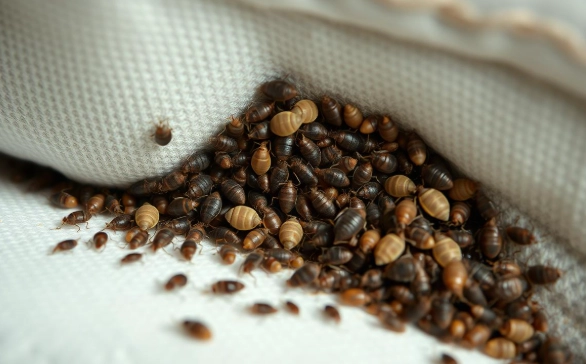
Size and Shape: More Than Meets the Eye
I remember a client who showed me a "bed bug" that turned out to be a beetle. Bed bugs have six legs and no wings, unlike many other insects. Their bodies are segmented, with a head that's slightly narrower than the abdomen. After feeding, they swell up and become more elongated, but they never grow wings. That's a key point: if it flies, it's not a bed bug.
Color: From Pale to Reddish-Brown
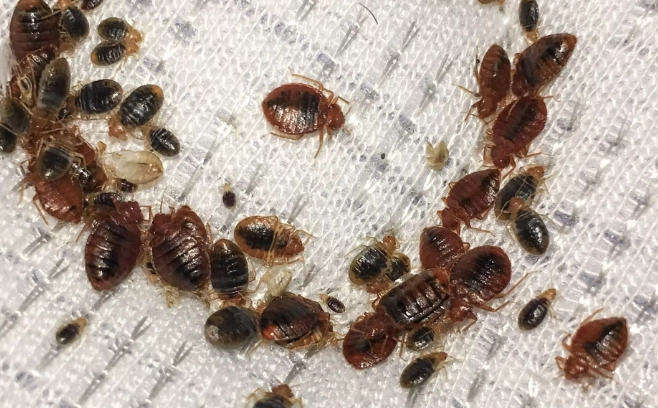
Color can vary. Unfed bed bugs are a mahogany or reddish-brown. But after a blood meal, they turn darker red or even purplish. Nymphs (young bed bugs) are lighter, almost translucent, and can be hard to see against light surfaces. I've seen cases where people missed nymphs because they were looking for the darker adults. Pro tip: use a flashlight at an angle to catch their shadows.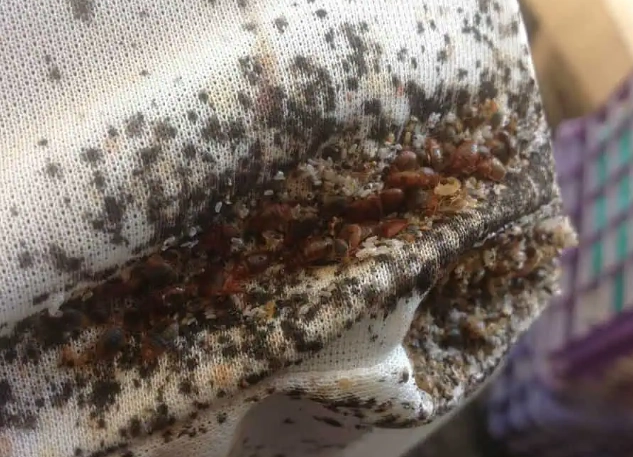
Expert Insight: Many online guides say bed bugs are "brown," but that's oversimplified. In real life, their color changes with feeding and age. A fed bed bug might look like a tiny blood blister, while an unfed one resembles a flattened seed.
Life Stages: Eggs, Nymphs, and Adults
Bed bugs go through several stages, and each looks different. Missing the early stages is how infestations get out of hand.
What Do Bed Bug Eggs Look Like?
Eggs are the hardest to spot. They're about 1 millimeter long—smaller than a pinhead—and pearly white. They have a sticky coating, so they cling to surfaces like mattress seams or furniture joints. Under a magnifying glass, they look like tiny grains of rice. I once helped a friend who thought the eggs were just dust; we used tape to lift them, and under a light, they had a slight sheen.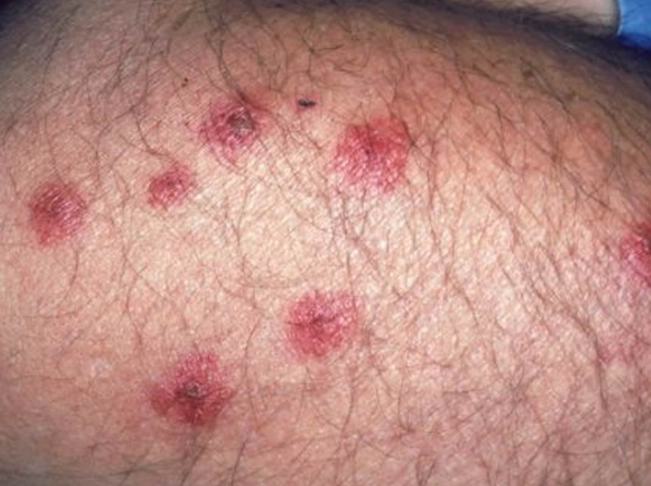
Nymphs vs. Adult Bed Bugs
Nymphs hatch from eggs and go through five molts before becoming adults. They start almost invisible and grow to about 2-5 mm. After each molt, they darken. A common mistake is thinking nymphs are a different insect; they're just younger versions. They need to feed to grow, so if you see small, pale bugs that leave itchy bites, they're likely nymphs.
Adults are the ones you'll recognize from pictures. They're larger, darker, and more resilient. But here's something rarely mentioned: adult bed bugs can live for months without feeding, so even if you don't see them active, they might be hiding.
How to Spot Bed Bugs in Your Home
Knowing what they look like is half the battle; knowing where to look is the other half. Bed bugs are nocturnal and hide during the day.
Common Hiding Places
Check these spots first:
- Mattress seams and tags: Run your fingers along the edges; bed bugs feel like small bumps.
- Bed frames and headboards: Especially in cracks or screw holes.
- Furniture crevices: Couches, chairs, and even picture frames.
- Baseboards and electrical outlets: They love dark, tight spaces.
I've found bed bugs behind loose wallpaper and inside clocks. They're sneaky.
Signs Beyond the Bugs
Sometimes, you won't see the bugs themselves but evidence:
- Fecal spots: Small, dark dots that smear like marker ink on sheets or walls.
- Blood stains: Rusty-colored spots from crushed bugs or feeding.
- Shed skins: Pale, shell-like casings from molting nymphs.
- Musty odor: A sweet, coriander-like smell in heavy infestations.
If you see these, it's time for a closer look.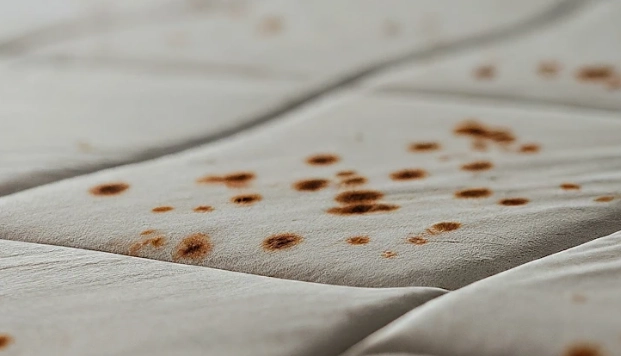
Bed Bugs vs. Look-Alikes: Don't Get Fooled
This is where people mess up. Many insects resemble bed bugs, leading to unnecessary panic or missed infestations.
| Insect | Key Differences from Bed Bugs | Common Confusion |
|---|---|---|
| Fleas | Smaller (1-3 mm), dark brown, jump; found on pets | People think flea bites are bed bug bites |
| Carpet Beetles | Have wings, rounded body, often hairy larvae | Larvae mistaken for bed bug nymphs |
| Ticks | Larger, eight legs, attach to skin | Fed bed bugs look similar in color |
| Booklice | Very small, pale, found in damp areas | Eggs or nymphs confused for bed bugs |
I had a case where a family sprayed for bed bugs, but it was carpet beetle larvae—they don't bite, but the hairs cause rashes. Save yourself the trouble: compare movement. Bed bugs crawl steadily; fleas hop; beetles scurry.
A Step-by-Step Inspection Guide
Let's walk through a real scenario: you're in a hotel room or just moved into a new apartment. Here's how to inspect like a pro.
Step 1: Gather tools. You'll need a flashlight, a credit card (for scraping crevices), magnifying glass, and white tape.
Step 2: Start with the bed. Strip the sheets and check the mattress seams, especially at the corners. Use the flashlight at a low angle to highlight shadows. I once found a cluster of nymphs by doing this—they looked like tiny moving specks.
Step 3: Move to furniture. Inspect sofas, chairs, and drawers. Bed bugs love wood and fabric joints. Use the credit card to scrape along cracks; if anything comes out, capture it with tape.
Step 4: Check less obvious spots. Look behind picture frames, inside electrical outlets (turn off power first), and along baseboards. In a severe infestation I dealt with, bed bugs were hiding behind a loose outlet cover.
Step 5: Document findings. Take photos or videos. If you're unsure, compare to online resources from authoritative sites like the EPA's bed bug page. Don't rely on memory; things can look different in person.
This might take 30 minutes, but it's worth it. Early detection saves thousands in treatment costs.
If You Find Them: What to Do Next
So you've identified bed bugs. Don't panic. First, confirm with a professional if possible. Many pest control companies offer free inspections. Avoid DIY sprays; they often scatter bugs and make the problem worse.
Contain the area. Wash bedding in hot water and dry on high heat. Vacuum thoroughly, but dispose of the bag outside immediately. Consider encasing mattresses and box springs.
For treatment, consult experts. Integrated Pest Management (IPM) approaches, recommended by the EPA, combine chemical and non-chemical methods. Heat treatments are effective but pricey.
I've seen people throw out furniture prematurely. Sometimes, it can be treated. Weigh the costs.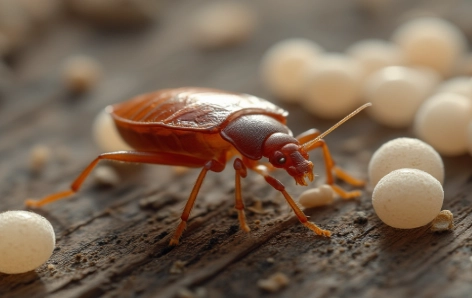
Your Questions Answered
LEAVE A REPLY
Your email address will not be published. Required fields are marked *