That question—how do you get bed bugs—keeps a lot of people up at night, and not just because of the itching. There's a stigma, a feeling that it's about cleanliness. Let's clear that up right away: bed bugs don't care if your home is spotless or messy. They care about one thing: a blood meal. Getting them is almost always about bad luck and opportunity, not poor housekeeping. Understanding exactly how they move is your first and best line of defense.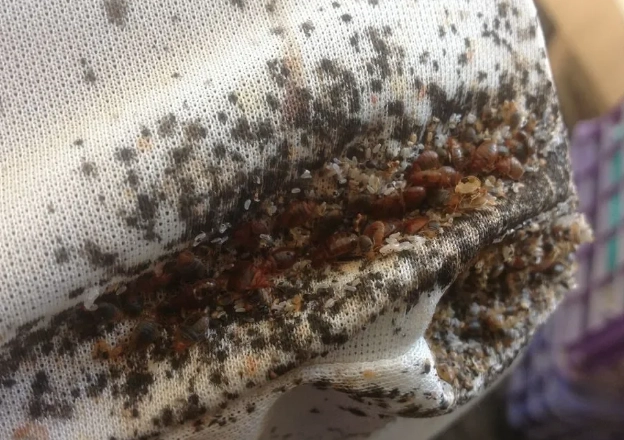
What You'll Find in This Guide
Bed Bug 101: What You're Actually Dealing With
Before we dive into the "how," let's talk about the "what." Bed bugs (Cimex lectularius) are small, wingless, reddish-brown insects. They're experts at hiding and can live for months without a meal. Their entire lifecycle—from egg to nymph to adult—revolves around finding a host (that's you, your family, or your pets) to feed on.
The key thing to remember is that bed bugs are hitchhikers. They don't fly or jump like fleas. They crawl. Slowly. They get from point A to point B by latching onto luggage, bags, clothing, furniture, or other objects. This passive mode of travel is central to understanding every single way an infestation starts.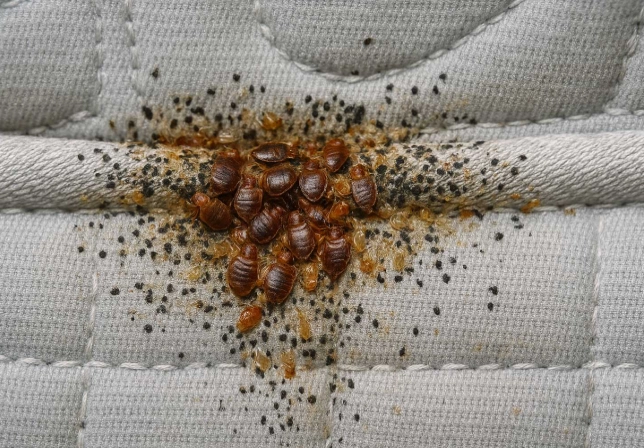
Expert Insight: A common misconception I've seen over the years is people thinking bed bugs are too small to see. Nymphs (babies) are indeed tiny and pale, but adult bed bugs are about the size of an apple seed. If you know what to look for—a flat, oval, reddish-brown bug—you can spot them. The real challenge isn't their size, it's their genius for squeezing into seams, cracks, and crevices you'd never think to check.
The 7 Most Common Ways Bed Bugs Get Into Your Home
Based on pest control reports and case studies, these are the primary routes of entry. Think of this as a risk assessment for your own life.
1. Travel and Hotels (The #1 Culprit)
This is the big one. You stay in a hotel, motel, Airbnb, or even a friend's guest room that has an issue. A few bugs or eggs hitch a ride in your suitcase, nestled in the folds of your clothes, or even in your laptop bag. You bring them home, unpack, and the cycle begins. Even luxury resorts aren't immune.
What most people miss: They only check the bed sheets. You need to pull back the sheets and inspect the mattress seams, the box spring edges, and the headboard (especially if it's attached to the wall). Look for tiny black fecal spots (like a marker dot), shed skins, or the bugs themselves. Keep your luggage on a luggage rack or in the bathtub—never on the bed or floor.
2. Second-Hand Furniture and Mattresses
A "great find" on the curb, at a thrift store, or from an online marketplace can come with a terrible hidden cost. Upholstered items like couches, armchairs, and especially mattresses are prime real estate for bed bugs. They can hide deep within the padding and seams for weeks.
I once helped a client who brought in a beautiful vintage armchair. The infestation was so established inside the cushion lining that it took us weeks to fully resolve. The rule is simple: scrutinize every inch of used furniture before it enters your home. If you can't inspect it thoroughly, think twice.
3. Multi-Unit Housing (Apartments & Condos)
If your neighbor has bed bugs and doesn't get proper treatment, you are at direct risk. They can travel through wall voids, electrical outlets, plumbing lines, and under baseboards. This is a major problem in densely populated buildings. Your own cleanliness has zero bearing in this scenario.
4. Public Transportation and Shared Spaces
Think movie theaters, library chairs, buses, trains, and ride-shares. While the risk of picking up a breeding pair from a brief sit-down is lower than from an overnight stay, it's not zero. If you sat in an infested seat, one could crawl onto your coat or bag.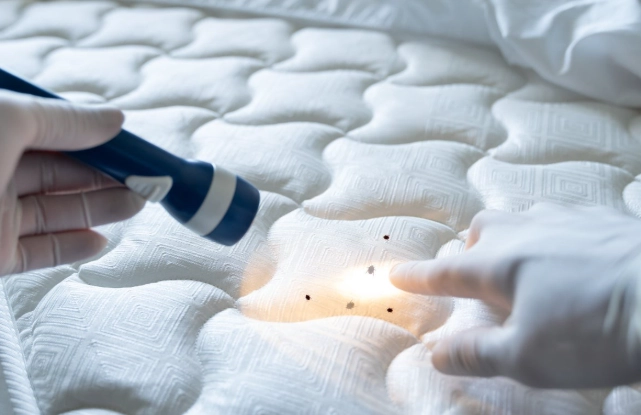
5. Visitors and Guests
The friend or family member who comes over for the night might unknowingly bring unwanted guests. Their bag placed on your bed or a guest coat hung in your closet can be the transfer point. It's an awkward conversation, but if someone has recently dealt with an infestation or traveled extensively, it's fair to ask them to keep their bags in a tiled area like the laundry room.
6. Workplaces and Offices
More common than people realize. If your office has upholstered chairs, couches in break rooms, or shared locker spaces, bed bugs can be brought in by one employee and spread. They can then hitch a ride home in your briefcase or work bag.
7. Laundry Facilities
Shared laundry rooms in apartment buildings are a potential hotspot. Transfer can happen via the laundry baskets or the machines themselves. Always use a clean, plastic basket for your washed clothes and fold them at home, not on a communal table.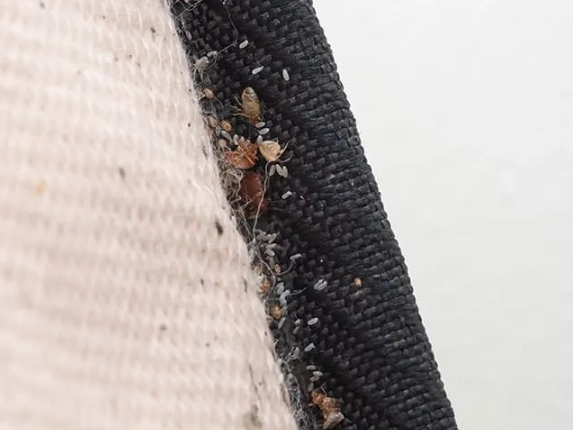
The Big Myth Buster: "Bed bugs are only in beds." False. While they prefer areas close to where people sleep or sit for long periods, severe infestations can spread to dressers, nightstands, behind picture frames, inside electrical outlets, and along baseboards. They're named for their favorite starting point, not their only habitat.
How to Spot the Early Signs (Before It's a Crisis)
Catching an infestation early makes eradication simpler, cheaper, and less stressful. Here’s what to look for, beyond just bites (which many people don't react to at all).
Small, Rusty or Reddish Stains on your sheets or mattress. These are caused by crushed bugs.
Dark Spotting (Fecal Matter) that looks like a fine-point marker dot. You'll find these on mattress seams, box springs, bed frames, and even on walls or furniture near the bed.
Eggs and Eggshells, which are tiny (about 1mm), pale yellow, and often found in clusters.
Shed Skins as the nymphs grow, they molt five times. These pale yellow exoskeletons are a clear sign of a growing population.
The Bugs Themselves in mattress seams, behind headboards, and in the joints of furniture.
Make a habit of a quick visual check when you change your sheets. Use a flashlight and a credit card to run along seams and cracks. It takes two minutes and can save you thousands.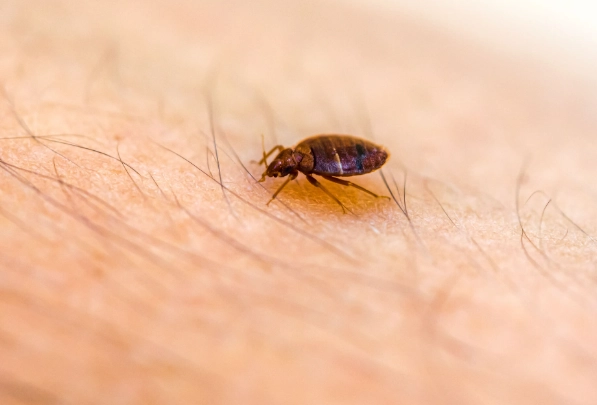
Your Proactive Defense Strategy: How to Stop Them
Knowledge is power. Now that you know how do you get bed bugs, you can build a practical defense.
For Travel: Pack large plastic garbage bags. When you arrive, put your suitcase in a bag and tie it shut. After your inspection, if the room is clear, you can remove it. When you get home, unpack directly into the washing machine (use high heat for drying), and store your suitcase in a garage, basement, or sealed bag.
For Second-Hand Items: If you must bring something in, isolate it. A garage or sealed plastic sheeting tent is ideal. Consider using a portable bed bug heater (available for rental) to treat items before they enter your living space.
General Home Defense: Reduce clutter—it gives them fewer places to hide. Install protective, pest-proof encasements on your mattress and box spring. These trap any existing bugs inside and starve them, and prevent new ones from getting into the mattress core. Consider installing interceptors (small plastic cups) under the legs of your bed. These trap bugs trying to climb up or down, acting as an early warning system.
If you live in an apartment, know your rights and your landlord's responsibilities regarding pest control, which vary by location. Resources from the Environmental Protection Agency (EPA) and Centers for Disease Control and Prevention (CDC) offer guidelines on bed bug management and pesticides.
Finally, if you find signs, don't panic and don't start spraying over-the-counter pesticides randomly. This can scatter the bugs and make professional treatment harder. Contact a licensed, reputable pest control professional who has experience with bed bugs. They can confirm the identity and recommend a comprehensive treatment plan, which may include a combination of heat treatment, targeted insecticides, and steam.
Questions We Hear All the Time
Can bed bugs live in your hair?
It's extremely rare and not their preferred habitat. Bed bugs are attracted to the carbon dioxide you exhale and your body heat, not your hair. They prefer flat surfaces near where you sleep or rest. You might find them on your scalp if an infestation is severe and they're displaced, but they won't establish a colony there. Lice are the pest that specializes in hair.
Can bed bugs come from a neighbor's apartment?
Yes, this is a major risk in multi-unit housing like apartments and condos. Bed bugs can travel through wall voids, electrical conduits, plumbing lines, and even under baseboards or door frames. If your neighbor has an untreated infestation, it can spread to adjoining units. Proactive communication with your landlord or property manager about building-wide inspections is crucial if you suspect this route of entry.
Can you get rid of bed bugs by cleaning?
Thorough cleaning is a critical part of the solution, but it's rarely enough on its own for an established infestation. Vacuuming meticulously (especially seams, cracks, and crevices) and washing/drying fabrics on high heat can remove many bugs and eggs. However, eggs are glued to surfaces and bugs hide deep in places cleaning can't reach, like inside electronics or wall sockets. Professional treatment is often necessary to combine cleaning with targeted pesticides or heat.
Do you feel bed bugs biting you?
Usually not at the moment of the bite. Bed bugs inject a mild anesthetic and an anticoagulant when they feed, which typically prevents you from feeling it. The reaction—itching, red welts—often appears hours or even days later. This delayed reaction is why many people don't immediately connect the bites to their bed, allowing an infestation to grow unnoticed.
LEAVE A REPLY
Your email address will not be published. Required fields are marked *