Quick Guide to Cave Crickets
- What Exactly Is a Cave Cricket? Let's Clear Up the Identity Crisis
- Why Are Cave Crickets in My House? (They Didn't Pay Rent)
- The Truth About Danger: Bites, Damage, and Health Risks
- How to Get Rid of Cave Crickets: A Step-by-Step Action Plan
- Cave Cricket Life Cycle and Biology: Understanding Your "Tenant"
- Frequently Asked Questions (The Stuff You're Actually Searching For)
- Long-Term Prevention: Making Sure They Don't Come Back
I'll never forget the first time I saw one. It was late, I was grabbing a spare blanket from the basement storage room, and there it was—perched on the edge of a cardboard box like some alien sentry. Long, spindly legs, a humped back, and antennae that seemed to sense my panic before I even made a sound. It jumped. Not a little hop, but a frantic, unpredictable arc right towards me. I yelped. It was a cave cricket. My peaceful basement was suddenly a creepy-crawly nightmare.
If you're reading this, you've probably had a similar heart-skipping moment. That sudden encounter with a cave cricket (you might call them camel crickets, spider crickets, or sprickets) is unsettling. They look like a spider decided to crossbreed with a cricket, and their jerky movements are pure nightmare fuel for a lot of folks. But here's the thing I learned after that initial scare: they're mostly just weird, not wicked. This guide is everything I wish I'd known back then—a deep dive into what these creatures are, why they pick your house, and most importantly, how to convince them to leave without losing your mind.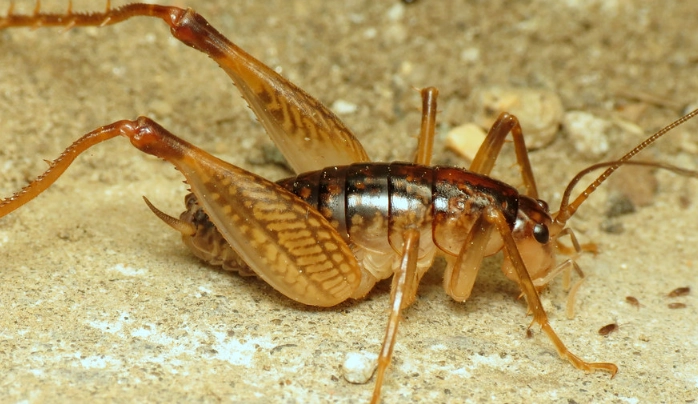
What Exactly Is a Cave Cricket? Let's Clear Up the Identity Crisis
First off, the name game. "Cave cricket" is the common name for insects in the family Rhaphidophoridae. They're not true crickets (that's family Gryllidae), but they're close cousins. The humped back earns them the name "camel cricket." Their long legs and tendency to startle people get them called "spider crickets." It's all the same bug. I'll stick with cave cricket here because it hints at their preferred habitat: dark, damp, and cool places.
They're the introverts of the insect world, shunning light and actively avoiding the chirping, social gatherings of their field cricket cousins. You'll almost never hear a cave cricket chirp. They're silent, which somehow makes them creepier when you stumble upon them.
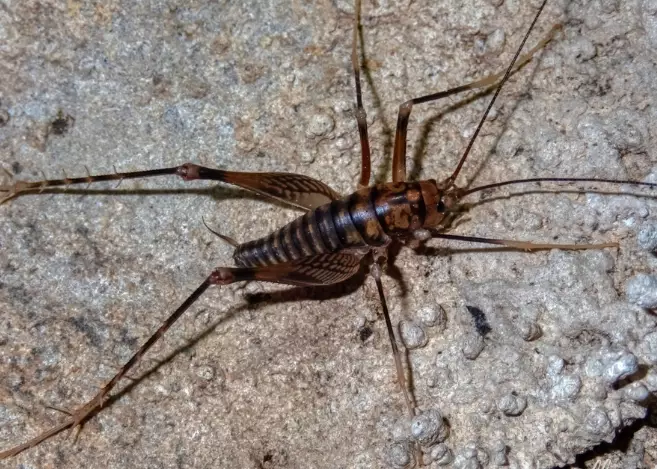
How do you tell it apart from the common house cricket? Good question. I made a little chart because it helped me stop panicking over every dark blob in the corner.
| Feature | Cave Cricket (Camel Cricket) | House Cricket |
|---|---|---|
| Body Shape | Humped back, spider-like | Flattened, oval body |
| Color | Light brown to dark brown, often mottled | Yellowish-brown with dark bands/lines |
| Antennae | Very long, thin, often longer than body | Long, but typically not exceeding body length |
| Wings | None. Absolutely wingless. | Has wings, folds them flat over back |
| Sound | Silent. Does not chirp. | Loud, persistent chirping (males) |
| Behavior | Jumps erratically when threatened, seeks damp darkness | May hop, attracted to light, seeks warmth |
| Common Hangout | Basements, crawl spaces, garages, mulch beds | Warm areas of home, near heaters, kitchens |
Seeing that "wingless" trait was a game-changer for me. It meant the thing leaping around my basement couldn't suddenly take flight and get in my hair. Small comfort, but I'll take it.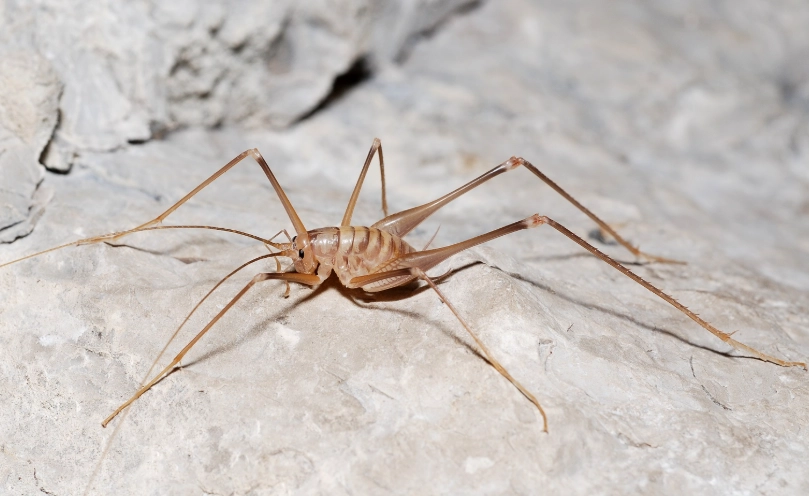
Why Are Cave Crickets in My House? (They Didn't Pay Rent)
They're not plotting an invasion. They're just lost and thirsty. Seriously. Cave crickets thrive in environments with high humidity (think 90% or more) and cool temperatures. Outdoors, that's under logs, in leaf litter, in storm drains, and yes, in caves. Our homes often provide perfect artificial caves: basements, crawl spaces, and garages.
They usually come inside for a few simple reasons:
- Moisture: A damp basement is a five-star resort. Leaky pipes, poor drainage, condensation on walls or floors—it's all a welcome mat.
- Shelter: Cluttered storage areas with cardboard boxes, piles of newspapers, or stacks of wood offer perfect hiding spots.
- Food: They're not picky. They'll munch on fungi, decaying plant matter, other dead insects, and even fabrics or cardboard if they're desperate. They're scavengers, not hunters.
- Weather: Extreme dryness outside or heavy rains can drive them seeking better conditions, and that often means sneaking in through cracks in your foundation or gaps around utility lines.
I realized my own basement was a prime target. An old dehumidifier had broken, and I'd been procrastinating on fixing it. The air was thick and cool. I had boxes of old clothes and books piled up. I'd basically rolled out the red carpet for them.
The Truth About Danger: Bites, Damage, and Health Risks
Let's be brutally honest. The main danger posed by a cave cricket is to your peace of mind. That heart-stopping jump can ruin an evening. But in practical terms?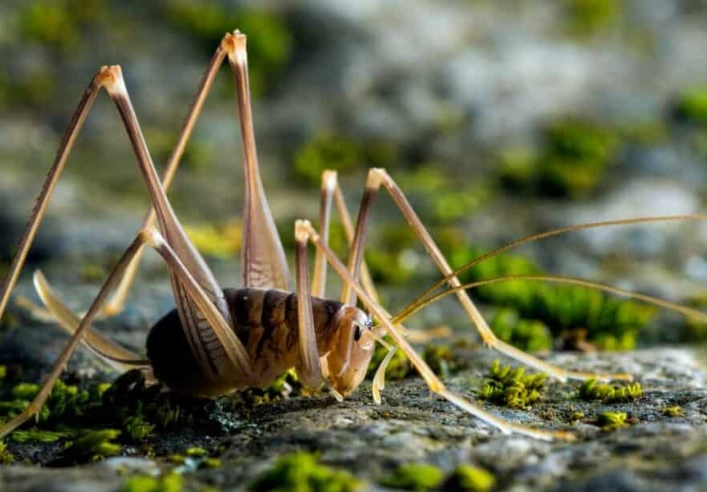
Do Cave Crickets Bite?
Technically, they can. They have mouthparts capable of it. But they have zero interest in biting you. They're not blood-feeders like mosquitoes or bed bugs. In extremely rare cases, if one is trapped against your skin (like in a sleeping bag or shoe), it might give a defensive pinch. Reports of this are exceedingly rare and the effect is negligible—less than a mild ant bite. The fear is way out of proportion to the actual risk.
Do They Spread Disease?
There is no evidence that camel crickets are vectors for human diseases. Unlike cockroaches or flies, they don't travel between sewage and your food. Their diet of decay and their aversion to open spaces makes them poor disease carriers. The Environmental Protection Agency (EPA) doesn't list them as a public health pest, which is a pretty good indicator.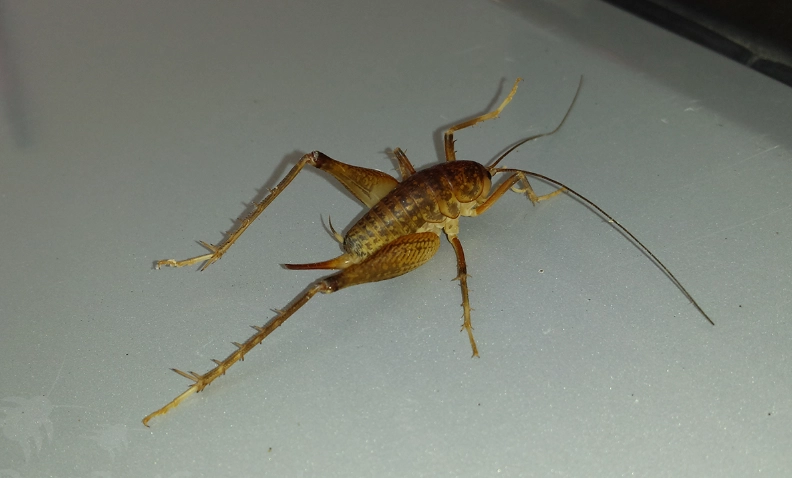
Can They Damage My Home or Belongings?
This is the more valid concern. While they won't chew structural wood like termites, cave crickets can cause nuisance damage.
- Fabrics & Paper: Their mandibles can chew holes in natural fiber fabrics (cotton, wool, silk), curtains, and rugs, especially if stained with food or sweat. They'll also gnaw on cardboard boxes, books, and paper.
- Plants: If you have indoor plants or a greenhouse, they might nibble on seedlings or soft-stemmed plants.
- Stains: Their droppings are small and black, like pepper flakes. A large population can leave unsightly droppings on stored items.
How to Get Rid of Cave Crickets: A Step-by-Step Action Plan
Okay, enough biology. Let's talk eviction. I don't believe in nuking your house with chemicals for a pest that's more icky than invasive. A smart, layered approach works best. Think of it as making your home incredibly boring and inhospitable for them.
Step 1: Cut Off the Water Supply (Moisture Control)
This is non-negotiable. It's the single most effective thing you can do.
- Get a Dehumidifier: Run it in your basement or crawl space. Aim to keep relative humidity below 60%. This one change alone can force a mass exodus.
- Fix Leaks: Check for plumbing leaks, dripping condensation from AC pipes, or water seepage from foundation walls.
- Improve Ventilation: Use fans. Ensure crawl space vents are clear. Consider a vent fan for the garage.
- Gutters and Grading: Outside, make sure downspouts direct water away from your foundation. The soil should slope away from the house.
Step 2: Seal the Fort (Exclusion)
How are they getting in? Time to play detective.
- Inspect your foundation for cracks. Seal them with caulk or hydraulic cement.
- Check where utilities (pipes, cables, gas lines) enter the house. Use expanding foam or copper mesh to seal gaps.
- Ensure door sweeps on basement and garage doors are tight. Repair torn window screens.
Step 3: Declutter and Clean (Habitat Removal)
Take away their hiding spots. I know, it's a pain. It was for me too.
- Move storage boxes off the floor onto metal shelving.
- Reduce piles of newspaper, cardboard, and fabrics.
- Keep the perimeter of your home outside clear of leaf piles, wood stacks, and dense mulch right against the foundation.
Step 4: Direct Removal (Trapping and Vacuuming)
For the current residents, you need a direct approach.
- The Vacuum Cleaner: Your best friend. Use the hose attachment to suck them up. It's immediate, clean, and effective. Empty the canister or bag outside immediately.
- Sticky Traps: Place glue boards (the kind used for mice or insects) along walls, in corners, and behind appliances. Cave crickets follow edges, so placement is key. Check and replace regularly. It's a great way to monitor the population level.
- DIY Trap: A shallow dish with a little beer or a mixture of water and molasses. They're attracted, fall in, and drown. It works, but it's a bit messy.
Step 5: Chemical Controls (The Last Resort)
I'm hesitant with insecticides indoors, especially in areas like basements where air circulation can be poor. If you have a severe infestation, consider these options, but always read the label first.
- Insecticidal Dusts: Products like diatomaceous earth (DE) or silica aerogel can be puffed into wall voids, under appliances, and other hard-to-reach areas. These work by desiccating the insect's exoskeleton. Food-grade DE is a low-toxicity option. Wear a mask when applying.
- Perimeter Sprays: Applying a residual insecticide spray (like those containing bifenthrin or lambda-cyhalothrin) around the exterior foundation, door thresholds, and potential entry points can create a barrier. This is best done by a professional for safety and accuracy.
- Insect Growth Regulators (IGRs): These disrupt the life cycle, preventing juveniles from maturing. They are often mixed with other insecticides for a longer-term effect.
Cave Cricket Life Cycle and Biology: Understanding Your "Tenant"
Knowing a bit about their life helps break the cycle. Female cave crickets lay eggs in damp soil or organic debris in spring and summer. The nymphs look like tiny, pale versions of the adults and go through several molts over a year or more before becoming adults. They can live for 1-2 years, which is quite long for an insect. This is why a persistent moisture problem can lead to a multi-generational issue indoors.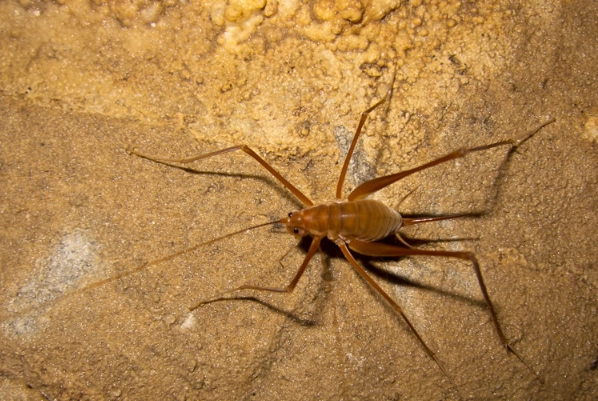
They are primarily nocturnal and have poor eyesight. They navigate using their long antennae and those highly sensitive hind legs. That erratic jump? It's a blind, panic-driven escape mechanism. They can't control where they land. Understanding this made me feel a little less like they were targeting me personally.
Frequently Asked Questions (The Stuff You're Actually Searching For)
Can cave crickets fly?
No. Absolutely not. Remember, they are wingless. That terrifying leap is as airborne as they get.
What do cave crickets eat?
They're the cleanup crew. Decaying plants, fungi, mold, dead insects, and sometimes each other. Indoors, they'll go for the lint, fabrics, and cardboard mentioned earlier.
What attracts cave crickets to my house?
Dampness. Darkness. Clutter. In that order. Fix the moisture, and you solve 80% of the problem.
Are they related to spiders?
No, not at all. They are insects (six legs). Spiders are arachnids (eight legs). The "spider cricket" nickname is purely for their leggy appearance and movement.
Do they make noise?
Not like crickets. You might hear a very faint ticking or rustling if many are moving through dry leaves or paper, but no chirping.
What eats cave crickets?
In nature, they're food for spiders, centipedes, salamanders, and small mammals. In your basement, the house centipede is a major predator. I know, trading one creepy crawly for another. But house centipedes are fantastic pest controllers and genuinely want nothing to do with you. It's a tough sell, but they're allies in this damp war.
Can they come up through drains?
It's possible, but not common. They are more likely in floor drains in basements or garages that are dry or rarely used. Pouring a cup of water down unused drains monthly can create a seal. For active drains, a drain cover can help.
Myth Buster: The "Jumping at You" Myth
This is the big one. It feels personal, like they're attacking. I believed it too. Entomologists say it's a defensive leap away from a perceived threat (you, the giant looming creature). Because they jump backwards and sideways with no control, it often ends up towards you. They're not attacking. They're failing spectacularly at escaping. Knowing this doesn't make the jump less startling, but it removes the malicious intent. They're just clumsy, scared bugs.
Long-Term Prevention: Making Sure They Don't Come Back
Once you've gotten control, keep it. This isn't a one-time project.
- Maintain your dehumidifier. Empty it regularly, clean the filter.
- Keep storage areas tidy and elevated. Make it a habit.
- Do seasonal perimeter checks. Every spring and fall, walk around your home's exterior. Look for new cracks, gaps, or moisture issues.
- Keep outdoor areas tidy. Move firewood piles away from the house. Keep gutters clean.
I've come to see a cave cricket not as an invading monster, but as a very effective, if utterly horrifying, humidity alarm. The first one I saw was a warning I ignored until there were more. Now, if I see one, my first thought isn't "kill it!" it's "Where's the moisture coming from?" It's a shift from reaction to prevention.
Look, I still don't like them. I probably never will. Their design is just too unsettling. But understanding them took away the fear of the unknown. They're simple creatures with simple needs: damp and dark. Deny them that, and your home becomes as appealing to a cave cricket as a bright, sunny desert. And that's a victory you can maintain for good.
For more detailed taxonomic information on these insects, curious readers can explore resources from institutions like Cornell University's Department of Entomology, which provides scientifically accurate profiles of various insect families.
LEAVE A REPLY
Your email address will not be published. Required fields are marked *