In This Guide
- Why Should You Even Care About Scorpions?
- Scorpion Identification 101: What Are You Looking At?
- The Sting: What Happens and What You MUST Do
- Keeping Scorpions Out of Your Life (and Home)
- Top 3 Myths About Scorpions That Need to Die
- Scorpions and Pets: What's the Risk?
- Answering Your Burning Scorpion Questions
- Final Thoughts: Respect, Don't Panic
Let's be honest, most of us have a pretty strong reaction to the word "scorpion." It's either fascination or straight-up fear. I remember camping in Arizona once and finding one under my shoe in the morning. My heart nearly jumped out of my chest. But after that initial scare, I got curious. What was this creature really about? Was it out to get me, or was it just… being a scorpion? Turns out, there's a whole world to these guys that most of us completely miss, fueled by movies and myths.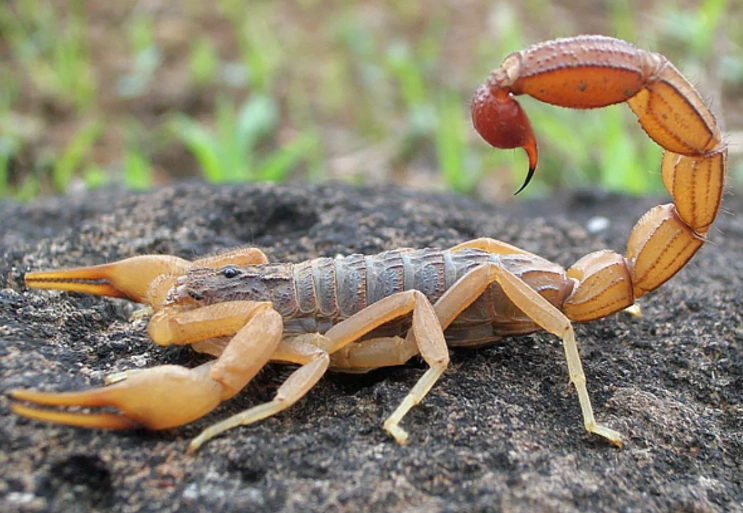
This guide isn't just a dry list of facts. It's meant to be the one-stop resource I wish I'd had. We're going to dig into what scorpions really are, how to spot the risky ones, what to actually do if you get stung (because let's face it, that's the big fear), and how to peacefully coexist if you live in their neighborhood. I'll even throw in some stuff that surprised me—like the fact that most scorpion stings are no worse than a bee sting for adults. Who knew?
Why Should You Even Care About Scorpions?
Good question. If you don't live in the desert, maybe you think they're not your problem. But here's the thing: scorpions are survivors. They've been around for over 430 million years, outlasting the dinosaurs. They've adapted to live on every continent except Antarctica. From deserts to rainforests, and yes, sometimes even in suburbs. Understanding them is less about fear and more about respect and practical safety.
For some, it's a matter of genuine safety. Certain species possess venom that demands serious attention. For gardeners, hikers, or pet owners, knowing what you're looking at is crucial. For the simply curious, they're just incredibly cool examples of evolution. Their glowing under UV light? One of nature's best party tricks. This guide aims to cover all those angles.
Scorpion Identification 101: What Are You Looking At?
So you see something scuttling that looks like a mini-lobster with a curled tail. Is it a scorpion? Probably. All scorpions share the same basic body plan, which makes them easier to identify than, say, spiders. But telling them apart? That's where it gets interesting.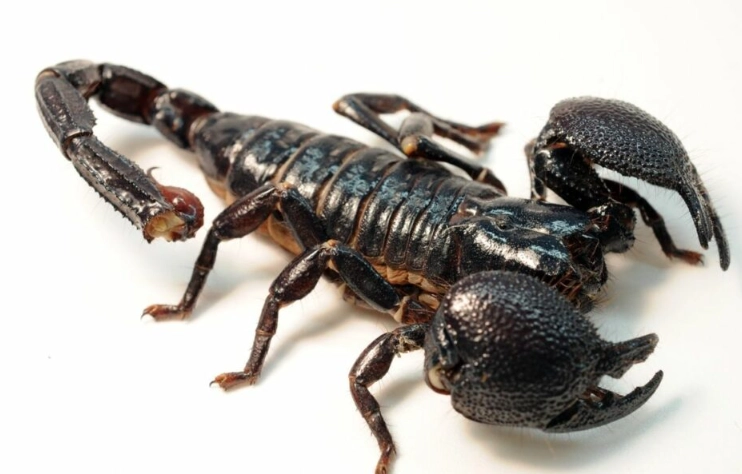
Every true scorpion has a fused head and thorax (called a cephalothorax), eight legs, a pair of pincers (pedipalps), and of course, the iconic segmented tail (metasoma) ending in the stinger (telson). The size and shape of the pincers versus the tail are your first major clues. It's a classic trade-off in the scorpion world.
The Pincer vs. Tail Rule of Thumb
This is a handy, non-scientific but generally useful trick I learned from an entomologist.
- Big, meaty pincers + thin, slender tail: These scorpions are the brawlers. They rely on their strong claws to crush prey. Their venom is often weaker because they don't need a powerful sting to subdue dinner. Think of them as the wrestlers of the scorpion world.
- Small, slender pincers + thick, powerful tail: These are the precision strikers. Their claws are for holding, not fighting. All their evolutionary investment went into that tail and potent venom for a quick, neurotoxic kill. These are the ones you want to be more cautious around.
It's not a perfect system, but it's a great starting point when you're trying to gauge risk from a safe distance.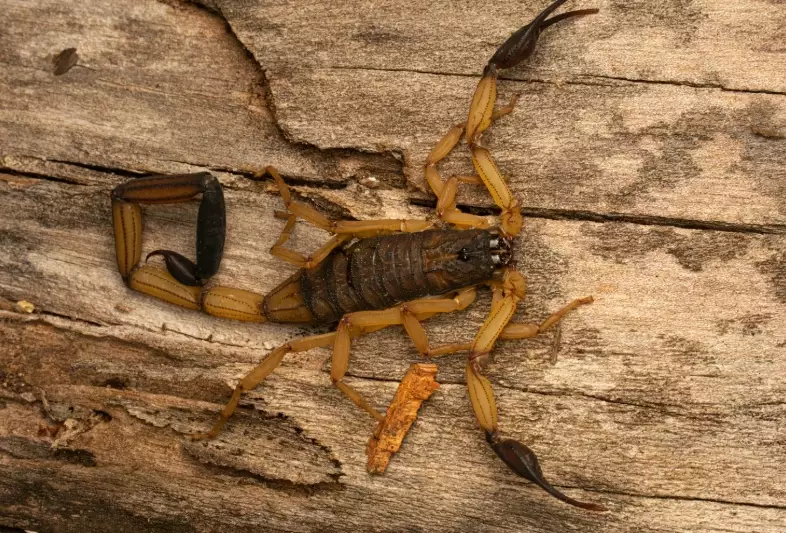
Common Scorpions You Might Encounter
Here’s a breakdown of some frequent players, especially in North America. This table should help you make a first-pass identification.
| Species Name | Key Identifying Features | Typical Habitat | Venom Potency (Human Risk) |
|---|---|---|---|
| Arizona Bark Scorpion | Slender, pale yellow body. Very thin pincers and tail. Adults about 3 inches long. | Southwestern U.S., particularly Arizona. Under bark, rocks, in homes. | HIGH. The most venomous in North America. Medical attention often needed. |
| Striped Bark Scorpion | Yellowish with two dark stripes on its back. More robust than the Arizona bark. | Central and Southwestern U.S. Ground-dweller under debris. | MODERATE. Painful sting, but usually not life-threatening for healthy adults. |
| Desert Hairy Scorpion | Large (up to 6 inches), dark brown with… you guessed it, brown hairs on its legs and tail. | Sonoran and Mojave deserts. Burrower. | LOW. Big pincers, less potent venom. Sting is like a bee sting. |
| Emperor Scorpion | Very large, glossy black, incredibly bulky pincers. Popular in the pet trade. | African rainforests. Pet enclosures worldwide. | VERY LOW. Its pinch is worse than its sting. Considered gentle for a scorpion. |
See what I mean about the pincer-tail relationship? Look at the Arizona Bark versus the Desert Hairy. Totally different body strategies. If you can only remember one from that table, make it the Arizona Bark Scorpion. Its presence is a good reason to be vigilant about sealing up your home if you're in its range.
The Sting: What Happens and What You MUST Do
This is the section everyone scrolls to first. Let's cut through the panic and get to practical steps. I've sorted through guidelines from sources like the CDC and the American Association of Poison Control Centers to give you a clear action plan.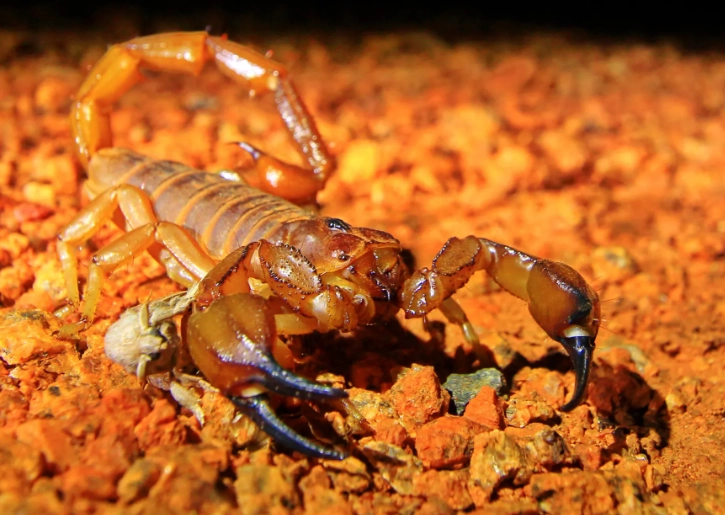
- Stay Calm. Seriously. Panicking increases your heart rate and can spread venom faster. Take slow, deep breaths.
- Wash the Area gently with mild soap and cool water.
- Apply a cool compress (a cloth with cold water or an ice pack wrapped in a towel) to the site. This helps with pain and swelling. 15 minutes on, 15 minutes off.
- Take an over-the-counter pain reliever like acetaminophen or ibuprofen if needed.
- DO NOT apply a tourniquet, cut the wound, suck out the venom, or apply ice directly to the skin. These are old myths that cause more harm.
When to Drop Everything and Get to a Hospital
This is critical. For most stings from non-dangerous species, the above steps are enough. But here are the red flags that mean you need professional medical help immediately:
- The person stung is a young child, an elderly person, or has a known allergy to insect venom.
- Sting location is in the mouth, neck, or very close to an eye.
- You suspect the sting is from a highly venomous species (like the Arizona Bark Scorpion in the U.S.).
- Symptoms escalate beyond local pain: Difficulty breathing, swallowing, or speaking. Muscle twitching, roving eyes, slurred speech, severe agitation or restlessness. Numbness or tingling spreading away from the sting site. These are signs of systemic neurotoxic effects.
When in doubt, call Poison Control (1-800-222-1222 in the U.S.) or go to the ER. It's always better to be safe.
What Does a Scorpion Sting Actually Feel Like?
Descriptions vary by species. A common non-dangerous sting is often compared to a sharp bee or wasp sting—instant, burning pain at the site, some swelling, maybe redness. It fades over a few hours.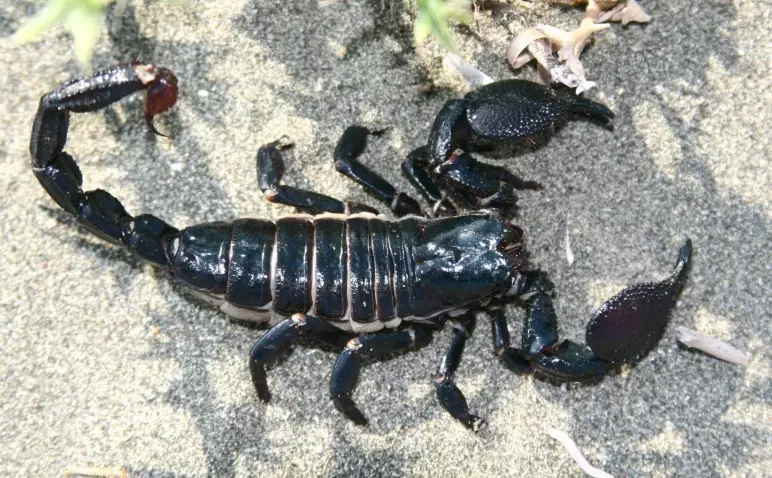
A sting from something like an Arizona Bark Scorpion is different. I've heard it described as a sharp pinprick followed by a growing tingling or numbness (like your foot falling asleep), and sometimes a "crawling" sensation on the skin. The pain can be intense, but it's those neurological symptoms—the twitching, the restlessness—that are the real hallmarks of significant envenomation. Kids often react much more severely, which is why they're a high-risk group.
Keeping Scorpions Out of Your Life (and Home)
Okay, so you'd rather not meet one face-to-face. I get it. Prevention is all about making your space less appealing than the great outdoors. Scorpions are looking for three things: food (other insects), water, and shelter.
- Seal the Fort: This is job one. Use caulk to seal cracks in your home's foundation, around pipes, windows, and door frames. Install weather stripping on doors. Pay special attention to where utilities enter the house.
- Eliminate the Buffet: Reduce other insect populations. Fix leaky faucets, don't leave pet water out overnight, manage garbage tightly. No bugs means no scorpion food.
- Declutter the Perimeter: Move firewood, lumber, bricks, and piles of debris away from your house's walls. Keep grass trimmed and bushes pruned back.
- Inspect Before Bringing Inside: Shake out shoes, gloves, and clothing that have been in garages or on the floor. Check boxes from storage. I know someone who got stung by a scorpion hiding in a towel from their garage.
- Consider a UV Flashlight: Scorpions fluoresce under blacklight. Doing a periodic scan around your property at night can reveal hiding spots and help you gauge if you have a population nearby.
What about pesticides? They can be part of a solution, but they're not a magic bullet. Many insecticides have limited effect on scorpions due to their low metabolism and exoskeleton. A professional pest control service familiar with scorpions is your best bet if you have a persistent problem. They can use targeted products and know where to apply them. DIY spraying often just wastes money.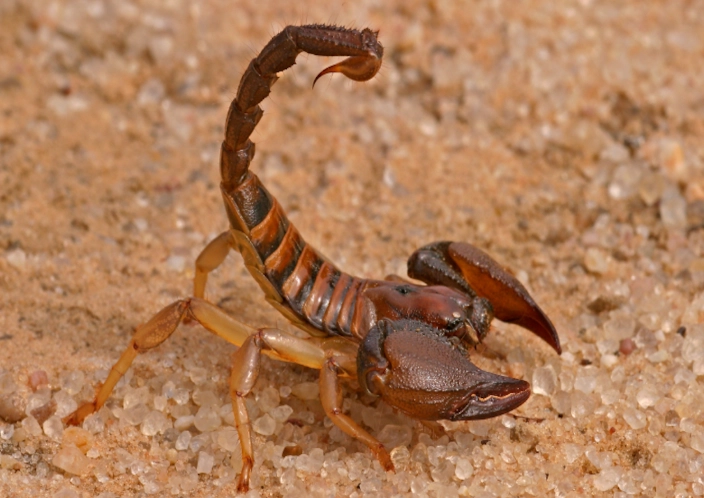
Top 3 Myths About Scorpions That Need to Die
Let's clean up some of the misinformation floating around. You've probably heard some of these.
Myth #1: All scorpions are deadly. This is the big one. As we saw, only a tiny fraction pose a serious threat to humans. The vast majority have venom geared for small prey, not us. Fear shouldn't be your default; informed caution should.
Myth #2: A scorpion will sting itself to death if surrounded by fire. This is a pervasive and completely false legend. Scorpions are highly resistant to their own venom. In a stressful situation like being encircled by fire, they may become disoriented and convulse, which can look like they're stinging themselves, but they are not committing suicide. They're physiologically incapable of it.
Myth #3: Baby scorpions are more dangerous than adults. The logic here is that they "can't control their venom." Not true. While a baby scorpion (scorpling) has the same potency of venom as an adult from birth, it has a much smaller quantity. An adult can deliver a much larger, and therefore potentially more dangerous, dose. The bigger risk with small scorpions is that they're harder to see and avoid.
Scorpions and Pets: What's the Risk?
A lot of pet owners worry about this, and rightly so. Cats and dogs are curious and might try to paw or sniff at a scorpion.
Generally, the same rules apply. A sting from a non-dangerous species will cause local pain, yelping, limping, or pawing at the face/mouth if stung there. It's unpleasant but usually passes in a few hours. You can apply a cool compress and monitor them.
The danger comes from the same highly venomous species that threaten humans. Small pets are at greater risk. Symptoms in pets can include excessive drooling, vomiting, trouble breathing, muscle tremors, and collapse.
If your pet is stung and shows anything more than minor, localized pain, call your vet immediately. It's always better to get professional advice. Keeping your home and yard scorpion-free is the best protection for your furry friends.
Answering Your Burning Scorpion Questions
How long do scorpions live?
Surprisingly long for arthropods! Many species live 3 to 5 years in the wild, but some, like the larger Emperor scorpion, can live 6-8 years or even longer in captivity. They're slow growers.
Can scorpions swim?
No, they cannot swim. They can, however, survive being submerged for a while (up to 48 hours for some species) by slowing their metabolism. They are air-breathers and will eventually drown. Finding one in your pool is about it seeking moisture and falling in, not taking a dip.
What do scorpions eat?
They are strict carnivores. Their menu is almost exclusively other arthropods: insects, spiders, centipedes, and sometimes other scorpions. Larger species might take down small lizards or mice. They use their pincers to grab and crush, or their sting to immobilize, then liquefy their prey with digestive enzymes before sucking it up. Not a pretty dining process, but effective.
Are scorpions related to lobsters?
In a very distant way, yes! They're both in the enormous phylum Arthropoda. But scorpions are in the class Arachnida (with spiders and ticks), and lobsters are in Crustacea. Their last common ancestor was hundreds of millions of years ago. The similar pincer-and-tail body plan is more a case of convergent evolution for a predatory lifestyle than close family ties.
Final Thoughts: Respect, Don't Panic
After diving deep into the world of scorpions, my own perspective shifted from pure fear to a kind of wary respect. They're not malevolent creatures plotting to invade your home. They're incredibly resilient, ancient survivors just trying to make a living in a harsh world. Their biology is fascinating—from their UV glow to their unique hunting styles.
The key takeaway is knowledge. Knowing how to identify the few truly dangerous species in your area empowers you. Knowing the correct first aid for a sting removes panic from the equation. Knowing how to scorpion-proof your home gives you control. You don't have to love them, but you don't have to live in fear of them either.
If you take anything from this guide, let it be this: be aware, be prepared, and be proactive. Check those shoes, seal those cracks, and keep a UV light handy if you're in scorpion country. And if you do encounter one, maybe take a second to appreciate this living fossil before safely relocating it (or having a professional do so). They've earned that much, at least.
LEAVE A REPLY
Your email address will not be published. Required fields are marked *