Quick Navigation
- The Bed Bug Blueprint: Breaking Down Their Appearance
- The Lifecycle in Pictures: How Appearance Changes from Egg to Adult
- "Is This a Bed Bug?" Your Comparison Guide to Common Imposters
- Beyond the Bug: The Signs You Should Be Looking For
- Where to Look: The Step-by-Step Inspection Guide
- Answers to Your Burning Questions (FAQs)
- What to Do If You Find One: First Steps, Not Panic
You wake up with a few itchy bites in a line or cluster. Your mind starts racing. Is it a mosquito? A spider? Or the dreaded bed bug? The first and most critical step is knowing your enemy. Honestly, most people's mental image of a bed bug is pretty vague—some kind of small, brown bug. That's not nearly enough to go on, and misidentifying can lead to wasted money, unnecessary panic, or worse, letting an infestation grow. I've talked to folks who sprayed for the wrong bug for weeks, only to find the real culprits were still having a party. Let's fix that.
This guide isn't just a dry description. We're going to look at what a bed bug looks like from every angle: size, color, shape, and how all of that changes as they grow. We'll compare them to bugs they're commonly mistaken for (you'll be surprised), and I'll walk you through exactly how to check for them. Consider this your visual field manual.
The Bed Bug Blueprint: Breaking Down Their Appearance
Let's start with the basics. When someone asks "what does a bed bug look like," they usually mean the adult. And the apple seed comparison is a good starting point because it's relatable.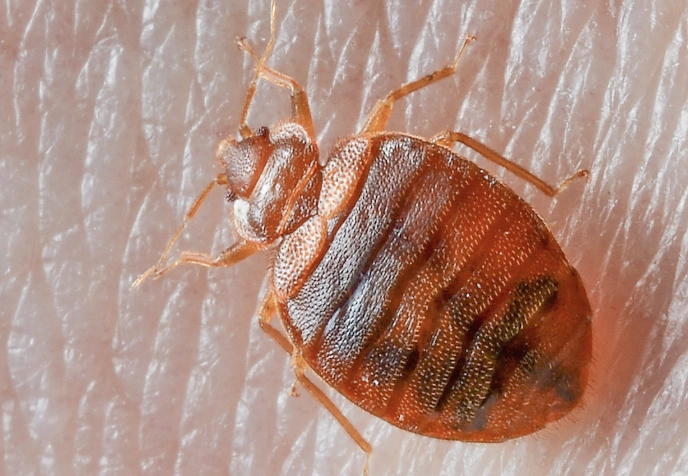
Size Matters: From a Pinpoint to a Seed
Bed bugs aren't one-size-fits-all. Their size is the biggest clue to their age and recent activity.
- Eggs: Tiny. We're talking about 1mm long, like a grain of salt or a speck of dust. They're pearly white and often stuck in crevices or on rough surfaces. You'll need sharp eyes or a magnifying glass to spot these.
- Newly Hatched Nymphs (1st Stage): About 1.5mm. They're translucent or a pale straw color. If they haven't fed, they're nearly invisible against most mattresses. After their first blood meal, you might see a tiny black dot (the digested blood) inside them.
- Growing Nymphs (2nd-5th Stages): They range from 2mm to 4.5mm. With each blood meal, they molt and grow. Their color darkens from pale yellow to a reddish-brown as they mature and digest meals.
- Adults: The classic size. 5-7mm long. That's about 1/4 of an inch. Think apple seed, lentil, or a ladybug without spots. After feeding, they can swell up to 10mm—almost double their length—and become more elongated and balloon-like.
See? Already more complicated than just "small bug." Their size is a sliding scale.
Color and Shape: It's All About the Blood
This is where people get tripped up. The color of a bed bug is not fixed. It's a direct indicator of its last meal.
An unfed adult bed bug has a flat, oval-shaped body. It's broad and looks squashed from top to bottom. The color is a mahogany or rusty brown. This flat shape lets them hide in seams of mattresses, behind headboards, in screw holes—any crack as thin as a credit card.
Now, after a bed bug feeds (a process that takes about 5-10 minutes), it undergoes a dramatic transformation. It engorges with blood, causing its body to expand. It becomes longer, more cylindrical, and less flat. The color changes to a reddish-brown or even a deep, purplish-red. It looks bloated and sluggish. This is the state you might find one in if you flip your mattress suddenly in the middle of the night.
The nymphs are mostly translucent or light tan until they feed. After feeding, you can literally see the dark blood inside their abdomen, making them look like a moving speck of pepper with legs.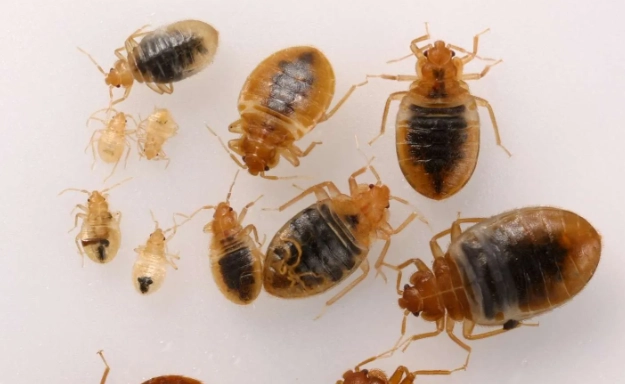
The Nitty-Gritty Physical Features
If you get really close (with a magnifying glass or a good phone camera zoom), you can make out more details. Adult bed bugs have:
- Antennae: Short, four-segmented, and held forward.
- Eyes: Small, compound, and protruding slightly.
- Legs: Six, well-developed for crawling. They don't have wings and cannot jump or fly.
- Body Hair: Short, golden-colored hairs cover their body, giving them a banded or striped appearance under magnification.
- Odor: Not a visual cue, but worth mentioning. A heavy infestation often produces a sweet, musty odor, like overripe raspberries or coriander. Some say it smells like almonds. It's distinct.
I remember the first time I saw one under magnification. The banding on the abdomen was clear, and it looked oddly... hairy. It's not a cute look.
The Lifecycle in Pictures: How Appearance Changes from Egg to Adult
Understanding the lifecycle is key to identification because you're rarely dealing with just adults. An infestation is a mixed-age family. Here’s a straightforward breakdown.
| Life Stage | Approximate Size | Color (Unfed) | Key Identifying Feature | Visibility |
|---|---|---|---|---|
| Egg | ~1mm (grain of salt) | Pearly white | Cylindrical, with a tiny operculum (lid); often in clusters. | Very difficult. Need magnification. |
| 1st Stage Nymph | ~1.5mm | Translucent / pale yellow | Almost invisible until fed; after feeding, a dark central spot. | Difficult. Look for moving specks. |
| 2nd-3rd Stage Nymph | ~2-3mm | Light tan to brown | More defined oval shape; color darkens with meals. | Easier to spot, especially on light sheets. |
| 4th-5th Stage Nymph | ~4-4.5mm | Reddish-brown | Looks like a small, flat adult. | Clearly visible to the naked eye. |
| Adult (Unfed) | ~5-7mm (apple seed) | Mahogany/Rusty Brown | Flat, broad oval body. Classic "bed bug" shape. | Easily visible. |
| Adult (Fed) | ~7-10mm (swollen) | Purplish-Red | Elongated, cylindrical, bloated. Slower moving. | Very easy to spot. |
So when you're inspecting, you're not just looking for apple seeds. You're looking for white specks (eggs), tiny moving pale dots (young nymphs), and reddish bloated bugs (recently fed adults). It's a full cast of characters.
"Is This a Bed Bug?" Your Comparison Guide to Common Imposters
This is arguably the most useful section. Misidentification is rampant. Let's clear up the confusion with some direct comparisons. I've had clients send me pictures of carpet beetles convinced it's an apocalypse. It's not.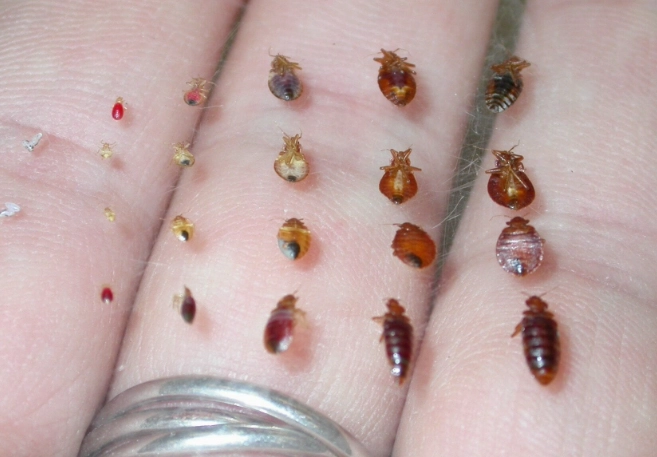
Bed Bug vs. Bat Bug
These are almost identical twins, even to pest control pros under a microscope. The key difference? The length of the hairs on the pronotum (the shield-like part behind the head). Bat bug hairs are longer. Why does this matter? Bat bugs feed primarily on bats. If you find them in your bedroom, you likely have bats in your attic or walls. The treatment involves excluding the bats first, not just spraying the room. The University of Kentucky Entomology Department has excellent resources on differentiating these two.
Bed Bug vs. Swallow Bug
Similar story to bat bugs. These are parasites of birds like swallows or pigeons. If nests are on or near your home, these bugs might wander in. They look very similar but have different host preferences.
Bed Bug vs. Carpet Beetle
This is a huge one. Carpet beetle larvae do the damage (they eat fabrics), and they're small, fuzzy, and segmented. But the adult carpet beetle is often mistaken for a bed bug. Adults are rounder, have visible wing covers (though they fly), and are often patterned with spots or stripes of white, yellow, and black. They're also attracted to light, while bed bugs shun it.
Bed Bug vs. Flea
Fleas are smaller (1-3mm), darker (shiny black/brown), and laterally compressed (thin side-to-side). Their most famous feature? They jump. Bed bugs cannot jump. They only crawl. Flea bites are often around ankles, while bed bug bites can be anywhere on exposed skin.
Bed Bug vs. Booklice
Booklice are tiny, soft-bodied insects often found in damp areas with mold. They're pale, about 1-2mm, and look like tiny moving specks. They don't bite and are harmless to humans, but their size can cause panic.
Bed Bug vs. Tick
Ticks are arachnids (8 legs as adults), while bed bugs are insects (6 legs all their life). Unfed ticks are flat but have a more teardrop or shield shape. When engorged, ticks become large, gray, and bean-like, much larger than any fed bed bug.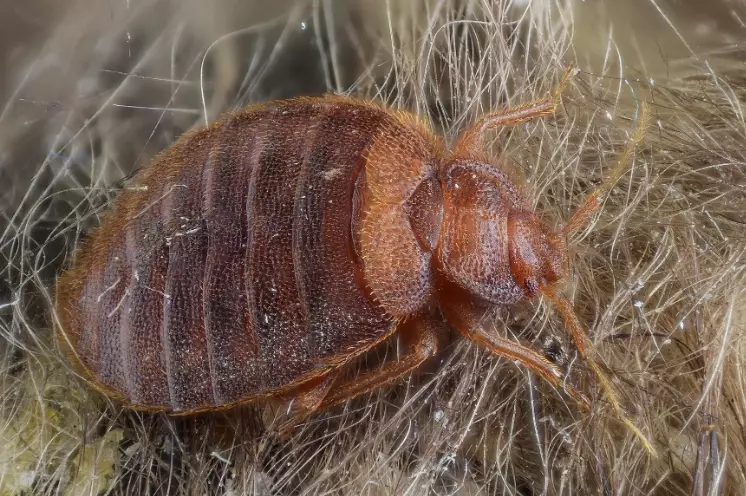
Still unsure? Take a clear, close-up photo and submit it to a local university extension service or a reputable online pest identification forum. Don't rely on blurry photos.
Beyond the Bug: The Signs You Should Be Looking For
Sometimes you won't see the bug itself, especially during the day. They're masters of hide-and-seek. So you need to be a detective and look for the evidence they leave behind. This is often how you confirm an infestation before ever seeing a live one.
- Fecal Spots: This is the #1 sign. These are tiny black or dark brown dots, about the size of a marker tip. They look like someone made a dot with a fine-tip Sharpie. They're digested blood and will smear if you wipe them with a damp cloth (a useful test). You'll find these on mattress seams, box springs, headboards, pillowcases, and even walls.
- Blood Stains: Small, rust-colored or reddish smears on your sheets or pajamas. These come from crushed, engorged bed bugs or from you accidentally scratching a bite in your sleep.
- Eggshells and Shed Skins: As nymphs grow, they molt. These shed skins (exuviae) are pale yellow, translucent, and look like empty husks of the bug itself. They're often found in harborage areas alongside live bugs.
- Live Bugs: Of course. But remember to check during their active hours, typically just before dawn.
When you know what a bed bug looks like and what signs to look for, you shift from feeling helpless to being proactive.
Where to Look: The Step-by-Step Inspection Guide
Knowing what does a bed bug look like is pointless if you don't know where to look. They prefer to stay close to their food source (you) but are excellent at hiding. You need a system. Grab a flashlight and a credit card (to probe crevices).
- Start with the Bed: This is ground zero. Strip all bedding. Inspect every seam, piping, and fold of the mattress and box spring. Pay special attention to the top and bottom seams and any tags. Use the credit card to scrape along seams—it can dislodge eggs and bugs.
- Check the Bed Frame and Headboard: This is a prime real estate, especially if it's wood with cracks, screw holes, or joints. Remove the headboard from the wall if possible. Inspect every crevice.
- Move to Nearby Furniture: Nightstands, dressers. Check inside drawers (along the corners and undersides), behind them, and where they touch the wall.
- Examine Baseboards and Wall Decor: Look along the edges of carpets, behind loose wallpaper, and even inside electrical outlet plates (turn off the power first!). They can travel through walls in multi-unit buildings.
- Don't Forget Clutter: Piles of clothes, books, papers, and items under the bed provide perfect hiding spots. An uncluttered room is easier to inspect and treat.
The Environmental Protection Agency (EPA) bed bug page has comprehensive checklists and guides that are incredibly thorough and a trusted resource.
Answers to Your Burning Questions (FAQs)
Let's tackle some of the specific questions that pop up around this topic. These are the things people whisper-search after the main query.
Yes, absolutely. Adult bed bugs and late-stage nymphs are clearly visible. The eggs and first-stage nymphs are extremely difficult to see without magnification. But the bugs that do the biting and reproduce? You can see them.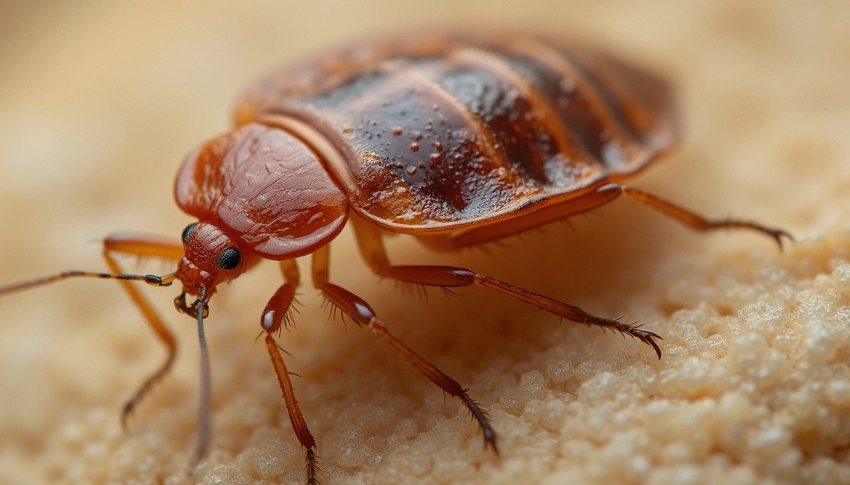
As mentioned, like tiny grains of salt or rice, but pearly white and only 1mm long. They have a sticky coating and are usually cemented in hidden crevices, not out in the open. Finding eggs is a sure sign of an active infestation.
No, no, and no. They are wingless insects. They only crawl. This is a major differentiator from fleas, flies, and some beetles.
If they're unfed, they'll crush into a brownish smear. If they're engorged with blood, they will leave a prominent, wet, red bloodstain. The fecal spots are dry and black.
Newly hatched nymphs are translucent or pale yellow, almost white. They darken to brown as they feed and grow. So yes, the very youngest ones can appear whitish, but they won't stay that way for long.
Finding a live specimen is the gold standard. Failing that, a combination of fecal spots, shed skins, and unexplained bites (especially in a linear or clustered pattern) is strong evidence. For official confirmation, especially for legal or rental purposes, consider a professional inspection by a licensed pest management company. Some companies use bed bug-sniffing dogs, which can be very accurate.
What to Do If You Find One: First Steps, Not Panic
Okay, let's say you've found one. You've confirmed it. The feeling is awful, I know. But don't start throwing out your furniture just yet. That's often unnecessary and can spread the problem.
- Confirm: Make sure it's actually a bed bug. Use this guide or get a second opinion.
- Contain: If you found a live one, capture it. Tape it to a piece of clear tape or put it in a small, sealed container like a pill bottle. This helps with identification and showing a professional.
- Don't Spray Random Insecticides: This is crucial. Over-the-counter sprays often repel bed bugs, driving them deeper into walls and other rooms, making a professional treatment much harder. They also have developed resistance to many common pesticides.
- Start Laundering: Wash and dry all bedding, clothing, and fabrics from the area on the hottest settings the fabric can handle. The heat from the dryer is very effective.
- Contain the Room: Try to limit movement of items from the infested room to other parts of the house to prevent spreading.
- Consider Professional Help: For most infestations, especially beyond a very early, isolated case, professional treatment is the most reliable and fastest solution. They have access to tools and methods (like industrial heaters or targeted insecticides) not available to consumers. Research reputable, licensed companies with bed bug experience.
The Centers for Disease Control and Prevention (CDC) provides clear public health information on bed bugs, including their impact and non-chemical control measures. It's a sober, factual resource.
So, there you have it. We've gone far beyond "looks like an apple seed." You now know how their appearance changes with age and feeding, how to tell them apart from their common doppelgangers, what tell-tale signs to hunt for, and where to look. The next time someone asks you, "What does a bed bug look like?" you can give them the full, unsettling picture—and, more importantly, the knowledge to deal with it.
It's not pleasant knowledge, but it's powerful. And in this case, seeing truly is the first step to solving.
LEAVE A REPLY
Your email address will not be published. Required fields are marked *