Quick Guide
- What Exactly Is a Mud Beehive? Breaking Down the Basics
- The Mud Hive vs. The Modern Hive: A Frank Comparison
- Why Bother? The Real Pros and Cons of a Mud Hive
- How to Build Your Own Mud Beehive: A Step-by-Step Framework
- Managing Your Mud Beehive Colony
- Common Questions About Mud Beehives (The FAQ)
- Final Thoughts: Is a Mud Beehive Right for You?
So you've seen pictures of those charming, earthy domes stuck to a wall or sitting under a tree, maybe in a documentary about traditional farming. Or perhaps you're a beekeeper tired of the cost and complexity of wooden Langstroth boxes and you're wondering, "Is there a simpler way?" That's a mud beehive. It's exactly what it sounds like: a beehive made primarily from mud, clay, straw, and sometimes dung. It's one of the oldest forms of beekeeping in the world, and it's having a bit of a quiet comeback among folks interested in natural, low-intervention apiculture.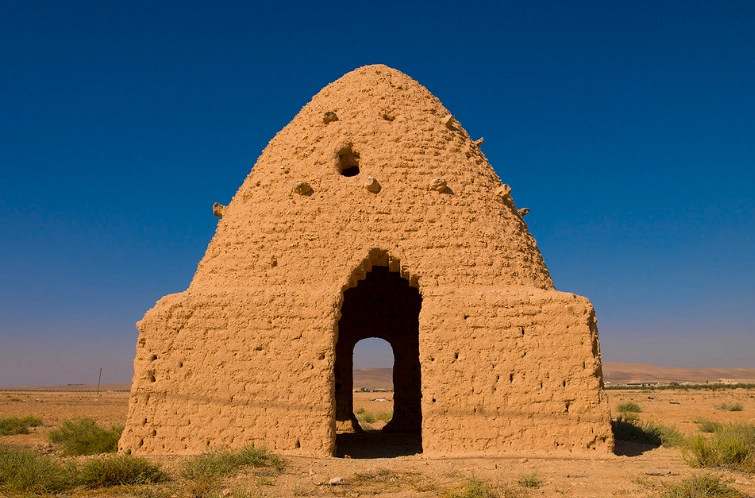
I remember first seeing one in a village in Greece, this beautiful terracotta-colored pot half-buried in a hillside. The beekeeper there told me his family had used the same design for generations. No fancy equipment, no extracting frames, just a partnership with the bees. It got me thinking. But let's be clear right from the start – a mud beehive isn't a magic solution. It's a different philosophy altogether.
If you're imagining popping down to the hardware store for a kit, you're in the wrong place. Building and keeping a mud hive is a hands-in-the-dirt, learn-as-you-go kind of project. It's messy, it requires local materials, and success depends heavily on your climate and your willingness to let bees be bees. This guide is for anyone curious about that path. We'll dig into what these hives are, why you might (or might not) want one, and how you can actually build and manage your own.
What Exactly Is a Mud Beehive? Breaking Down the Basics
At its core, a mud beehive is a cavity for honey bees (Apis mellifera or other local species) constructed from earthen materials. Think of it as an artificial version of the hollow trees bees naturally seek out. Unlike modern hives with movable frames, a traditional mud hive is a fixed-comb hive. The bees build their wax comb directly onto the interior ceiling and walls, attaching it permanently. This is the single biggest difference and the source of both its advantages and its major challenges.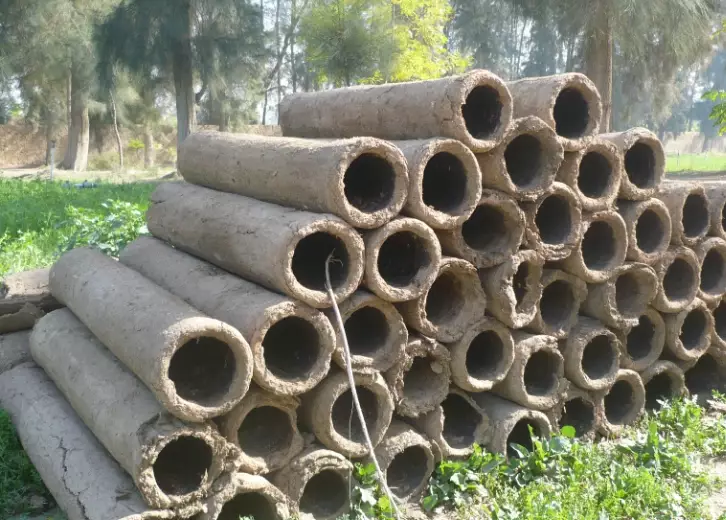
Designs vary wildly by region. You've got the "bee gum" style from the southern US (originally sections of hollowed-out gum tree logs, but often mimicked with clay). There are the iconic cylindrical clay hives of the Middle East and North Africa, often stacked. In parts of Asia and Africa, you'll find woven basket hives plastered with mud (a style sometimes called a "skep," though true skeps are usually just straw). The common thread is using what's locally available: clay-rich soil, animal manure (for fibers and binding), straw, and water.
Why does the material matter so much? Clay has great thermal mass. It buffers temperature swings, keeping the hive cooler in scorching heat and a bit warmer on chilly nights compared to thin wooden boxes. This can mean less stress on the bees. The walls are also breathable, allowing some moisture exchange, which helps prevent condensation from dripping on the winter cluster – a real killer in sealed hives.
The Mud Hive vs. The Modern Hive: A Frank Comparison
Before you get too romantic about the idea, let's stack a mud beehive up against the standard Langstroth hive you see everywhere. It's not a fair fight in terms of convenience, but it reveals a lot about priorities.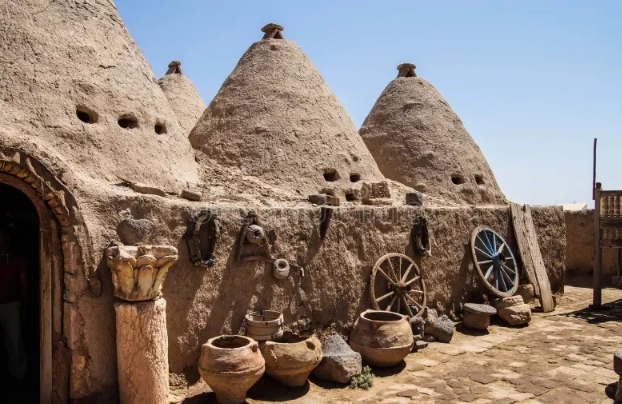
| Feature | Modern Langstroth Hive | Traditional Mud Beehive |
|---|---|---|
| Comb Management | Movable frames. You can inspect each comb, control swarming, rear queens, treat for disease. | Fixed comb. Inspection is destructive. You cannot easily manage the colony's internal structure. |
| Honey Harvest | Non-destructive. Extract honey from frames, return empty comb to bees. | Destructive. Often involves cutting out comb (crush-and-strain method). Harvesting can destroy brood and set colony back. |
| Colony Health Monitoring | Easy and detailed. You can see eggs, larvae, disease signs, queen status. | Very difficult. You get a snapshot at the entrance and during harvest. Major problems can go unseen. |
| Cost & Accessibility | High initial cost for boxes, frames, foundation, extractor. Readily available. | Very low material cost (dirt, straw). High labor/skill cost to build correctly. Not commercially sold. |
| Bee-Centric Benefits | Variable. Can be high-stress with frequent inspections and chemical treatments. | Potentially high. Minimal intrusion, natural comb cell size, better thermoregulation. |
| Skill Level Required | Moderate to high for successful management. | High for building a durable hive; management is more about observation and patience than intervention. |
Looking at that table, the trade-offs are stark. The modern hive is a tool for efficient beekeeping. The mud beehive is more of a home you offer to bees, with you as a mostly hands-off landlord. Which brings us to the big question...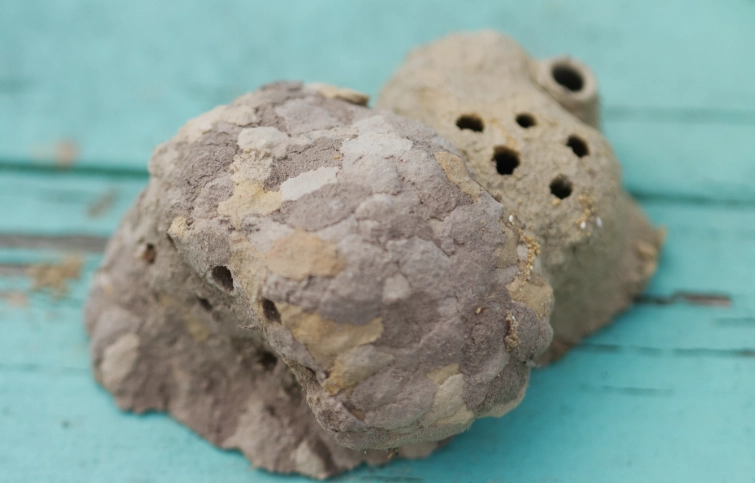
Why Bother? The Real Pros and Cons of a Mud Hive
The Allure (The Pros)
It's Dirt Cheap. Seriously. If you have clay soil on your property, your main investment is time and sweat. For communities with limited resources, this is the primary advantage. You're not beholden to bee supply companies.
It Feels Right. There's an undeniable satisfaction in providing a home made from the very earth. It connects you to a long, unbroken tradition of beekeeping. The bees in a well-made mud hive often seem… calmer. Less defensive. That's my anecdotal experience, and many natural beekeepers report the same. It might be the darkness, the stability, or just less disturbance.
Thermal and Humidity Benefits. As mentioned, the thick clay walls are fantastic insulators and buffers. In arid, hot climates, this is a massive plus. The hive stays livable when a wooden box might overheat.
Forces a Hands-Off Approach. This sounds like a con, but it can be a pro. You can't meddle constantly. You learn to read the bees from the outside: flight activity, pollen loads, debris at the entrance. You become an observer, not a manager. This aligns with the "bee-centric" or "natural beekeeping" philosophy promoted by thinkers like Bee Craft magazine and various sustainable agriculture advocates.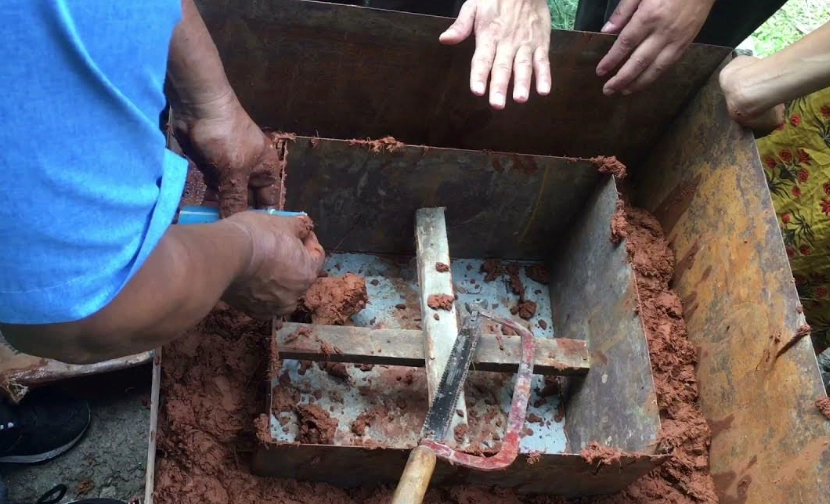
The Hard Truths (The Cons)
Harvesting is Brutal. You typically get one harvest a year, at the end of the nectar flow. You may have to kill the colony (a traditional, though now controversial, method) or carefully cut out only the honey stores, hoping not to destroy too much brood. It's messy and inefficient. You won't be winning yield contests.
It's Not a Set-It-and-Forget-It System. A mud beehive requires maintenance. Rain can erode it. It might crack in a freeze-thaw cycle if not made properly. Mice or other pests can find weak spots. You're maintaining a piece of earthen architecture.
Swarming is Inevitable. You can't easily perform swarm control splits. The colony will swarm when it's good and ready. This is how it reproduces naturally, but it means you won't increase your apiary in a controlled way, and you might annoy your neighbors.
So, who is a mud beehive for? It's for the experimental gardener, the naturalist, the person in a dry climate interested in a low-cost, low-tech approach, and the beekeeper who wants a single, observation hive to learn from. It's not for someone who wants lots of honey or needs to guarantee colony survival for pollination contracts.
How to Build Your Own Mud Beehive: A Step-by-Step Framework
Okay, you're still reading. Let's get our hands dirty. This isn't a single recipe, but a framework. You must adapt based on your local soil.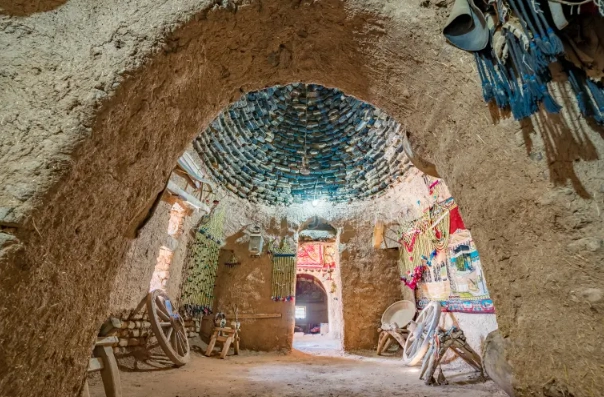
Step 1: Find and Test Your Clay
This is the most critical step. Not all mud works. You need clay-rich soil. The "ribbon test" is your friend: take a handful of damp soil, roll it into a sausage, and gently stretch it over your finger. If it forms a ribbon that holds for an inch or two before breaking, you've got decent clay content. Pure sand won't bind; pure clay will crack horribly. You're aiming for a mix.
Some people add well-rotted manure (cow or horse) – the fibers act as a binder (like rebar in concrete). Straw is essential for the same reason. It prevents cracking as the mud dries and shrinks.
Step 2: Choose a Form and Location
Will you build a cylinder? A dome? A rectangular box? A simple method is to use a large plastic bucket or woven basket as a temporary form. Coat the outside with a release agent (old cloth or lots of straw). Build your mud mix around it, then slide the form out once the structure is stiff but not fully dry.
Location is key. Place your future mud beehive where it will get morning sun, have some afternoon shade in hot climates, be protected from strong winds, and have a clear flight path for the bees. Don't put it in a low spot that collects water. A south-facing wall or a sheltered spot under a tree canopy can be perfect.
Step 3: Mix and Build (The Messy Part)
Mix your chosen recipe – soil, sand, chopped straw, maybe a bit of manure – with water. You want a stiff, moldable consistency, like pottery clay. Not soupy. Use your feet in a tarp or a large tub. It's a workout.
Start building up your walls around your form (or freehand if you're skilled). Aim for walls at least 2 inches thick, up to 4 inches for colder climates. Build in layers, letting each layer stiffen slightly before adding the next to prevent slumping. Incorporate the straw thoroughly. Smooth the inner and outer surfaces with wet hands.
Step 4: The Crucial Details
- Entrance: Create a small entrance hole (about 1 inch in diameter) near the bottom of the hive. You can embed a short piece of bamboo or pipe to keep it clean during construction.
- Lid: You need a removable lid for harvest. This can be a slab of wood, a thatched roof, or even a mud-and-straw lid. It must fit snugly to keep rain and pests out. A heavy stone on top helps.
- Internal Texture: Before the interior dries completely, scratch horizontal grooves into the ceiling and upper walls. This gives the bees a better grip to attach their comb.
Step 5: The Long, Slow Dry
This is where patience is vital. Do not rush drying. Rapid drying in hot sun causes major cracks. Dry it in a shaded, airy spot for several weeks. Cover it loosely with a cloth if rain threatens. Small surface cracks can be filled with a wet clay slurry. Large structural cracks mean your mix was wrong.
Once bone-dry, you can "fire" it lightly by building a small, controlled fire inside and around it (if safe to do so). This hardens the clay slightly, like primitive pottery. Not essential, but adds durability.
Managing Your Mud Beehive Colony
You've built it. Now, how do you get bees in it and keep them alive?
Attracting a Swarm: This is the most natural method. Rub some propolis and beeswax inside the entrance. Place the hive in a good location in early spring. You can use lemongrass oil or commercial swarm lures nearby. Hope a scout bee finds it and approves. It's a waiting game.
Transferring a Colony: You can carefully cut a comb with a healthy queen and attached bees from another hive (if you have one) and tie it into the top of your mud beehive using string or rubber bands. Then shake in the remaining bees. This is tricky and stressful for the bees. Not for beginners.
Ongoing Management:
- Observe: Watch the entrance daily. Lots of pollen going in? Good. Dead larvae being dragged out? Bad. Robbing activity? You may need to reduce the entrance with grass or a stick.
- Protect: Guard against ants with a moat or sticky barrier on the stand. Watch for wax moth signs (webbing, silky tunnels) at the entrance – a strong colony will handle them, a weak one won't.
- Harvest Mindfully: Only harvest at the very end of the main nectar flow. Use a bee brush or smoke gently. Cut only the honey-filled comb from the top and sides, avoiding broad areas of brood in the center. Leave plenty for the bees to overwinter. Crush and strain the comb to get honey.
Your role is guardian, not micromanager. You're providing shelter and security, then getting out of the way. The colony will live or die largely on its own merits and the local forage. It's a humbling experience.
Common Questions About Mud Beehives (The FAQ)
Final Thoughts: Is a Mud Beehive Right for You?
Building a mud beehive is more than a beekeeping project; it's a craft and an experiment in ecology. The process of finding the right soil, mixing it, forming it, and waiting for it to cure teaches you patience and connection to material in a way buying a pine box never will.
But go in with clear eyes. You will probably fail at first. The hive might crack. The swarm might not come. The colony might abscond or die. That's okay. It's part of the learning curve that our modern, product-driven beekeeping often tries to eliminate.
If your goal is to support pollinators in the most natural way possible, to learn by observation, and to engage in a timeless agricultural practice, then building a mud beehive is an incredibly rewarding journey. Start small. Build one. Put it in your garden. See what happens. At the very least, you'll have a beautiful, functional piece of earthen art and a deeper appreciation for the architecture of the honey bee.
Just promise me you'll check the local regulations first. The last thing we need is for a well-meaning project to accidentally spread disease. If a fixed-comb hive is a hard no in your area, look into top-bar hives or Warré hives as a more inspectable, but still relatively natural, compromise. The Honey Bee Suite blog is a fantastic resource for exploring these alternative hive styles.
The bees don't care what their house is made of, as long as it's dry, safe, and the right size. Our job is simply to provide the best version of that we can, with the materials and knowledge we have.
LEAVE A REPLY
Your email address will not be published. Required fields are marked *