Let's be honest, the thought of bed bugs makes most people's skin crawl. You might be reading this because you found a suspicious bug, saw a weird mark on your sheet, or you're just paranoid after a trip. I get it. The question "how do bed bugs start" isn't just about curiosity—it's about fear, prevention, and taking back control of your space.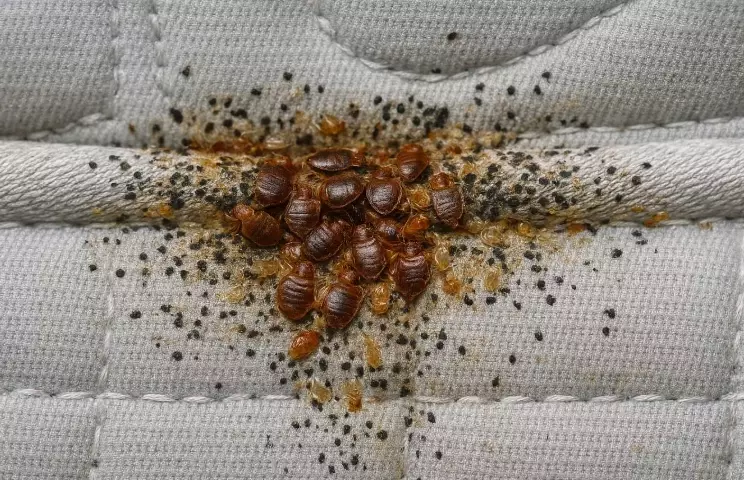
Quick Navigation
- The Top 5 Ways Bed Bugs Start in Your Home
- What Does NOT Cause Bed Bugs (Busting the Myths)
- The Lifecycle: How a Few Bugs Become an Infestation
- Early Signs: Catching the Problem Before It Explodes
- Your Action Plan: What to Do If You Suspect Bed Bugs
- Common Questions About How Bed Bugs Start and Spread
- Final Thoughts: Knowledge is Your Best Defense
It's a myth that they only happen in dirty places. That thinking can leave you vulnerable. The real story of how a bed bug infestation starts is far more mundane and sneaky. It's less about cleanliness and more about bad luck, travel, and the simple fact that these pests are incredible hitchhikers.
I've talked to exterminators, read through piles of entomology reports from universities, and yes, helped a friend through their own mini-crisis. The process of how do bed bugs start and spread is surprisingly logical once you break it down.
The Top 5 Ways Bed Bugs Start in Your Home
Most infestations begin with one of these scenarios. Understanding them is your first line of defense.
1. Travel and Hospitality (The #1 Culprit)
This is, hands down, the most common answer to "how do bed bugs start" for people. You stay in a hotel, motel, Airbnb, or even with family. A single pregnant female hitches a ride in your suitcase, backpack, or the folds of your clothes.
They don't care about star ratings. They care about hiding spots near a sleeping host. The U.S. Centers for Disease Control and Prevention (CDC) clearly states that bed bugs are excellent hitchhikers, moving from one location to another on clothing, luggage, and furniture. Hotels are just a major transfer point.
Think about it: you unpack your bag on the luggage rack or the bed. You live out of your suitcase for a few days. You repackage everything. It's the perfect smuggling operation.
2. Secondhand Furniture and Items
That gorgeous vintage armchair from the flea market? The "perfectly good" mattress left on the curb? They can be Trojan horses.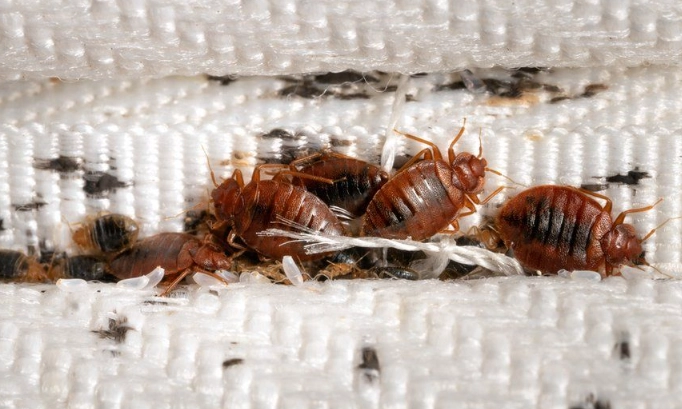
Bed bugs love to nest in the seams, folds, and crevices of furniture. Bringing an infested item home is a direct injection of the problem right into your living room or bedroom. This is a classic way how bed bugs start an infestation—through an innocent-looking acquisition.
I'm not saying don't buy secondhand. I love a good thrift store find. But you have to be smart about it. Fabric items (mattresses, sofas, upholstered chairs) are high-risk. Wood or metal furniture is lower risk, but you still need to check every crack and screw hole.
3. Through Multi-Unit Housing
If you live in an apartment, condo, or townhouse, your problem might not have started with you at all. Bed bugs are mobile. They can crawl through wall voids, electrical conduits, plumbing lines, and under doors.
A neighbor's untreated infestation can slowly spread to adjoining units. This is why property managers often have to treat multiple units even if only one reported the issue. It’s a frustrating scenario because how the bed bugs started is outside your direct control. The National Pest Management Association (NPMA) highlights this as a significant challenge in urban and multi-family housing.
4. Visitors and Work-Related Spread
It's uncomfortable to think about, but it happens. A visitor to your home, or you visiting someone else's home, can transfer bugs. Similarly, if your job involves going into many different homes or buildings (healthcare, social work, repair services, in-home childcare), you are at higher risk of picking up a stray hitchhiker.
The bug doesn't know it's on a work uniform or in a tool bag. It just knows it's near a potential food source. When you bring that bag into your home and set it down, the journey of how do bed bugs start in your space is complete.
5. High-Traffic Public Spaces
This is less common than travel, but it's possible. Think movie theaters (those plush, rarely cleaned seats), public transit (fabric seats on buses or trains), libraries, and even offices. You sit down, a bug dislodges and grabs onto your coat or bag, and off you go.
The risk here is lower because the bugs aren't usually *established* in these places—they're often just transients themselves from someone else's infestation. But it only takes one.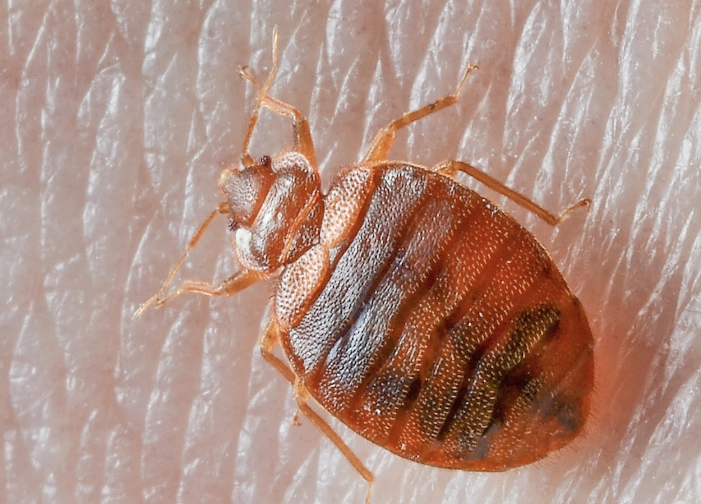
What Does NOT Cause Bed Bugs (Busting the Myths)
Let's clear the air. Misinformation causes panic and stigma.
- Dirt and Grime: Nope. Bed bugs feed on blood, not garbage. A spotless penthouse is as attractive to them as a messy studio if there's a warm body to feed on. Poor hygiene doesn't attract them, but clutter does give them more places to hide, making an infestation harder to find and treat.
- Pets: While bed bugs will bite pets if desperate, they strongly prefer human blood. Your dog or cat is not a likely source or primary carrier. They are not like fleas.
- "Spontaneous Generation": They don't just appear from nowhere. They always come from another infested area or item. There is a source.
Understanding what's *not* to blame helps focus your prevention efforts on the real risks.
The Lifecycle: How a Few Bugs Become an Infestation
So, one or two bugs get in. Why is that such a big deal? Because of their biology. Knowing how do bed bug infestations start and grow requires a peek at their life cycle.
A female bed bug can lay 1-5 eggs per day, and hundreds in her lifetime. Eggs are tiny, about the size of a pinhead, and are often glued to hidden surfaces. They hatch in about 6-10 days.
The nymphs (baby bed bugs) need a blood meal to molt and grow to the next stage. They go through five nymph stages before becoming adults. Under ideal conditions (room temperature, regular access to a host), they can go from egg to adult in as little as a month.
| Life Stage | Approximate Size | Key Fact | Visibility |
|---|---|---|---|
| Egg | ~1mm (pinhead) | Pearl-white, often in clusters | Very difficult to see |
| 1st Stage Nymph | ~1.5mm | Must feed to molt; nearly transparent until fed | Difficult to see |
| 5th Stage Nymph | ~4.5mm | Looks like a small adult | Easier to spot |
| Adult | ~5-7mm (apple seed) | Reddish-brown, flat (unfed), swollen & reddish (fed) | Most visible stage |
The math is scary.
A few bugs can explode into hundreds within a couple of months if undetected. They don't build nests like ants or bees. Instead, they form "harborages"—groups hiding in cracks, seams, and behind electrical plates. You might have several harborages around a single room.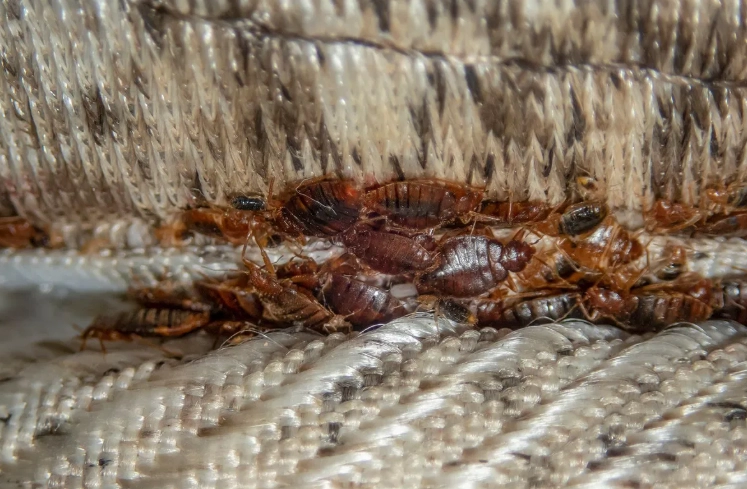
Early Signs: Catching the Problem Before It Explodes
You're probably wondering, "Okay, but how would I even know?" Catching it early is everything. It's the difference between a manageable treatment and a months-long nightmare.
Here’s what to look for, a sort of early detection checklist:
- Bites: The most common first clue. But here's the tricky part—not everyone reacts to the bites. Some people get no marks at all. For those who do, bites often appear as small, red, itchy welts, usually in a line or cluster (often called "breakfast, lunch, and dinner"). They're commonly on exposed skin like arms, shoulders, neck, and legs.
- Blood Stains: Tiny, rust-colored or red spots on your sheets or pillowcases. These can be from crushed bugs or from bleeding after a bite.
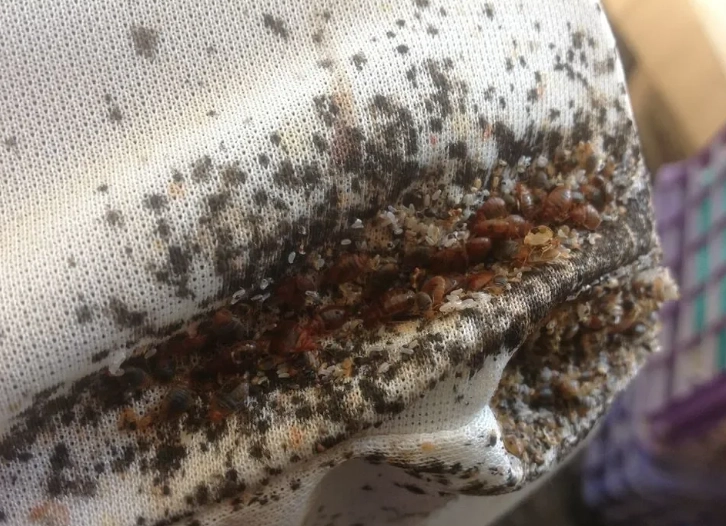
- Fecal Spots: This is a major tell. Bed bug poop looks like tiny black dots (like a fine-point marker dot). They often appear on mattress seams, box springs, bed frames, headboards, and even walls or wallpaper. They may smear if wiped with a damp cloth.
- Eggshells and Shed Skins: As nymphs grow, they shed their pale yellow exoskeletons. Finding these tiny, shell-like casings is a clear sign of an active, growing population.
- Live Bugs: The ultimate confirmation. Look for apple-seed sized, flat, reddish-brown insects. Check the piping of your mattress, the seams, the tags, inside screw holes in the bed frame, behind the headboard (especially if it's attached to the wall), and in the joints of nightstands.
Pro Tip: Use a bright flashlight and a credit card or old gift card. Run the card along mattress seams and cracks. The light and the card will help dislodge and reveal evidence you might miss with a casual glance.
I've heard people say, "I'm getting bites but I can't find any bugs!" That's incredibly common in the early stages. They are masters of hiding. You might need to do a very thorough, methodical inspection, possibly at night when they are more active.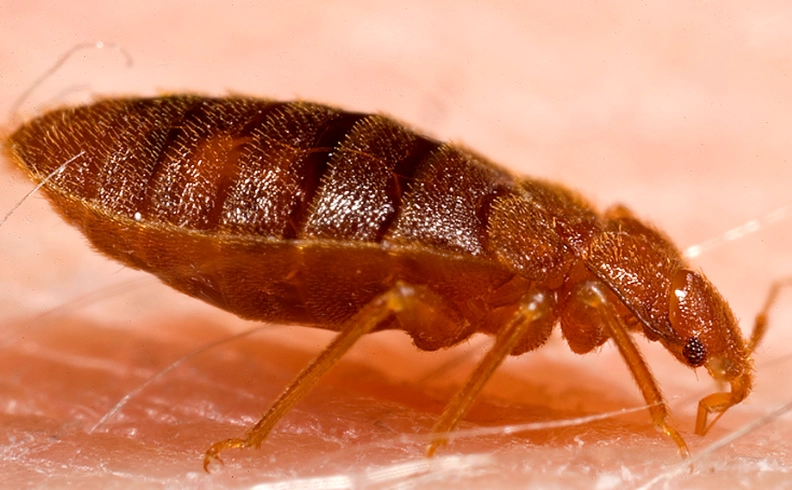
Your Action Plan: What to Do If You Suspect Bed Bugs
Panic is the worst first step. It leads to actions that can spread the bugs. Don't start throwing things out or spraying random store-bought pesticides. That usually makes the problem worse by scattering them.
Here's a calm, step-by-step approach:
- Confirm: Try to find physical evidence (specks, shells, a bug). If you can, catch a bug in a sealed baggie or take clear, close-up photos. This helps for identification later.
- Contain: Stop the spread. If the bugs are in a bedroom, don't move bedding, pillows, or clothes to other rooms. This is how bed bug problems start in new areas of your home.
- De-clutter (Carefully): Reduce their hiding places. But do it mindfully. Put items from the affected area into sealed plastic bags until they can be washed (high heat dryer for 30+ minutes) or carefully inspected.
- Contact a Professional: This is the most important step for most people. DIY solutions rarely work for a true infestation. Look for a licensed pest control company with specific, verifiable experience in bed bug management. Ask about their methods (heat treatment? steam? insecticide? integrated approach?). Check reviews. The Environmental Protection Agency (EPA) has excellent resources for finding and working with professionals.
- Prepare for Treatment: If you hire a pro, they will give you a detailed prep sheet. FOLLOW IT. Treatment success depends heavily on proper preparation, which often involves moving furniture, washing all bedding/clothing, and removing clutter.
Common Questions About How Bed Bugs Start and Spread
Let's tackle some of the specific worries people have.
Final Thoughts: Knowledge is Your Best Defense
So, how do bed bugs start? They start because we, as humans, move around. We travel, we acquire things, we live in close quarters. They exploit our mobility.
The goal isn't to live in fear, checking every seam in a paranoid frenzy. It's about adopting smart habits, especially when you're in high-risk situations (traveling, buying used furniture). It's about knowing the early signs so you can act quickly and decisively if needed.
Remember, an infestation is a pest problem, not a reflection on you. The most important thing you can do is educate yourself, stay vigilant, and don't hesitate to call in qualified experts if the situation is beyond a single, isolated bug. With the right information and approach, you can protect your home and your peace of mind.
It’s a nuisance, for sure. But it’s a beatable one.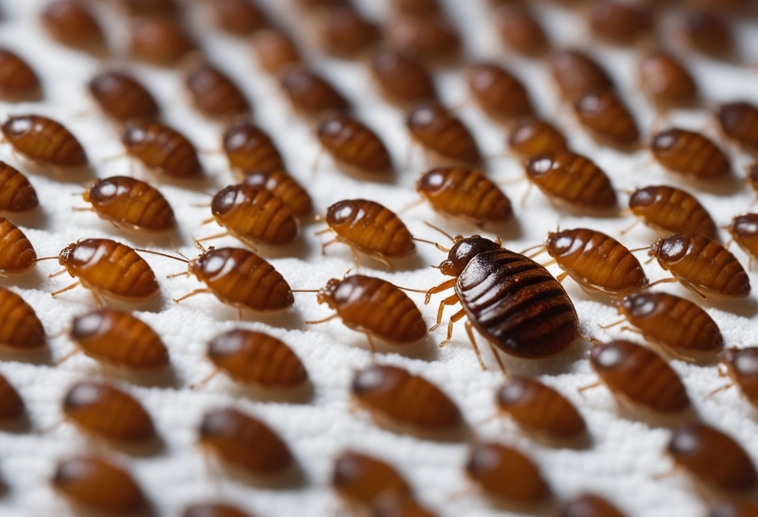
LEAVE A REPLY
Your email address will not be published. Required fields are marked *