Quick Navigation
- What Exactly Are Roof Rats, and Why Your House?
- Don't Guess, Know: How to Identify a Roof Rat Infestation
- Before You Set a Single Trap: The Prevention Blueprint
- The Removal Playbook: Getting Roof Rats Out of Your Home
- Cleaning Up Afterwards: Doing It Safely
- Your Roof Rat Questions, Answered
- Wrapping It Up: A Sustainable, Rat-Free Home
It usually starts with a sound. A faint scurrying above the ceiling when the house is quiet at night. Maybe you find a mysterious, dark dropping in a kitchen drawer, or notice a greasy smear along a pipe in the garage. If you're in a warmer climate, especially near coastlines or in cities with older buildings, there's a good chance you've just met Rattus rattus, better known as the roof rat. Let's be honest, the name itself is a bit of a giveaway about their preferred real estate. These aren't your ground-level, sewer-dwelling cousins (those are Norway rats). Roof rats are the agile acrobats of the rodent world, and once they decide your attic, void spaces, or even the canopy of your fruit trees is home, they can be a nightmare to evict.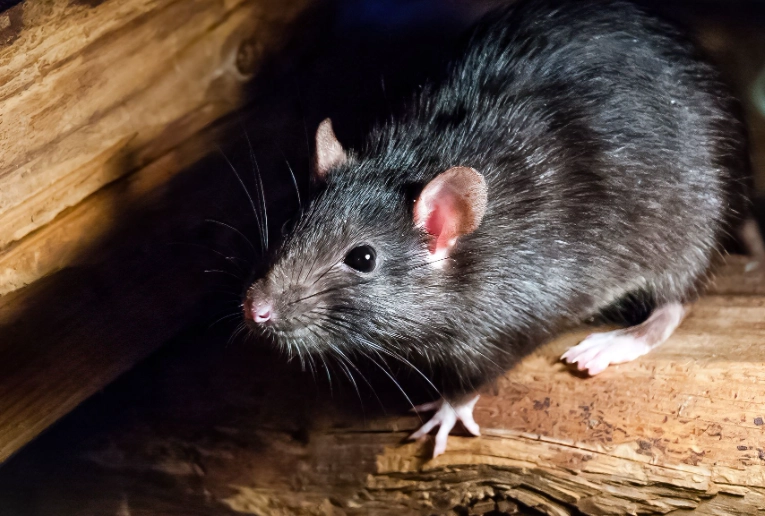
I've dealt with them myself in an old bungalow I used to rent. The scratching from above was maddening, and finding chewed-up wiring behind the oven was the final straw. It felt invasive. That experience sent me down a rabbit hole (or should I say, a rat hole) of research and trial-and-error that I'm going to share with you. This isn't just a list of generic tips. We're going to get into the nitty-gritty of what makes roof rats tick, how to be absolutely sure it's them, the real risks they bring beyond just noise, and a layered strategy to get them out and keep them out for good.
What Exactly Are Roof Rats, and Why Your House?
Roof rats, also called black rats or ship rats, are slender, sleek rodents with a history of globe-trotting. They likely hitched rides on ships centuries ago and have made themselves comfortable in subtropical and temperate regions worldwide. Think the southern US, California, the Gulf Coast, and many port cities. Their bodies are built for climbing. They're lighter than Norway rats, with larger eyes and ears, and a tail that's longer than their head and body combined—a key identifying feature.
Their behavior is primarily nocturnal and arboreal (tree-dwelling). You're less likely to see one boldly crossing your kitchen floor at noon than you are to hear them racing along your roof rafters at midnight. They're social and live in colonies, so where there's one, there are almost certainly more. A single female roof rat can have 4-6 litters per year, with up to 8 pups per litter. You do the math. An infestation can grow from "annoying noise" to "major problem" in a single season.
Don't Guess, Know: How to Identify a Roof Rat Infestation
Mistaking a roof rat problem for another pest issue can waste time and money. Here’s how to play detective and confirm your suspect.
Visual Signs (The Evidence They Leave Behind)
You might not see the rat, but you'll see its calling cards.
- Droppings: This is the most common sign. Roof rat droppings are about ½ inch long, spindle-shaped (pointy at both ends), and often found concentrated in specific pathways like along walls, in attic insulation, or near food sources. Fresh ones are dark and shiny; old ones become gray and crumbly.
- Grease Marks (Rub Marks): Their fur is oily. As they repeatedly travel the same route along walls, pipes, or beams, they leave dark, greasy smudges. Follow these marks; they often lead to entry points or nests.
- Gnaw Marks: Their teeth never stop growing, so they gnaw constantly. Look for fresh, light-colored wood shavings, chewed wires (a major fire hazard), plastic, PVC pipes, and even soft metals. The gnaw marks will be parallel and about ⅛ inch apart.
- Nests: They build nests in secluded, high places using shredded materials. Insulation, cardboard, fabric, dried plants—anything soft gets shredded. Check the uppermost corners of your attic, inside hollow walls, or in dense, overgrown vegetation against the house.
- Tracks & Runways: In dusty attics or garages, you might see footprints or tail drag marks. Outdoors, look for worn-down paths in grass or along fences, usually next to walls or under bushes.
Roof Rat vs. Norway Rat: A Critical Distinction
Getting this wrong means your control efforts might be in the wrong place. Norway rats are burrowers. Roof rats are climbers. The strategy for dealing with a rat in your crawlspace is different from one in your ceiling.
| Feature | Roof Rat (Rattus rattus) | Norway Rat (Rattus norvegicus) |
|---|---|---|
| Body Shape | Slender, sleek, agile | Heavy, thick-set, bulky |
| Tail | Longer than head + body (scaly, uniform color) | Shorter than head + body (scaly, pale underneath) |
| Ears & Eyes | Large ears, large eyes | Small ears, small eyes |
| Droppings | ½", spindle-shaped, pointed ends | ¾", capsule-shaped, blunt ends |
| Primary Habitat | High places: attics, trees, vines, upper cabinets | Low places: burrows, crawlspaces, basements, ground level |
| Nest Location | Above ground, in enclosed spaces | In ground burrows or at ground level |
See the difference? If your evidence is all up high, you're dealing with roof rats. This table isn't just academic—it directs your entire action plan.
The Sounds and Smells
Your ears and nose are tools too. At night, listen for scratching, gnawing, squeaking, or the pitter-patter of feet between walls or above ceilings. A persistent, musky ammonia smell is a strong indicator of a sizable, established colony. It’s a distinct, unpleasant odor that isn’t easily mistaken for anything else.
Before You Set a Single Trap: The Prevention Blueprint
I made this mistake early on. I killed a couple of roof rats, patted myself on the back, and two weeks later the scratching was back. Extermination without exclusion is just a temporary fix. You have to make your property less attractive and, more importantly, less accessible. This is the most permanent part of the solution.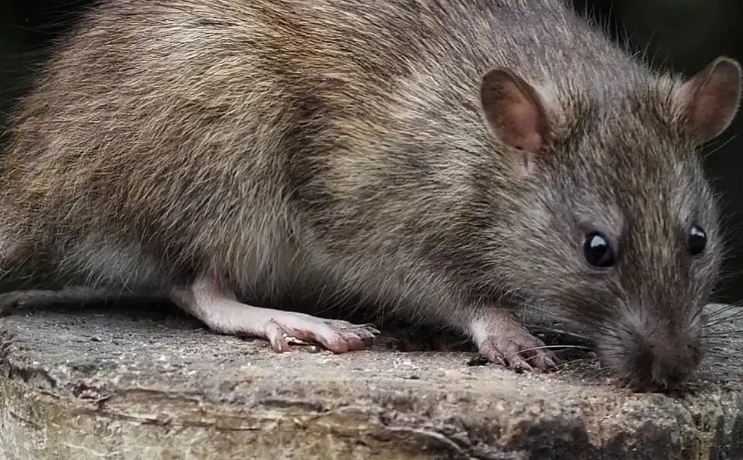
Step 1: The Outdoor Audit (Deny Access)
Grab a ladder and walk around your house with a detective's eye. Your goal is to find and seal every potential entry point.
- Roof & Eaves: Look for rotten or warped fascia boards, gaps at roof intersections, broken or missing vents. Install rodent-proof vent covers (stainless steel mesh, not plastic or chicken wire, which they'll gnaw through). Seal gaps with heavy-duty materials like hardware cloth, sheet metal, or expanding foam sealant backed by copper wool (they hate chewing on the metal).
- Utility Lines & Pipes: Where cables, pipes, or conduit enter the house, there's often a gap. Seal these with silicone caulk, mortar, or specially designed rodent-proof seals.
- Doors & Windows: Ensure weather stripping is intact. Gaps under doors should be less than ¼ inch.
- Trees & Vines: This is a big one. Trim tree branches back at least 3-4 feet from your roofline. Remove ivy, vines, or dense shrubs that grow directly on the house walls—they are literal highways for roof rats.
Think of it like securing a castle. No drawbridge, no invaders.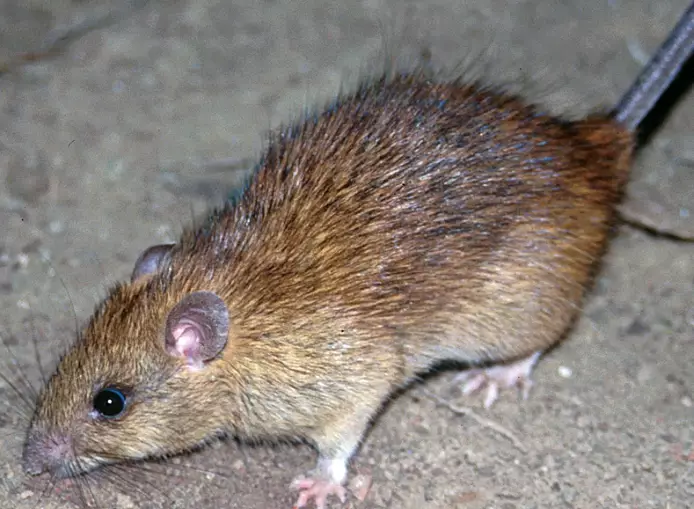
Step 2: Remove the Welcome Mat (Eliminate Attractants)
This is about removing the "why" they would want to come in.
- Manage Your Greens: Pick up fallen fruit and nuts from your yard daily. Consider harvesting fruit a bit early. If you have compost, use a fully enclosed bin—no open piles.
- Pet Food & Bird Feeders: Never leave pet food outdoors overnight. If you must feed pets outside, do it on a schedule and remove the bowl immediately after. Bird feeders are notorious for attracting rodents. Use tray-less feeders that catch less spillage, place them on poles with baffles, and regularly clean up the seeds on the ground. Honestly, if you have an active rat problem, take the bird feeder down for a few weeks.
- Storage & Clutter: Clean up woodpiles, debris, and dense yard waste away from your home's foundation. Keep firewood stacked neatly and raised off the ground.
- Garbage & Recycling: Use trash cans with tight-fitting, locking lids. Rinse recyclables before putting them in the bin.
Prevention Strategy at a Glance
| Strategy | Action Items | Why It Works | Effort Level |
|---|---|---|---|
| Exclusion (Sealing) | Seal cracks >¼", cover vents with steel mesh, trim tree limbs. | Physically blocks the most likely roof rat entry points. | High (initial), but lasts years. |
| Sanitation (Yard & Food) | Remove fallen fruit, secure trash/compost, manage pet/bird food. | Removes the primary food source that sustains the colony. | Medium (ongoing maintenance). |
| Habitat Modification | Clear clutter, store wood off ground, manage vegetation. | Eliminates sheltered nesting sites near the structure. | Medium (seasonal effort). |
The Removal Playbook: Getting Roof Rats Out of Your Home
Okay, so you've found the signs and you're starting on prevention. But you still have rats in the attic. Now you need to remove them. There are several ways, each with pros and cons. I've tried most of them.
Inspection First
Don't just randomly place traps. Use those signs we talked about—droppings, grease marks, gnawing—to map out their active runways. Roof rats are creatures of habit. They use the same paths between their nest and food/water sources. Place your control measures directly in these paths, perpendicular to the wall with the trigger end facing the wall.
Method 1: Trapping (My Preferred First Line of Defense)
Trapping is immediate, it confirms the kill, and there's no risk of a poisoned rat dying in an inaccessible wall cavity (which creates a whole new problem).
- Snap Traps: The classic. For roof rats, use the smaller "rat" size, not the giant "ratzilla" ones. Bait them with sticky foods that can't be easily snatched: peanut butter, nut meat, dried fruit, or even a bit of soft dog food. Secure the trap by tying it down with wire or placing it in a bait station so a struggling rat doesn't drag it away. Set many traps—a dozen is not overkill for an attic infestation.
- Electronic Traps: These deliver a high-voltage shock. They're effective, humane (instant), and contain the mess. They can be pricey but are great for indoor use where you want a clean kill.
- Live Traps: The catch-and-release idea sounds nice, but it's problematic. In many areas, it's illegal to release rodents due to disease concerns. You'd also need to take them miles away to prevent their return, and you're just moving your problem onto someone else.
Pro Tip: Wear gloves when handling and baiting traps. Your scent on the trap can make them wary.
Method 2: Rodenticides (Baits)
This is where you need to be very careful. Rodenticides are poisons, and they pose risks to pets, children, and non-target wildlife (like owls or hawks that might eat a poisoned rat). If you use them, you must place them in tamper-resistant, lockable bait stations secured out of reach.
Most modern baits are anticoagulants, causing internal bleeding days after ingestion. This means the rat might feed and then go back to its nest, dying later. The upside is they can be effective for larger infestations. The massive downside is the potential for secondary poisoning and the aforementioned "dead rat in the wall" stench that can last for weeks.
Method 3: Calling in the Professionals
There's no shame in this. In fact, for a large or persistent roof rat problem, it's often the smartest and fastest choice. A licensed pest control operator (PCO) will:
- Perform a thorough inspection to identify all entry points and nesting sites.
- Have access to professional-grade tools and materials for exclusion (their sealing work is usually top-notch).
- Implement a comprehensive control plan, often combining traps and secured bait stations.
- Provide a warranty or follow-up visits to ensure the problem is solved.
When my own efforts in that old bungalow were failing, I called a pro. They found a gap under the roof flashing I had completely missed. Sealing that and their strategic trapping solved the issue within two weeks. Sometimes the cost is worth the peace of mind and guaranteed result.
Cleaning Up Afterwards: Doing It Safely
Once the rats are gone, you have to clean up their mess. This is critical for hygiene and to remove the scent trails that might attract new rats.
- Ventilate the Area: Open windows and doors, use fans. Wear protective gear: rubber gloves, an N95 respirator mask, and goggles.
- Disinfect, Don't Just Clean: Never dry sweep or vacuum droppings and nests, as this can aerosolize harmful particles. Instead, lightly spray the area with a disinfectant or a bleach solution (1 part bleach to 10 parts water) and let it soak for 5-10 minutes.
- Remove Contaminated Materials: Carefully pick up droppings and nesting material with paper towels. Dispose of everything, including contaminated insulation, in sealed plastic bags.
- Deep Clean: Mop hard surfaces with disinfectant. For insulation, if it's heavily soiled, removal and replacement might be necessary. Consider using an enzyme-based cleaner designed for pet/rodent urine to break down lingering odors.
Your Roof Rat Questions, Answered
Over the years, I've heard and asked a lot of questions about these pests. Here are the most common ones.
Are roof rats dangerous to my health?
Primarily through indirect means. They can contaminate food and surfaces with salmonella through their droppings. Their urine can spread leptospirosis. The fleas they carry can transmit diseases. The risk isn't from a direct attack, but from the pathogens they leave behind. Safe cleanup is essential.
I hear noises in my attic but see no droppings. Could it still be roof rats?
Possibly, especially early on. The noises might be confined to a small area of the attic they're first exploring. Or, the droppings could be hidden in the insulation. Look for the other signs: gnaw marks on wires or wood, greasy marks on beams, or nesting material. Sometimes, setting up a few non-baited snap traps can confirm activity.
What's the fastest way to get rid of roof rats?
A combination of aggressive trapping and immediate exclusion. Seal the main entry points you find (like that one big gap) first thing. Then, set a high density of well-placed, properly baited snap traps along their runways. The trapping removes the current population, and the sealing prevents immediate reinforcements. Poison baits work but are not "fast"—they take days and don't solve the entry problem.
Do ultrasonic repellents or natural deterrents work?
I'm skeptical, based on both research and my own failed experiment with peppermint oil-soaked cotton balls. Rodents, including roof rats, habituate to ultrasonic sounds quickly. Studies, like those from University of Minnesota Extension, generally find these devices ineffective for established infestations. Natural deterrents (peppermint, mothballs) might have a slight, temporary effect in a very small, enclosed space, but they won't solve an active problem. A friend swore by putting a radio in the attic tuned to a talk station. It worked for a week until the rats got used to it. Focus on exclusion and removal, not repelling.
How long does it take to completely clear an infestation?
With diligent effort, you should see a significant drop in activity within 1-2 weeks. Complete eradication, especially of a larger colony, can take 3-4 weeks or more. The key is persistence. Keep traps set and baited even after activity seems to stop, as young rats or shy individuals might still be present. The prevention work (sealing, sanitation) is what makes the solution permanent.
Can I just wait for them to leave on their own?
Unlikely. You've provided a perfect habitat. They will stay, breed, and cause increasing damage. The gnawing is a real concern—they can chew through electrical wiring, which is a significant fire hazard. Insurance companies may not cover fires of rodent origin. Waiting only makes the problem bigger and more expensive to fix.
Wrapping It Up: A Sustainable, Rat-Free Home
Dealing with roof rats is a process, not a one-time event. It can feel overwhelming, but breaking it down into clear phases makes it manageable: Identify, Prevent, Remove, and Maintain. The most important lesson I learned is that the cleanup and exclusion work is just as vital as the trapping. If you skip it, you'll likely be back at square one before long.
Start with that thorough inspection. Be brutally honest about what's attracting them to your property. Seal up your home like Fort Knox. Then, deploy a strategic removal plan, favoring traps for safety and immediacy. And don't hesitate to call for backup if you need it—a good pest control pro is an investment in your home's integrity and your own sanity.
Remember, the goal isn't just to kill the rats you have; it's to make your home an environment where roof rats simply can't and don't want to live. That's a victory that lasts.
LEAVE A REPLY
Your email address will not be published. Required fields are marked *