Quick Navigation
- The Natural Menu: What Raccoons Eat in the Wild
- From Forest to Suburb: What Do Raccoons Eat in Our Backyards?
- A Seasonal Breakdown: How Their Diet Changes Through the Year
- What Do Raccoons Eat That They Shouldn't? Dangerous Foods & Human Foods
- Answers to Your Biggest Questions About What Raccoons Eat
- Living with Raccoons: Reducing Conflict by Managing Their Food Sources
- The Bigger Picture: Why Understanding Their Diet Matters
Let's be honest, most of us only think about what raccoons eat when we find our trash cans tipped over and garbage scattered across the driveway. It's frustrating, I get it. I've spent more mornings than I care to admit cleaning up after their nightly raids. But that messy scene is just a tiny, frustrating part of a much bigger and frankly, more fascinating story. The real question of what do raccoons eat reveals an incredible survival strategy that's allowed them to thrive from deep forests to downtown alleys.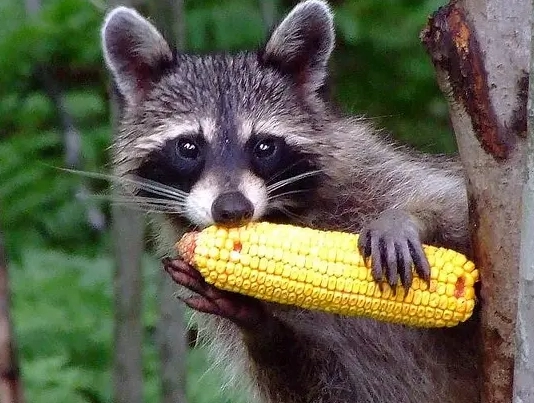
I used to just see them as pests. Then I started watching them more closely—from a safe distance, of course. You see them delicately turning over stones in a creek, their hyper-sensitive fingers feeling for crayfish. You watch a mother teaching her kits how to find grubs under rotting logs. It's not just about scavenging; it's a masterclass in opportunistic eating. Their diet is a huge reason why they're one of the most successful mid-sized mammals in North America. So, if you're tired of just being mad about the trash, and you actually want to understand the "why" behind the mess, you're in the right place. We're going way beyond the garbage can.
The Core Idea: Raccoons are opportunistic omnivores. This isn't just a fancy biology term. It means their menu is literally "whatever works." They have no strict diet plan. Their genius is in their ability to find and eat a mind-boggling variety of foods based on what's available, safe, and nutritious at that exact moment. This flexibility is their superpower.
The Natural Menu: What Raccoons Eat in the Wild
Forget the city for a second. Imagine a raccoon in a healthy woodland, near a river or wetland. This is their original home, and their diet here is surprisingly diverse and balanced. It's not random grabbing; it's seasonal, calculated, and driven by instinct and learned skill.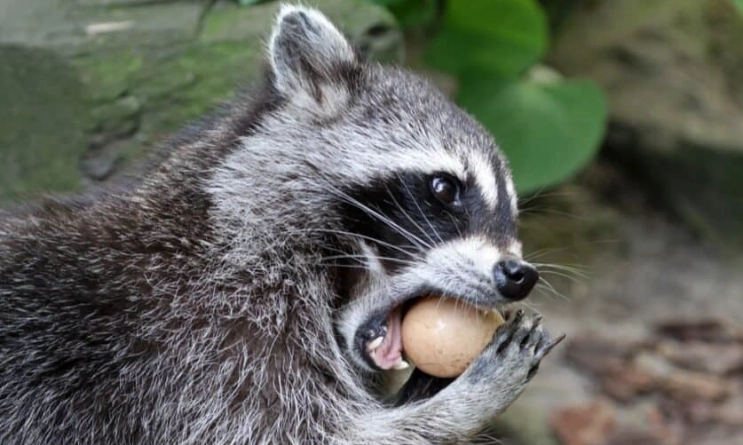
Protein is King (Especially in Spring and Summer)
When you're raising a family or building up fat reserves, you need protein. For raccoons, this isn't about a steak dinner. Their protein comes from live prey and other animal sources. It's hands-on work.
Their absolute favorite hunting grounds are shallow water. Those clever front paws aren't just for opening latches; they're like underwater sensors. A raccoon will wade into a stream, feel around the muddy bottom, under rocks, and in vegetation. They can actually identify prey by touch alone, which is pretty wild to think about. This is where they find:
- Crayfish: A staple. They're like little underwater lobsters, and raccoons are experts at catching them.
- Frogs and tadpoles: An easy, abundant source of food in spring and summer.
- Fish: They'll snatch small, slow-moving fish from the edges of ponds.
- Insect larvae: Things like water beetles and dragonfly nymphs.
On land, the hunt continues. They'll tear apart rotting logs (which honestly does some good for the ecosystem) to get at beetle grubs. They'll dig in soft earth for earthworms, especially after a rain. They'll snatch up grasshoppers, crickets, and even raid bird nests for eggs or helpless nestlings—a harsh reality of nature, but a crucial one for understanding what do raccoons eat for survival. Small mammals like mice, voles, or young rabbits are also on the menu if the chance arises, but they're not the skilled hunters that foxes or coyotes are. They're more about the slow-moving or trapped prey.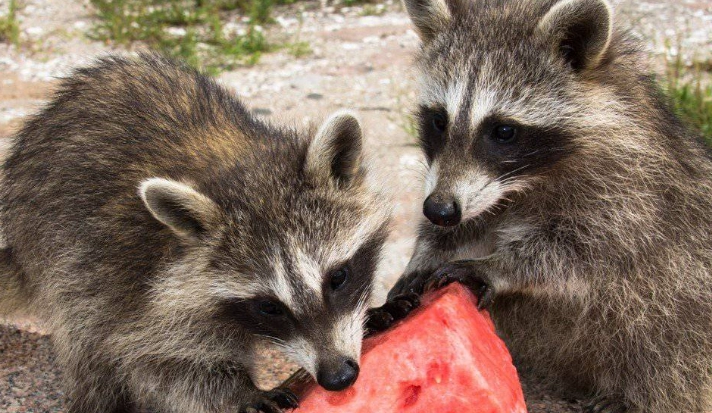
That famous "washing" behavior? Scientists from the University of Wyoming's Haub School of Environment and Natural Resources have studied this. While it was once thought they were washing food, it's now believed the water heightens the sensitivity of their paw nerves, helping them better identify what they're about to eat, especially in murky water. It's more about tactile exploration than cleanliness.
The Sweet Side: Fruits, Nuts, and Plants
Come late summer and fall, the focus shifts. This is the time to pack on the pounds for winter, and carbohydrates are the ticket. Raccoons become foragers, climbing trees (yes, they're excellent climbers) and scouring the forest floor.
This is the season of plenty, and their diet reflects it. They'll feast on wild berries of all kinds—blackberries, raspberries, mulberries. They love fruits like wild grapes and persimmons. A major autumn highlight is nuts. Acorns, hickory nuts, and walnuts are like energy bars for them. They'll spend hours gathering and cracking them open. They also eat various grains, seeds, and even some types of grasses and leaves, though these are more filler than a primary food source.
You can almost think of their year in two phases: the protein-heavy growing season and the carb-heavy fattening season.
From Forest to Suburb: What Do Raccoons Eat in Our Backyards?
This is where the story gets complicated, and where most of our conflicts arise. A raccoon's natural curiosity and intelligence meet our carelessness and abundance. To a raccoon, a suburb isn't a human habitat; it's a new kind of ecosystem, rich with bizarre but easily accessible food sources. Their answer to what do raccoons eat changes completely.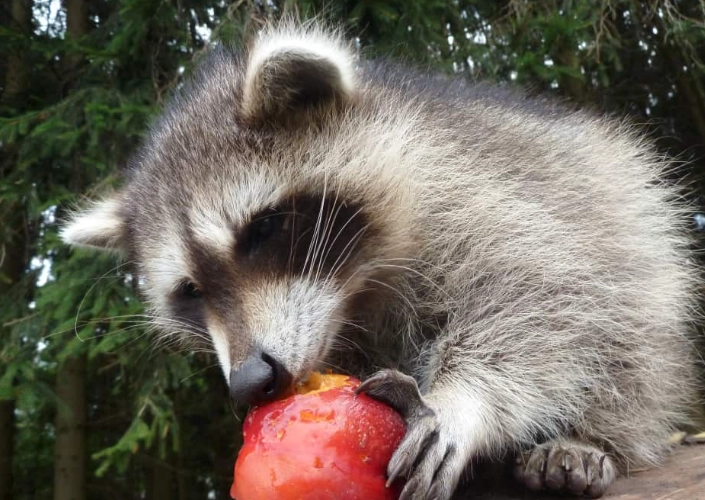
The most obvious one is our garbage. An unsecured trash can is a treasure chest. It contains meat scraps, leftover pasta, vegetable peels, old bread—a full buffet with zero effort required. It's not their first choice in a perfect world (natural food is usually healthier), but it's reliable and calorie-dense.
Then there are the intentional feeders. A bowl of cat or dog food left on a porch is like a free dinner bell. Bird feeders are another huge attractant. They'll spill seed on the ground or, impressively, figure out how to dump the feeder itself. I once watched a raccoon unscrew a "squirrel-proof" bird feeder from a branch. It was equal parts infuriating and impressive.
Gardens become salad bars. They have a particular fondness for sweet corn, right when it's perfectly ripe. They'll peel back the husk and eat just the kernels, leaving a mess. Melons, strawberries, and grapes are also frequent targets. They'll dig up lawns searching for grubs (ironically, sometimes doing a service) and earthworms.
A Critical Warning: This is the single most important piece of advice in this article. You should never intentionally feed raccoons. It's illegal in many areas for good reason. It makes them lose their natural fear of humans, which is dangerous for both parties. It concentrates them in areas, spreading disease like canine distemper or raccoon roundworm. It also leads to malnutrition—human food is junk food for them. The Humane Society of the United States is very clear on this: feeding wildlife often ends with the animal being killed because it became a nuisance or a threat. If you care about them, admire them from afar and secure your trash.
A Seasonal Breakdown: How Their Diet Changes Through the Year
Understanding what raccoons eat means understanding time. Their needs change dramatically with the seasons. Here's a quick look at their annual food calendar: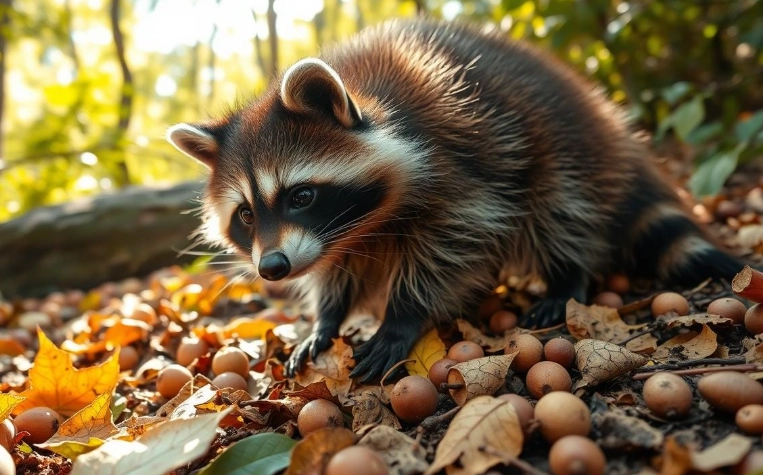
| Season | Primary Food Focus | Why & Key Examples |
|---|---|---|
| Spring | High-Protein Foods | Femans are nursing kits, everyone needs energy after winter. Crayfish, frogs, insects, eggs, newborn small animals. |
| Summer | Mixed Diet | Kits are learning to forage. Early fruits/berries appear. Diet includes protein from prey plus growing variety of plants. |
| Fall | High-Carb, High-Fat Foods | Critical fat-building for winter. Nuts (acorns, walnuts), fruits (persimmons, grapes), corn, any human food sources. |
| Winter | Scavenging & Fat Reserves | True hibernation is rare. They become lethargic but will emerge during warm spells to scavenge carcasses, leftover nuts, or raid trash. |
Winter is the tough one. In harsh climates, they can lose up to 50% of their body weight. That's why the fall feast is so important. A raccoon with a poor fall food source is unlikely to see spring.
What Do Raccoons Eat That They Shouldn't? Dangerous Foods & Human Foods
Just because they can eat something doesn't mean they should. This is a major gap in a lot of discussions about raccoon diet. Their tough digestive systems can handle a lot, but many common human foods are terrible for them.
Absolutely Toxic: Chocolate (contains theobromine), caffeine, alcohol, onions, garlic, and xylitol (an artificial sweetener found in gum and some peanut butters) are poisonous. Grapes and raisins can cause kidney failure in some animals. Moldy food from your compost can contain deadly toxins.
Harmful Junk Food: Processed foods, chips, candy, bread, and fried foods offer empty calories and can lead to obesity and malnutrition. They fill up but get no real nutrition. Salt is also a problem in large amounts.
I think the worst offender is people feeding them processed meat like hot dogs or cheap lunch meat. It's packed with salt, nitrates, and preservatives. It's like feeding a toddler nothing but fast food. It creates unhealthy, dependent animals.
Then there's the physical danger. They can get their heads stuck in jars or yogurt containers. They can cut themselves on tin cans. I've seen photos of raccoons with plastic six-pack rings around their bodies. Our carelessness directly harms them.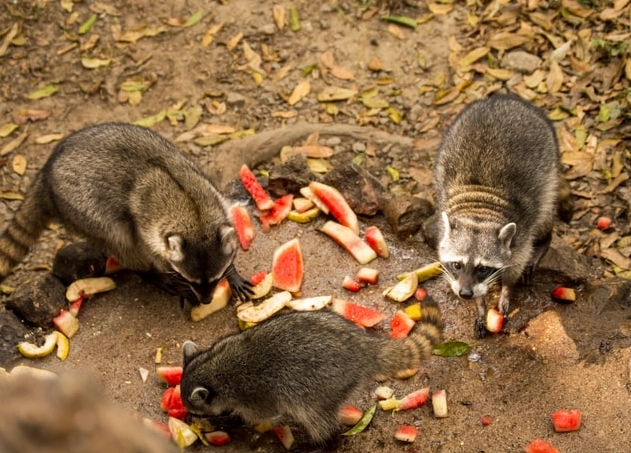
Answers to Your Biggest Questions About What Raccoons Eat
Do raccoons eat cats or small dogs?
It's a common fear, but attacks on healthy adult cats or small dogs are extremely rare. A raccoon's first instinct is to flee, not fight. However, conflicts can happen. A raccoon cornered, protecting its young (kits), or sick (especially with rabies, though this is less common than media suggests) may attack. The bigger risk is to very small pets (like kittens, very small toy breeds, or chicks/ducklings) left unattended outside, as they could be seen as prey. Always supervise small pets at dawn, dusk, and night. Keep pet food indoors.
What do baby raccoons (kits) eat?
For the first 6-8 weeks, they drink only their mother's milk. It's incredibly rich and fatty. After that, the mother brings them solid food. She'll bring injured prey, pieces of fruit, or other soft items to the den. She literally teaches them what do raccoons eat by example. This is why orphaned kits raised by humans have such a hard time surviving in the wild—they never learned the essential foraging skills.
Do raccoons eat squirrels?
An adult, healthy squirrel is usually too fast and agile for a raccoon to catch. However, raccoons are notorious nest raiders. They will readily eat baby squirrels (kits) if they find a nest. They will also scavenge dead adult squirrels. So while they aren't active squirrel hunters, squirrels are not off the menu entirely, especially in vulnerable forms.
What do raccoons eat in the winter?
They mostly rely on their stored body fat. But during winter thaws, they become active scavengers. They'll dig through snow for leftover nuts or frozen fruit. They'll eat carrion (dead animals). And, of course, they'll go for any unsecured garbage, compost piles, or pet food they can find. Their winter survival hinges on the quality of their fall feeding.
If you find an injured, sick, or truly orphaned baby raccoon (one that's crying non-stop for hours with no mother in sight), do not try to care for it yourself. Contact a licensed wildlife rehabilitator immediately. You can find one via your state's wildlife agency website, like the U.S. Fish and Wildlife Service links to local resources, or through networks like the National Wildlife Rehabilitators Association. They have the knowledge and permits to provide proper care and diet.
Living with Raccoons: Reducing Conflict by Managing Their Food Sources
So, now that you're an expert on what do raccoons eat, what do you do with this info? The goal isn't to eliminate them—that's often impossible and ecologically shortsighted. The goal is to make your property less attractive than your neighbor's. It's about removing the invitation.
1. Declare War on Your Trash Can. This is 80% of the solution. Get cans with locking, clamp-on lids or use bungee cords. Store them in a garage or shed until morning. If you must leave them out, put them in a rack or tie them to something solid.
2. Bring Pet Food Inside. Never, ever leave pet food bowls outside overnight. If you feed outdoor cats, use a scheduled feeder that only opens during the day and pick up any leftovers immediately.
3. Secure the Bird Buffet. Use bird feeder poles with baffles (the dome-shaped guards). Place feeders at least 10 feet away from any jumping-off point like a tree or fence. Use seed catchers to minimize spillage. Or, consider taking feeders down from April to November when natural food is abundant.
4. Protect Your Garden. For sweet corn, try planting squash around the base—the prickly vines can deter them. Use motion-activated sprinklers. A simple, low electric fence (like one used for rabbits) can be very effective around a vegetable patch.
5. Seal Up Shelter. They're not just looking for food; they want a safe place to sleep and raise young. Secure crawl space vents, fix holes in soffits, and cap chimneys with professional chimney caps.
It takes a little work, but it's far better than the endless cycle of cleaning up and being frustrated.
The Bigger Picture: Why Understanding Their Diet Matters
When you start to see the world through the question of what do raccoons eat, you see more than just a clever pest. You see an animal exquisitely adapted to a changing world. Their shift from wetland forager to urban scavenger is one of the most dramatic wildlife success stories of the last century, for better and worse.
Their diet tells a story about habitat loss—they're in our yards because their natural wetlands and forests are shrinking. It tells a story about adaptation and intelligence. And unfortunately, it also tells a story about how our waste and carelessness create problems that we then blame on the animal.
I'm not saying you have to love them raiding your corn. I certainly don't. But understanding the "why"—that they're just following an ancient drive to find the best, easiest calories to survive—takes some of the anger out of it. It becomes a management puzzle instead of a personal vendetta.
The bottom line is this: the answer to what do raccoons eat is "almost anything." But in our shared spaces, we have a huge amount of control over what that "anything" is. By being smart and proactive with our food waste and attractants, we can encourage them to be the wild, fascinating foragers they are meant to be, rather than the backyard bandits we've accidentally created.
LEAVE A REPLY
Your email address will not be published. Required fields are marked *