Cockroach. Just the word can make your skin crawl. But here's the thing—when you spot one cockroach, there's likely a whole family hiding. Cockroach infestations are sneaky, resilient, and more common than people admit. I've been in pest control for over a decade, and I've seen homes where cockroach problems spiraled because of simple mistakes. This guide cuts through the noise to give you a clear, actionable plan.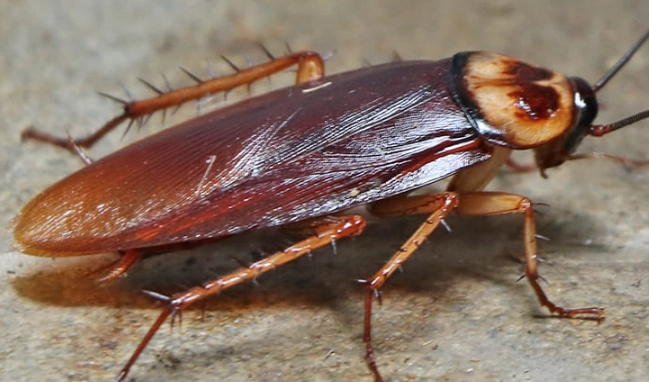
What This Guide Covers
Why Cockroaches Are a Bigger Problem Than You Think
Most folks see a cockroach and think it's just a gross bug. But it's a health hazard. Cockroaches carry bacteria like Salmonella and E. coli—they crawl over food, dishes, even toothbrushes. I remember a client whose kid had constant allergies; turns out, cockroach droppings in the air vents were the culprit. After cleanup, the symptoms vanished.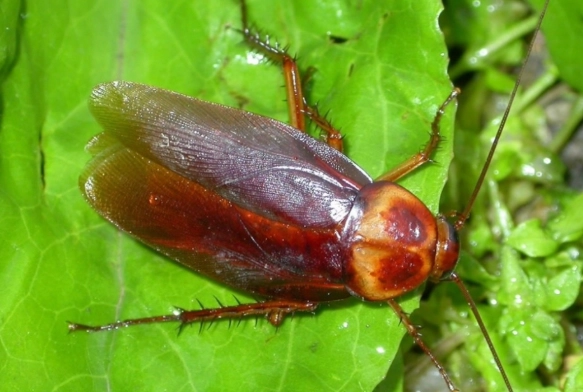
They're also survival experts. A cockroach can live for weeks without food, squeeze through tiny cracks, and reproduce fast. One female can produce hundreds of offspring in a year. That's why a single sighting often means an infestation brewing.
How to Identify a Cockroach Infestation Like a Pro
Don't wait to see a cockroach scurrying. Look for these signs:
- Droppings: Small, black specks that look like coffee grounds. You'll find them in drawers, under sinks, or along baseboards.
- Egg Cases: Called oothecae, these are brown, pill-shaped capsules. They're often hidden in dark, warm spots like behind appliances.
- Odor: A musty, oily smell that gets stronger with more cockroaches.
- Shed Skins: As cockroaches grow, they molt and leave behind translucent shells.
I once inspected a kitchen where the homeowner only saw one cockroach at night. But behind the fridge, there were dozens of egg cases. Spotting early signs saves you time and money.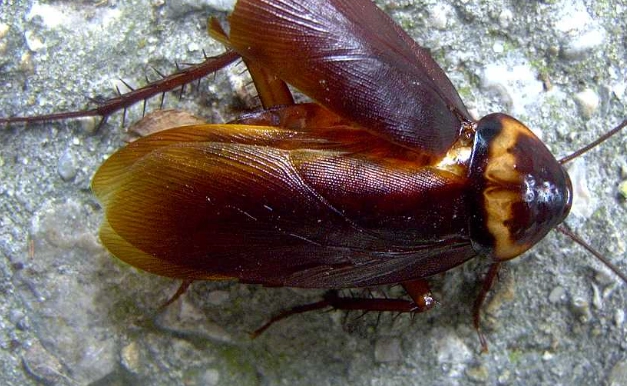
Common Cockroach Species You Might Encounter
Knowing the type helps tailor your approach. Here's a quick breakdown:
| Species | Key Features | Preferred Habitat |
|---|---|---|
| German Cockroach | Small, light brown with two dark stripes; reproduces fastest | Kitchens, bathrooms near water sources |
| American Cockroach | Large, reddish-brown; can fly short distances | Basements, sewers, damp areas |
| Oriental Cockroach | Dark, shiny black; slower moving | Cool, damp places like drains |
German cockroaches are the worst—they adapt quickly to pesticides. If you have them, you need a strategic plan.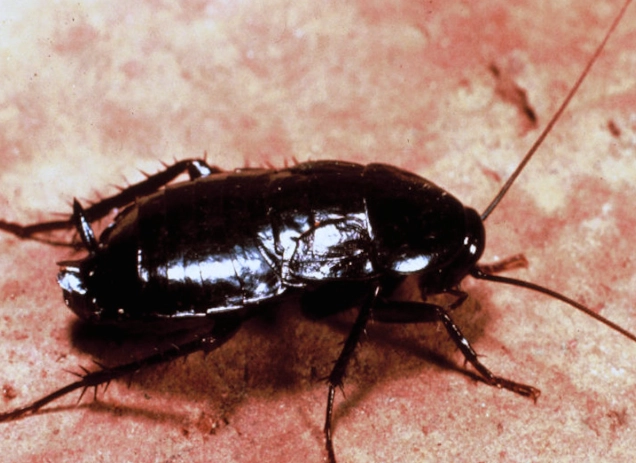
Preventing Cockroaches: Steps Most People Miss
Prevention isn't just about cleanliness. It's about denying access. Here's what most guides don't tell you:
Seal entry points meticulously. Cockroaches can slip through gaps as thin as a dime. Use caulk to seal cracks around pipes, windows, and doors. I've seen homes where cockroaches came from a neighbor's apartment through utility lines.
Manage moisture. Cockroaches need water to survive. Fix leaky faucets, dry sinks overnight, and use dehumidifiers in basements. A dry environment slows them down.
Store food intelligently. Don't just wipe counters. Keep food in airtight containers, including pet food. I once found a cockroach nest in a half-open cereal box.
And here's a personal tip: avoid cardboard boxes for storage. Cockroaches love the glue and dark spaces. Switch to plastic bins.
Eliminating Cockroaches: A Step-by-Step Battle Plan
If you're already dealing with cockroaches, don't panic. Follow this sequence. Rushing leads to failure.
Step 1: Inspection and Sanitation
Pull out appliances, empty cabinets, and vacuum thoroughly. Dispose of the vacuum bag immediately—cockroach eggs can hatch inside. This reduces food debris and exposes hiding spots.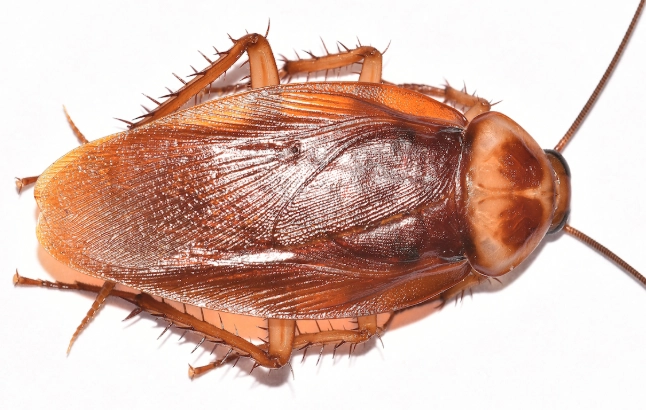
Step 2: Choose the Right Products
Skip the cheap sprays. They just repel cockroaches temporarily. Instead, use:
- Baits and Gels: Like Advion Cockroach Gel or Combat Max. Cockroaches eat these and carry poison back to the nest, killing others. Place dots in corners, under sinks, and near appliances.
- Insect Growth Regulators (IGRs): Products like Gentrol disrupt reproduction. They're slow but prevent future generations.
- Diatomaceous Earth: A natural powder that dehydrates cockroaches. Dust it in cracks and crevices—it's non-toxic to pets but effective.
I recommend a combination for best results. For severe cases, consider professional help from licensed exterminators who use integrated pest management.
Step 3: Monitor and Reapply
Check bait stations weekly. If they're consumed, reapply. It takes 2-4 weeks to break the cycle because eggs keep hatching. Patience is crucial. I've seen people give up after a week, only to have the problem return worse.
Step 4: Maintain Vigilance
Once controlled, keep up prevention habits. Set sticky traps as early warning systems. Inspect monthly, especially in warm seasons.
Common Mistakes and Expert Tips from the Field
After years on the job, I've noticed patterns. Here are pitfalls to avoid:
Overusing sprays. Sprays make cockroaches scatter and hide deeper, making eradication harder. They also leave residues that humans shouldn't inhale. Use them sparingly, if at all.
Ignoring the perimeter. Cockroaches often come from outside. Treat outdoor areas with perimeter sprays or granules, focusing on foundations and garbage areas.
Not targeting harborage areas. Cockroaches love warm, tight spaces. Behind refrigerators, under stoves, inside electronics—check these spots. I once found a nest in a microwave's ventilation system.
My top tip: educate everyone in the household. Consistency matters. If one person leaves crumbs out, it undermines efforts.
Your Cockroach Questions Answered
Cockroach control isn't a one-time event. It's a process. Start with identification, move to prevention, and tackle elimination methodically. Remember, even experts face setbacks, but with this guide, you're equipped to win the battle. Keep it simple, stay persistent, and don't let those creepy crawlies take over your space.
LEAVE A REPLY
Your email address will not be published. Required fields are marked *