You see a dark shape scuttle under the fridge. Your first thought is disgust, followed by a wave of anxiety. What kind of cockroach is it? Is this a lone wanderer or the tip of a hidden iceberg? Most people just see a "roach," but that's like calling every four-legged animal a "dog." Misidentification is the number one reason DIY pest control fails. I've been in the pest management field for over a decade, and I can't tell you how many times I've seen someone use the wrong bait because they thought their Oriental cockroach problem was German. The strategies are completely different.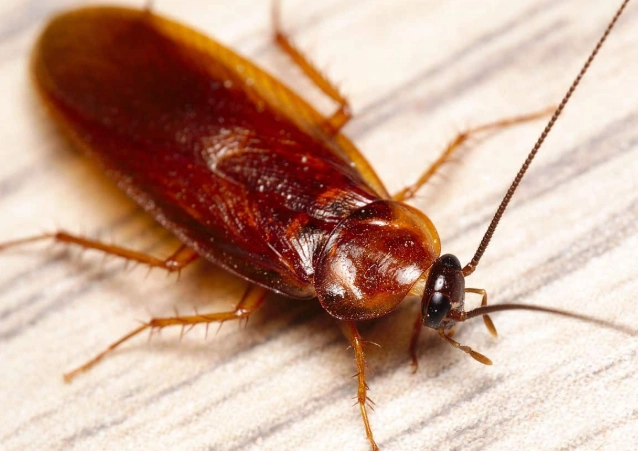
This guide isn't just a list of bugs. It's a field manual. We're going to break down the five cockroach species you're most likely to encounter, not by textbook definitions, but by the real-world signs they leave behind and the specific headaches they cause. Getting this right is the first, non-negotiable step to getting rid of them.
What's Inside This Guide
The Big Five: Cockroaches You Need to Know
Let's meet the usual suspects. We'll focus on behavior and habitat—the stuff that actually matters for control. Think of this as a most-wanted list.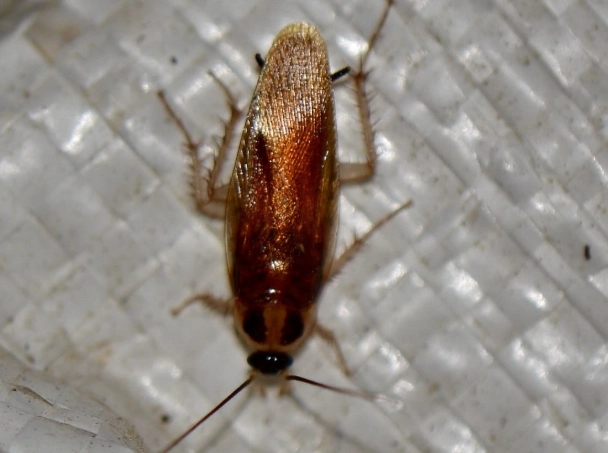
1. The German Cockroach (Blattella germanica)
The Indoor Specialist. If you have a roach in your kitchen or bathroom, odds are high it's this one. They're the champions of indoor infestation. Small (about ½ to ⅝ inch), light brown or tan, with those two infamous dark, parallel stripes running from behind the head down the back. But here's what the textbooks often gloss over: they're thigmotactic. They need to feel surfaces on their top and bottom, which is why they cram themselves into the tiniest cracks—the seam of your microwave, behind the outlet plate, inside your coffee maker. They reproduce faster than any other common species; one female can produce over 30,000 offspring in a year. Finding them in daylight is a major red flag; it usually means the population is so large they're forced out of hiding.
2. The American Cockroach (Periplaneta americana)
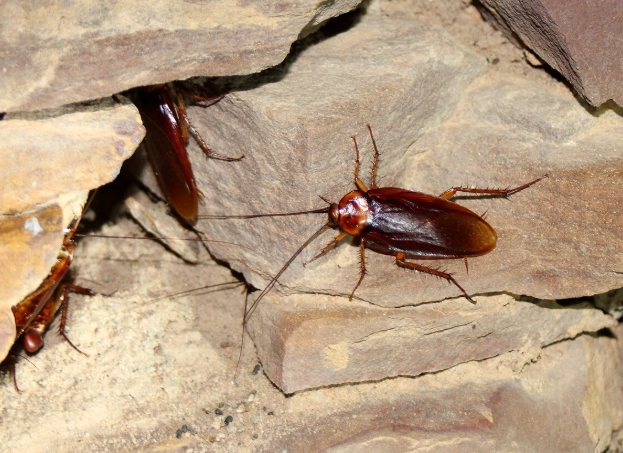
The Occasional Invader. Don't let the name fool you; they're likely from Africa. These are the big ones—often called "palmetto bugs" or "water bugs" in the South. Adults are reddish-brown, 1.5 to 2 inches long, with a distinctive yellowish figure-8 pattern on the back of their head. The key to understanding Americans is their love for decaying organic matter and moisture. They thrive in sewers, storm drains, mulch beds, and crawl spaces. They often come indoors through drain pipes or foundation cracks, especially during dry or cold weather. Seeing one big roach in the basement doesn't always mean an indoor infestation; it might just be a scout from the sewer line. Their egg cases are dark brown and about 3/8 inch long, often glued to surfaces in hidden areas.
| Species | Size | Color | Key Habitat Clue | Biggest Control Headache |
|---|---|---|---|---|
| German Cockroach | 1/2 - 5/8 inch | Light brown with two dark stripes | Clustered in warm appliances, kitchen cabinets | Extreme reproductive rate; insecticide resistance |
| American Cockroach | 1.5 - 2 inches | Reddish-brown, yellow "figure-8" mark | Sewers, basements, crawl spaces, mulch | Can fly; often reinvades from outside sources |
| Oriental Cockroach | 1 - 1.25 inches | Glossy black or dark brown | Cool, damp areas: basements, floor drains, under sinks | Prefers filth, less attracted to common baits |
| Brown-Banded Cockroach | 1/2 inch | Light brown with two lighter bands across wings | Dry, warm areas: ceilings, picture frames, electronics | Wide dispersal; baits must be placed high and dry |
| Smoky Brown Cockroach | 1.5 inches | Uniform mahogany or smoky brown | Attics, tree holes, wood piles, roof soffits | Strong flier; enters through attic vents or eaves |
3. The Oriental Cockroach (Blatta orientalis)
Often called "water bugs" because of their strong preference for cool, damp, and often filthy locations. They're slower, shinier, and darker than the others—almost black. About 1 to 1.25 inches long. You'll find them in basements, crawl spaces, around floor drains, and under leaky sinks. They have a distinct, strong, and unpleasant odor. A common mistake is treating them like Germans. Gel baits placed for Germans can fail for Orientals because the high-humidity environments they love can break down the bait matrix before they eat it. Dusts and perimeter sprays targeting their harborage areas are often more reliable.
4. The Brown-Banded Cockroach (Supella longipalpa)
This is the wildcard. They're small, like Germans, but their behavior is the opposite. They avoid water and prefer drier, warmer locations throughout the home, not just the kitchen. Look for them in upper cabinets, inside clocks, behind picture frames, under loose wallpaper, and even in the hollow spaces of electronic devices like TVs and computers. Their name comes from the two lighter bands across their dark brown wings and abdomen. This dispersed habitat makes them tricky. Spraying the kitchen baseboards does nothing. You need to place baits and insecticidal dusts in those elevated, dry hiding spots.
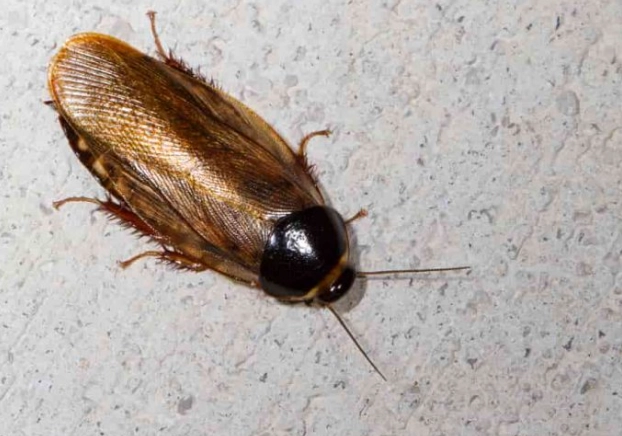
5. The Smoky Brown Cockroach (Periplaneta fuliginosa)
Common in the southeastern US. They look like a sleek, uniform, dark mahogany or smoky-brown version of the American cockroach, and they're strong fliers attracted to lights. They are primarily outdoor pests, living in tree holes, wood piles, and planter boxes. Their main route inside is through attic vents, gaps in roof soffits, or under doors. An infestation often starts in the attic. If you're seeing large, dark roaches primarily on upper floors or in well-lit rooms at night, think Smoky Brown.
Beyond the Bug: Mastering Cockroach Identification
Sometimes you don't see the live insect. You see the evidence. Here’s how to play pest detective.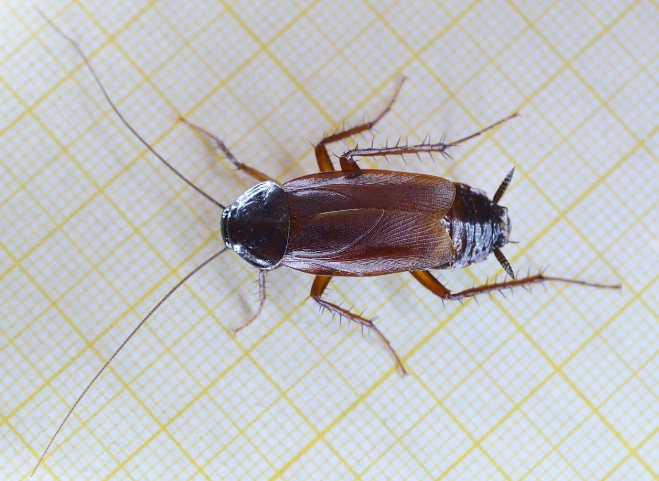
Visual Identification: It's in the Details
Don't just glance. Get a photo or trap one (in a jar, please). Look for:
- Size & Shape: Is it under an inch (German, Brown-banded) or over 1.5 inches (American, Smoky Brown)?
- Color & Markings: The stripes on a German, the figure-8 on an American, the uniform shine of a Smoky Brown. The nymphs (babies) can look different—German nymphs are dark with a light stripe, American nymphs are gray-brown.
- Wings: Adult American and Smoky Brown roaches have wings that cover their abdomen. Female Oriental roaches have only tiny wing pads, making them look almost wingless.
Behavioral & Environmental Clues
This is where you really nail the ID.
Where are you seeing them?
Kitchen at 2 AM? Likely German. Basement floor drain? Strong Oriental suspect. Running across the living room ceiling? Brown-banded is a prime candidate. Flying toward your porch light? Probably American or Smoky Brown.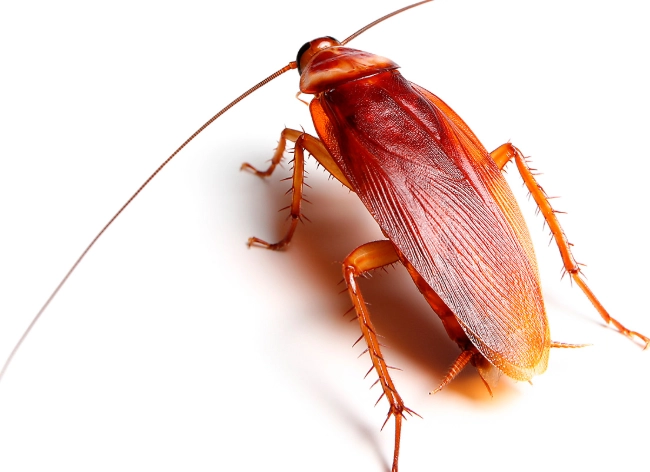
What do the droppings look like?
This is a huge clue people miss. German and Brown-banded roach droppings are tiny, black, and look like ground pepper or coffee grounds. American and Oriental roach droppings are larger, cylindrical, and have ridges, similar to mouse droppings but smaller. Finding these droppings in a specific area maps their harborage.
The Egg Case (Ootheca):
Each species' egg case is distinct. Germans carry theirs (a light brown, pill-shaped case) until just before hatching. Americans and Orientals glue their darker, purse-shaped cases to hidden surfaces in protected areas. Finding these is a sure sign of breeding activity.
I once inspected a home where the client was sure they had Germans because they saw small roaches. All the baiting in the kitchen did nothing. When I checked the bedroom, I found droppings behind a framed poster and a small, banded roach inside an old stereo receiver. It was Brown-banded. We moved the bait stations to the bedrooms and living room, and the problem was solved in weeks. Location told the story.
Your Cockroach Questions, Answered
Correctly identifying the types of cockroaches in your space is more than an academic exercise. It's the critical intelligence that determines whether your control efforts will be a frustrating waste of money or a targeted, successful campaign. Start with the evidence—the bug, the droppings, the location—and match it to the profiles here. When in doubt, consider taking a clear photo and consulting with a professional. Their experience can often spot the subtle clues that make all the difference. Remember, in pest control, knowing exactly what you're up against is already half the battle won.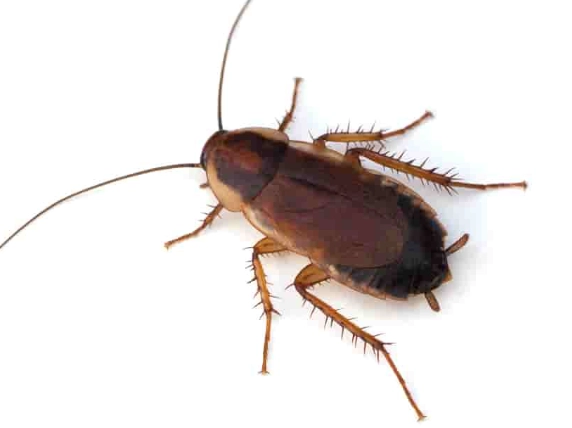
LEAVE A REPLY
Your email address will not be published. Required fields are marked *