If you've ever spotted a weird-looking bug with a long beak in your backyard, you might have encountered an assassin bug. These insects are nature's pest control agents, but they can also deliver a nasty bite. Let's cut to the chase: understanding assassin bugs can help you garden smarter and avoid unnecessary panic. I've spent years observing them in my own garden, and I'll share the good, the bad, and the practical tips you won't find in most guides.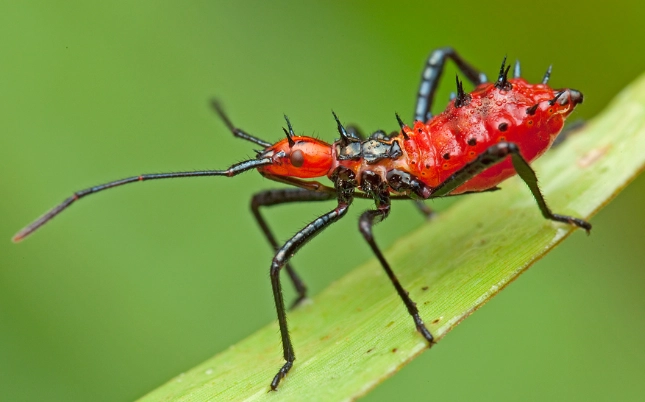
In This Guide: Jump to What Matters
- What Are Assassin Bugs Really?
- How to Identify Assassin Bugs Without a Microscope
- Behavior and Diet: Why They're Garden Allies
- Are Assassin Bugs Dangerous to You and Your Family?
- Managing Assassin Bugs in Your Garden: A Balanced Approach
- A Real Garden Story: My Encounter with Assassin Bugs
- Your Burning Questions Answered
What Are Assassin Bugs and Why Should You Care?
Assassin bugs belong to the family Reduviidae, and there are over 7,000 species worldwide. They're not your average bug—these guys are predators that hunt other insects. Think of them as the secret agents of your garden, taking out pests like aphids and caterpillars silently. But here's the kicker: some species, like the kissing bug, can transmit diseases, which is why identification matters.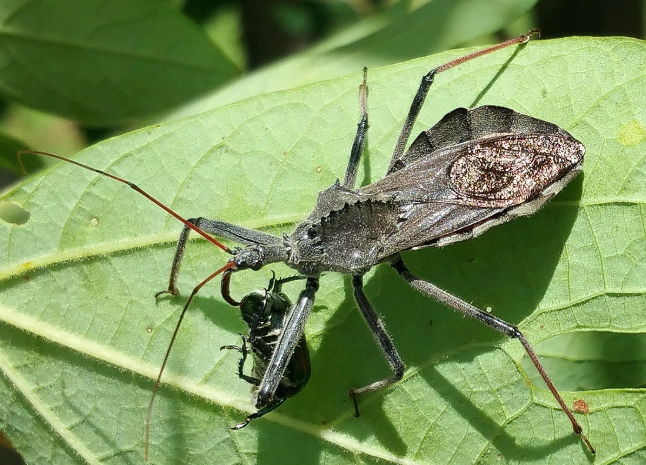
I remember first seeing one in my Texas garden. It was perched on a tomato plant, looking all sinister with its curved mouthpart. I almost squashed it, thinking it was a threat. Big mistake. After researching, I learned that most assassin bugs are beneficial. The University of California's Statewide Integrated Pest Management Program notes that they play a crucial role in natural biocontrol, reducing the need for chemicals.
Key Physical Traits You Can Spot Easily
Don't get bogged down by scientific jargon. Look for these features:
Head and Beak: A narrow, elongated head with a curved, needle-like beak (called a rostrum) used to inject saliva into prey. It's like a built-in straw for sucking fluids.
Legs: Front legs are often thicker and adapted for grasping—imagine tiny arms ready to grab a meal.
Size and Color: They range from 0.5 to 1.5 inches long. Colors vary: some are brown or black, while others, like the milkweed assassin bug, have bright orange and black patterns. This variability trips up many beginners; I've seen people confuse them with stink bugs, but assassin bugs are more streamlined.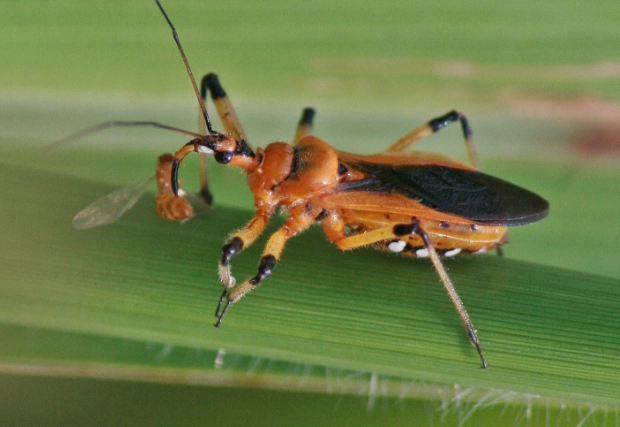
Common Species You Might Encounter
Not all assassin bugs are created equal. Here's a quick rundown:
Wheel Bug (Arilus cristatus): Large, gray, with a spiky crest on its back. Found in eastern North America. It's a voracious predator but can deliver a painful bite if handled.
Milkweed Assassin Bug (Zelus longipes): Brightly colored, often on milkweed plants. Great for controlling pests but can bite if provoked.
Kissing Bug (Triatoma species): This is the one to watch out for. It's known for biting humans around the mouth and potentially spreading Chagas disease. According to the Centers for Disease Control and Prevention, they're more common in the southern U.S. and Latin America. If you live in those areas, extra caution is needed.
How to Identify Assassin Bugs in Your Garden: A Step-by-Step Approach
You don't need a degree in entomology to tell assassin bugs apart. Start by observing from a distance—use your phone camera to zoom in. Look for that distinctive beak and grasping legs. Compare with online resources from authoritative sites like the Missouri Botanical Garden's insect guides.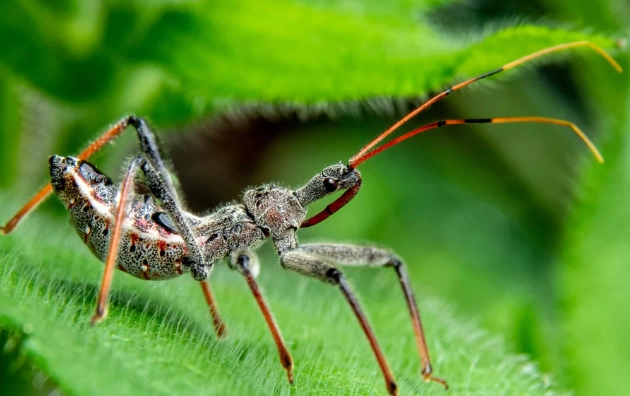
One trick I've learned: assassin bugs often move slowly when hunting, unlike fast-flying beetles. They might stalk prey on leaves or stems. If you see a bug impaling a caterpillar, chances are it's an assassin bug.
Common Identification Mistakes (And How to Avoid Them)
Many gardeners mix up assassin bugs with leaf-footed bugs or stink bugs. Here's the difference: assassin bugs have a visible beak and lack the broad shield shape of stink bugs. Leaf-footed bugs have flattened hind legs, while assassin bugs' legs are more uniform. I once misidentified a wheel bug as a harmless beetle, and let's just say the bite taught me a lesson. Always err on the side of caution—if you're unsure, don't handle it directly.
Pro Tip: Use a clear jar to trap the bug for a closer look. This minimizes risk and gives you time to compare features. Snap a photo and upload it to community forums like iNaturalist for crowd-sourced ID help.
Assassin Bug Behavior and Diet: The Good, the Bad, and the Ugly
These insects are ambush predators. They wait motionless for prey, then strike with their beak, injecting digestive enzymes that liquefy the insides. It sounds gruesome, but it's efficient pest control. They eat aphids, caterpillars, beetles, and even other bugs. In my garden, I've seen them take down cucumber beetles that were destroying my plants.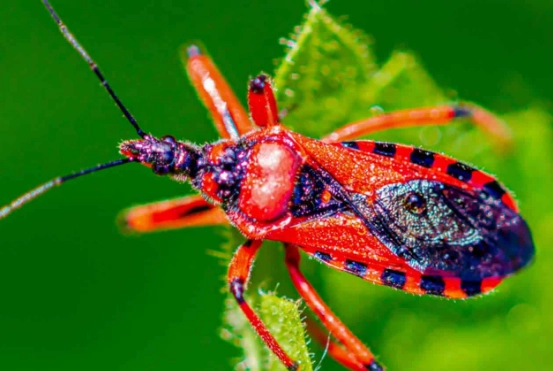
Their hunting technique varies. Some, like the thread-legged bug, use sticky secretions on their legs to trap prey. Others, like the wheel bug, rely on sheer strength. This diversity means they can adapt to different garden environments.
Why They're Ecosystem Heroes
Assassin bugs reduce pest populations naturally. Studies from agricultural extensions show that gardens with diverse predator insects, including assassin bugs, have fewer outbreaks of pests like spider mites. They're part of integrated pest management (IPM) strategies, which emphasize biological control over chemicals. If you're trying to go organic, attracting these bugs can be a game-changer.
But it's not all rosy. Some species, like the kissing bug, pose health risks. That's why behavior matters: beneficial assassin bugs are usually solitary and focused on insects, while problematic ones might seek out humans or pets for blood meals. Knowing the difference can save you trouble.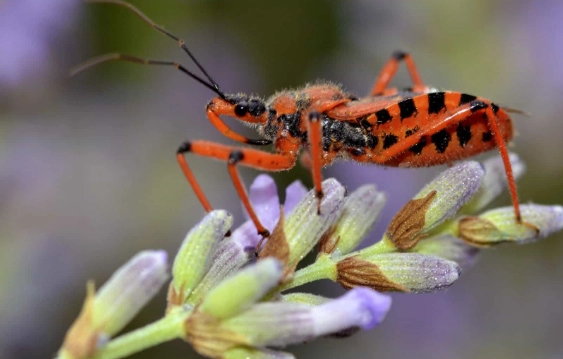
Are Assassin Bugs Dangerous? Separating Fact from Fear
Let's address the elephant in the room: yes, assassin bugs can bite. Their beak can pierce human skin, causing pain, swelling, and sometimes allergic reactions. I've been bitten once—it felt like a bee sting and left a red welt for days. But severe incidents are rare. Most bites happen when the bug is threatened, like if you accidentally press on it while gardening.
What a Bite Looks Like and How to Respond
If bitten, you'll likely experience immediate pain, followed by itching and swelling. Wash the area with soap and water to prevent infection. Apply a cold compress and consider over-the-counter antihistamines for itching. The CDC advises seeking medical help if symptoms worsen or if you're in an area with kissing bugs, due to Chagas disease risk. Personally, I keep a first-aid kit in my shed just in case.
Prevention is straightforward: wear gloves when working in dense vegetation, and avoid handling unknown insects. Seal gaps in your home's exterior to keep them out. Many online sources overhype the danger; in reality, assassin bugs are more beneficial than harmful if you take basic precautions.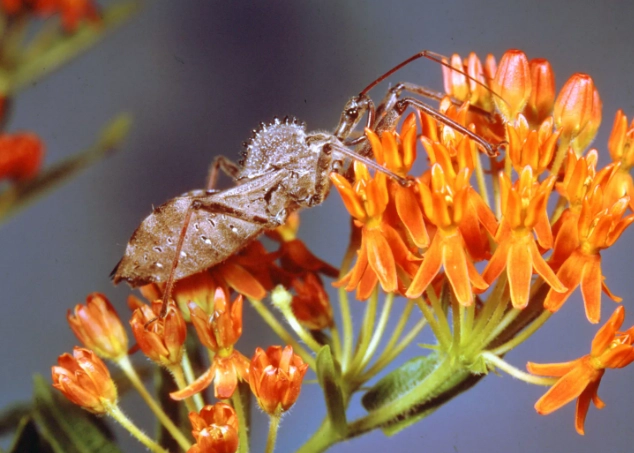
Managing Assassin Bugs in Your Garden: A Practical Strategy
You don't want to eliminate all assassin bugs—that would hurt your garden's health. Instead, aim for balance. Here's how:
Attracting Beneficial Species: Plant diverse flowers and herbs to provide habitat. Species like dill, fennel, and goldenrod attract prey insects, which in turn draw assassin bugs. I've found that maintaining a small "bug-friendly" zone with native plants boosts their presence.
Controlling Problematic Ones: If kissing bugs are a concern in your region, focus on sanitation. Remove woodpiles, seal cracks, and use insect screens. The University of Kentucky Entomology department recommends reducing outdoor lighting at night, as it attracts kissing bugs. For other species, physical removal with a jar works better than pesticides, which can kill beneficial insects too.
When to Intervene: Only take action if bugs are indoors or biting frequently. Otherwise, let them do their job. A common mistake is spraying insecticides indiscriminately—this disrupts the ecosystem and can lead to pest resurgences.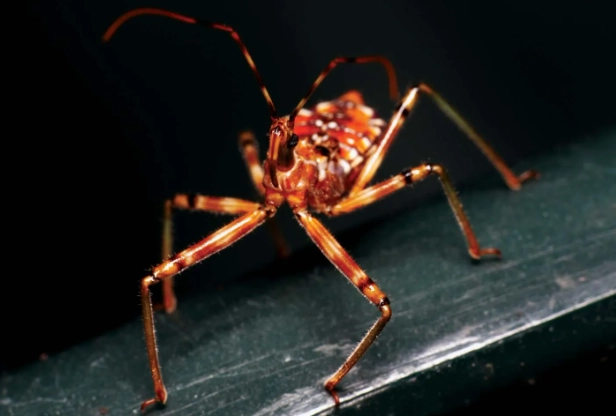
A Real Garden Story: My Love-Hate Relationship with Assassin Bugs
A few summers ago, my zucchini plants were under attack by squash bugs. I was about to resort to chemical sprays when I noticed a few wheel bugs lurking nearby. Skeptical, I decided to wait. Within a week, the wheel bugs had decimated the squash bug population. My zucchini rebounded, but then one wheel bug bit my son while he was playing nearby. It was a wake-up call: these insects are tools, not pets.
I learned to create boundaries—keeping play areas clear of dense foliage and educating my family on identification. This hands-on experience taught me that assassin bugs require respect, not fear. Most gardening blogs gloss over this nuance, but it's crucial for coexistence.
Your Burning Questions Answered
Assassin bugs are more than just creepy crawlies—they're a testament to nature's complexity. By learning to identify and manage them, you can turn your garden into a healthier, more resilient space. Start by observing, stay cautious, and remember: a little knowledge goes a long way in coexisting with these silent assassins.
LEAVE A REPLY
Your email address will not be published. Required fields are marked *