I remember the first time I saw one. It was midnight, and a small, tan blur sprinted across my kitchen counter and disappeared behind the microwave. A week later, I saw two. Then, I found tiny black specks that looked like pepper in my utensil drawer. That's when the sinking feeling hit – I had German cockroaches. Not the big, outdoor American roaches that wander in by mistake, but the small, prolific, indoor nightmare species. If you're here, you probably know that feeling too. This guide isn't just a list of facts. It's the battle plan I wish I'd had, compiled from hard experience and conversations with pest control pros who see the same mistakes every day.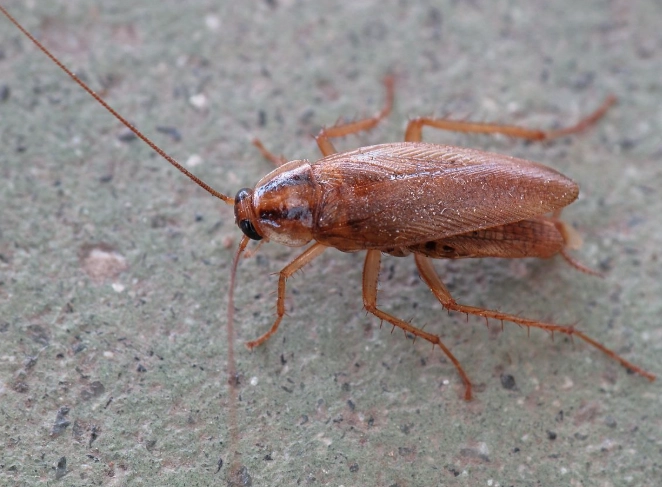
What You'll Find in This Guide
How to Know It's Definitely a German Cockroach
Misidentification wastes time and money. Here’s how to be sure.
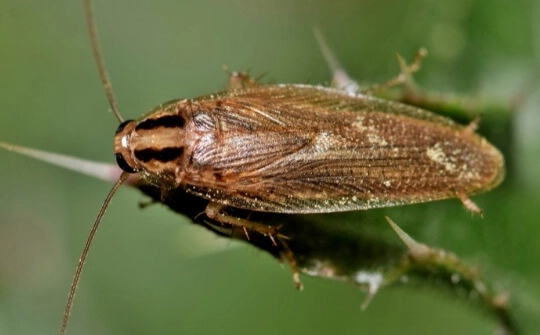
The Look: Adults are about 1/2 to 5/8 inch long, light brown to tan, with two distinctive dark, parallel stripes running from the back of the head to the wings. Nymphs (babies) are smaller, darker, almost black, and wingless. They have the same basic shape but lack the stripes until later stages.
Key Difference from "Water Bugs" or American Roaches: German cockroaches are small. If it's over an inch long and you found it in a basement or garage, it's likely a different, less problematic species. Germans are indoor colonists.
Where You'll Find Them: They crave warmth, moisture, and food residue. Your kitchen and bathroom are ground zero. Don't just look on the floor. Investigate:
- Under and behind the refrigerator, dishwasher, stove, and microwave.
- Inside electrical outlets, switch plates, and small appliances like toasters.
- The hinges and corners of cabinets, especially under the sink.
- Behind picture frames and wallpaper that's peeling.
The Evidence (Often Missed):
- Fecal Specks: Those tiny black "pepper grains" I found. Look for them in drawers, on shelves, and along walls. This is a major sign.
- Egg Cases (Oothecae): Small, tan, pill-shaped capsules about 1/4 inch long. Each holds 30-40 eggs. Females carry them until just before hatching, then glue them in a hidden spot.
- A Musty Odor: In heavy infestations, a distinct, unpleasant smell develops.
Why German Cockroaches Are So Hard to Beat
Understanding your enemy is key. Here’s what makes Blattella germanica a champion survivor.
Reproduction Rate is Absurd. One mated female can produce up to 400 offspring in her lifetime. Her offspring reach breeding age in as little as 60 days. You're not fighting a few bugs; you're fighting an exponential growth curve.
They're Hiders, Not Wanderers. Unlike other roaches, Germans spend 75% of their life hidden in harborage sites. Seeing one during the day usually means the population is already high and competition for space/food is intense.
Pesticide Resistance is Real. Decades of over-reliance on cheap sprays have created super-resistant populations. A study cited by researchers at Purdue University notes that German cockroaches have evolved resistance to numerous insecticide classes. Spraying and seeing no effect isn't just bad product; it's evolution in action.
They Eat Anything. Crumbs, grease, toothpaste, soap, book bindings, even the glue on stamps. Starving them out is nearly impossible in a lived-in home.
The Big Mistake Everyone Makes: The "clean house" fallacy. I was obsessive about cleaning, yet I had them. They came in on a secondhand appliance. German roaches are equal-opportunity infestors. They need food and water, but "clean" is relative to a roach. A film of grease under the stove or a drip from a pipe is a feast. Don't blame your hygiene first; focus on exclusion and targeted control.
Prevention: It's More Than Just Cleaning
Prevention is about creating an environment that's hostile to establishment. It's ongoing work.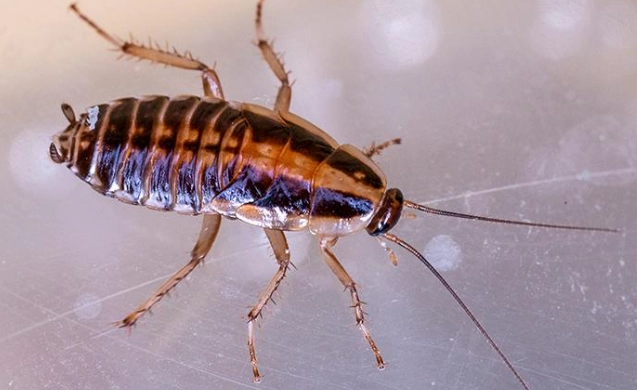
Sanitation That Actually Matters
- Wipe Down Counters & Appliances Nightly: Not just crumbs. Wipe up grease splatters and moisture. Use a vinegar or all-purpose cleaner to break down residues.
- Empty the Trash & Recycling Daily: Especially kitchen bins with food waste.
- Fix Drips & Leaks Immediately: A puddle under the sink is a roach spa. Deny them water.
- Store Food in Sealed Containers: This includes pet food. Don't leave bags of dog food open on the floor.
- Vacuum Regularly: Get under furniture and along baseboards. This removes eggs, specks (which contain aggregation pheromones), and nymphs.
Exclusion (Sealing Them Out)
This is the step most guides gloss over. Roaches need entry points and harborage.
- Caulk and Seal: Fill cracks and gaps in baseboards, around pipes under sinks, and between countertops and walls. Use a quality silicone caulk.
- Install Door Sweeps: On exterior doors and doors to garages/basements.
- Seal Around Utilities: Where pipes and wires enter walls.
- Inspect Incoming Items: Grocery bags, cardboard boxes (they love the corrugation), secondhand furniture, and appliances. Inspect them outdoors or in the garage before bringing them in.
The Step-by-Step Elimination Plan
If you already have an infestation, cleaning alone won't cut it. You need a tactical strike. Follow these steps in order.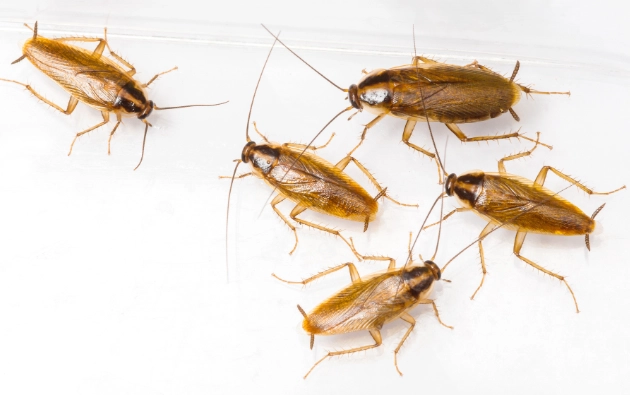
Step 1: Inspection and Sanitation Prep
Pull out your appliances. Empty your cabinets. Be brutal in your search for the evidence listed above. Identify the hotspots. Then, thoroughly clean those areas. Vacuum up all specks, egg cases, and dead bugs. This physical removal is critical before applying any pesticide.
Step 2: Choose Your Weapons (The Modern Arsenal)
Forget the can of spray. Modern roach control relies on a combination of tools.
- Gel Baits (Your Primary Weapon): Roaches eat the gel, return to the harborage, and die. Others then eat the poisoned feces and corpses, creating a domino effect. Place tiny dots (pea-sized) in areas of activity – under appliance edges, inside cabinet corners, near pipes. More small placements are better than a few big globs. Brands like Advion or Invict are often recommended by pros.
- Insect Growth Regulators (IGRs): These are hormones that disrupt the roach life cycle, preventing nymphs from maturing and sterilizing adults. They don't kill quickly but collapse the population over time. Use an IGR aerosol (like Gentrol) in the same hidden areas. This is a game-changer for long-term control.
- Desiccant Dusts (For Voids): Dusts like Diatomaceous Earth or CimeXa can be puffed into wall voids, behind electrical outlets, and under appliances. They scratch the roach's waxy exoskeleton, causing it to dehydrate and die. Great for long-lasting, passive protection in areas you can't spray or bait.
Step 3: Execute and Monitor
Apply your baits and IGRs according to the label – the label is the law. Do not spray over your gel baits! It will make them repellent. Leave the baits in place. You'll see increased activity for a day or two (roaches coming out to feed on the bait), then a rapid decline. Reapply gel baits every 4-6 weeks as needed, or when they are consumed.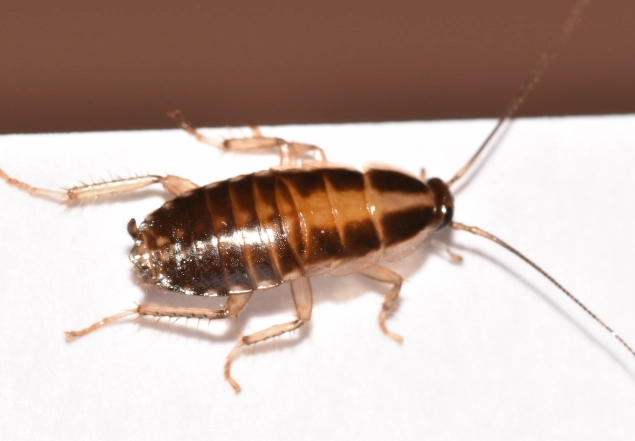
DIY vs. Professional Extermination: Making the Call
When should you wave the white flag and call a pro?
DIY is feasible if: You caught it early (seeing only a few at night), you live in a single-family home, and you're diligent about the integrated plan above.
Call a Professional Exterminator if:
- You see roaches regularly during the daytime.
- You live in an apartment or condo (the problem is almost never confined to one unit).
- DIY methods have failed after 4-6 weeks of consistent effort.
- The infestation is severe (dozens seen during inspection).
Pros have stronger IGRs, better application equipment, and the experience to find every harborage. A good pro will do a detailed inspection first and explain their Integrated Pest Management (IPM) plan, which should include baits, IGRs, and exclusion advice, not just a blanket spray.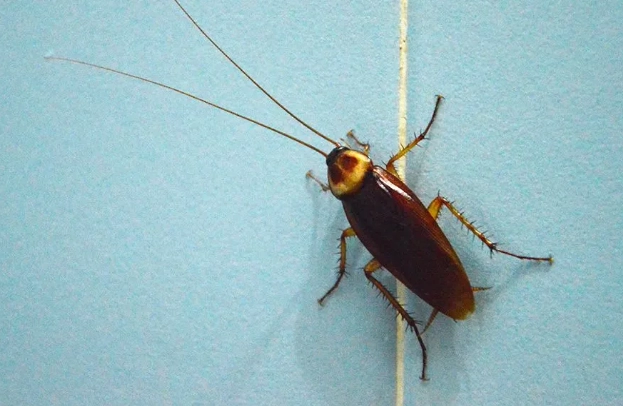
Your Top Questions Answered
The fight against German cockroaches is a war of attrition, not a single battle. It demands patience, consistency, and a strategy that goes beyond the spray can. Start with a ruthless inspection. Deploy baits and IGRs intelligently. Seal up their highways. And don't hesitate to call for professional backup if the enemy's forces are too entrenched. You can win your space back.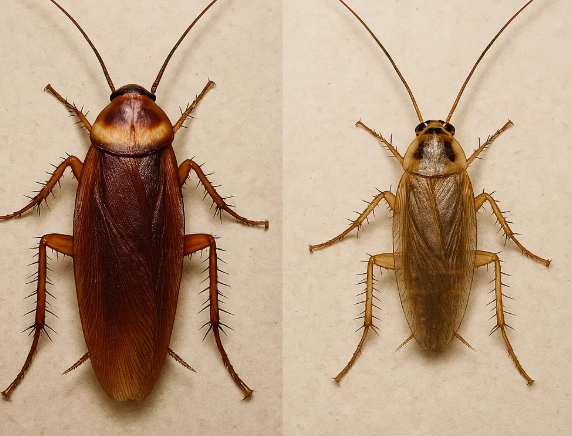
LEAVE A REPLY
Your email address will not be published. Required fields are marked *