What You'll Learn in This Guide
- What Are Wasps and How to Identify Them?
- The Surprising Role of Wasps in Our Ecosystem
- When Do Wasps Become a Problem? Understanding the Danger
- How to Identify a Wasp Nest (and Spot the Difference from a Bee's)
- How to Safely Remove a Wasp Nest (A Step-by-Step Guide)
- What to Do If You Get Stung by a Wasp: Immediate First Aid
- How to Prevent Wasps from Coming to Your Yard in the First Place
- The Biggest Mistake People Make with Wasp Repellents (And What Actually Works)
Let's be honest, the sight of wasps sends most of us running for cover. I get it. That sharp buzz near your ear, the aggressive dive-bombing around your picnic, the painful sting that can ruin an entire afternoon – it's enough to make anyone want to declare war. But here's the thing I've learned after years of dealing with them, both professionally and in my own backyard: a lot of that fear comes from not knowing them.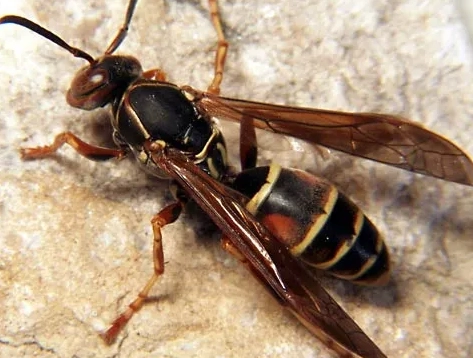
Wasps aren't just mindless pests. In fact, most of the ones you encounter are beneficial. They're nature's pest control, taking out caterpillars, flies, and other insects that damage our gardens and crops. The problem starts when they decide to build their home a little too close to ours.
What Are Wasps and How to Identify Them?
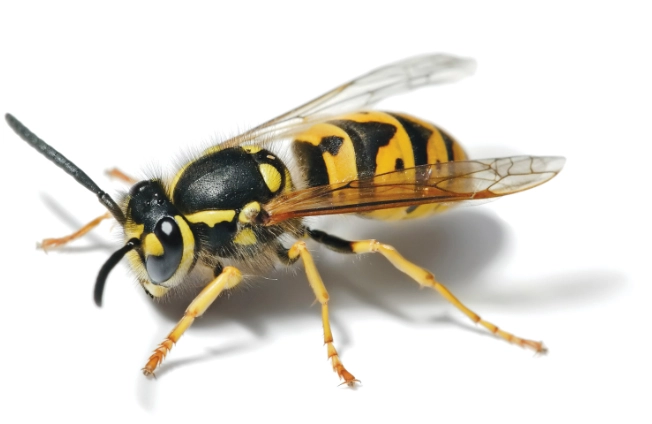
Wasps are a broad category of insects, but when people say "wasps," they're usually talking about the social ones that give us the most trouble: yellow jackets, paper wasps, and hornets. These are the ones that form colonies, defend their nests, and are most likely to sting in defense.
Key Features to Look For
- Smooth, Shiny Bodies – Unlike bees, which are hairy, wasps have a sleek, almost metallic appearance.
- Narrow 'Waist' (Petiole) – This is the most famous feature, that pinched connection between their thorax and abdomen.
- Bright, Contrasting Colors – Think black and yellow stripes (yellow jackets), black and white (some paper wasps), or even reddish-brown (some hornets).
- Long, Slender Wings – They often fold them lengthwise along their body when at rest.
Paper wasps, for example, build those iconic open-comb nests that look like upside-down umbrellas under eaves or in shrubs. Yellow jackets, the ones that ruin barbecues, often build their nests underground or in cavities.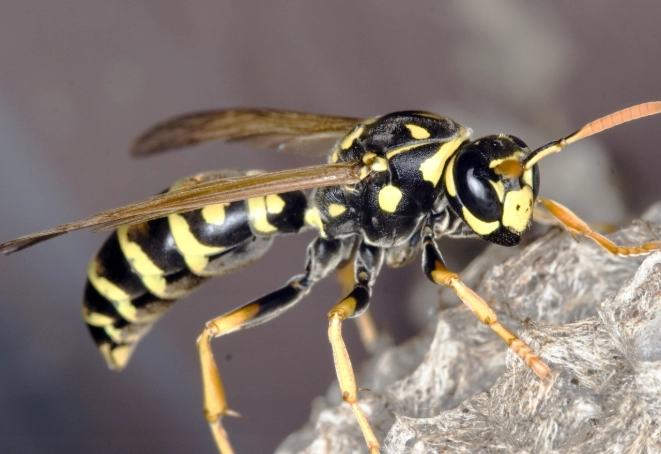
The Surprising Role of Wasps in Our Ecosystem
Before you reach for the spray can, consider this: wasps are incredibly important. I know, it's hard to believe when one is buzzing around your head. But they play a crucial role in keeping other insect populations in check. A single colony can remove thousands of pests from your garden.
Think of them as the free pest control service you never asked for, but get anyway.
When Do Wasps Become a Problem? Understanding the Danger
The danger isn't just about the sting. It's about the location and context. A nest under the eaves of your house is a problem. A nest in a rarely used shed might not be. The real question is: what's the risk?
My Personal Rule of Thumb: If the nest is within 10 feet of a doorway, window, or play area, it needs to go. No question. The risk of someone getting stung, especially a child or someone with allergies, is too high.
I learned this the hard way years ago. I had a nest in a low-hanging branch I thought was "far enough" from the path. It wasn't. A friend got stung multiple times just walking by. That's when I realized distance is relative to wasp activity, not just physical space.
How to Identify a Wasp Nest (and Spot the Difference from a Bee's)
This is where most people go wrong. They see a flying insect and assume it's a wasp. But bees and wasps have very different nesting habits, which is the key to identification.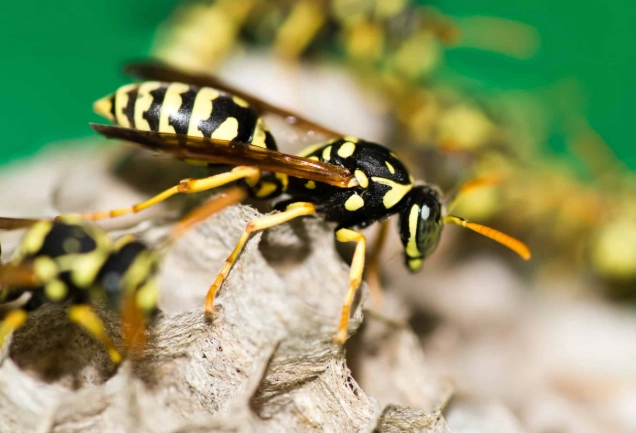
Paper Wasp Nests
Look for those open, honeycomb-like structures, often grayish or brownish, made from chewed wood pulp. They love protected areas like under eaves, inside attics, or on the underside of branches.
Yellow Jacket Nests
Yellow jackets are more likely to build in the ground, often using abandoned rodent burrows. But they also love wall voids, attics, and other enclosed spaces. If you see a lot of activity going into a small hole in the ground or a structure, that's a major clue.
Hornet Nests
Hornets build those large, football-shaped nests that can be suspended from trees or the eaves of buildings. They're usually grayish and have a single entrance at the bottom.
Here's a trick I picked up from an old exterminator: Watch the flight path in the early morning. Wasps are less active when it's cooler, and you can often trace a steady stream of them back to the nest, which is much harder to do in the heat of the day when they're zipping everywhere.
How to Safely Remove a Wasp Nest (A Step-by-Step Guide)
This is the part everyone wants to skip to, but rushing it is the number one cause of stings. I'm not saying you can't do it yourself. You absolutely can, for small and accessible nests. But you have to be smart, methodical, and prepared.
Step 1: Gear Up Like You're Going to War
This isn't a joke. You need full coverage.
- Long sleeves and pants, tucked into socks and gloves.
- A bee suit or at the very least a thick jacket with a hood that can be tied tightly around your face.
- Goggles or safety glasses – a sting on the eyelid is a nightmare.
Step 2: Choose Your Weapon (The Right Pesticide)
Not all sprays are created equal. You want one with a long-range jet stream, ideally 10-15 feet, so you can stand well back. Aerosol sprays are fine for small nests, but for anything larger than a golf ball, consider a wasp and hornet spray that comes in a can with a wand for precise application.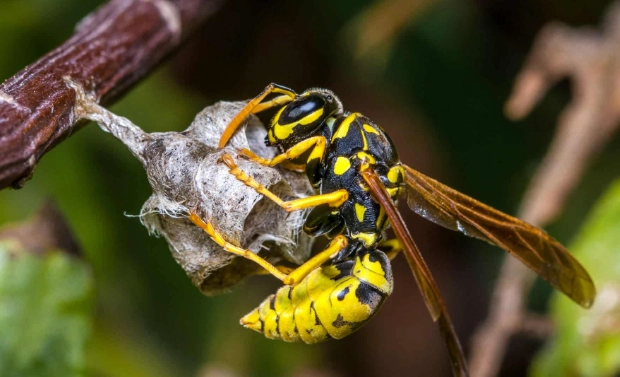
Step 3: The Attack (Night is Best)
Wasps are much less active at night. Plan your assault for after dusk or before dawn. Approach the nest slowly and calmly. Do not swat at any wasps flying around you – sudden movements trigger their defense.
Step 4: Spray and Escape
Douse the entrance of the nest thoroughly according to the product's instructions. Then, and this is crucial, walk away immediately and calmly. Do not run. Just move to your pre-planned escape route. The pesticide needs time to work, and some wasps will inevitably be out and about. You'll be gone before they even know what hit the nest.
Step 5: Wait and Observe (For 24 Hours)
Do not go back to check the nest for at least 24 hours. Give the pesticide ample time to eliminate the colony. Returning too soon is a recipe for disaster.
How to Prevent Wasps from Coming to Your Yard in the First Place
Prevention is always better than cure. Here are the things that actually work, based on my experience and what many guides get wrong.
The Biggest Mistake: Using generic "insect repellents" that contain scents like citronella or peppermint. Wasps aren't repelled by these. They're attracted to protein and sugar. So, if you're having a barbecue, the smell of your food is what's bringing them in, not the lack of a particular plant.
The only truly effective repellents are commercial wasp traps that use a pheromone or sweet bait to attract and drown them. Homemade sugar water traps can work too, but they need to be placed away from human activity.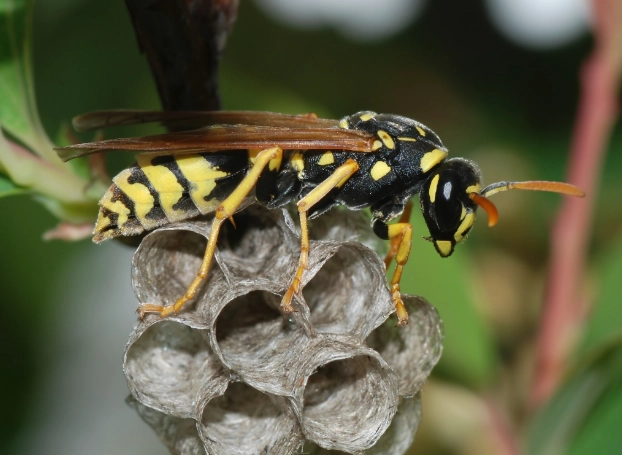
For keeping them away from a specific area, like a patio, a fan is surprisingly effective. Wasps are not strong fliers, and a strong breeze makes it difficult for them to land and investigate.
The Biggest Mistake People Make with Wasp Repellents (And What Actually Works)
Let's talk about repellents. There's a lot of misinformation out there.
I've tried countless products over the years, from ultrasonic devices (useless) to natural sprays. Here's the truth: No repellent will eliminate an existing nest. They might deter individual scouts, but a colony that's found a good food source near your home will not be deterred by a scent.
The only way to deal with a nest is to remove it, as described above. For preventing them from building in the same spot next year, a residual insecticide spray applied in early spring to potential nesting sites (under eaves, in sheds, around attics) can be effective. But the best prevention is denial.
Seal up cracks and holes in your home's exterior. Keep your garbage cans sealed tight. Clean up food and drink spills immediately. And in early spring, keep an eye out for the first few scouts. If you see a single wasp checking out a spot under your eaves, you can often spray it and deter a nest from even being built if you catch it early enough.
What to Do If You Get Stung by a Wasp: Immediate First Aid
Most wasp stings are painful but not dangerous. However, for those with allergies, a sting can be life-threatening. Here's what to do for a normal reaction:
- Get to a safe area away from the nest to avoid more stings.
- Remove the stinger quickly by scraping it off with a fingernail or credit card – do not pinch it, which can squeeze more venom in.
- Wash the area with soap and water to clean it.
- Apply a cold pack to reduce swelling and pain.
- Monitor for signs of an allergic reaction: difficulty breathing, swelling of the face/throat, dizziness, or hives. If any of these occur, call emergency services immediately.
For most people, the sting is manageable with home care.
My Personal Advice: If you're even slightly unsure about the nest, the species, or your own tolerance for stings, call a professional. The cost is far less than the risk of a severe reaction.
Frequently Asked Questions About Wasps
LEAVE A REPLY
Your email address will not be published. Required fields are marked *