I remember the first time it happened. I went to water my container of basil on the patio and a dozen dark, scuttling insects poured out from under the pot. My skin crawled. Earwigs. Later that week, I found a few in the bathroom sink. A common story, right? But here's where it gets interesting—and where most advice online falls short. I started looking closer. Some were dark brown, almost black. Others were lighter, with distinctive yellow markings. I was dealing with not one, but two different types of earwigs, and the generic "spray this" advice was useless. That's the "earwig earwig" problem: we use one word, but we're often facing two distinct insects with different habits. Getting control starts with knowing which one you're up against.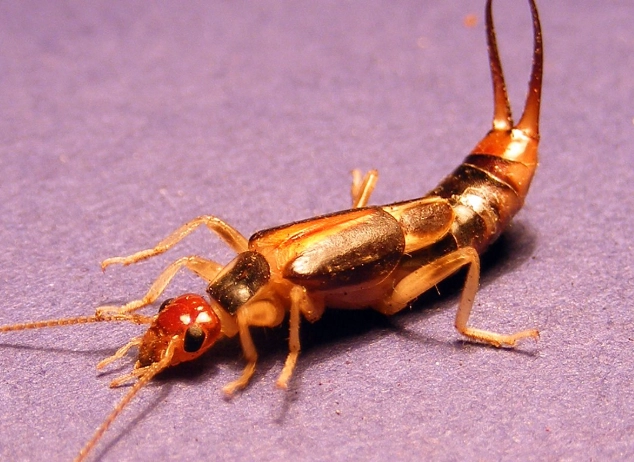
In this article
- The Two Main Culprits in Your Garden
- How to Spot the Difference: A Practical Guide
- A 4-Step Plan for Effective Earwig Control
- Common Mistakes That Keep Earwigs Coming Back
- Your Earwig Questions, Answered
The Two Main Culprits in Your Garden
Let's clear this up first. When people say "earwig," they're usually talking about one of two species. Mixing them up is like trying to fix a leaky faucet with instructions for a blocked drain—you'll waste time and get frustrated.
The Common Earwig (Forficula auricularia): This is the classic one. It's been in North America for over a century. It's adaptable, but it's also somewhat predictable. It likes cool, moist places. You'll find big populations in coastal areas or regions with consistent rainfall. In my experience in the Pacific Northwest, this is the guy in 80% of the complaints.
The European Earwig (Forficula auricularia... wait, what?): Okay, this is the twist that causes the "earwig earwig" confusion. Taxonomically, it's often the same species as the common earwig. But through introduction and adaptation, a specific strain or population—often just called the European earwig—has become a more aggressive urban and agricultural pest. Research from institutions like the University of California Statewide IPM Program highlights its significant damage to stone fruits, berries, and corn. It's more tolerant of drier conditions and reproduces in massive numbers. This is the one that can deflate a homeowner.
The key takeaway? The "European" label often refers to the problematic, high-population variant of the common earwig. For practical pest control, treating them as separate challenges is helpful: one is a occasional damp-loving nuisance, the other is a dry-adapted invading army.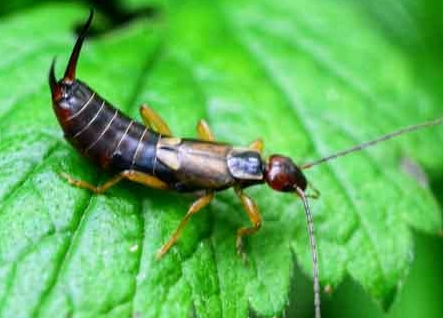
How to Spot the Difference: A Practical Guide
You don't need a microscope. A quick glance at size, color, and behavior tells you most of what you need to know.
| Feature | Common / Less Aggressive Type | European / Prolific Pest Type |
|---|---|---|
| Typical Color | Dark mahogany brown to almost black. Looks uniform. | Lighter reddish-brown, often with a paler, yellowish-brown head and leg segments. The contrast is noticeable. |
| Size | Generally smaller, adults around 13-16 mm (0.5-0.6 in). | Can be slightly larger on average, often 14-19 mm (0.55-0.75 in). |
| Forceps (Pincers) | Curved, more slender. Males have more pronounced curves. | Robust, straighter, and heavily sclerotized (look thicker and darker). Male forceps are widely spaced. |
| Behavior & Damage | Prefers decaying plant matter. Garden damage is often incidental—nibbled petals, seedlings. Scavenger mentality. | Direct, aggressive feeder. Chews irregular holes in leaves, flowers (dahlias, zinnias), and soft fruits. Can skeletonize seedlings. |
| Population Density | Smaller family groups. You see them, but not in swarms. | Extremely high densities. Disturb one hiding spot and dozens pour out. |
The forceps are the real giveaway. Look at them. The European type's pincers look like they mean business—thicker, darker, like a pair of small bolt cutters. The common earwig's are more like tweezers.
Where to Look for Evidence
Don't just look at the bugs on your plants. Check their daytime hideouts at dawn. Lift up flat stones, pavers, the edges of thick mulch beds, and compost pile lids. Check inside hollow fence posts or under stacked pots.
The composition of the colony you find is a clue. If you see a cluster of adults guarding a bunch of tiny, white nymphs, you've found an active nest. The European type is notorious for fierce maternal care and high nymph survival rates, leading to those explosive populations.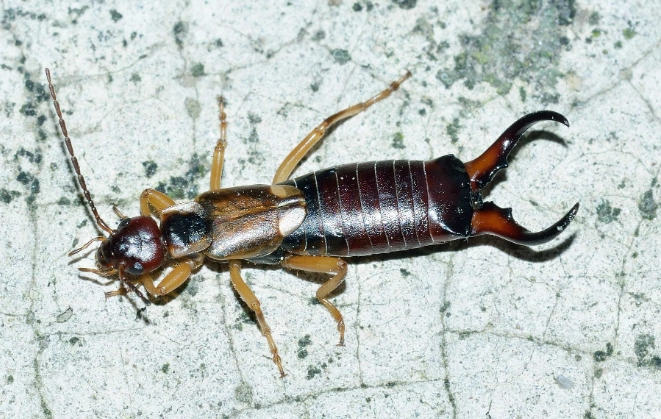
A 4-Step Plan for Effective Earwig Control
This isn't about a magic spray. It's about a system. I've used this for clients with severe infestations, and it works because it breaks their life cycle.
Step 1: Find and Disrupt Harborage (The Most Important Step) This is the non-negotiable foundation. Every earwig you see at night lives somewhere during the day. Your mission is to make those places inhospitable. Go around your home's foundation and remove any mulch, leaves, or debris touching the siding. Create a dry, clean, 6-12 inch barrier. Turn over and break up thick mulch in garden beds, especially near prized plants. Replace wooden garden borders with stone or metal if possible—wood holds moisture.
Step 2: Deploy Strategic Traps Traps are for monitoring and mass capture, not a standalone solution. The classic beer trap works, but only if done right. Use shallow containers (tuna cans, yogurt cups) and sink them into the soil so the rim is flush. Place them along foundation walls, under dense plants, and near known hideouts. Fill with 1/2 inch of cheap beer or a yeast-sugar-water mix. Check and refresh every morning. A stinky, full trap attracts nothing.
Rolled newspaper or corrugated cardboard traps are brilliant. Roll up newspaper, dampen it slightly, and secure with rubber bands. Place them in the garden in the evening. In the morning, carefully pick them up and dunk the whole thing into a bucket of soapy water. Earwigs love the tight, damp spaces.
Step 3: Apply Targeted, Perimeter Insecticides (If Needed) If steps 1 and 2 aren't enough for a severe European earwig infestation, a targeted insecticide can knock numbers down. The key word is targeted. Do not spray your entire garden. Use a dust or granular insecticide labeled for earwigs (products with bifenthrin or deltamethrin are common) and apply it lightly to the dry, cleared zone you created in Step 1 around your home's foundation. Also dust it into cracks in patios, under siding, and other permanent harborage spots you can't remove. This creates a lethal barrier they cross at night.
Step 4: Seal Indoor Entry Points Earwigs inside are scouts that wandered in. Check door sweeps, windows, and especially gaps where utility pipes enter your home. Use silicone caulk or copper mesh to seal these. Fix leaky exterior faucets and ensure downspouts direct water away from the foundation. A dry perimeter is a huge deterrent.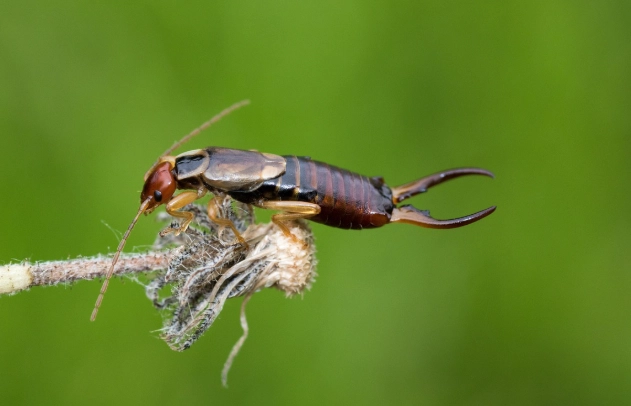
Common Mistakes That Keep Earwigs Coming Back
I see these all the time.
Overwatering and Over-mulching: You're building them a five-star hotel. Damp soil under a 4-inch layer of mulch is earwig paradise. Water deeply but less frequently, and keep mulch to 2 inches max, pulling it back from plant stems.
Treating Only the Adults You See: Killing the foragers doesn't touch the nest with hundreds of developing nymphs. You have to attack the harborage.
Using Broad-Spectrum Sprays on Plants: This kills the predators (spiders, centipedes, birds) that naturally help control earwig numbers. It's counterproductive and can lead to worse outbreaks.
Giving Up Too Early: Earwig control isn't a one-week project. It's a seasonal management practice. Be consistent with habitat modification from spring through fall.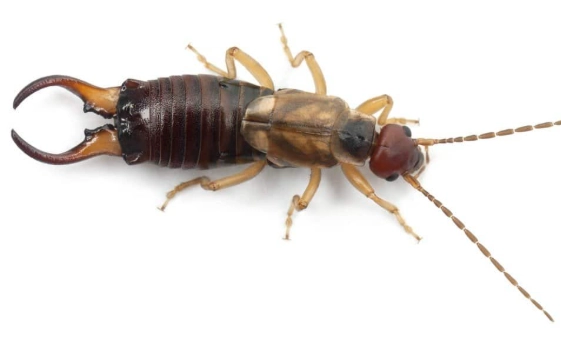
Your Earwig Questions, Answered
Understanding the "earwig earwig" distinction—between a casual nuisance and a prolific pest—changes everything. It moves you from reactive squishing to proactive management. Start with identification. Follow the four steps, and be relentless about modifying their habitat. It's less about declaring war and more about revoking their lease on your property.
LEAVE A REPLY
Your email address will not be published. Required fields are marked *