Let's talk about termites. Most people think of them as just one thing: the tiny white bugs that eat your house. But if you're trying to protect your biggest investment, that vague idea isn't going to cut it. Knowing the specific types of termites you're up against changes everything—how you spot them, how much damage they can really do, and most importantly, how you stop them. I've been in pest management for over a decade, and the number one mistake I see is homeowners (and even some inexperienced inspectors) misidentifying the pest. Treating for the wrong type is like using a band-aid on a broken bone.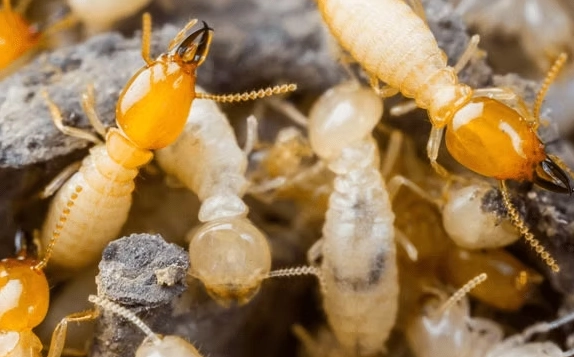
This isn't just academic. The repair bills tell the story. The National Pest Management Association estimates termites cause over $5 billion in property damage annually in the U.S. alone. A lot of that damage is preventable with early, correct identification.
Your Quick Guide to Navigating This Article
The "Big Three" Termite Species You Need to Know
Forget the scientific minutiae for a second. In practical terms, for most homeowners in North America, there are three main players. Getting these straight is 80% of the battle.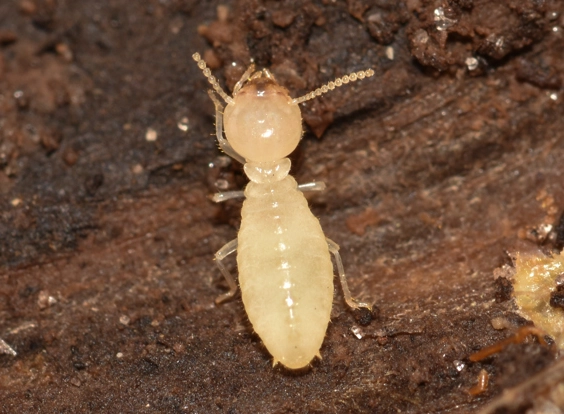
1. Subterranean Termites: The Silent Majority
If you have a termite problem, odds are it's these guys. They're responsible for the vast majority of structural damage. They live in massive colonies underground—sometimes hundreds of thousands strong—and build those iconic mud tubes to travel between their nest and your wood. They need constant contact with soil moisture to survive.
What most articles don't tell you is that a single property can have multiple colonies competing. I once inspected a home with three separate subterranean colonies attacking from different sides. The homeowner thought it was one big problem, but it required three separate treatment zones.
2. Drywood Termites: The Compact Invaders
These are the lone wolves. They don't need soil contact. A single pair of swarmers can fly into your attic, crawlspace, or even a piece of furniture, burrow directly into the wood, and start a new colony right there. Their colonies are much smaller (a few thousand at most), but they can be scattered all over a structure.
Their calling card is frass—hard, pellet-like droppings they kick out of their galleries. It looks like coarse sand or sawdust. A pile of frass on a windowsill or coming from a tiny hole in a beam is a dead giveaway.
3. Dampwood Termites: The Moisture Lovers
These are less common in homes but can be a nightmare in coastal or very humid areas. They attack wood with high moisture content—think rotting fence posts, leaky roof eaves, or wood in constant contact with damp soil. They're usually a symptom of a bigger moisture problem. Fix the leak, and you often solve (or prevent) the termite issue.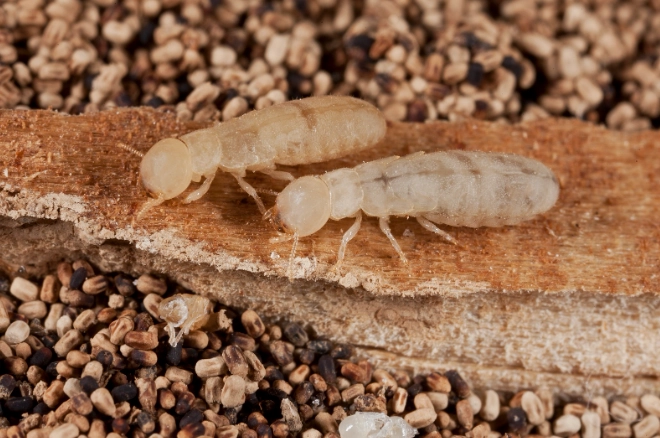
| Type | Nest Location | Key Identifying Sign | Moisture Need | Typical Colony Size |
|---|---|---|---|---|
| Subterranean | Underground in soil | Mud tubes on foundation, swarmers with equal wings | High (needs soil contact) | Up to 1+ million |
| Drywood | Inside the wood they eat | Piles of granular frass, swarmers with veined wings | Low (gets it from wood) | 1,000 - 5,000 |
| Dampwood | Inside damp/rotting wood | Found in very wet wood, larger soldiers, no mud tubes | Very High | Up to 10,000 |
How to Spot Them: Signs Beyond the Swarmers
Everyone knows about flying termites (swarmers). But by the time you see a swarm indoors, you've already got an established colony. You need to look for the quieter signs.
For Subterranean Termites: The mud tube is king. They're about the width of a pencil, made of soil, saliva, and feces. Check your foundation, crawl space piers, and where utilities enter the house. But here's the expert tip: a dried-out, old mud tube doesn't mean the termites are gone. They may have just abandoned that highway. Break a section open. If you see small, creamy-white worker termites moving inside within a few minutes, it's active. If it's empty and crumbly, it's old. Still, old tubes mean your house was a target.
For Drywood Termites: Frass is your clue. The pellets are six-sided. Tap on wood that sounds hollow. Sometimes you'll hear a faint rustling—that's them moving inside. Look for tiny, dark "kick-out" holes on wood surfaces. On a sunny day, shine a flashlight across wood beams. The galleries near the surface can appear as dark patches or blisters.
I remember a customer who kept vacuuming up "sawdust" from her hardwood floor for months, thinking it was from an old renovation. It was drywood termite frass. The repair bill to replace sections of her floor joists was substantial.
The Damage They Cause: From Cosmetic to Critical
The type of termite dictates the pattern and speed of damage.
Subterranean termites are systematic. They eat with the grain of the wood, often leaving a thin veneer of wood or paint on the surface. You can knock on a beam that sounds solid, but a screwdriver can punch right through. They go for structural wood first—joists, studs, sill plates. Their damage is often hidden behind walls, making it expensive to uncover and repair. A report from the University of Kentucky's Entomology department notes that subterranean termites can compromise critical structural members within 3-6 months under ideal conditions.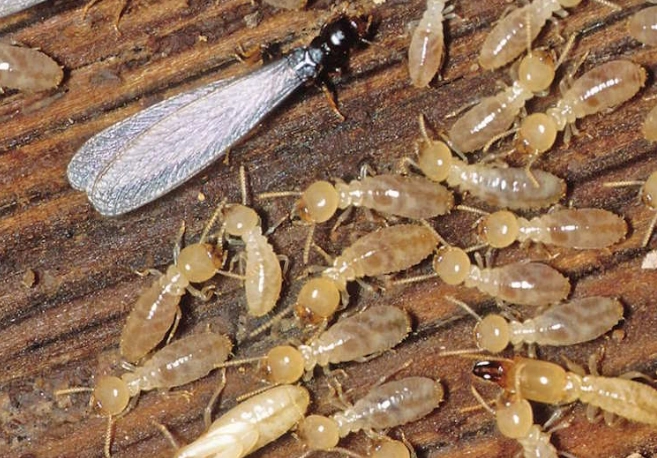
Drywood termites create clean, smooth galleries that cut across the wood grain. They can hollow out furniture, window frames, and siding. While their colonies are smaller, multiple colonies can infest a single home. The damage is more localized but can be widespread. Replacing a decorative wood beam or an antique wardrobe can be costly, even if it's not a load-bearing issue.
How to Stop Them: Treatment Strategies That Actually Work
Treatment isn't one-size-fits-all. The strategy depends entirely on which types of termites you have.
For Subterranean Termites:
The gold standard is a liquid soil-applied termiticide barrier. A trench is dug around the foundation, the termiticide is applied, and it creates a continuous zone that termites cannot cross without being killed. It's a physical and chemical barrier. The newer non-repellent termiticides are particularly effective because termites can't detect them, so they tunnel through, get contaminated, and spread the insecticide through the colony via grooming.
Bait systems are another option. Stations are placed in the ground around the home. When termites find them, they feed on the bait (a slow-acting insecticide) and share it with the colony. This can take months to work but is less invasive. For severe infestations, a combination of both is often best.
For Drywood Termites:
Options include:
Localized or Spot Treatments: Injecting insecticide directly into infested galleries. This works for small, accessible infestations.
Whole-Structure Fumigation: Tenting the house and filling it with a gas (like sulfuryl fluoride) that penetrates every crack to kill all colonies. It's the most thorough solution for widespread or hard-to-find infestations but is costly and requires you to vacate the home for several days.
Heat Treatment: Using giant heaters to raise the home's core temperature to a level lethal to termites. It's chemical-free but requires precise equipment to ensure even heat penetration.
Common Mistakes Even Smart Homeowners Make
After hundreds of inspections, these are the patterns I see.
Mistake 1: Confusing Ant Swarmers with Termite Swarmers. This is huge. Ant swarmers also fly. The quickest way to tell: termites have a thick waist and two pairs of equal-length wings. Ants have a pinched waist and two pairs of wings where the front pair is longer than the back pair. Save a couple of specimens in a baggie for your inspector.
Mistake 2: Assuming No Swarmers Means No Problem. Colonies can be active for years before they produce a swarm. You might only ever see the workers and soldiers, which almost never leave the wood or mud tubes.
Mistake 3: Focusing only on the house. Subterranean termites often start in tree stumps, old fence posts, or landscape timbers right next to the house and then bridge over. Remove wood-to-soil contact around your foundation. Keep mulch at least 6 inches away from siding.
Mistake 4: Not getting a second opinion on treatment quotes. The range for treating a standard home can vary wildly. One quote for fumigation might be $2,500, another $5,000. Ask what the price includes, what the warranty covers, and how long the company has been in business. Check reviews.
Your Top Termite Questions Answered
Here are the questions I get asked all the time, with answers that go beyond the basic brochure.
The bottom line? Don't panic if you find evidence of termites, but don't ignore it either. Correctly identifying the type of termite is the first, most critical step towards a solution that actually works and protects your home for the long haul. If you're unsure, invest in an inspection from a licensed, reputable pest control professional. It's cheaper than guessing wrong.
LEAVE A REPLY
Your email address will not be published. Required fields are marked *