You're enjoying a sunny autumn afternoon when you notice them—clusters of striking red and black bugs basking on your siding or gathered near a window frame. They're bold, they're numerous, and they seem intent on moving in. Before panic sets in, know this: you're likely dealing with one of two common, and mostly harmless, seasonal visitors. This guide will walk you through exactly what they are, why they've chosen your home, and the smartest ways to send them packing for good.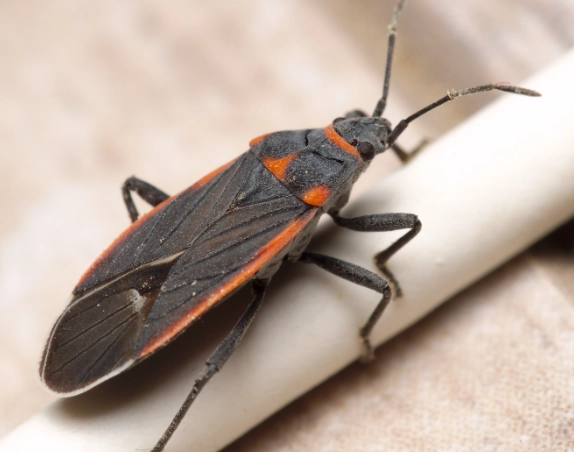
What's Inside This Guide
What Are Those Red and Black Bugs? A Spotter's Guide
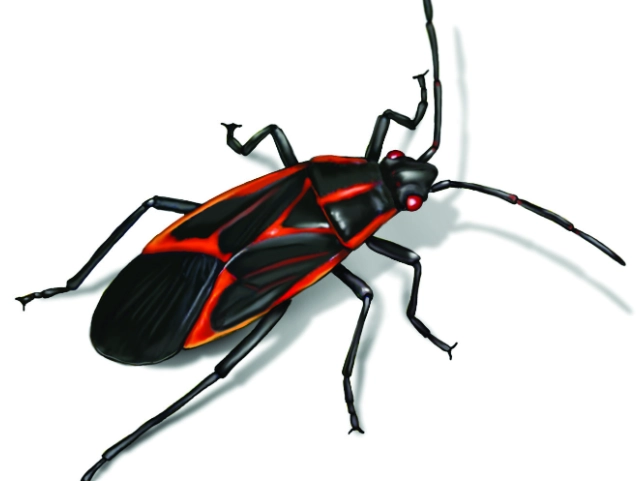
Let's cut to the chase. In most of North America, those red and black bugs are either Boxelder Bugs or Large Milkweed Bugs. Telling them apart is your first step to smart control, because their habits and favorite hangouts differ.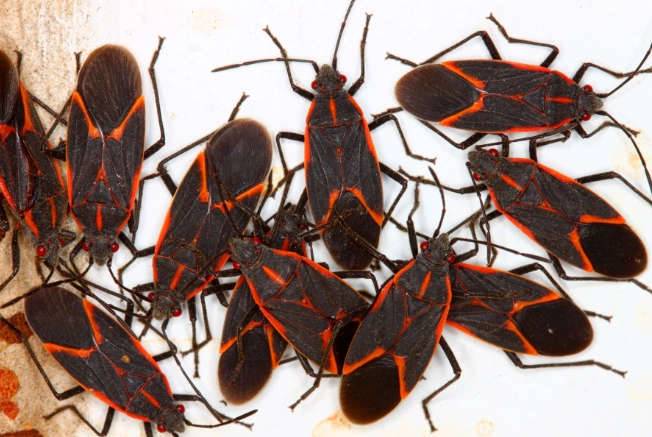
I've spent too many falls dealing with both. Here’s the quick breakdown I use:
| Feature | Boxelder Bug (Boisea trivittata) | Large Milkweed Bug (Oncopeltus fasciatus) |
|---|---|---|
| Primary Colors | Dark grayish-black with three distinct red lines on the thorax and red wing veins. | Bright orange-red and black, with a bold black band across the middle. |
| Size & Shape | About 1/2 inch long, elongated, flat-bodied. | Slightly smaller, around 3/4 inch, more oval-shaped. |
| Key Habitat Clue | Always found near female Boxelder trees, maple trees, or ash trees. They feed on the seeds. | Exclusively on or near milkweed plants. They feed on milkweed seeds and sap. |
| Seasonal Behavior | Notorious for mass gatherings on sunny walls in fall, seeking shelter indoors for winter. | Less likely to invade homes in huge numbers, but may congregate on milkweed pods in fall. |
| Geographic Range | Widespread across North America, east of the Rockies. Common in the Midwest and Northeast. | Found throughout the U.S. and southern Canada, wherever milkweed grows. |
Look at the pattern. Boxelder bugs have a more "lined" look, while milkweed bugs look like they're wearing a wide black belt. The host plant is the biggest giveaway. No boxelder or maple tree nearby? You probably don't have boxelder bugs.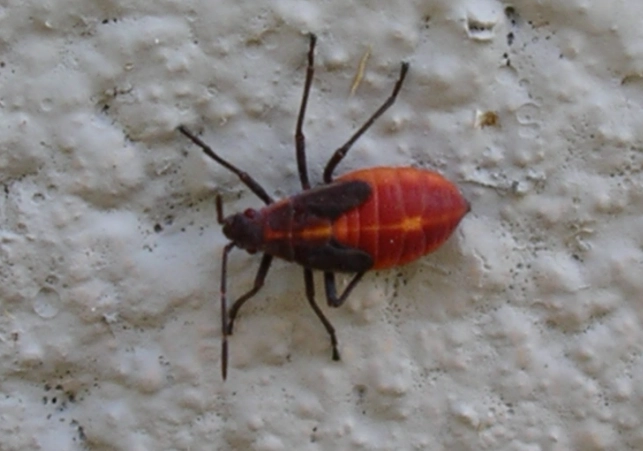
Why Are They on My House?
It's not a personal attack. In late summer and fall, these bugs finish their feeding cycle and start looking for a protected spot to wait out the winter. Your warm, south-facing wall is like a sunny resort to them. They gather there, absorbing heat, before trying to find tiny cracks to squeeze through. It's purely instinctual shelter-seeking behavior.
Are Red and Black Bugs Dangerous to My Home or Health?
This is where a lot of misinformation floats around. Let's be precise.
To Your Health: Neither bug bites, stings, or transmits diseases to humans. They are not like mosquitoes or ticks. The primary health concern is a minor one: if you crush them, their bodily fluids can leave a reddish stain (thanks to the milkweed sap or their pigments) that can be hard to remove from fabrics or light-colored surfaces. Some people with sensitive skin might experience mild irritation from handling them, but it's rare.
To Your Home: They won't chew your wires like rodents or eat your wood like termites. The damage is cosmetic and related to their sheer numbers. Large clusters can stain curtains, walls, or siding with their excrement. The real "danger" is the nuisance factor—the anxiety of seeing dozens of bugs indoors and the time spent dealing with them.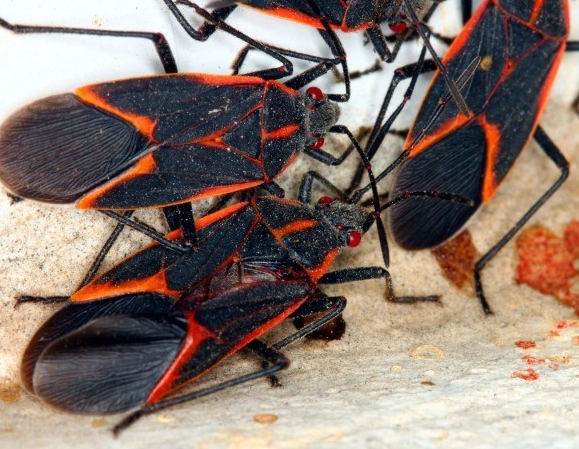
How to Get Rid of Red and Black Bugs Safely and Effectively
Effective control is a two-phase operation: Prevention (keeping them out) and Removal (dealing with the ones that get in). Timing is everything. Start in late summer, before you see the big gatherings.
Phase 1: Fortify Your Home (Prevention)
This is 90% of the battle. Think like a bug. Your goal is to eliminate every possible entry point.
- Seal the Obvious: Use high-quality silicone or acrylic latex caulk to seal cracks around window frames, door frames, siding, utility pipes, and foundation vents. Pay special attention to the south and west sides of your house.
- Check Screens: Ensure all window and door screens are tight-fitting and free of tears. Repair or replace any that are damaged.
- Door Sweeps: Install tight-fitting door sweeps on all exterior doors.
- Manage the Landscape: If you have a female boxelder tree right next to your house, consider its long-term placement. Raking and disposing of fallen seeds from boxelders, maples, or milkweed in the fall can remove a food source. Trim back branches and vegetation that touch your house.
Phase 2: Smart Removal and Treatment
For bugs already on the exterior or that have made it inside.
For Outdoor Clusters: A soapy water spray is your best friend. Mix 1-2 tablespoons of dish soap (like Dawn) in a spray bottle filled with water. Spray it directly on the clusters. The soap breaks down their exoskeletons, killing them quickly without harsh chemicals. It's cheap, effective, and safe for plants when used sparingly.
For a Persistent Exterior Problem: If you have a yearly invasion, a professional or DIY application of a residual insecticide can be a useful barrier. Products containing bifenthrin or lambda-cyhalothrin are often recommended. Critical step: Apply this as a perimeter treatment to the foundation, window frames, and door frames in late summer/early fall, after you've done all the sealing work. The goal is to create a zone they cross and die on before reaching your walls. Always, always follow the label instructions to the letter.
For Indoor Invaders: Do not spray insecticides indoors. It's overkill and contaminates your living space. Use a vacuum cleaner. This is the most efficient method. Use the hose attachment to suck them up. Immediately take the vacuum bag or canister outside and empty it to prevent odors. For small numbers, you can use a damp paper towel or the soapy water spray on a rag to wipe them up and flush them.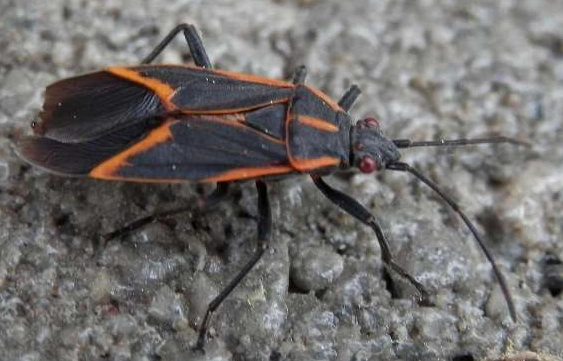
Your Red and Black Bug Questions Answered
Dealing with red and black bugs is more about strategy than strength. Start by identifying your visitor—the host plant nearby will tell you. Understand that their goal is simple shelter, not to ruin your day. Then, shift your energy from reactive spraying to proactive sealing in the late summer. A tube of caulk, a vacuum cleaner, and a bottle of soapy water are often all you need to win this seasonal battle. It's a fix that lasts.
LEAVE A REPLY
Your email address will not be published. Required fields are marked *