You hear a scratch in the wall at night. You find dark, capsule-shaped droppings behind the fridge. Maybe you even see a thick-bodied, blunt-nosed rodent scurrying along the foundation. That's a Norway rat. Forget the cute, cartoonish mice—this is a serious, destructive, and potentially dangerous pest. I've been in pest management for over a decade, and I can tell you that misidentifying or underestimating Rattus norvegicus is the first mistake most homeowners make. This guide isn't just a list of facts. It's a field manual based on hard lessons from hundreds of infestations, showing you exactly how to identify, outsmart, and exclude these resilient rodents for good.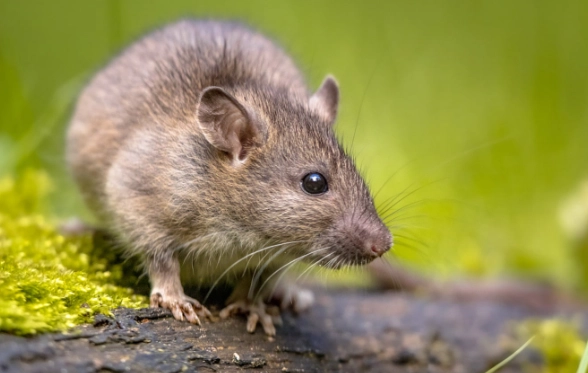
What's in This Guide?
How to Identify Norway Rats (Brown Rats)
Don't confuse them with roof rats or house mice. Getting this wrong means using the wrong traps and missing their entry points. Norway rats, also called brown rats, sewer rats, or wharf rats, have a specific build.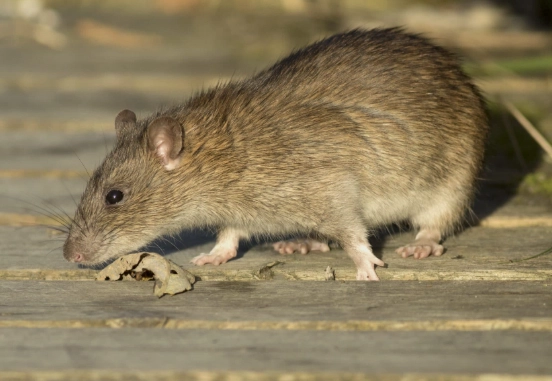
Think stocky and burly. An adult body is 7-10 inches long, plus a tail that's shorter than its body (another 6-8 inches). They're heavyset, weighing anywhere from 12 to 16 ounces. Their fur is coarse, usually brown or dark grey with scattered black hairs and a lighter underside.
Look at the head. It's blunt and broad, with small, furry ears that don't reach the eyes if folded forward. Compare that to a roof rat, which is sleek with a pointed nose and ears so large they cover its eyes. The tail is the dead giveaway—thick, scaly, and shorter than the body. A roof rat's tail is longer than its body and thin, almost like a whip.
7 Telltale Signs of a Norway Rat Infestation
You'll rarely see them first. They're nocturnal and cautious. You find evidence. Here’s what to search for, ranked from most common to the subtle clues professionals look for.
1. Droppings: The classic sign. Norway rat droppings are about ¾ inch long, blunt on both ends, and often found in concentrated piles. Fresh ones are dark and shiny; old ones become grey and crumbly.
2. Gnaw Marks: Their teeth grow constantly. You'll find chisel-shaped grooves on wood, plastic pipes, electrical wiring (a major fire hazard), and even soft concrete. New gnawing is light-colored; old marks darken.
3. Grease Marks (Rub Marks): This is a big one amateurs miss. As they travel the same path along walls, their dirty, oily fur leaves dark smudges. Look for these along baseboards, beams, and pipes.
4. Tracks and Runways: Outside, look for smooth, packed-down paths in grass or dirt, usually along walls or fences. In dusty areas like attics or basements, you might see footprints or tail drag marks.
5. Burrows: Norway rats are fantastic diggers. Their burrows are found in soil along foundations, under sidewalks, in overgrown vegetation, or in compost piles. The entrance is usually 2-4 inches wide, often with freshly dug dirt nearby.
6. Sounds: Scratching, scrambling, or squeaking in walls, ceilings, or under floors, especially at night. You might hear grinding noises—that's them gnawing.
7. Nests and Food Caches: They shred materials like insulation, cardboard, and fabric to make nests. You might also find stashes of dog food, nuts, or other pantry items hidden away.
I once inspected a home where the homeowner only heard occasional noises. They thought it was squirrels. We found a major burrow system under their garden shed, with a runway leading straight to a chewed hole near the basement drain pipe. The signs were all there outside, but they weren't looking.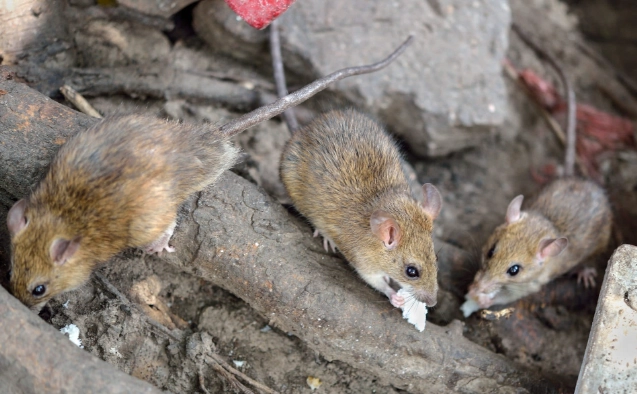
The Real Dangers and Problems They Cause
It's not just the "ick" factor. The Centers for Disease Control and Prevention lists over a dozen diseases directly linked to rats, including leptospirosis, rat-bite fever, and salmonellosis. Their parasites, like fleas and mites, can also become your problem.
But let's talk property damage. I've seen chewed electrical wires cause shorts and near-fires. I've seen PVC plumbing lines gnawed through, causing floods. Insulation is destroyed for nesting. Contamination is huge—a single rat can produce 50 droppings a day, contaminating food surfaces and storage areas with urine and feces.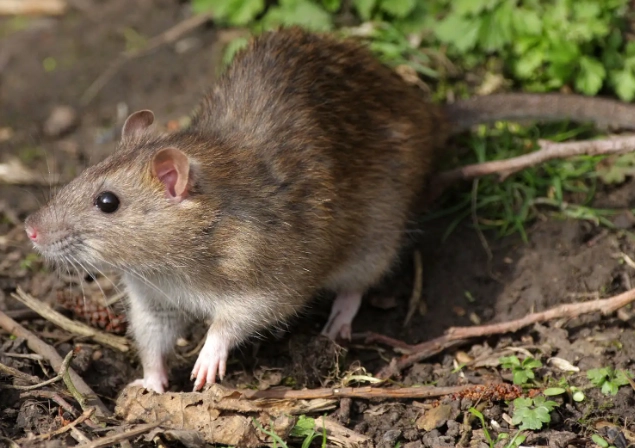
There's an economic cost, too. The Food and Agriculture Organization estimates global post-harvest crop losses to rodents in the millions of tons. For a homeowner, it's repair bills, lost food, and plummeting property value.
Effective Norway Rat Control Strategies
Throwing down a few snap traps rarely solves a Norway rat problem. They're neophobic—wary of new objects. You need a phased strategy. Here’s the order of operations I follow on every job.
Step 1: Inspection and Sanitation (The Most Important Step)
You have to find out why they're there. Where is the food? Where is the water? Where are they getting in? A detailed inspection with a flashlight is non-negotiable. Look for the signs listed above.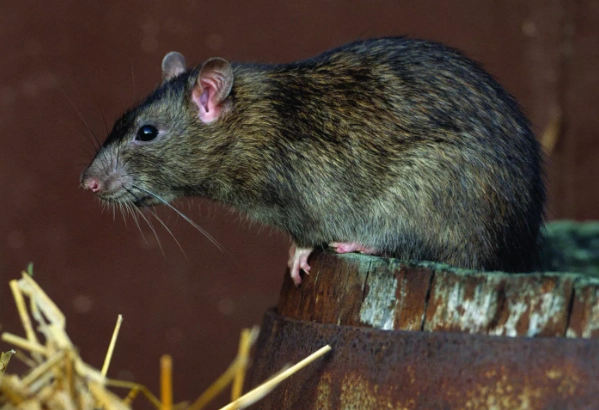
Sanitation means making your property less attractive. This isn't just about a clean kitchen.
- Store all human and pet food in sealed glass or metal containers. Yes, even bagged dog food.
- Use trash cans with tight-fitting lids.
- Pick up fallen fruit from trees.
- Fix leaky faucets and eliminate standing water.
- Clear clutter, especially against walls, in garages, and in basements.
Step 2: Exclusion (Sealing Them Out)
This is permanent control. Norway rats can squeeze through a hole the size of a quarter (about ½ inch). You have to seal every potential entry point with materials they can't gnaw through.
Materials that work:
Heavy-gauge hardware cloth (¼ inch mesh): For covering vents, gaps, and holes. Staple it securely.
Steel wool packed tightly into small gaps, then sealed with caulk or spray foam.
Metal flashing or sheet metal for larger holes or gnawed edges.
Concrete mix or mortar for repairing holes in foundations.
Pay special attention to where utilities enter the home, foundation cracks, gaps under doors, and roof vents.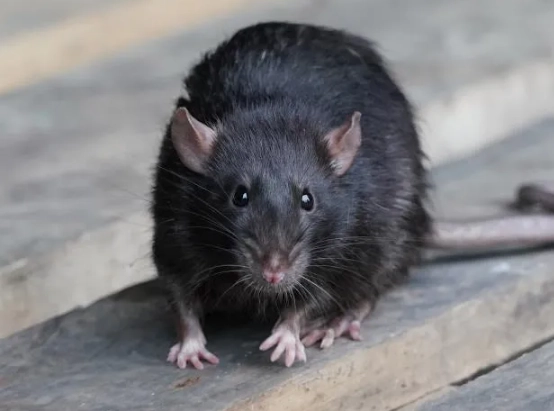
Step 3: Population Reduction (Trapping and Baiting)
Now you can address the rats inside. Always prioritize traps over poison baits indoors to avoid rats dying in inaccessible walls.
| Method | Best Use Case | Pro Tips & Drawbacks |
|---|---|---|
| Snap Traps | Indoors, for eliminating a known number of rats. The classic wooden ones are still highly effective. | Tip: Use more traps than you think. Bait with peanut butter, nut meat, or dried fruit. Place them unset for a few days along walls (their runway) so they get used to them, then set them. Drawback: Can only kill one rat at a time. |
| Electronic Traps | Indoors, for a cleaner kill. Good for areas where you don't want to see the rodent. | Tip: Check them frequently. They are powered by batteries, which can die. Drawback: More expensive, and some models can be triggered by pets. |
| Multi-Catch Live Traps | For those opposed to killing, or in sensitive areas. Can catch several rats. | Tip: You must check them multiple times a day and have a legal release plan (often far away, as releasing nearby is ineffective). Drawback: Very inefficient for large infestations. Stressful for the animal. |
| Rodenticide Baits (Poisons) | Outdoors only, in tamper-resistant bait stations to protect kids, pets, and wildlife. For large outdoor infestations. | Tip: Follow label instructions exactly. Place stations along burrows, fences, and walls. The Harvard University Environmental Health & Safety guidelines stress using professional-grade stations. Drawback: Risk of secondary poisoning to predators. Rats may die in hard-to-find places. |
Long-Term Prevention: Making Your Property Rat-Proof
Control is reactive. Prevention is proactive. After you've cleared an infestation, these steps stop the next one.
Landscaping: Trim tree branches back 4 feet from the roof. Keep shrubs and vegetation trimmed away from the foundation. Don't let ivy grow on your house—it's a perfect rodent ladder and hiding spot.
Waste Management: Keep compost bins sealed and far from the house. Use sturdy, lidded garbage cans. Don't leave pet food bowls outside overnight.
Structural Maintenance: Install door sweeps on exterior doors. Seal cracks in the foundation with hydraulic cement. Cover chimney tops and roof vents with proper caps. Repair damaged siding.
Ongoing Vigilance: Do a quarterly walk-around your property. Look for new burrows, gnaw marks, or gaps. It's easier to seal one new hole than to fight a new colony.
Your Norway Rat Questions Answered
Dealing with Norway rats is a battle of diligence, not just force. It requires understanding their behavior and systematically removing their reasons to be on your property. Start with the inspection. Be ruthless with sanitation. Seal every hole you find. Then, and only then, deploy your traps or baits strategically. It's a process, but it's the only one that leads to a permanent solution.
LEAVE A REPLY
Your email address will not be published. Required fields are marked *