Here's What We'll Cover
Bed bugs. Just the name makes your skin crawl, right? I've been in pest control for over a decade, and let me tell you—these tiny pests are tougher than most people think. But with the right approach, you can beat them. This guide cuts through the noise to give you practical, expert-backed steps for dealing with bed bugs, from spotting the first sign to ensuring they're gone for good.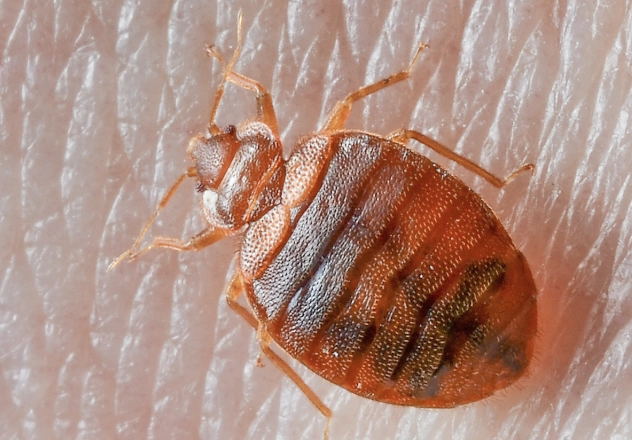
What Are Bed Bugs and Why Should You Care?
Bed bugs are small, reddish-brown insects that feed on human blood, usually at night. They're about the size of an apple seed, flat, and expert hiders. Contrary to myth, they don't indicate poor hygiene—they hitch rides on luggage, clothing, or used furniture. The real issue? Their bites can cause itchy welts, and infestations lead to sleepless nights and stress. I've seen families spend thousands on ineffective treatments because they underestimated the problem.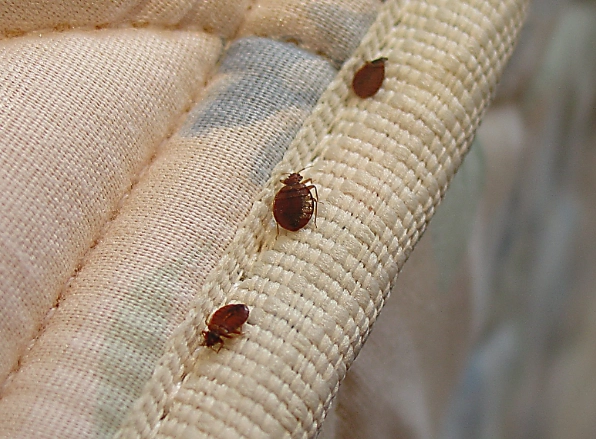
Key point: Bed bugs are resilient. They can survive for months without feeding, making half-measures useless. Early action is crucial.
How to Spot Bed Bugs: The Telltale Signs
Most people miss bed bugs until it's too late. Here's what to look for, based on my field inspections.
Visual Clues You Can't Ignore
Check these spots meticulously—bed bugs love tight spaces:
- Mattress seams and tags: Look for tiny black dots (fecal stains) or shed skins.
- Bed frames and headboards: Inspect cracks and joints; I've found colonies hidden behind screw holes.
- Baseboards and furniture: Use a flashlight to scan edges; live bugs may scatter when disturbed.
One client called me after months of itching; we found bugs tucked behind a loose wallpaper seam. They'd spread from a hotel stay.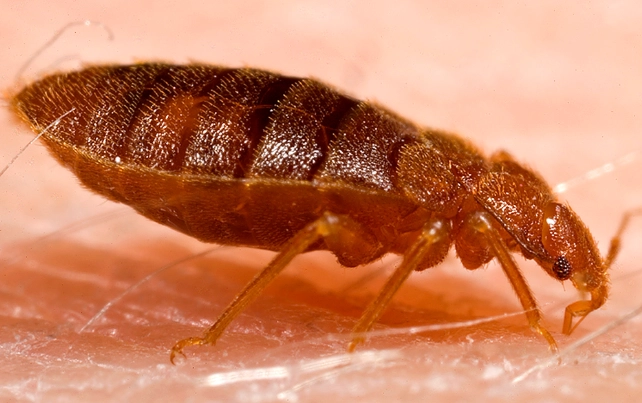
Bite Patterns and Other Hints
Bites often appear in lines or clusters on exposed skin like arms or neck. But bites alone aren't proof—some people don't react at all. Other signs include a sweet, musty odor (from pheromones) or small blood stains on sheets. If you wake up with unexplained bites, don't dismiss it. Document everything with photos for reference.
Preventing Bed Bugs Before They Invade
Prevention is cheaper than cure. Here's how to shield your home, especially if you travel frequently.
When traveling: I always tell clients to inspect hotel rooms immediately. Pull back sheets, check mattress edges, and look behind picture frames. Keep luggage on racks, not the floor. When you return home, wash clothes in hot water and dry on high heat—heat kills bugs and eggs effectively.
At home: Avoid bringing in secondhand furniture without a thorough check. Use mattress encasements designed for bed bugs; they trap existing bugs and prevent new ones from settling. Reduce clutter—bed bugs thrive in messy areas where they can hide. Simple habits like vacuuming regularly can make a difference.
I learned this the hard way early in my career: a client's infestation started from a used couch bought online. Now, I recommend steam-cleaning any secondhand items before they enter your living space.
Getting Rid of Bed Bugs: Treatment Options That Work
If you have an infestation, don't panic. But don't waste time on gimmicks either. Here's a breakdown of effective methods, based on cost and severity.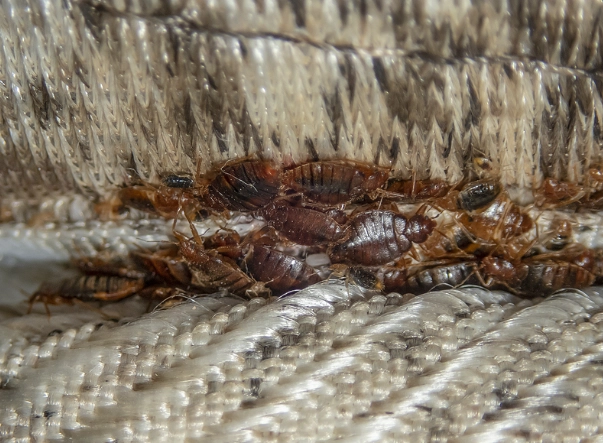
| Treatment Method | How It Works | Cost Estimate | Best For |
|---|---|---|---|
| Heat Treatment | Raises room temperature to 120°F+ to kill all life stages | $1,500 - $3,000 per room | Severe infestations, whole-home clearance |
| Chemical Pesticides (Professional) | Targeted application by licensed exterminators | $500 - $1,500 per treatment | Moderate infestations, multi-room issues |
| Steam Treatment | High-temperature steam penetrates cracks and fabrics | $200 - $500 for DIY units | Localized areas, supplement to other methods |
| DIY Insecticides | Over-the-counter sprays and powders | $20 - $100 | Minor, early-stage infestations (with caution) |
Heat treatment is often the gold standard—it's non-toxic and thorough. But it's pricey. For smaller issues, a combo of steam and pesticides might suffice. I've seen clients try to save money with DIY foggers, only to spread bugs to adjacent apartments. Always assess the scale first.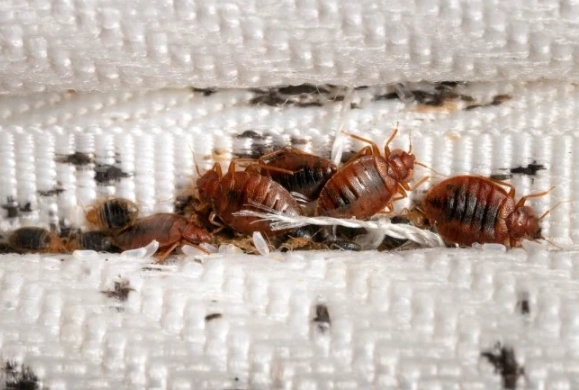
Professional Extermination: What to Expect
Hiring a pro? Ask about their approach. Reputable companies like those certified by the National Pest Management Association (NPMA) use integrated methods. They'll inspect, treat, and follow up. Preparation is key: you'll need to wash bedding, declutter, and possibly vacate for hours. Don't skip the prep—it affects success rates.
DIY Methods That Can Help (and Ones to Avoid)
If you're tackling it yourself, focus on containment. Vacuum thoroughly, seal items in plastic bags, and use diatomaceous earth in cracks—it dehydrates bugs. But avoid bug bombs; they disperse bugs and leave residues. One homeowner I advised used a steamer on her sofa daily for weeks; it worked, but required patience. DIY is risky for large infestations.
Common Pitfalls and How to Avoid Them
Mistakes prolong infestations. Here are the big ones I've encountered.
Throwing out furniture prematurely: This can spread bugs through the building. Treat items in place if possible. I once saw a tenant discard a mattress, only for bugs to crawl to a neighbor's unit.
Overusing pesticides: More spray isn't better. Bugs develop resistance, and toxins pose health risks. Follow label instructions exactly.
Ignoring adjacent rooms: Bed bugs travel. Treat the entire area, not just the bed. A client focused on her bedroom but forgot the living room couch; reinfestation happened in weeks.
Not following up: Eggs hatch in 6-10 days. Repeat treatments are often necessary. Schedule inspections for 2-3 weeks after initial treatment.
My personal rule: monitor with interceptors under bed legs for months post-treatment. It's a cheap way to catch stragglers.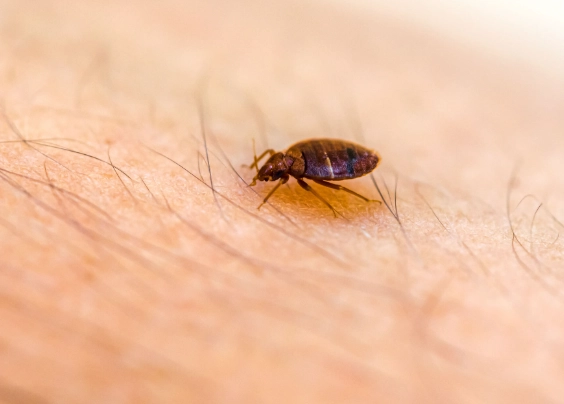
Frequently Asked Questions (FAQ)
Dealing with bed bugs is challenging, but with a methodical approach, you can reclaim your space. Start by confirming the infestation, then choose a treatment based on your situation. Remember, persistence pays off—don't get discouraged if it takes multiple steps. If you're unsure, seek professional advice early; it often saves time and money in the long run.
LEAVE A REPLY
Your email address will not be published. Required fields are marked *