You've probably seen it. A perfect circle of bare dirt, maybe three feet wide, right in the middle of your otherwise green lawn. In the center, a crater-like mound of fine soil, often decorated with tiny pebbles and bits of charcoal. No grass, no weeds, nothing. And if you look closely, you'll see a steady stream of large, reddish ants marching in and out, each carrying a seed many times its own size. Congratulations, you've met the harvester ant.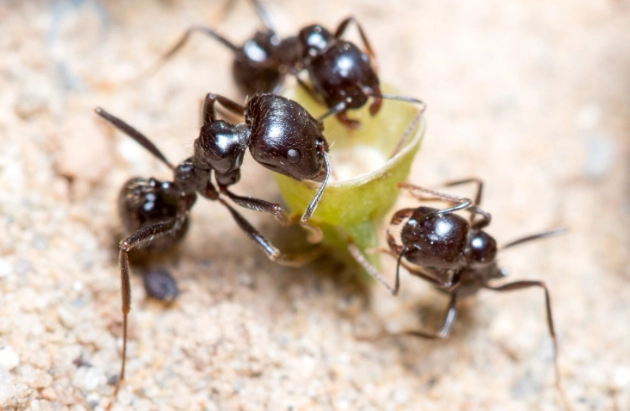
These aren't your kitchen-invading sugar ants. Harvester ants (Pogonomyrmex spp. are common in the US) are outdoor engineers with a singular, destructive focus: harvesting seeds. I've watched them turn a client's pristine backyard into a patchwork of dirt circles in a single season. The mistake most people make is treating them like any other ant. That approach fails every time.
Let's get straight to what you need: how to spot them, why they're a problem, and the control strategies that actually work.
What You'll Find in This Guide
How to Identify Harvester Ants and Their Nests
Identification is step one. Get this wrong, and you're wasting time and money.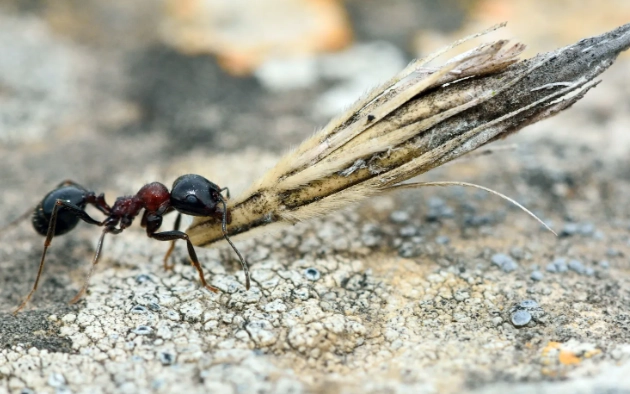
The Foraging Party
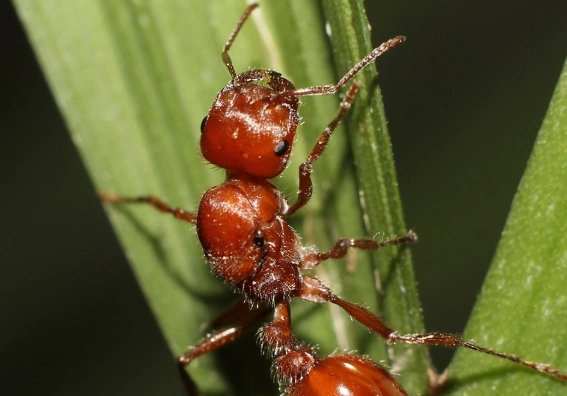
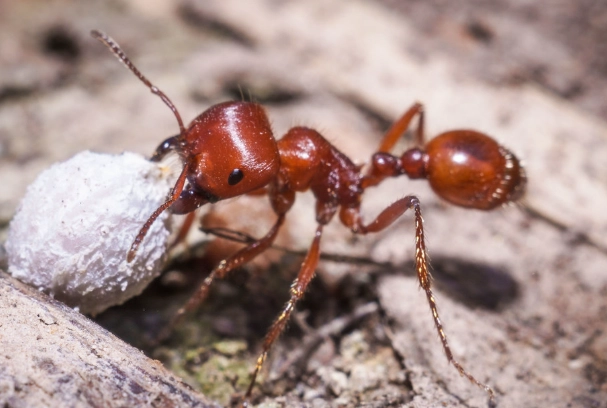
Look for workers during the day, especially in hotter, drier hours. They're medium to large ants (about 1/4 to 1/2 inch). Color varies by species from red to reddish-brown to black. The key giveaway is what they're carrying. You'll see them hauling seeds—grass seeds, wildflower seeds, whatever they can find—back to the nest. They don't look lost or exploratory; they move in clear, established trails radiating from the mound.
The Nest Itself: A Landscape Signature
The mound is unmistakable. It's not a loose pile of dirt. It's a structured crater, often with a distinct central opening. The soil is very fine, almost powdery, because they've sifted it. They frequently decorate the mound with small pebbles, bits of plant material, or even insect skeletons. This isn't random trash; research suggests it may help regulate temperature and moisture.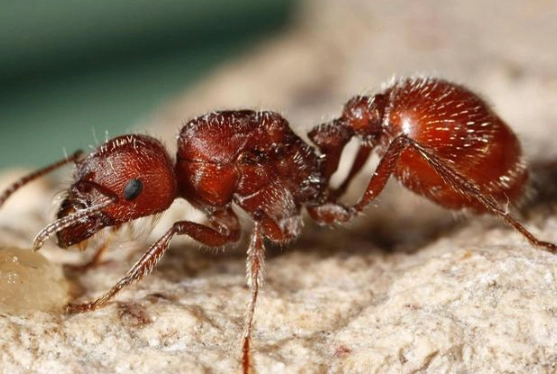
The size of the cleared area around the mound tells you about the colony's age and health. A small circle might be a new satellite nest. A massive, barren disk points to a mature, thriving colony that's been operating for years.
Why Harvester Ants Are a Problem for Your Property
It's not just about a few dirt patches. The impact is layered.
Landscape Destruction: This is the obvious one. They systematically remove every living plant from a large area around their nest to prevent shade and competition, and to have a clear field for foraging. Your lawn, garden bed, or pasture becomes a collection of barren circles.
Economic and Ecological Hit: For farmers and ranchers, this is a direct loss of grazing land. In gardens, they can wipe out newly seeded areas overnight. They compete directly with native birds and rodents for grass seeds, potentially disrupting local ecosystems.
The Sting: Let's be clear. Harvester ants possess a potent sting. They are not aggressive unless you disturb their mound, but if you do—say, by stepping on it or a child poking it—they will defend it vigorously. The sting is painful, like a sharp burn, and the area can swell and remain tender for days. For allergic individuals, it's a serious hazard.
I once had a client who kept treating the foraging trails with spray. The ants just moved the main nest entrance. The problem seemed to "go away" for a week, then popped up three feet away. He was just chasing symptoms.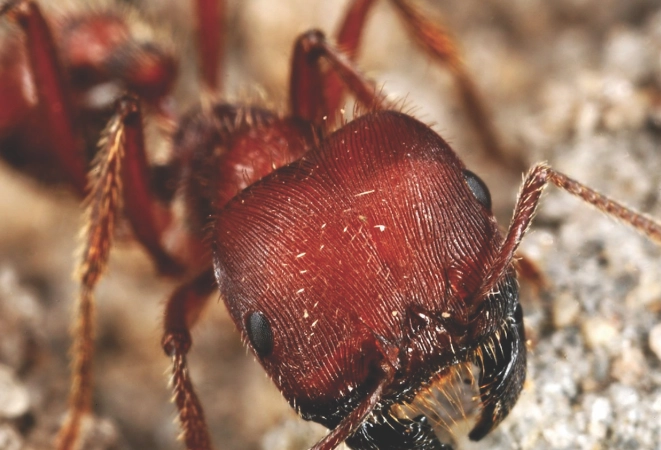
Harvester Ant Control: A Breakdown of Your Options
Here’s a straightforward look at the tools available. Your choice depends on the scale and your tolerance for chemical use.
| Method | How It Works | Best For | Major Drawback |
|---|---|---|---|
| Granular Baits | Seed-like granules coated with slow-acting insecticide. Workers carry it home as food, poisoning the colony from within. | Most effective overall. Targets the entire colony, including the queen. | Requires specific harvester ant bait. Generic ant baits fail. |
| Dust Insecticides | Fine dust applied directly into the nest entrance. Carried deeper by the ants, contaminating the brood chambers. | Direct nest treatment when baiting isn't feasible or has failed. | Can be blown away by wind. Requires precise application to the main entrance. |
| Liquid Drenches | Mixing insecticide with water and pouring it into the nest. Aims to flood the tunnels. | Immediate knockdown of visible activity. | Often fails to reach the deep, sprawling chambers of a mature colony. Can contaminate soil. |
| Physical/Cultural Control | Regularly disturbing mounds, pouring boiling water, planting non-grass ground cover. | Small, new colonies. Organic-focused management. | Extremely labor-intensive. Rarely eliminates a mature colony, often just relocates it. |
Your Action Plan: Getting Rid of Harvester Ants
Follow this sequence. Skipping steps is why most DIY control fails.
1. Map and Monitor. Don't treat the first mound you see. Walk your entire property at mid-day. Flag every mound and major trail. You need to know the full extent of the problem.
2. Choose the Right Bait. Go to a farm supply or professional pest control store. Look for granular baits whose active ingredient lists indoxacarb or hydramethylnon. The label must specifically mention "harvester ants" or "seed-harvesting ants." Amdro Pro or Extinguish Plus are common examples. This is non-negotiable.
3. Apply at the Right Time. Early morning or late afternoon when ants are foraging, but the ground is cool enough that dew isn't present. Moisture ruins the bait. Follow the label rate—usually a light sprinkle in a circle around the mound and along foraging trails. Don't pile it up.
4. Be Patient and Observe. Do not disturb the nests. You should see heavy bait collection within hours. Foraging activity will drop noticeably in 3-5 days. Complete colony collapse takes 2-4 weeks. If after 7 days activity is unchanged, you may have the wrong bait or a competing food source is more attractive.
5. Follow-Up for Large Infestations. For big properties with many colonies, a two-pronged approach works: broadcast the specific granular bait over the entire area according to label directions, then spot-treat any remaining active mounds with a labeled dust insecticide applied directly into the entrance.
Remember, the goal is colony elimination, not just killing the ants you see today. The queen is the target.
Your Top Harvester Ant Questions Answered
For region-specific information and the most up-to-date control recommendations, consulting your local university's cooperative extension service is always a smart move. The University of California Statewide Integrated Pest Management Program, for instance, has excellent, detailed resources on harvester ant biology and management.
The key takeaway? Harvester ants are a unique problem that demands a specific solution. Identify them correctly, use the bait they actually want to eat, and have the patience to let it work. Your lawn will thank you.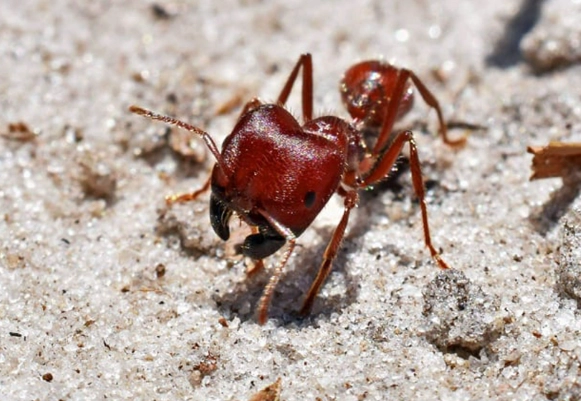
LEAVE A REPLY
Your email address will not be published. Required fields are marked *