Let's be honest. Finding a German cockroach in your home isn't just a nuisance; it feels like a personal violation. That quick, tan blur darting under the fridge when you turn on the light triggers a special kind of dread. I've been there. I've also spent years in pest management, and I can tell you most of the advice online is incomplete or just plain wrong. This isn't a scare piece. It's a tactical manual. We're going to cover exactly how to identify them, why your past attempts probably failed, and a detailed, professional-grade plan to take your home back.
What You'll Learn in This Guide
How to Identify German Cockroaches: Don't Mistake Them for American Roaches
You need to know your enemy. German cockroaches (Blattella germanica) are the most common roach species in homes worldwide. They're small, about half an inch long, with a light brown or tan color and two dark stripes behind their head. The nymphs (babies) look like smaller, darker versions of adults. A key giveaway? They are terrible fliers. If you see a small roach that scurries, it's likely a German.
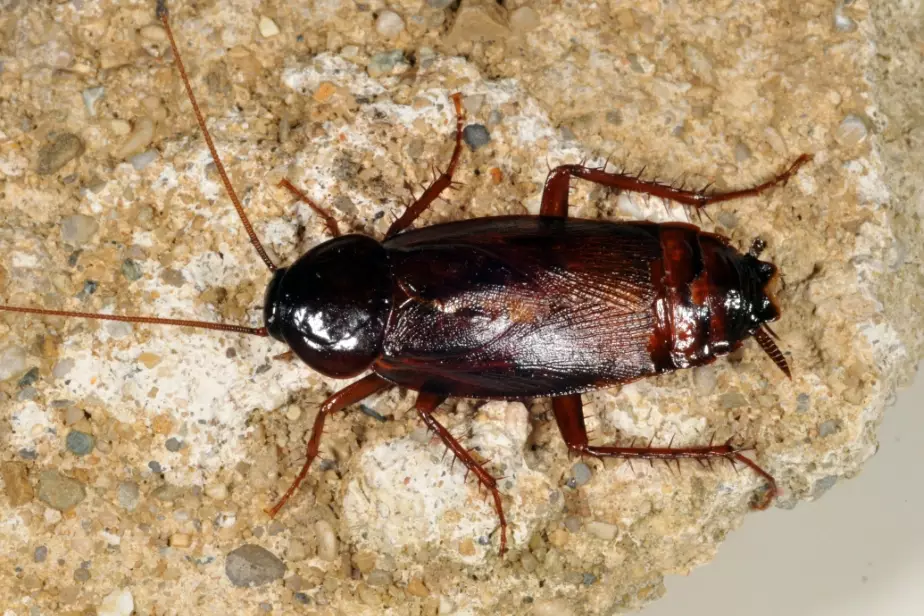
People often confuse them with American cockroaches. Here's the quick difference: Americans are much larger (over an inch), reddish-brown, and can fly. Germans are small, tan, and would rather run.
Spotting an infestation: Look for tiny, pepper-like droppings, oval egg casings (oothecae), and a sweet, musty odor. They love cardboard, appliances, and any crack or crevice near food and water.
Why German Cockroaches Are So Hard to Kill (Hint: It's Not Just the Eggs)
Everyone knows they reproduce quickly. A single female can produce hundreds of offspring in her lifetime. But the real challenge is their behavior and resilience.
- They hide incredibly well: Flat bodies let them squeeze into cracks thinner than a dime.
- They develop resistance: Overuse of the same insecticide can create super-resistant roaches.
- They're survivalists: They can live a month without food and two weeks without water. Starving them out is nearly impossible.
The biggest mistake I see? People spray where they see the roach. You kill that one, but the colony hidden in the wall remains untouched. You're treating the symptom, not the disease.
A Step-by-Step Elimination Plan That Actually Works
Forget the quick fixes. Lasting control is a process. This is the strategy I've used professionally.
1. Inspection: Find the Harborages
You can't kill what you can't find. Grab a flashlight and get on your hands and knees.
- Kitchen: Pull out the fridge, stove, and dishwasher. Check the gaps where cabinets meet walls, under the sink, and the motor compartment of appliances.
- Bathroom: Look under sinks, around pipes, toilet bases, and in drawers.
- Other areas: Inspect electronics, pantry shelves, and furniture joints.
2. Sanitation: Cut Off the Buffet
Roaches need food, water, and shelter. Remove one, and the population suffers.
- Store food in airtight containers. >Fix leaks under sinks. >Wipe down counters and sweep floors nightly. >Take out trash daily. >Clean pet food bowls.
This isn't about being spotless; it's about removing the easy meals.
3. Strategic Baiting
Gel baits are your best friend. They're attractive food that roaches eat and take back to the nest, killing others. Don't just put them where you see roaches. Put them where they live: in cracks, under appliances, behind cabinets.
Place pea-sized dots every few feet along seams and corners. More dots in a line are better than one big glob.
4. Insect Growth Regulators (IGRs)
These are the secret weapon. IGRs disrupt the roach life cycle, preventing nymphs from maturing. They don't kill quickly, but they stop the population from rebounding. Use them with bait. Look for products with hydroprene or pyriproxyfen.
5. The Right Kind of Spray
Residual sprays can work, but placement is everything. You want a thin film where roaches walk, not a puddle they avoid. Spray baseboards, under sinks, and entry points. Consider a professional-grade product with multiple active ingredients to combat resistance.
Avoid the Mistake: Do not use repellent sprays like most RAID products. They chase roaches deeper into hiding, fragmenting the colony and making your problem worse.
6. Diatomaceous Earth (DE) & Monitoring
Food-grade diatomaceous earth is a fine powder that damages insect exoskeletons. It's non-toxic to pets and humans. Puff a thin layer into cracks and under appliances. Combine this with sticky traps to monitor the population.
When to Call a Professional Exterminator
If you've followed the steps diligently for 3-4 weeks and still see roaches, it's time. A pro has stronger products and the experience to find hidden harborages. For apartments, the entire building often needs treating. Talk to your landlord.
Long-Term Prevention: Keeping Them Out for Good
Killing the roaches is half the battle. The other half is making sure they don't come back.
- Seal entry points: Caulk cracks, install door sweeps, repair screens.
- Manage moisture: Fix leaks, improve ventilation.
- Store food properly: Don't leave pet food out overnight.
- Declutter: Reduce hiding spots.
Expert Answers to Your Questions
The Bottom Line
German cockroaches are a formidable foe, but they're not invincible. The key is understanding their behavior and using it against them. Stop chasing the roaches you see and go after the ones you don't. Be patient, be thorough, and don't be afraid to call in the pros if you need them. A roach-free home is a realistic goal, and you now have the plan to achieve it.


Comments