You know the feeling. That tiny, persistent itch on your ankle. Your dog scratching frantically behind his ear at 2 AM. Then you see it—a tiny, dark speck leaping from the carpet. A wave of dread hits. Fleas. I've been there, more times than I care to admit over fifteen years of owning dogs and cats in different climates. The frustration is real, but so is the solution. This isn't about quick fixes that fail in a week; it's about understanding your enemy and executing a strategic, multi-front campaign to reclaim your home.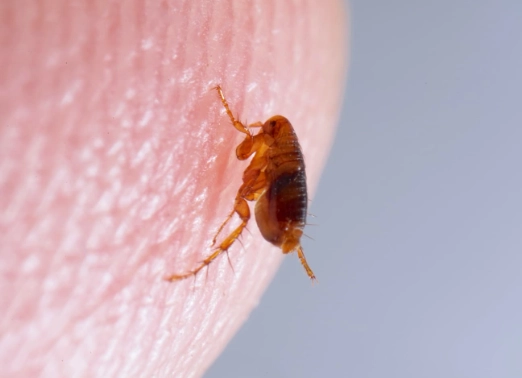
Most people get it wrong from the start. They bomb the house with a fogger, treat the pet, and declare victory. Two weeks later, the fleas are back, angrier than ever. Why? Because they only attacked the adult fleas they could see, which is about 5% of the total population. The other 95%—eggs, larvae, and pupae—were waiting in the wings.
What You’ll Find in This Guide
How to Identify a Flea Infestation: Beyond the Itchy Pet
Don't wait to see a jumping insect. By then, you're hosting a party. Look for these subtler, telltale signs first.
The "Flea Dirt" Test. This is flea feces, and it's your most reliable clue. Comb your pet over a white paper towel. If you see small black specks that turn reddish-brown when wet (because it's digested blood), you've got fleas. It's not just dirt.
Check your pet's favorite resting spots—the dog bed, that corner of the couch, your own bed if they sleep there. Look for these same black specks in the fabric weave.
Bite Patterns on Humans. Flea bites on people often appear as small, red, itchy bumps in clusters or lines, usually around the ankles, legs, or waist. They're different from mosquito bites and intensely itchy.
I once misdiagnosed a flea problem as an allergic reaction for a week because the bites were on my wrists. The fleas were coming from a sofa where the cat liked to lounge.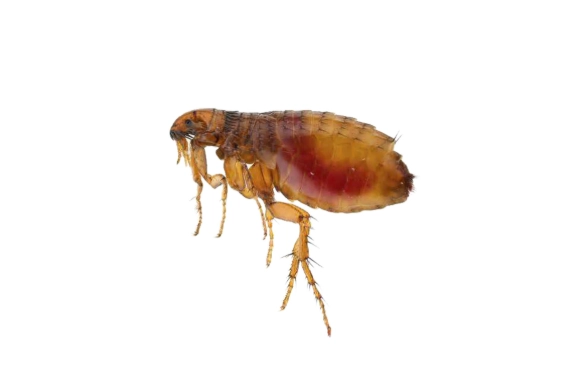
The Flea Life Cycle: Why Killing Adults Isn't Enough
This is the critical knowledge most people lack. Understanding the flea life cycle explains why your previous attempts failed and what you must do differently.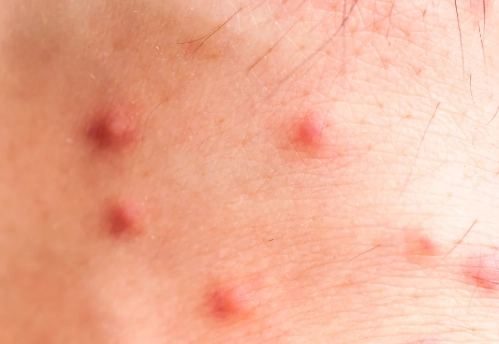
A single adult female flea can lay 40-50 eggs per day. These eggs are not sticky; they roll off your pet into your environment—carpets, floorboards, furniture, your car.
Eggs (50% of population): Hatch in 2-12 days.
Larvae (35% of population): Worm-like, avoid light, feed on organic debris and adult flea feces ("flea dirt"). This stage lasts 5-20 days.
Pupae (10% of population): The nightmare stage. Larvae spin cocoons. Inside, they develop into adults. The cocoon is sticky and resistant to chemicals. They can lie dormant for weeks or even months, waiting for vibrations, heat, or CO2 (signs of a host).
Adults (5% of population): Emerge, jump on a host, feed, mate, and start laying eggs within 24-48 hours. Adults live 2-3 months.
See the problem? Foggers and most sprays kill adults and maybe some larvae. They do almost nothing to eggs and pupae. You kill the 5%, the pupae hatch a week later, and the cycle continues. You're stuck in a loop.
Your Step-by-Step Elimination Battle Plan
You must attack all stages, everywhere, at the same time. Half-measures waste time and money. This is a weekend project with follow-up duties.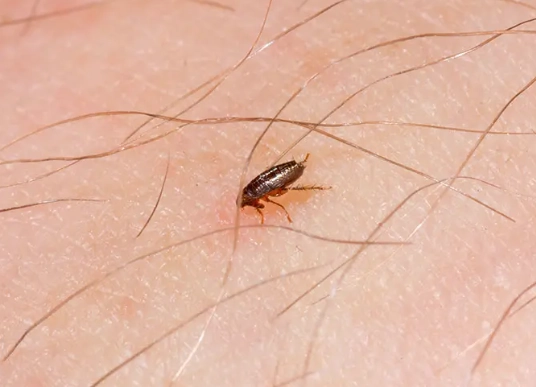
Step 1: Treat Every Pet in the Household
Consult your veterinarian. This is non-negotiable. Over-the-counter products vary wildly in efficacy and safety.
Prescription Options (Most Effective): Products like isoxazolines (e.g., Bravecto, NexGard, Simparica) are oral or topical and kill fleas rapidly, often before they can lay eggs. They're a cornerstone of modern flea control.
What to Avoid: Generic supermarket collars or outdated organophosphate-based products. They often provide poor coverage and can be toxic.
Treat all dogs and cats, even the indoor-only cat. Fleas don't discriminate.
Step 2: Declutter and Deep Clean the Environment
This is the most physically demanding but crucial step. You're removing eggs, larvae, and their food sources.
- Vacuum like your sanity depends on it. Vacuum all carpets, rugs, hardwood floor cracks, upholstered furniture, pet beds, and car interiors. Use a crevice tool. The vibration also helps stimulate pupae to hatch, bringing them into contact with later treatments.
- Immediately seal and dispose of the vacuum bag or canister contents in an outdoor trash can. Fleas can crawl back out.
- Wash all pet bedding, your own bedding (if pets sleep there), and removable cushion covers in hot water (at least 130°F/54°C) and dry on the highest heat setting.
Step 3: Apply Targeted Environmental Insecticides
Here's where you deploy your weapons. You need a product with two key components:
- An adulticide to kill existing adult fleas (e.g., pyrethroids).
- An Insect Growth Regulator (IGR) like methoprene or pyriproxyfen. This is your secret weapon. IGRs mimic insect hormones, preventing eggs and larvae from developing. They break the life cycle.
Brands like Knockout ES (for professionals) or Precor 2000 Plus (consumer) contain both. Read labels meticulously.
Spray all areas identified in Step 2. Pay special attention to baseboards, under furniture, and pet resting zones. Let it dry completely before allowing pets or people back in.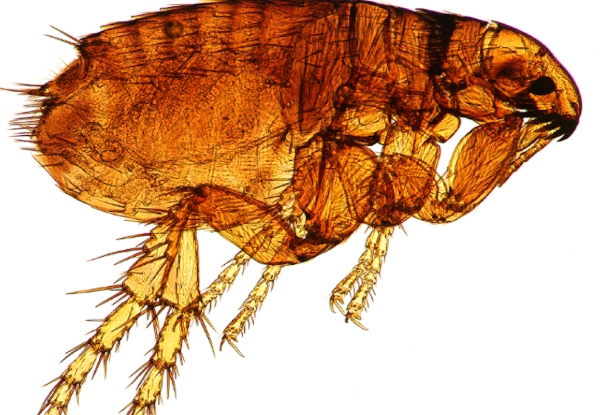
Step 4: The Critical Follow-Through
The job isn't done after spraying.
Continue vacuuming every other day for at least 2-3 weeks. This physically removes new eggs and hatched larvae before they mature.
You may see a few fleas 10-14 days post-treatment. Don't panic. These are likely pupae that hatched after the spray. They will encounter the residual insecticide and IGRs. If activity persists beyond 3-4 weeks, a second, lighter application may be needed.
Keep all pets on their prescribed preventative. This is your ongoing shield.
Building a Flea-Proof Fortress (Prevention)
Once you're clean, stay clean. Prevention is cheaper and easier than eradication.
Year-Round Pet Prevention: In most climates, fleas are a year-round threat. Don't stop treatment in the winter. Indoor heating creates a perfect environment for them. Use your vet-recommended product consistently, every month (or as directed for long-lasting products).
Landscape Management: Fleas thrive in shady, moist areas. Keep your yard trimmed, clear debris, and discourage wildlife (rodents, opossums) that can bring fleas into your yard. The Centers for Disease Control and Prevention (CDC) notes that maintaining a clean yard reduces flea habitats.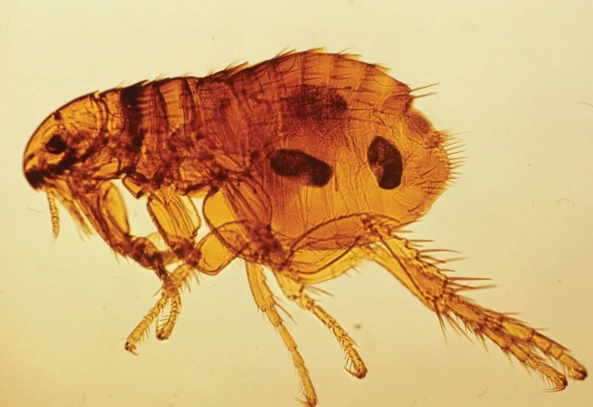
Routine Home Maintenance: Regular vacuuming, especially in pet areas, is your best mechanical defense. Consider using a borate-based carpet powder (like Fleabusters) every 12-18 months for long-lasting residual action against larvae.
Here’s a quick comparison of common treatment types:
| Treatment Type | Targets | Pros | Cons / Expert Note |
|---|---|---|---|
| Prescription Oral (e.g., NexGard) | Adult fleas on pet | Fast, convenient, no bathing restrictions | Does not treat the home environment. Must be combined with cleaning. |
| Insect Growth Regulator (IGR) Spray (e.g., Precor) | Eggs & Larvae in home | Breaks life cycle, long residual (up to 7 months) | Does not kill adult fleas quickly. Often combined with an adulticide. |
| Diatomaceous Earth (Food Grade) | Larvae & Adults (physically) | Natural, non-chemical | Messy, slow, ineffective when damp, respiratory hazard if inhaled. A supplement, not a solution. |
| Professional Pest Control | All stages in home | Expert application, stronger products, guarantee | Cost. Ensure they use an IGR and have a flea-specific protocol. |
Questions We Get All the Time
My pet is on flea medication but I still see fleas. What's wrong?
This is incredibly common and frustrating. The issue is almost always environmental. Topical or oral medications kill adult fleas on your pet, but they don't address the eggs, larvae, and pupae living in your carpets, furniture, and yard. Fleas continue to hatch and jump onto your pet, where they may bite (causing irritation) before the medication kills them. You must combine pet treatment with a thorough, simultaneous treatment of your home environment to break the life cycle.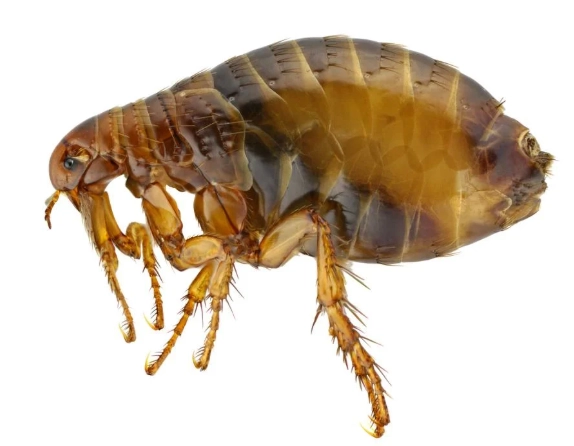
Are natural or DIY flea remedies like diatomaceous earth or essential oils effective?
They have limited, situational use but are rarely a complete solution. Diatomaceous earth can dehydrate flea larvae in carpets if left for days and vacuumed thoroughly, but it's messy and ineffective against eggs and pupae. Essential oils like peppermint or eucalyptus may repel fleas temporarily but do not kill an infestation and can be toxic to pets, especially cats. Relying solely on these methods often gives the infestation time to grow. Use them as potential supplements, not replacements, for proven insect growth regulators (IGRs) and adulticides.
How long does it realistically take to get rid of a flea problem?
You need to plan for a 3-4 month campaign, not a weekend project. Even after a perfect treatment, flea pupae in their cocoons can survive for months, emerging weeks later when they sense vibration. Seeing a few new fleas 2-3 weeks after treatment doesn't mean you failed; it means you need to stay consistent with your vacuuming and possibly use a follow-up insecticide spray. The goal is to kill each new generation before they can reproduce. Consistency over this extended period is what leads to success.
Can fleas live in a home without pets?
Absolutely. While pets are the primary host, fleas can enter a pet-free home on clothing, through cracks, or from wildlife like rodents in crawl spaces or squirrels in the attic. Once inside, they can survive for a surprisingly long time by feeding on humans, though they cannot reproduce successfully on human blood alone. An infestation might die out eventually, but it can cause months of itchy bites. If you're getting bitten with no pets, you still need to investigate and treat the home.
The key to winning the war against fleas is shifting your mindset. It's not a one-time event; it's a short-term battle followed by vigilant peacekeeping. Attack all stages of the life cycle at once—on the pet and in the environment—and then maintain your defenses. It takes effort, but the peace of mind (and itch-free skin) is worth it.
LEAVE A REPLY
Your email address will not be published. Required fields are marked *