You're standing at the edge of a quiet pond, maybe fishing yourself, when you see it. A large, dark spider, legs splayed, sitting perfectly still on a lily pad. Then, in a blur, it dashes across the water's surface, chasing a ripple. Your first thought might be panic. Your second, sheer curiosity. What is that thing? That, my friend, is likely a fishing spider, one of North America's most fascinating and misunderstood arachnids. They're not here to bother you. They're masterful aquatic hunters, and understanding them turns fear into fascination.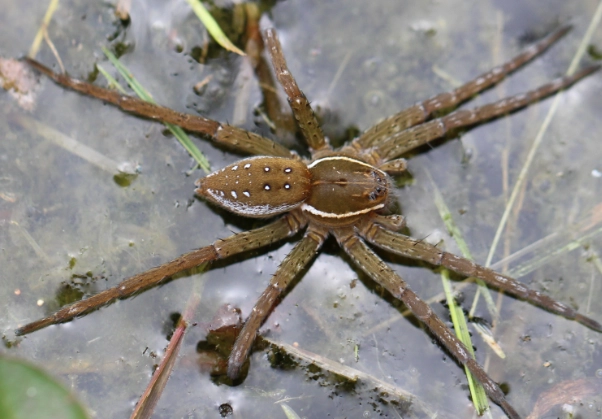
What You'll Discover in This Guide
What Exactly Is a Fishing Spider?
Let's clear something up right away. "Fishing spider" isn't the name of a single species. It's a common name for spiders in the genus Dolomedes. Think of it like "wolf spider" or "jumping spider"—it's a group. The most common and widespread in the US is the Six-spotted Fishing Spider (Dolomedes triton). These guys are the quintessential semi-aquatic arachnids, perfectly built for a life split between land and water.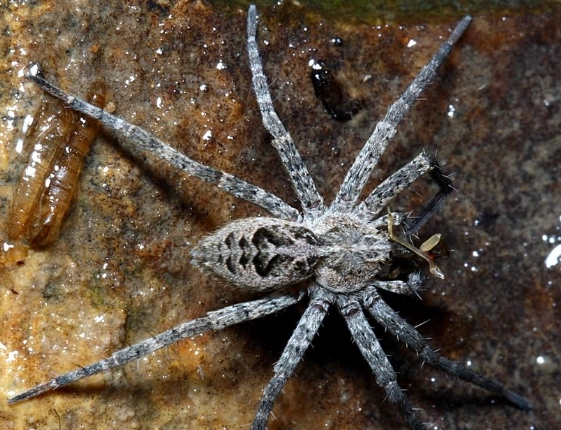
They belong to the nursery web spider family (Pisauridae). That name gives away a key life detail: the females are incredibly dedicated mothers. But we'll get to that.
The core misconception? People think they live underwater. They don't. They live on it and around it. They breathe air like any other spider. Their trick is exploiting the water's surface tension as if it were solid ground, a skill few other large spiders possess.
How to Identify a Fishing Spider (Key Features)
So you think you've spotted one. Here’s your field checklist. Don't just look at one thing; combine a few of these clues.
Size and Stature
This is the first shocker. Females are big. Legspan can reach 3 inches (about 7.5 cm)—that's bigger than a standard poker chip. Males are noticeably smaller, about half that size. Their bodies are robust and hairy, built for power, not delicacy.
Legs and "Gear"
Their legs are long, laterigrade (meaning they extend sideways more than downward), perfect for distributing weight on water. Look closely at the legs for dark banding or chevron patterns. The real secret weapon? Hydrophobic hairs. Thousands of tiny hairs trap a layer of air around their legs and abdomen, preventing them from breaking the surface film and getting wet. It's like a permanent, invisible life jacket.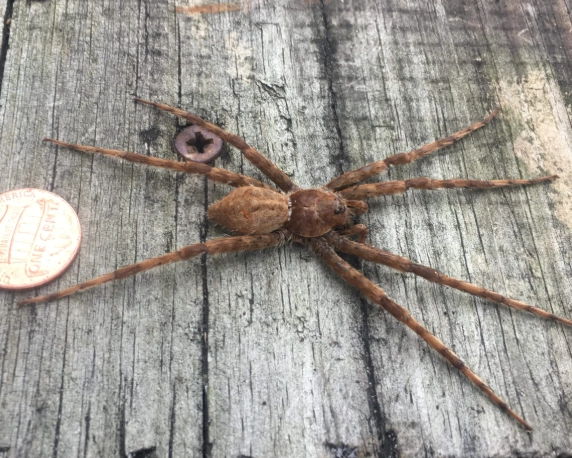
Coloration and Markings
Coloration is camouflage. They're usually shades of brown, grey, or muted green, often with lighter stripes running down the sides of their cephalothorax (the front body segment). The six-spotted fishing spider typically has—you guessed it—white spots along its abdomen. But don't rely solely on spots; patterns can vary.
Fishing Spider vs. Wolf Spider: The Quick Tell
Everyone mixes these up. Both are big, fast, and hairy. The dead giveaway? Location, location, location. A wolf spider is a land hunter. You'll find it in leaf litter, your garden, or your basement. A fishing spider will almost always be associated with water: on a pond surface, dock piling, or waterside vegetation. If it's skimming on water, it's a fishing spider.
Where and How to Find Them
You can't just look anywhere. They have very specific real estate preferences. I've spent countless hours observing them, and they're creatures of habit.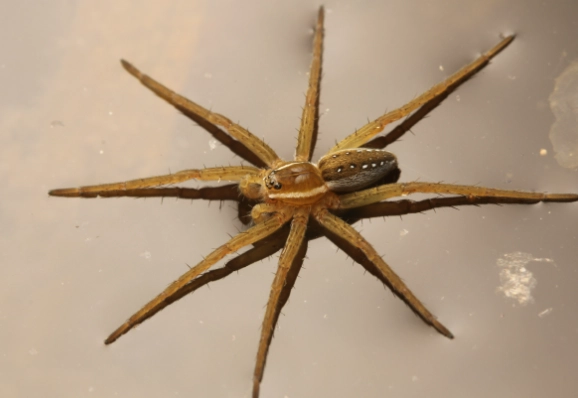
Prime Habitat: Slow-moving or still freshwater is key. Think ponds, lakes, marshes, slow streams, and the backwaters of rivers. They need vegetation—lily pads, reeds, cattails, overhanging branches—to serve as resting spots, nurseries, and ambush points.
When to Look: They're most active at dawn, dusk, and on overcast days. Bright midday sun sends them into hiding under leaves or in shoreline crevices. Late spring through early fall is your window.
Search Method: Walk slowly along a bank. Stop frequently and just stare at the water's edge and emergent plants. Look for a large, motionless, dark shape. Patience is everything. Sometimes, you'll see one resting with its front legs gently touching the water, acting as a vibration sensor.
Incredible Hunting Techniques: More Than Just Fishing
The name "fishing spider" is a bit of a misnomer. It makes you think they dangle a line. Their real method is far more dynamic. They are sit-and-wait predators with a high-speed chase option.
The Sit-and-Wait ("Leg Fishing"): This is their bread and butter. The spider rests its front legs on the water surface. The slightest ripple—from a struggling insect, a tadpole, or a small fish—is detected instantly. They can tell the size, direction, and distance of the disturbance. Then, they strike with terrifying speed, running across the water, grabbing the prey, and injecting venom.
The Active Hunt: They will also just… walk around on the water, exploring for prey. They can even dive. When threatened or pursuing something underwater, they can submerge, using their air-bubble "jacket" to breathe for short periods. I've seen one disappear under a lily pad and emerge a minute later on the other side.
The Menu: It's diverse. Aquatic insects (water striders, beetles) are staples. Tadpoles and small frogs are common. And yes, they can and do eat small fish like minnows. Research from the American Arachnological Society notes that while fish aren't their primary food, larger female Dolomedes are fully capable of taking vertebrate prey. They drag it to a dry spot to consume it, as eating underwater isn't an option.
The Big Question: Are Fishing Spiders Dangerous?
This is the heart of most people's fear. Let's be direct.
To Humans? No. They are not aggressive. Their first and second and third choice is to flee. If cornered and forced to defend itself (like if you grabbed one), it might bite. The venom is designed for insects and small aquatic creatures. For humans, it's comparable to a bee sting—some localized pain, maybe slight swelling, but no serious medical consequences. I've never been bitten, and I've handled them carefully for photos. They just want out.
The real "danger" is the heart attack you might get from seeing one unexpectedly due to its size. They are startling, not harmful.
To Your Pond Ecosystem? They are a beneficial predator. They help control mosquito larvae populations, midges, and other insects. They're a sign of a healthy aquatic ecosystem.
Living With (or Without) Fishing Spiders
Sometimes, their territory overlaps with ours a bit too closely.
If One Is in Your House: This happens, usually with males wandering in late summer. Don't panic. It's lost. The cup-and-paper method is perfect. Gently trap it, slide the paper underneath, and carry it outside. Release it near a water source if you can. Killing it is unnecessary and removes a great natural pest controller.
If They're Around Your Dock or Boat: They're just using it as a hunting perch. They won't damage anything. A gentle brush into the water encourages them to move on. If you really want to deter them, keep the area clear of debris they can hide under and ensure outdoor lights don't attract huge numbers of insects right there.
Encouraging Them (for the curious): If you have a garden pond and want to see this amazing behavior, create a spider-friendly zone. Leave some areas of the bank natural with plants. Add a few flat stones or pieces of wood at the water's edge as basking spots. Avoid using broad-spectrum insecticides that will wipe out their food source.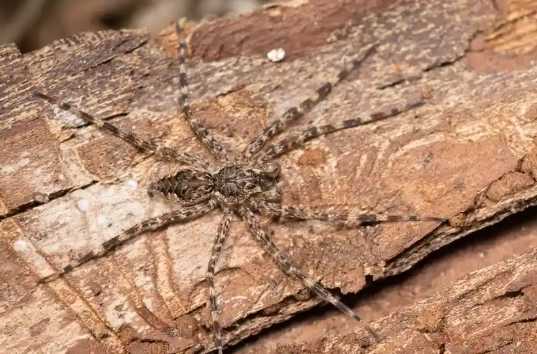
Your Questions, Answered
If I find a fishing spider in my house, should I be worried?
Generally, no. Fishing spiders are not aggressive towards humans and their venom is not medically significant for us. They often wander indoors by accident, especially males searching for mates in late summer. The bigger concern is their startling size, which can cause alarm. Instead of killing it, the best approach is to gently capture it using a cup and paper and release it outside near a water source. They are excellent pest controllers and will happily return to their natural habitat.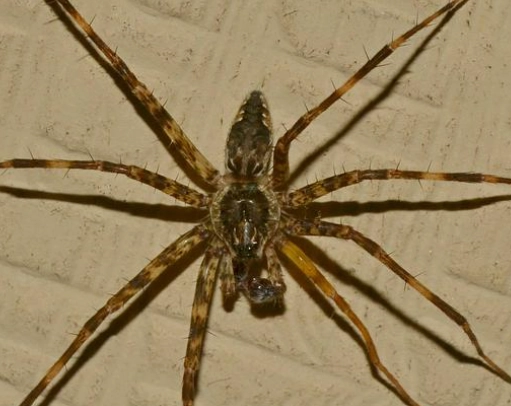
What's the difference between a fishing spider and a wolf spider?
This is a common mix-up. Both are large, hairy, and don't build webs to catch prey. The key difference is habitat and hunting style. Wolf spiders are terrestrial hunters, chasing down insects on dry land, and you'll often see them in gardens or under logs. Fishing spiders are semi-aquatic. Their legs are adapted for water, and they hunt on the surface of ponds and streams. Look for the spider's location: if it's on or very near water, it's likely a fishing spider. Also, fishing spiders tend to have more pronounced leg banding.
Can fishing spiders really catch and eat small fish?
Yes, absolutely, but it's not their daily bread. Their primary diet consists of aquatic insects, tadpoles, and even small frogs. Catching a vertebrate like a fish is a more significant feat, usually accomplished by larger female spiders targeting very small fish or minnows. They detect ripples from the struggling fish, dash across the water, inject venom, and then drag their prey to a dry spot to eat. It's a remarkable display of adaptation, but think of fish as an occasional luxury meal rather than a staple.
How do I safely observe fishing spiders without disturbing them?
Patience and stillness are your best tools. Find a quiet spot by a pond edge or slow stream at dawn or dusk, which is often their most active time. Sit or stand still for 5-10 minutes. Look for them on emergent vegetation like lily pads, reeds, or on the banks. Avoid casting shadows directly over the water, as this can spook them. A pair of binoculars can give you a great close-up view without needing to get too close. Remember, you're a visitor in their home; quiet observation yields the best natural behavior.
Next time you're by the water, take a moment to look closer. That shadow on the lily pad isn't just a leaf. It's a master hunter, a skater on a surface we can't walk on, and a vital part of the wetland world. Understanding the fishing spider replaces the instinctive flinch with a nod of respect. They're not out to get you. They're just out there, doing their remarkable thing.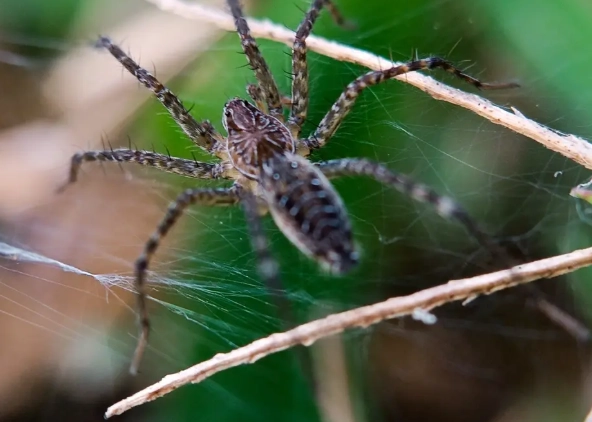
LEAVE A REPLY
Your email address will not be published. Required fields are marked *