You see one scurry under the fridge. You spray, you trap, you clean. Yet, they come back. It feels like a never-ending war. I’ve been in pest management for over a decade, and the single biggest mistake homeowners make is treating the symptom (the cockroach) and not the cause (the environment that supports it). To win, you need to think like them. You need to understand, in detail, what cockroaches need to survive. Strip those things away, and you don't just kill a few—you make your home fundamentally uninhabitable for them.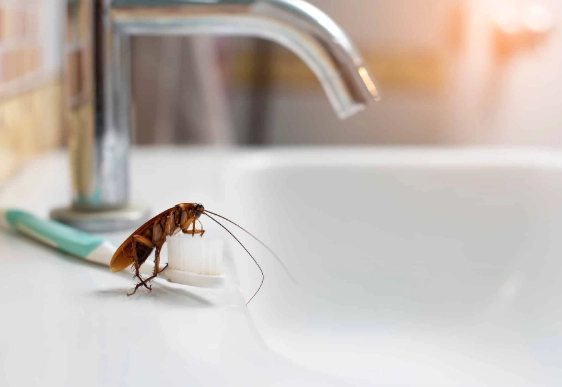
It boils down to four non-negotiable pillars: Food, Water, Shelter, and the right Temperature. Get these wrong in your home, and you're rolling out the red carpet.
What’s Inside This Guide?
Pillar One: Food – They’re Not Picky Eaters
Let's crush a myth right away. Cockroaches don't need a full pantry to move in. Their survival threshold for food is embarrassingly low.
I once inspected an apartment where the tenant swore they never ate in the kitchen. The counters were bare. Yet, we found a thriving German cockroach harbor behind the refrigerator. The food source? A thin, greasy film coating the floor and walls behind the appliance, combined with a few stray pet food kibbles that rolled under the cabinet. That was a five-star buffet for them.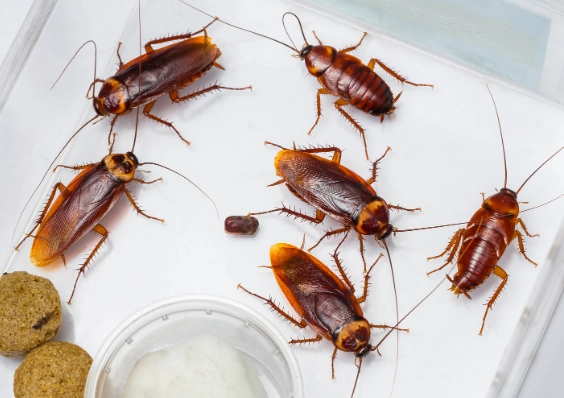
What Constitutes "Food" to a Cockroach?
Think beyond leftovers. Their diet includes:
- Standard Fare: Crumbs, grease, food spills, unsealed pantry items (flour, cereal, pasta).
- Unexpected Meals: Pet food left out overnight. The glue on cardboard boxes and book bindings. Soap residue in sinks.
- Desperation Rations: Dead skin cells (human dander), fingernail clippings, even their own dead or shed exoskeletons.
Their mouthparts are designed for chewing and scavenging. They can survive for about a month without any food if they have water. This resilience is why spot-cleaning isn't a strategy; it's a temporary setback for them.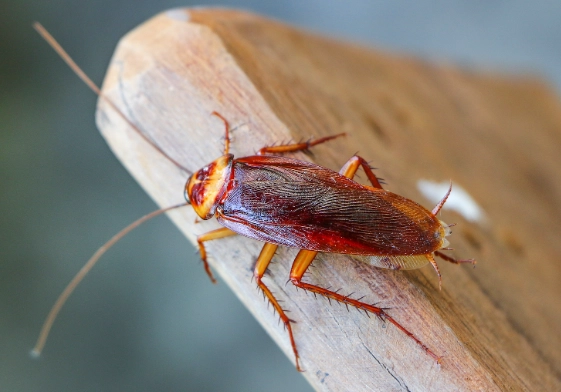
The Expert Blind Spot Most People Miss
Everyone cleans the countertop. Almost no one pulls out the stove and fridge to clean the grease and debris that accumulates behind and underneath them. This area is dark, warm, and full of food residue—a perfect cockroach survival suite. If you're not cleaning these hidden zones, you're maintaining a cockroach cafeteria.
Pillar Two: Water – Their Achilles' Heel
This is the pillar that matters most for control. While they can fast for weeks, most common species are water junkies. A German cockroach will die of dehydration in about one week without access to water. This is your greatest leverage point.
They need water for digestion, joint mobility, and to regulate their body temperature. They'll find it in places you might overlook.
Common, Overlooked Water Sources in Your Home
- Condensation: On cold water pipes, the back of refrigerators, and air conditioner drip pans.
- Leaks: A dripping faucet, a loose connection under the sink, a sweating toilet tank.
- Standing Water: In the bottom of plant saucers, pet water bowls left out, clogged drain trays.
- Moisture: In a damp basement, a clogged gutter causing wall seepage, or even a frequently used shower stall.
I recall a case where roaches were persistent in a second-floor bathroom with no visible leaks. We finally traced it to a poorly sealed shower door whose runoff was seeping into the wall cavity, creating a constant, hidden moisture source. Fixing that seal did more than any spray.
Pillar Three: Shelter – Cracks, Clutter, and Darkness
Cockroaches are thigmotropic—they love the feeling of solid surfaces touching their bodies on all sides. It makes them feel safe. Open spaces are terrifying. Their ideal shelter is a tight, dark, humid crevice close to food and water.
They don't build nests like ants or bees. They simply congregate in these harborages, leaving behind pheromones in their droppings that tell other roaches, "This is a safe spot."
Prime Real Estate for Cockroaches
- Kitchen & Bathroom: Gaps between cabinets and walls, voids under sinks, spaces behind dishwashers and stoves, inside electrical outlets and switch plates.
- General Clutter: Stacks of newspapers, cardboard boxes (which they also eat), piles of clothing, and crowded storage areas.
- Structural: Cracks in baseboards, gaps around plumbing and electrical conduits, loose wallpaper, and hollow doors.
Cardboard is a triple threat: it provides shelter, is a food source (the glue), and retains moisture. Replacing cardboard storage boxes with plastic bins is one of the simplest, most effective changes you can make.
Pillar Four: Temperature – The Comfort Zone
Cockroaches are cold-blooded. Their activity and reproduction are dictated by the environment. Most pest species thrive in the same temperatures we find comfortable: 70°F to 85°F (21°C to 29°C).
This is why they live indoors with us. Outside this range, things slow down dramatically. Below 45°F (7°C), they become inactive. Extreme cold can kill them, but they often find insulated spaces within walls to wait it out. Heat above 115°F (46°C) is lethal, which is the principle behind professional heat treatments.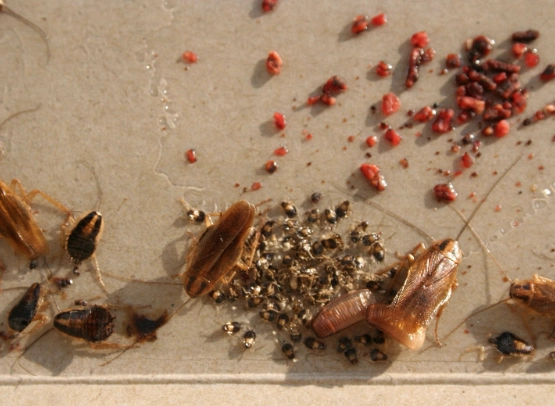
You'll notice activity peaks on warm evenings. They also gravitate to warm spots—the motor compartment of refrigerators, the area behind electronics, and near hot water pipes.
How to Exploit Their Weaknesses: A Practical Action Plan
Knowing what they need tells us exactly what to take away. This isn't about one magic product; it's about a sustained campaign of environmental modification.
Step 1: The Thorough Inspection (Be the Detective)
Grab a flashlight and a mirror. Look specifically for the four pillars after 10 p.m., when they're most active. Check under sinks, behind appliances, inside cabinets. Look for fecal spotting (like coffee grounds or black pepper), shed skins, and egg cases.
Step 2: The Elimination Strategy (Remove the Pillars)
Food: Store all dry goods in glass or hard plastic containers. Never leave pet food out overnight. Clean not just surfaces, but the hidden areas behind and under appliances. Take out the trash nightly.
Water: Fix every leak, no matter how small. Use dehumidifiers in damp basements. Wipe down sinks and tubs before bed. Ensure AC drip pans drain properly. Insulate cold water pipes to prevent condensation.
Shelter: Declutter ruthlessly. Seal cracks and crevices with a quality silicone caulk or copper mesh. Install door sweeps. Place screens over vents and drains. Replace cardboard with plastic.
Step 3: Strategic Intervention (When to Use Products)
Once you've made the environment hostile, then you attack the existing population. Use gel baits near harborages—they exploit the cockroach's need for food and water, and the poison gets spread through their colony. Insect Growth Regulators (IGRs) disrupt their reproduction. Dusts like diatomaceous earth can be puffed into wall voids to dehydrate them. Reserve sprays for targeted use, not broad spraying, which often just scatters them.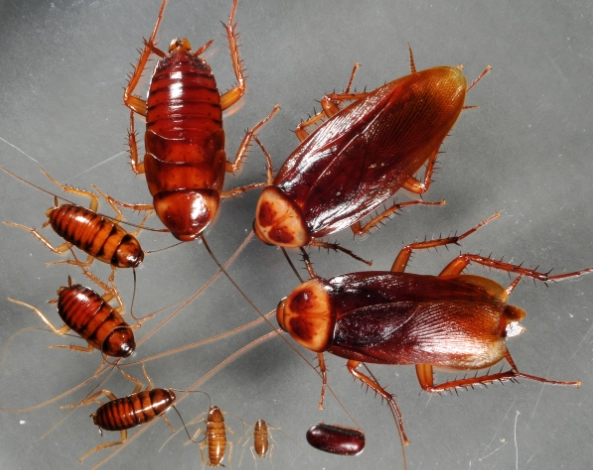
Remember, a clean, dry, sealed home is a fortress. Products are just the moat and arrows.
Your Top Cockroach Survival Questions Answered
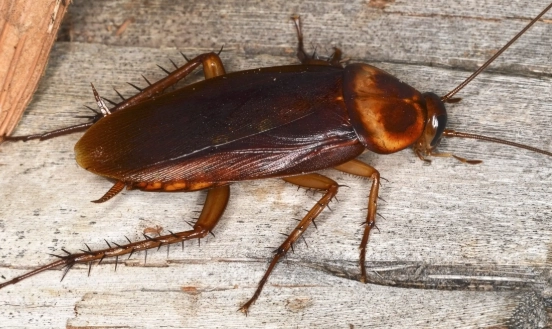
Understanding what cockroaches need to survive transforms the fight from a reactive bug-squashing mission into a strategic siege. You're not just killing pests; you're redesigning your space to be inherently hostile to them. Focus on making your home dry, sealed, clean, and uncluttered. Attack the pillars of their survival, and you'll break the cycle of infestation for good.
LEAVE A REPLY
Your email address will not be published. Required fields are marked *