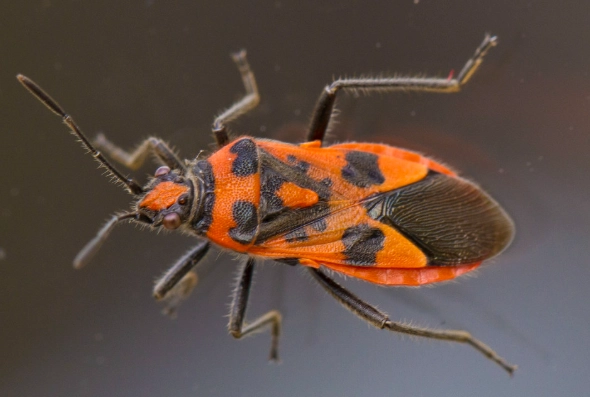
If you've ever spotted a strikingly colored insect with bold black and orange markings, you're not alone. These vibrant bugs are common in gardens, fields, and sometimes even our homes. But what are they? Are they beneficial pollinators, harmful pests, or something else entirely? This guide will help you identify the most common black and orange bugs, understand their behavior, and decide on the best course of action—whether that's welcoming them, managing them, or seeking professional help.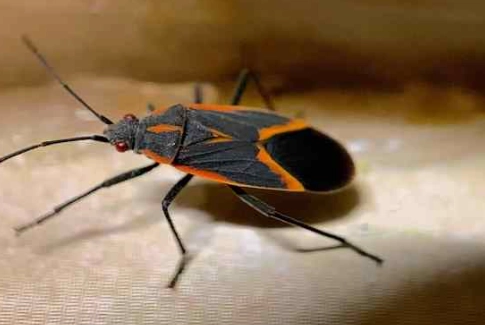
What's Inside?
Common Black and Orange Bug Species
Correct identification is the first and most crucial step. Many insects share similar color patterns but have vastly different roles in the ecosystem. Here are some of the usual suspects:
| Bug Name | Key Identifying Features | Typical Habitat | Primary Diet / Behavior |
|---|---|---|---|
| Large Milkweed Bug (Oncopeltus fasciatus) | Bright orange-red with a broad black band across the middle and black markings at the ends. Elongated oval shape. | On and around milkweed plants. | Feeds on milkweed seeds and sap. Can be found in clusters. |
| Boxelder Bug (Boisea trivittata) | Dark grayish-black with three distinctive red lines on the thorax and red wing veins. Nymphs are bright red. | On boxelder, maple, and ash trees. Gathers on sunny sides of buildings in fall. | Feeds on sap from seed-bearing trees. Nuisance pest that seeks shelter indoors. |
| Harlequin Bug (Murgantia histrionica) | A type of stink bug with a striking, calico-like pattern of black and bright orange. | Vegetable gardens, especially on cabbage, broccoli, kale, and other brassicas. | Piercing-sucking mouthparts that damage plant tissues, causing wilting and staining. |
| Colorado Potato Beetle (Leptinotarsa decemlineata) | Yellow-orange wing covers with 10 distinct black stripes. Round, domed body. | Potato, tomato, eggplant, and pepper plants. | Both adults and larvae are voracious leaf-eaters, capable of defoliating plants. |
| Two-Lined Spittlebug (Prosapia bicincta) | Mostly black with two bright orange or red lines across the wings. Nymphs produce a frothy "spittle." | Lawns, ornamental grasses, and shrubs. | Sucks plant sap, causing grass to yellow and stunt. More of a cosmetic issue. |
| Soldier Beetle | Often orange or reddish with black markings on the wing tips. Soft-bodied, resembling fireflies. | Found on flowers like goldenrod and milkweed. | Adults feed on pollen and nectar; larvae are predators of other insects. Beneficial. |
Friend or Foe? Assessing the Impact
Not every bug is a pest. In fact, many are harmless or even helpful. Here’s how to quickly gauge whether your black and orange visitor needs action.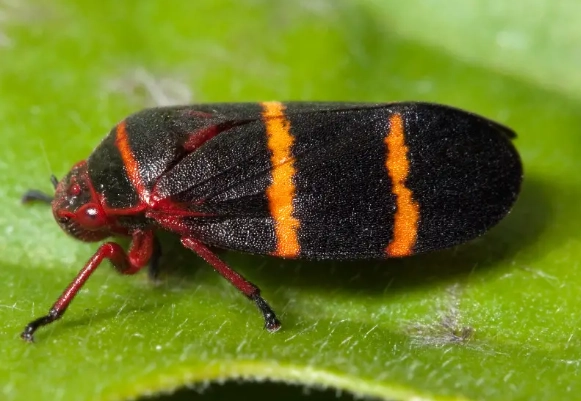
Likely Beneficial or Harmless
Soldier Beetles and their larvae are predators, eating aphids, caterpillars, and other soft-bodied pests. They're gardeners' allies. Most ladybugs (though not all are red with black spots; some are orange with black patterns) are also voracious aphid eaters.
Milkweed Bugs are specialized to milkweed. In a dedicated butterfly garden, they compete with monarch caterpillars for food, which can be problematic. But in a wild setting, they're simply part of the milkweed ecosystem and rarely cause significant damage to established plants.
Likely Pests (Nuisance or Damaging)
Boxelder Bugs are the classic nuisance insect. They don't bite, sting, or cause structural damage, but their sheer numbers and tendency to invade homes in autumn make them unwelcome guests. I once had hundreds clustering on a sunny wall—it was unsettling, even though I knew they were harmless.
Harlequin Bugs and Colorado Potato Beetles are true agricultural pests. They can decimate crops. The Harlequin Bug's feeding causes white blotches on leaves and can stunt or kill young plants.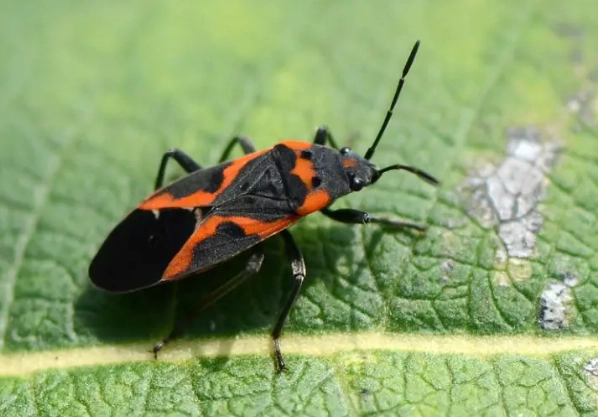
Practical Management Strategies
The best approach depends on the species and the level of infestation. Always start with the least toxic method.
For Nuisance Bugs (Boxelder Bugs, Cluster Flies)
- Exclusion: This is key. In late summer, seal cracks around windows, doors, siding, and utility penetrations with caulk or weatherstripping. Install fine mesh screens over vents in the attic and crawlspace.
- Vacuuming: For bugs that have already entered, use a vacuum cleaner with a hose attachment. Empty the bag or canister immediately into an outdoor trash bin.
- Reduce Attractants: Consider removing female (seed-bearing) boxelder trees from near your home's foundation.
For Garden and Plant Pests
- Hand-Picking: For smaller infestations of Colorado Potato Beetles or Harlequin Bugs, physically remove the eggs, larvae, and adults and drop them into a bucket of soapy water. Check the undersides of leaves.
- Row Covers: Use lightweight fabric row covers to physically block bugs from reaching young plants.
- Targeted Insecticidal Soap: Insecticidal soaps can be effective against soft-bodied nymphs if sprayed directly. They have minimal residual impact on beneficial insects. Always test on a small area first and follow label instructions.
- Encourage Beneficials: Plant a diverse garden with flowers that attract predatory insects like soldier beetles, ladybugs, and parasitic wasps, which will help keep pest populations in check naturally.
Chemical pesticides should always be a last resort due to their impact on pollinators and other beneficial insects. If you must use them, choose products specifically labeled for the target pest and apply them carefully, following all safety guidelines.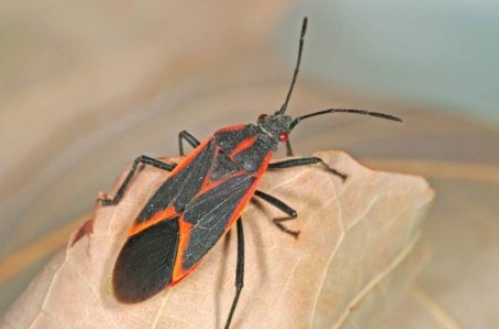
Frequently Asked Questions
Understanding the black and orange bugs in your environment empowers you to make informed decisions. By identifying them correctly, you can protect your plants, home, and beneficial insect populations effectively. When in doubt, consulting with a local cooperative extension service or a licensed pest management professional can provide tailored advice for your specific situation.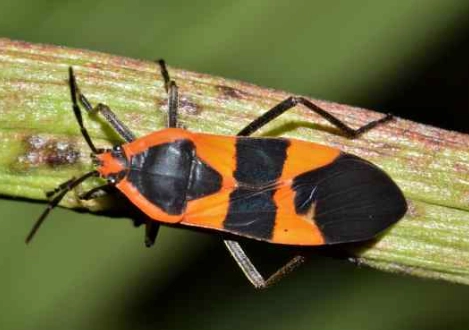
LEAVE A REPLY
Your email address will not be published. Required fields are marked *