You wake up with itchy, red bites in a line or cluster. Your mind races. Could it be? A frantic search online begins: how do you get bed bugs in the first place? The answers often feel vague and scary. Let's cut through the noise. Bed bugs don't magically appear because your home is dirty. They're expert hitchhikers, and understanding their travel routes is the first step to keeping them out for good.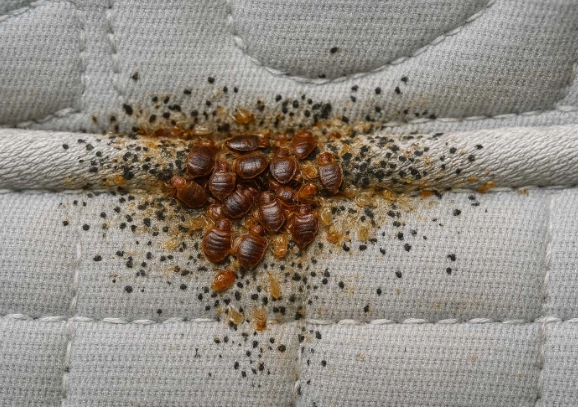
I've dealt with enough infestations to tell you that panic is the worst response. Knowledge is your best defense. This isn't about scare tactics; it's about giving you a clear, practical map of the risks.
Quick Navigation: How Bed Bugs Find Their Way In
The #1 Source: Travel and Hotels
If I had to bet on one way most people get bed bugs, this is it. Five-star resort or budget motel, it doesn't matter. Bed bugs are equal-opportunity pests. They get into hotels via previous guests' luggage and set up shop in mattresses, headboards, and upholstered chairs.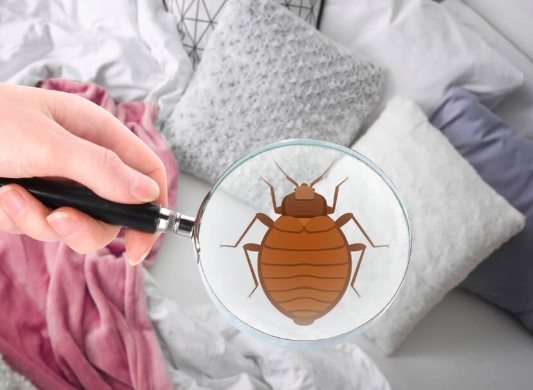
Here's the mistake I see: people think a clean-looking room is a safe room. Wrong. Bed bugs have nothing to do with sanitation. Your inspection routine is everything.
The 4-Point Hotel Room Check (Do this before you unpack a single sock):
- Pull back the sheets and inspect the mattress seams, especially at the corners. Look for tiny rust-colored stains (fecal spots), pale yellow shed skins, or the bugs themselves (apple seed size, flat, brown).
- Check behind the headboard if it's attached to the wall. This is a prime hiding spot often missed.
- Look in the drawers of the nightstand and dresser.
- Inspect upholstered furniture, like the chair or sofa near the bed.
Found something? Don't just ask for a new room. Ask for a room that is not adjacent (above, below, or beside) the infested one. Bed bugs can travel through wall voids.
Pro Tip: Keep your luggage on the luggage rack, in the bathtub, or on a hard surface floor—never on the bed, sofa, or carpeted floor until your inspection is complete. When you get home, unpack directly into the washing machine on high heat and tumble dry everything possible. Suitcases can go in a black plastic bag in the hot sun for a few hours or be carefully vacuumed.
The Secondhand Gamble: Furniture and More
That beautifully vintage armchair on the curb? The seemingly perfect mattress for sale online? Major red flags. Bringing used furniture, especially upholstered items and mattresses, into your home is one of the most direct ways to get bed bugs.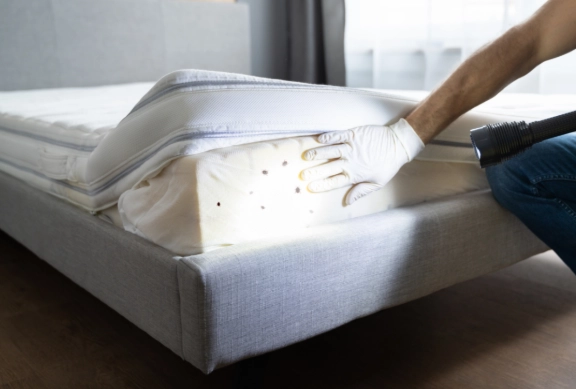
People often think, "It looks fine." But bed bugs excel at hiding in seams, folds, screw holes, and even inside the frame. A light visual inspection won't cut it.
| Item | Risk Level | Essential Pre-Check |
|---|---|---|
| Mattresses/Box Springs | Extremely High | Inspect every seam, tag, and fold. Look under the fabric covering on the bottom. Often not worth the risk. |
| Upholstered Sofas & Chairs | Very High | Check all seams, cushions (top and bottom), zippers, and underneath the item. Use a flashlight and a credit card to probe crevices. |
| Wooden/Dressers/Tables | Moderate | Check screw holes, joints, drawers, and any cracks in the wood. They can hide here too. |
| Electronics & Appliances | Moderate (but serious) | Used TVs, gaming consoles, or alarm clocks near a bed can harbor bugs seeking warmth. Inspect vents and openings. |
| Books & Clothing | Low to Moderate | Inspect bindings of books. For clothing, wash and dry on high heat immediately. |
My rule? If you must bring in used upholstery, consider a professional heat treatment for the item in a truck or chamber before it crosses your threshold. For other items, a quarantine period in a garage or sealed in a plastic bag for a week or two can reveal any hidden problems.
The Unseen Threat: Multi-Unit Buildings
This is the frustrating one. You can do everything right and still get bed bugs because a neighbor has them. Apartments, condos, dormitories, and even attached townhouses are vulnerable. Bed bugs are mobile. They can crawl through tiny cracks in walls, floorboards, along plumbing lines, and through electrical conduits.
I've seen infestations travel from one unit to another via a shared wall outlet. The biggest issue here is often delayed reporting. A neighbor might be trying to handle the problem secretly or doesn't realize they have it, allowing the population to grow and spread.
What to do: If you live in a multi-unit building and suspect bed bugs, report it to management immediately. A coordinated treatment plan for adjacent units is often necessary for complete elimination. Check your lease; it should outline pest control responsibilities. Proactive building-wide monitoring, as suggested by resources from authorities like the U.S. Environmental Protection Agency (EPA), can catch problems early.
Your Daily Routine: Work, School, and Transit
Think about it. You sit in a shared office chair, plop your bag on the floor in a movie theater, or squeeze into a crowded subway car. These are all potential, though lower-probability, contact points.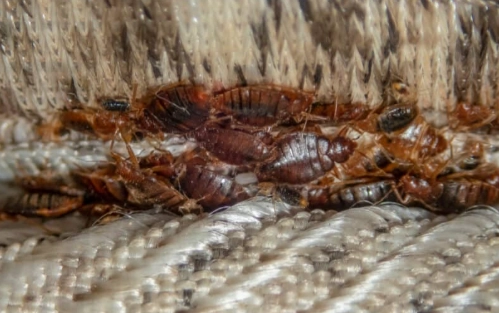
The risk isn't as high as bringing home an infested mattress, but it's not zero. Bed bugs are opportunistic. If one crawls onto your backpack or the cuff of your pants during your commute, it's got a free ride home.
This is where awareness matters more than paranoia. You don't need to inspect every bus seat. Just be mindful. At work, maybe don't store your coat or bag under your desk or on a cluttered, fabric-lined floor. Use a dedicated hook or a hard chair. In waiting rooms, choose a metal or plastic chair over a heavily upholstered one if you can.
Unexpected Guests: Visitors and Their Belongings
It's an awkward thought, but yes, a visitor can inadvertently bring bed bugs into your home. Their bag, coat, or even laptop case could be carrying a hitchhiker from their own infested home, a previous hotel stay, or a visit elsewhere.
This is delicate. You can't exactly frisk your guests. But you can create habits that minimize risk without being rude. Have a designated spot for coats—a hall closet with a hard floor is better than tossing them on a bed. Offer a luggage rack or a clear table surface for overnight guests' bags instead of having them place them on carpeted bedrooms or guest room beds.
Common Misconception: "Bed bugs only live in beds." False. While they prefer to be near their food source (you), they will hide anywhere close by: in nightstands, behind picture frames, inside electronics, along baseboards, and in the seams of chairs and sofas. Treating only the bed is a surefire way to fail.
Your Action Plan: How to Stop Them Before They Start
Knowing how you get bed bugs is useless without a prevention strategy. This isn't about living in fear; it's about building smart habits.
Create a First Line of Defense
Encase your mattress and box spring in bed bug-proof encasements. These are zippered covers that trap any existing bugs inside (where they die) and prevent new ones from getting into the seams of your mattress—their favorite harborages. It's one of the most cost-effective investments you can make.
Reduce Clutter, Especially Near Sleep Areas
Clutter is a bed bug's best friend. It gives them endless hiding places and makes inspections and treatments a nightmare. Keep floors clear, and avoid storing items under the bed. If you do, use plastic bins, not cardboard boxes.
Be Vigilant After Any Risk Event
Coming back from a trip? Had a visitor stay over? Brought home a new (or new-to-you) item? That's the time for extra vigilance. Monitor for signs: bites, tiny blood spots on sheets, or the bugs themselves. Simple, inexpensive interceptor traps placed under bed legs can catch crawling bugs and provide early warning.
Early detection is everything. A small, localized problem is far easier and cheaper to fix than a full-blown infestation that has spread throughout your home.
Your Bed Bug Questions, Answered
What is the most common way people get bed bugs?
Can you get bed bugs from visiting someone's house?
How likely is it to get bed bugs from a library book or thrift store item?
If I find one bed bug, does it mean I have an infestation?
The bottom line is this: bed bugs are a pest of opportunity, not a reflection on you or your cleanliness. By understanding the five main ways they get in—travel, secondhand goods, neighboring units, daily life, and visitors—you shift from being a passive target to an active defender of your space. Start with the simple habits: inspect after travel, be cautious with used furniture, and reduce clutter. It makes all the difference.
LEAVE A REPLY
Your email address will not be published. Required fields are marked *