You're cleaning out a closet or moving a piece of furniture, and there they are: tiny, hairy, black bugs with white spots, scurrying away from the light. Your first thought might be "bed bugs," but the pattern is wrong. Your second thought is probably a mix of disgust and panic. Take a breath. You've most likely found carpet beetle larvae, and while they're a nuisance, they're a problem you can solve. I've dealt with these in old apartments and helped clients tackle them for years. The biggest mistake people make is going straight for the bug spray. That almost never works long-term. Let's break down what you're really dealing with.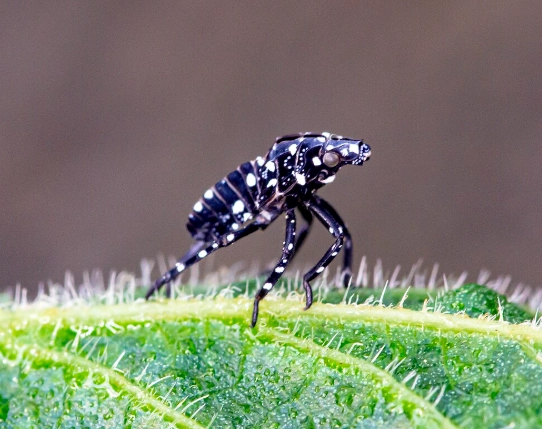
What You’ll Find in This Guide
What Are These Tiny Black Bugs with White Spots?
The creature you're looking at is almost certainly the larva (the immature stage) of a carpet beetle. The adult beetles are small, round, and often patterned, but they're not the ones eating your sweaters. It's their babies. These larvae are elongated, covered in stiff hairs (which look like tiny bristles), and typically have a series of light and dark bands, often appearing as distinct white spots or stripes on a dark brown or black background.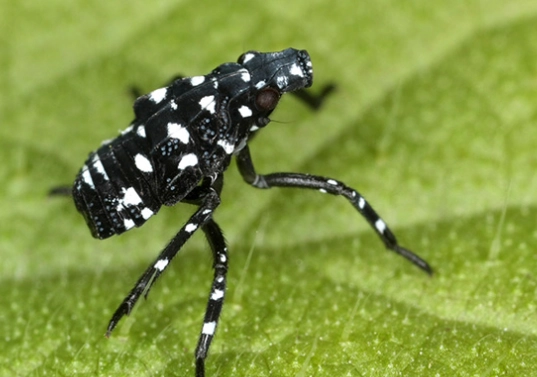
They're slow movers. If you see a fast, tiny black bug, it's probably something else (like a spider beetle). These guys waddle.
Quick ID Check: About 1/4 inch long (4-5 mm). Dark color with light, irregular bands or tufts of hair. Looks "hairy" or "bristly." Often found alone or in small groups in dark, undisturbed places.
It's easy to confuse them with other pests. Here’s a simple breakdown I use in the field:
| Pest | Key Identifying Feature | Common Location |
|---|---|---|
| Carpet Beetle Larvae (Your likely culprit) | Hairy, banded/spotty, slow-moving. | Closets, under furniture, edges of carpets, inside upholstery. |
| Bed Bug Nymphs | No spots, flat, apple-seed shaped, fast crawlers. | Seams of mattresses, bed frames, headboards. |
| Fleas | Laterally flattened, jump extremely high. | On pets, pet bedding, carpets. |
| Booklice | Very soft-bodied, pale, almost translucent. | Damp areas, books, stored paper. |
I once had a client convinced they had termites because they found "bugs with stripes" in their basement. They'd spent hundreds on a termite inspection before someone finally looked at a sample under a magnifying glass. Carpet beetle larvae. Knowing what you're fighting is 80% of the battle.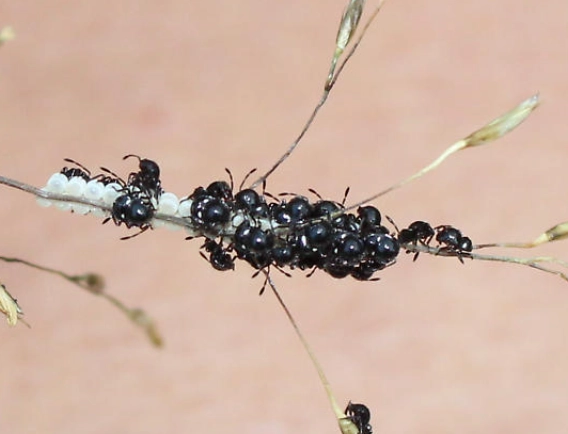
Why You Should Care: The Damage They Cause
These aren't just creepy crawlies; they're hungry. Their diet consists of keratin, a protein found in animal-based materials. Think of them as nature's tiny, destructive recyclers, but in your house.
What they eat:
- Wool: Sweaters, carpets, rugs, blankets. They'll chew irregular holes.
- Silk: Expensive garments, heirloom textiles.
- Fur & Feathers: Taxidermy mounts, feather pillows/dusters, fur coats.
- Leather: Jackets, bags, furniture.
- Even synthetic blends: If stained with food or sweat, they'll go for it.
The damage is often worse than from moths. Moths make clean holes. Carpet beetle larvae scrape and shred, leaving surfaces looking thinned out or frayed. I've seen a vintage Persian rug with the pile completely eaten away in a corner under a heavy cabinet.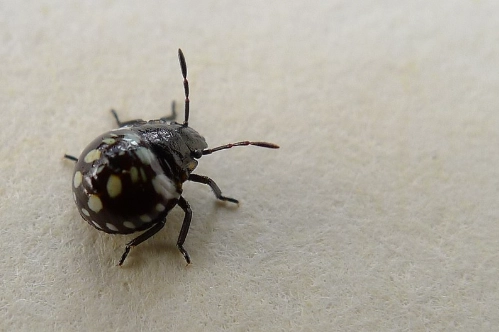
And it's not just your stuff. For some people, those bristly hairs on the larvae can break off and become airborne, causing skin irritation, rashes, or respiratory issues that are often mistaken for allergies or bed bug bites. It's a double whammy.
How to Get Rid of Carpet Beetle Larvae: A Step-by-Step Plan
Forget the one-step spray. You need a campaign, not a skirmish. This is a three-phase approach I've refined over time.
Phase 1: The Deep Clean (The Most Important Step)
This is non-negotiable. You're removing food sources, eggs, and larvae.
Vacuum like you mean it. Don't just run the vacuum in the middle of the room. Use the crevice tool on every baseboard, floorboard, corner, and edge of carpet. Get under all furniture—move the couch, the bed, the dresser. Vacuum upholstered furniture thoroughly, especially the undersides and seams. Empty the vacuum canister or bag immediately into a sealed plastic bag and take it outside. If you use a bagless vacuum, clean the canister with soapy water.
Launder everything. Any fabric item from the infested area that can be washed, should be. Use the hottest water the fabric allows (heat above 120°F/49°C kills all stages). For dry-clean-only items (wool suits, silk), take them to a professional and tell them about the potential infestation.
This phase alone can solve minor problems. But most people stop here.
Phase 2: Locate and Eliminate the Source
This is where you play detective. Where are the adults laying eggs? Larvae can wander, but the heaviest infestation is near the egg-laying site. Check these often-missed spots:
- Attics and crawl spaces: Look for old bird or rodent nests. These are prime breeding grounds. The University of Kentucky's Entomology Department notes that carpet beetles often originate from such nests.
- Air ducts and vents: Lint and dust accumulation is a buffet.
- Behind and under permanent fixtures: Kitchen kickboards, built-in cabinets.
- Inside stored products: Bags of dog food, bird seed, or old cereal.
Remove any nests or heavily infested debris you find. This step breaks the life cycle.
Phase 3: Targeted Treatment (If Needed)
If cleaning and source removal aren't enough, consider a targeted insecticide. Never spray insecticides broadly on carpets or fabrics. It's ineffective and can leave residues.
Instead, use a residual dust or spray labeled for carpet beetles in cracks, crevices, and voids where they travel—baseboard gaps, under edges of carpets, inside wall voids where you found a nest. Products containing diatomaceous earth or insect growth regulators (IGRs) like methoprene are excellent choices. IGRs are a pro tip—they don't kill adults but prevent larvae from maturing, stopping the cycle over time.
Avoid the Big Mistake: Don't bother with total-release "bug bombs" or foggers. They scatter pests deeper into walls and leave a toxic residue on surfaces without penetrating the areas where larvae actually live. It's a waste of money and creates a bigger mess.
How to Prevent Future Infestations
Prevention is about making your home unappealing. It's ongoing but simple.
Storage is key. Store off-season woolens, furs, and silks in sealed plastic containers, not cardboard boxes or cloth bags. Add mothballs or cedar blocks inside the containers if you like, but the seal is what matters most.
Regular vacuuming of edges and under furniture should become part of your routine. It picks up lint and hair that feed early-stage larvae.
Seal entry points. Install fine mesh screens over attic vents, chimney openings, and crawl space accesses to prevent adult beetles from flying in.
Inspect incoming items. Second-hand furniture, rugs, or decorative items should be inspected and thoroughly vacuumed or cleaned before bringing them inside. I once traced an infestation back to a beautiful (but infested) vintage rug bought at a flea market.
Finally, manage wildlife. Discourage birds from nesting in your eaves and rodents from entering your home. They bring the pests with them.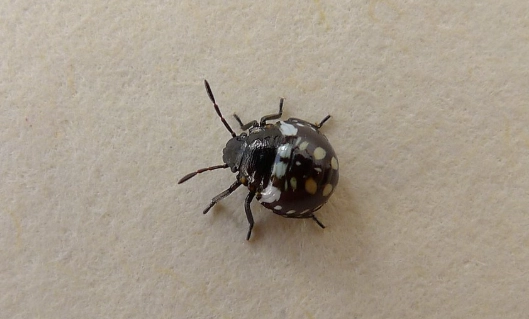
It feels overwhelming when you first see them. But it's a manageable problem. Start with the deep clean, think like a detective to find the source, and seal up your valuables. You'll get your peace of mind back.
Your Questions, Answered
Are tiny black bugs with white spots dangerous to humans?
The bugs themselves don't bite or sting, but their tiny hairs can cause allergic reactions in some people, like rashes or itchy welts. The real danger is to your belongings. They're voracious eaters of natural fibers like wool, silk, fur, and feathers, silently ruining clothes, carpets, and heirlooms.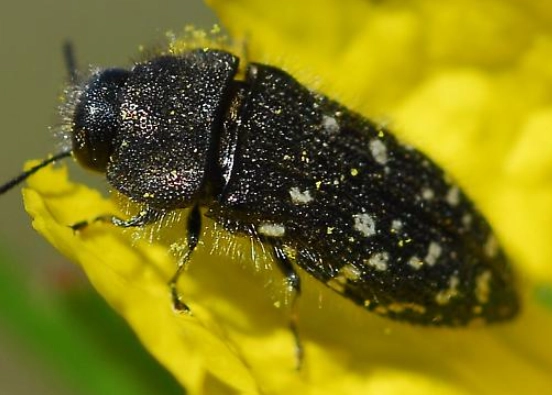
I found carpet beetle larvae in my closet. Do I need to throw everything away?
Not necessarily. First, isolate the infested items in sealed plastic bags. For washable fabrics, a hot water cycle (above 120°F/49°C) kills all life stages. For dry-clean-only or delicate items, professional cleaning is your safest bet. Thoroughly vacuum the entire closet, including corners, shelves, and baseboards. Freezing items for at least 72 hours in a deep freezer is also effective for non-washables.
I keep vacuuming, but the tiny black bugs keep coming back. What am I missing?
This is the most common frustration. Vacuuming removes visible larvae and eggs, but misses the hidden source. Adult carpet beetles fly and often lay eggs in undisturbed, dark areas you haven't checked: under heavy furniture, inside air vents, in the attic insulation, or in rodent/insect nests in wall voids. The key is finding and eliminating these breeding sites. Inspect thoroughly, and consider using insect growth regulators (IGRs) in voids to break their life cycle.
What's the fastest way to kill carpet beetle larvae I see right now?
For immediate knockdown of visible larvae, a vacuum cleaner is your best tool. It physically removes them. Avoid spraying insecticides directly on fabrics, as it can stain and may not penetrate deep into fibers where larvae hide. For cracks and crevices where they crawl, a residual insecticide dust containing diatomaceous earth or silica gel can be effective and long-lasting. Remember, fast kill is just step one; the follow-up cleaning and source-finding are what prevent a comeback.
LEAVE A REPLY
Your email address will not be published. Required fields are marked *