Let's be honest. The sight of a wasp near your picnic table or, worse, the discovery of a nest under your eaves, triggers a specific kind of dread. It's not just about a sting. It's about losing your outdoor space, worrying about kids or pets, and facing a problem that seems both dangerous and tricky to solve. I've dealt with wasps professionally for years, and I've seen every mistake in the book. This guide cuts through the noise. We're not just talking about wasps; we're talking about reclaiming your summer.
Quick Guide: What You'll Find Here
How to Identify Common Wasp Species (It Matters More Than You Think)
Not all wasps are created equal. Knowing which one you're dealing with changes your strategy completely. Spraying a paper wasp nest requires a different approach than dealing with ground-dwelling yellow jackets. Misidentify them, and you could be in for a world of hurt.
The three you'll most likely encounter are paper wasps, yellow jackets, and hornets. Here’s the breakdown.
| Species | Nest Appearance & Location | Behavior & Aggression | Key Identifier |
|---|---|---|---|
| Paper Wasp | Open-celled, umbrella-shaped comb, often gray. Under eaves, porch ceilings, inside grills. | Less aggressive. Usually stings only if nest is directly threatened. | Long, slender body with dangly legs in flight. Narrow "waist." |
| Yellow Jacket | Papery envelope, often in ground holes, wall voids, or occasionally aerial. Nest interior has layered combs. | Highly aggressive, especially in late summer. Will sting repeatedly to defend nest. | Bright yellow and black bands, shorter, stockier body. Loud buzzing flight. |
| Bald-Faced Hornet | Large, football-shaped aerial nest, gray with a papery shell. In trees, shrubs, or on structures. | Very defensive of their nest perimeter. Can sting multiple times. | Black with white/ivory markings on face and abdomen. Larger than yellow jackets. |
One subtle mistake I see constantly? People calling any striped flying insect a "bee." Wasps have a smooth stinger they can use multiple times. Bees have a barbed stinger and die after one sting. Wasps are also carnivores/scavengers (think your burger and soda), while bees are fuzzy vegetarians focused on pollen. Mixing them up leads to the wrong response.
When Identification Gets Critical
If the nest is in your wall, attic, or deep in the ground, you're likely dealing with yellow jackets. This is a red flag. DIY removal here is high-risk. Disturbing the nest can send hundreds of angry wasps into your living space. I once got a call from a homeowner who tried to plug a hole in their siding, only to have yellow jackets chew through the drywall in a bedroom the next day. Not a fun surprise.
How to Prevent Wasp Nests from Forming
Prevention is about making your property less appealing than your neighbor's. It's a spring and early summer game. Once a colony is booming in August, it's too late for prevention.
Your goal is to stop the founding queen in April/May. She's alone, looking for a spot to start her colony.
- Seal Up Early: Early spring is inspection time. Check under decks, inside sheds, under eaves, and around attic vents. Seal cracks and holes with caulk or steel wool. Pay special attention to areas where pipes or wires enter your home.
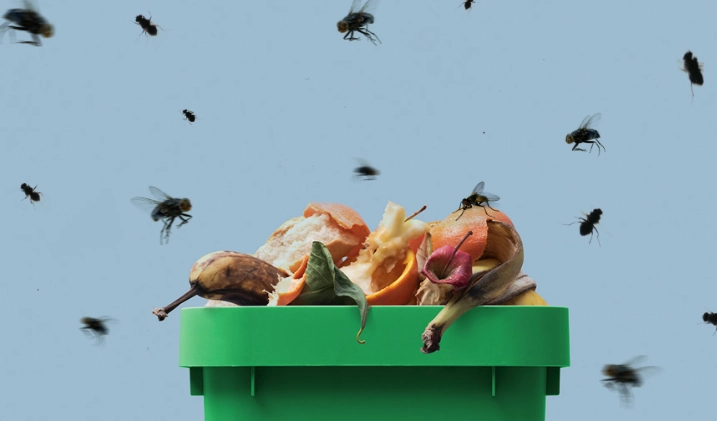
- Manage Food Sources: This is huge. Keep trash cans tightly sealed. Clean up fallen fruit from trees. If you eat outside, clear plates and drinks quickly. Don't leave pet food sitting out. Yellow jackets are especially attracted to proteins and sweets.
- Use Decoys (With Realistic Expectations): Those fake paper nests you can buy? They can work as a deterrent for a queen scouting a new location, as wasps are territorial. Hang a couple under your eaves in early spring. But if a nest is already established nearby, a decoy won't make them leave. It's a preventive tool, not a solution.
- Consider Natural Repellents: Planting spearmint, thyme, or eucalyptus around sitting areas may offer mild deterrence. Some people swear by spraying a mix of peppermint oil and water. The effect is temporary and needs frequent reapplication, but it's harmless to try.
How to Safely Remove a Wasp Nest
You've found a nest. Now what? Your decision tree is simple: Can I do this safely, or should I call a pro?
The DIY Route: For Small, Accessible Nests
This is only for small paper wasp nests (a few inches across) or very early-stage nests in open, reachable locations.
Timing is Everything: Attack at night or just before dawn. All the wasps are in the nest, and they are sluggish and less aggressive. Never, ever do this during the day.
Gear Up: Wear long sleeves, pants, gloves, and closed-toe shoes. Tuck your pants into your socks. Use a bee veil if you have one. Safety glasses are a must.
The Tools: Use a commercial wasp and hornet spray with a jet stream that can reach 10-20 feet. Read the label. The good ones allow you to spray from a distance, soaking the nest entrance. Don't use a general-purpose insecticide.
The Process: 1. Approach the nest slowly and quietly with a flashlight covered in red cellophane (wasps don't see red light well). 2. From your maximum distance, saturate the nest entrance thoroughly. 3. Leave the area immediately and let the spray work overnight. 4. The next day, knock down the nest with a long pole and dispose of it in a sealed bag.
When to Call a Professional Pest Control Service
Call a pro if:
- The nest is large (bigger than a fist).
- It's located in a wall, attic, underground, or any enclosed space.
- It's a yellow jacket or hornet nest.
- You or a family member is allergic to stings.
- The nest is high up or difficult to access safely.
- You're simply not comfortable doing it yourself.
Professionals have stronger insecticides, protective gear, and the experience to handle complex situations. They might use dust formulations for wall voids that wasps track deep into the nest. The cost is worth the safety and guarantee.
Your Wasp Questions Answered
The bottom line with wasps is respect, not panic. Understand their behavior, take smart preventive steps, and know your limits. Your backyard should be a place for relaxation, not an insect battlefield. With the right knowledge, you can keep it that way.

Comments