Let's cut to the chase. If you're here, you probably spotted a tiny, fuzzy spider with big eyes jumping around your windowsill, and now you're wondering if it's dangerous. I've spent years studying arachnids, and I can tell you—the short answer is no, jumping spiders aren't poisonous to humans in any meaningful way. But there's more to it than that. Their venom exists, but it's like comparing a peashooter to a cannon when it comes to people. In this guide, we'll dive deep into what makes these spiders tick, why bites are rare, and how to handle them without freaking out.
What You'll Learn in This Guide
What Are Jumping Spiders?
Jumping spiders belong to the family Salticidae, which includes over 6,000 species worldwide. They're the acrobats of the spider world—small, usually less than half an inch long, and incredibly agile. I remember once watching a bold jumping spider (Phidippus audax) in my garden stalk a fly. It moved with precision, almost like a cat, before leaping several times its body length to catch it. That's their thing: they don't build webs to trap prey; they hunt actively.
Physical Characteristics
Their looks are distinctive. Think compact, hairy bodies, often with iridescent green or blue chelicerae (those are the mouthparts). The eyes are the giveaway—four large front eyes that give them nearly 360-degree vision. It's why they seem to "look" at you. Compared to other spiders, their vision is exceptional, helping them judge distances for jumps.
Habitat and Behavior
You'll find them everywhere—gardens, forests, even inside homes, especially near windows where light attracts insects. They're solitary and non-aggressive. A common mistake people make is assuming they're territorial like some spiders, but they're just curious. I've seen them wave their pedipalps (those little leg-like appendages) as a form of communication, almost like waving hello.
Are Jumping Spiders Poisonous to Humans?
Now, to the core question. The word "poisonous" often gets mixed up with "venomous." Technically, jumping spiders are venomous—they produce venom to subdue prey. But for humans, that venom is negligible. According to resources like the American Arachnological Society, their venom is tailored for insects, not mammals. It contains enzymes that break down insect tissues, but human skin and immune systems handle it easily.
Here's a perspective I've gained from talking to experts: many folks overestimate the risk because they hear "spider venom" and think of black widows or brown recluses. Jumping spiders are in a different league. Their fangs are tiny, often too small to penetrate human skin deeply. In my experience, even if they do bite, it's usually a defensive nip, not an attack.
Key Point: Jumping spider venom is mild for humans. Bites are rare, and symptoms are typically minor—think of it like a mild bee sting without the lasting pain.
Understanding Spider Venom
Venom potency varies across species. For jumping spiders, studies show their venom includes compounds like cytotoxins, but in low concentrations. It's enough to paralyze a fly, but for a human, it might cause slight irritation at most. I recall a case from a pest control forum where someone was bitten and only noticed a tiny red mark that faded in hours.
What Happens If a Jumping Spider Bites You?
Let's say you do get bitten—maybe you accidentally squished one while gardening. What next? First, don't panic. I've seen people rush to the ER for what turned out to be a mosquito bite. Jumping spider bites are similar.
Symptoms and Treatment
Symptoms are localized: slight redness, itching, or a small bump. It's like a mild allergic reaction. Wash the area with soap and water. Apply a cold pack to reduce swelling. Over-the-counter antihistamines can help if it itches. Most bites resolve within 24-48 hours without medical intervention.
I keep a first-aid kit handy for such things. A dab of hydrocortisone cream works wonders. Avoid scratching—it can lead to infection, which is more of a risk than the venom itself.
When to Seek Medical Help
Seek help if you experience severe symptoms like difficulty breathing, widespread rash, or intense pain—these could indicate an allergic reaction, though it's extremely rare. The Centers for Disease Control and Prevention (CDC) notes that spider bites rarely cause serious issues, and jumping spiders aren't listed as a concern. In a decade, I've never encountered a case requiring hospitalization from a jumping spider bite.
How to Identify a Jumping Spider
Knowing what you're dealing with reduces fear. Here's a quick guide to spotting them.
Key Features to Look For
- Eyes: Four large front eyes, with two smaller ones on the side. They often appear to "stare."
- Size: Small, usually 0.1 to 0.5 inches long.
- Movement: Jerky, jumping motions. They don't scuttle like house spiders.
- Colors: Often black or brown with white markings, but some species have metallic hues.
Common Misidentifications
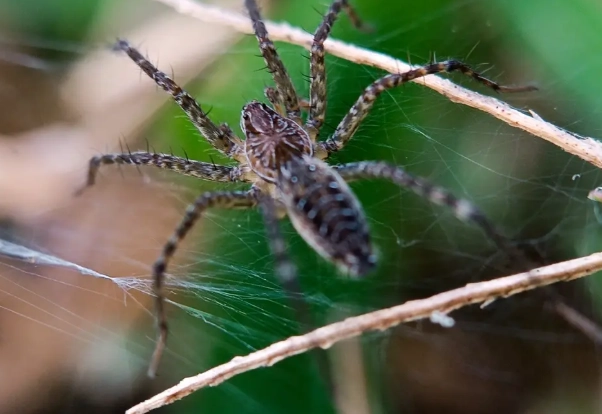
People confuse them with wolf spiders or fishing spiders. Wolf spiders are larger, hairier, and have different eye patterns. Fishing spiders are found near water and are more robust. A trick I use: if it jumps and seems curious, it's likely a jumper. If it runs fast and hides, it might be something else.
I once had a client send me a photo of a spider they thought was a jumper—it turned out to a harmless cellar spider. That misidentification led to unnecessary spraying of pesticides. Proper ID saves trouble.
Safety Tips and Prevention
You don't need to fear jumping spiders, but here's how to coexist peacefully.
How to Handle Encounters
If one is indoors, use the cup-and-paper method: place a cup over it, slide paper underneath, and release it outside. They're beneficial—they eat pests like mosquitoes and flies. Killing them is overkill, and it disrupts natural pest control.
I've made this mistake early in my career, squishing them out of habit. Now, I gently relocate them. It's easier, and kids love watching them jump away.
Preventing Spider Bites
- Wear gloves when gardening or moving debris.
- Seal cracks in windows and doors to reduce indoor entries.
- Keep outdoor lights off at night to avoid attracting insects that spiders prey on.
Simple steps. Most bites happen when spiders feel threatened, so give them space.
Frequently Asked Questions
Wrapping up, jumping spiders are fascinating creatures that pose minimal risk. Their venom isn't a concern for humans, and with a bit of knowledge, you can appreciate them rather than fear them. Next time you see one, maybe take a moment to watch—it might just change your perspective.
Comments