Quick Navigation: What This Guide Covers
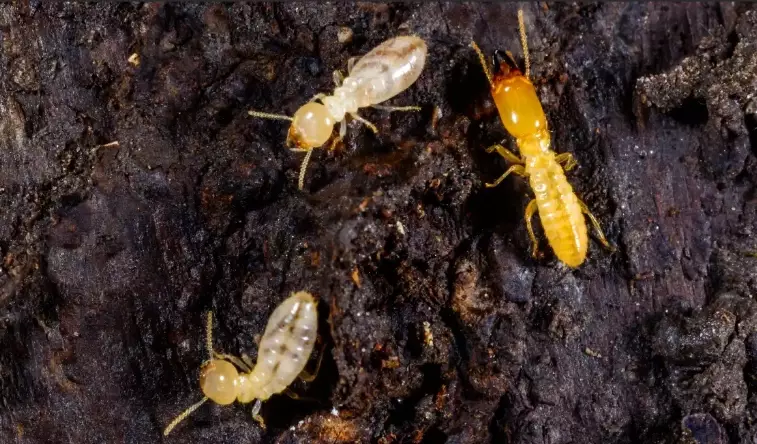
Let's be real. Termites are a homeowner's nightmare. They sneak in, eat your house from the inside out, and by the time you notice, you're facing thousands in repairs. I've spent over ten years as a pest management consultant, and I've seen it all—from minor infestations caught early to entire floor joists reduced to dust. This guide isn't just a rehash of basic tips. I'm giving you the straight talk on how to spot termites before they do real damage, keep them out for good, and handle them if they're already there. No fluff, just actionable advice.
How to Identify Termites: Signs You Should Never Ignore
You won't usually see termites marching around. They're hidden. But they leave clues. Missing these signs is the number one mistake I see.
Mud Tubes: The Subterranean Highway
Subterranean termites, the most common type in many areas, build mud tubes. These are pencil-thin tunnels made of soil and saliva, running up foundations, along pipes, or in crawl spaces. They look like little dirt streaks. A client once called them "weird cracks" and ignored them. Six months later, we found extensive damage in the wall cavities.
Frass: Drywood Termite Calling Card
Drywood termites live inside wood and don't need soil contact. Their giveaway? Frass—tiny, wood-colored pellets they push out of kick-out holes. It piles up like fine sawdust. People often mistake it for dust or debris from renovations. If you see these pellets near window sills, door frames, or attic beams, don't vacuum them up and forget. It's a major red flag.
Structural and Auditory Clues
Tap on wood with a screwdriver. Solid wood sounds firm; termite-damaged wood sounds hollow or papery. Also, look for blistering or darkening on wood surfaces, doors that stick (from frame warping), or even faint clicking sounds in walls (worker termites feeding).
Preventing Termite Infestations: Proactive Measures
Prevention is way cheaper than treatment and repairs. It's about making your property uninviting.
Moisture Control is Non-Negotiable
Termites need moisture. Fix leaky faucets, ensure downspouts direct water away from the foundation, and clean gutters regularly. The Environmental Protection Agency highlights reducing moisture as a key pest prevention step. Use dehumidifiers in basements and crawl spaces. I recommend keeping soil graded so water flows away from the house.
Physical and Chemical Barriers
During construction or renovation, consider physical barriers like stainless steel mesh or sand barriers. For existing homes, soil treatment with termiticides creates a chemical zone. But here's my non-consensus take: many homeowners think one treatment lasts forever. It doesn't. Chemicals degrade. You need periodic re-treatment, often every 5-10 years, depending on the product and soil conditions.
The Inspection Routine You Need
Get a professional inspection once a year. Pest control pros know where to look. Between inspections, do your own quarterly walkaround. Look for mud tubes, frass, wood damage, and any new moisture issues.
Here’s a breakdown of common prevention methods to help you decide:
| Method | Approximate Cost | Effectiveness | Best For / Notes |
|---|---|---|---|
| Soil Treatment (Liquid Termiticide) | $1,200 - $2,500 | High when properly applied | New homes or major renovations; requires professional application. |
| Bait Monitoring Systems | $800 - $1,500 initial + annual monitoring | High for detection & colony elimination | Existing homes, environmentally conscious owners; slower but less intrusive. |
| Moisture Control & Habitat Modification | Low (DIY cost of repairs, dehumidifiers) | Critical foundational step | Every home. Remove wood-to-soil contact, fix leaks, ensure ventilation. |
| Physical Barriers (e.g., Termite Shields) | $500 - $2,000+ (if installed during build) | Moderate to High as a deterrent | New construction only; not a standalone solution. |
Eliminating Termites: Treatment Options Compared
If you've got termites, action is key. But don't just grab the first treatment you see. The right choice depends on termite type, infestation extent, and your home's structure.
Liquid Termiticides: The Perimeter Defense
These are chemicals applied to the soil around the foundation. They kill termites on contact and create a protective barrier. Brands like Termidor are common. Pros: relatively fast results. Cons: they require precise application by a pro, can be disruptive to landscaping, and don't always reach the entire colony if it's deep or widespread. I've seen DIY attempts fail because homeowners didn't dig the trench deep enough or apply the correct volume.
Bait Systems: The Colony Eliminator
Stations are placed in the ground around the property. Termites find the bait, carry it back to the colony, and it slowly wipes them out. Pros: targets the entire colony, less chemical used overall, good for sensitive areas. Cons: it can take 3-6 months to see full results, requires ongoing monitoring, and may not stop damage immediately. For a moderate subterranean infestation, I often lean towards baits because they aim for the queen.
Fumigation (Tenting): The Nuclear Option
For severe drywood termite infestations throughout a structure, fumigation might be the only effective solution. The house is covered with a tent, and a gas penetrates all wood. Pros: comprehensive. Cons: very expensive, requires you to vacate for several days, and kills all insects (good and bad). It's overkill for a localized problem.
Wood treatments and localized injections are options for spot treatments of drywood termites. Always get multiple quotes from licensed, insured professionals. Ask about their treatment plan, warranty, and what it covers.
FAQ: Your Top Termite Questions Answered
Termites are a formidable opponent, but they're not undefeatable. Arm yourself with knowledge. Start with vigilant identification—know those mud tubes and frass piles. Be relentless about prevention, controlling moisture and maintaining your property's perimeter. And if infestation strikes, choose a treatment strategy based on solid advice, not panic. Your home is likely your biggest investment. Protecting it from these silent destroyers is one of the smartest maintenance moves you can make.




Comments