You notice the leaves first. They look dirty, covered in a black, powdery film that won't rub off. Then you see the ants, marching up and down the trunk in a busy line. Finally, you flip a leaf and find them: clusters of odd, flat bugs, some black, some with a weird orange-ish hue, all huddled together under a blanket of white fuzz. Welcome to the world of the "insect black orange" – most likely, you've got a citrus blackfly (Aleurocanthus woglumi) infestation.
This isn't just a cosmetic issue. I've seen neglected Meyer lemon trees lose an entire season's crop to these sap-suckers. The sticky honeydew they excrete rains down, coating everything below in sooty mold and attracting every ant in the zip code. But here's the good news: you can absolutely beat them. This guide isn't just about identifying the pest; it's the battle plan I've refined over years of helping gardeners rescue their trees.
What You'll Learn In This Guide
Getting a Positive ID: Is It Really Citrus Blackfly?
Not every bug on your citrus is the black orange insect. Misidentification leads to wasted time and the wrong treatment. Let's break down exactly what you're looking for.
The term "insect black orange" perfectly describes the immature stage, the nymphs. They don't look like typical bugs. They're scale-like, oval, and flat against the leaf. Early stages might have a translucent orange-brown color. As they mature, they turn jet black but remain outlined in a distinctive white waxy fringe. That's your key visual – a black disc fringed in white, stuck to the underside of a leaf.
Compare it to the common citrus look-alikes:
| Pest | Color/Appearance | Key Distinguishing Feature | Damage Sign |
|---|---|---|---|
| Citrus Blackfly ("Insect Black Orange") | Nymphs: Black with white fringe. Adults: Tiny black flies. | Clusters of flat, scale-like nymphs under leaves. Copious sticky honeydew. | Heavy sooty mold, leaf yellowing, ant highways. |
| Citrus Whitefly | Nymphs: Pale yellow/green, flat. Adults: Tiny, pure white moths. | Nymphs lack the stark black/white contrast. Adults are bright white. | Sooty mold, but often less severe than blackfly. |
| Aphids | Pear-shaped, green, black, or brown. Soft-bodied. | They move. They have legs and antennae (nymphs don't). | Curled, distorted new growth. Honeydew present. |
| Scale Insects (e.g., Florida Red Scale) | Brown, gray, or white bumps. No white fringe. | Hard or waxy protective shell. More scattered, not in dense clusters. | Yellow spots on leaves, branch dieback. |
If you're still unsure, take a clear photo of the underside of an infested leaf and contact your local county extension office. The University of Florida's IFAS Extension has an excellent diagnostic tool. Getting it right here saves you months of headache.
The Real Cost: What These Insects Actually Do to Your Tree
It's easy to think the black stuff is the problem. It's not. The sooty mold is a symptom. The real damage is twofold.
First, the direct assault. Each tiny nymph inserts its straw-like mouthpart into the phloem—the tree's sugar transport system—and drinks the sap. This drains energy directly from the tree. A heavy infestation means thousands of these taps are open 24/7. The tree's growth slows. New leaves might be smaller. Fruit set can be poor, and existing fruit may drop prematurely or remain stunted.
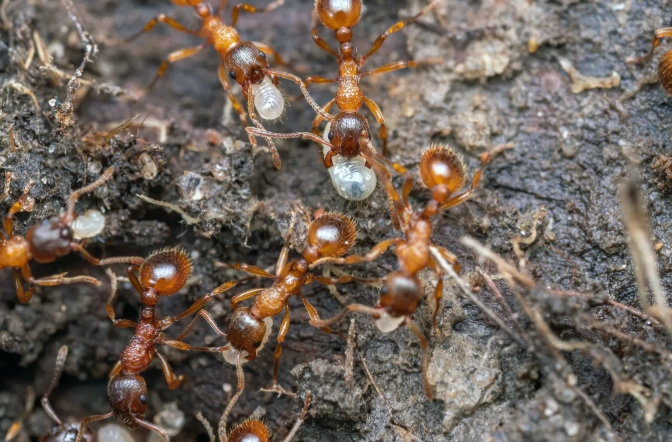
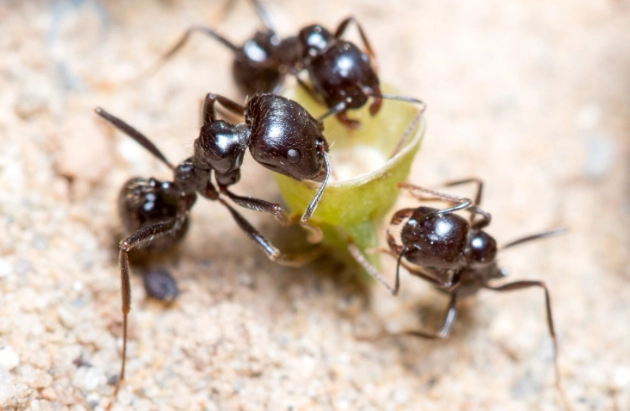
Second, the indirect chaos. The honeydew is like liquid candy. It attracts ants, which then protect the blackflies from their natural enemies like ladybugs and lacewings. I've watched ants aggressively chase off ladybug larvae trying to feed on the nymphs. By farming the blackflies for honeydew, the ants become your enemy's bodyguards.
The 5-Step Control Plan (From Monitoring to Knockout)
Throwing a random insecticide at the problem is how you get resistant pests and dead pollinators. Effective control is a system. Here's the sequence that works.
Step 1: Scouting & Thresholds. Don't spray at the first sign of one nymph. Check your trees every two weeks, especially the tender new growth on the interior of the canopy. The action threshold is when you find several leaves with clusters of nymphs and the honeydew/sooty mold is becoming noticeable. Early intervention is key.
Step 2: Disrupt the Ant Alliance. Before you touch the blackflies, cut off their protection. Apply a sticky barrier like Tanglefoot around the trunk (on top of a protective wrap like duct tape to prevent bark damage). This stops ants from climbing. Alternatively, use ant baits placed around the base of the tree. The ants take the poison back to the nest. Without ants, predator insects can get to work.
Step 3: Deploy Biological Controls. This is your first line of direct attack. Two champions work wonders:
- Lady Beetles (Ladybugs): Specifically, the Delphastus catalinae species is a whitefly and blackfly specialist. They're expensive but effective for greenhouse or patio trees.
- Lacewing Larvae: Often called "aphid lions," these tiny alligators are insatiable predators of soft-bodied pests. You can order eggs or larvae online. Release them at dusk near infestations.
Step 4: Apply Physical/Chemical Treatments. If the infestation is past the point where predators can catch up, you need to reduce numbers.
- Horticultural Oil (Neem Oil or Supreme Spray): My go-to. It smothers eggs and nymphs. The trick is complete coverage—you must spray the underside of every leaf until it's dripping. Repeat in 10-14 days to catch the next generation. Do this in cool morning hours to avoid leaf burn.
- Insecticidal Soap: Works on contact against nymphs. Same thorough coverage rules apply.
- Systemic Insecticides (Imidacloprid): A last resort for severe, recurring infestations in non-flowering landscape trees. Applied as a soil drench, it makes the sap toxic. NEVER use on trees in bloom due to extreme risk to bees and pollinators. The EPA and university extensions have strict guidelines on this.
Step 5: Cultural Maintenance. Keep your tree healthy. A stressed tree is a magnet. Ensure proper watering (deep, infrequent soaks), fertilize appropriately based on a soil test (over-fertilizing with nitrogen creates the soft, juicy growth pests love), and prune to allow good air circulation inside the canopy.
The 3 Mistakes That Keep Gardeners Fighting This Pest Forever
I've consulted on enough backyard citrus groves to see patterns. These are the errors that turn a manageable issue into a perennial nightmare.
Mistake 1: Treating the Leaves but Ignoring the Ants
You spray beautifully. A week later, the ants have marched fresh herds of nymphs up from some hidden reservoir or carried them over from your neighbor's untreated tree. If you don't break the ant highway, you're on a pesticide treadmill. The sticky barrier is non-negotiable.
Mistake 2: The "Once and Done" Spray Mentality
Citrus blackflies have overlapping generations. Eggs hatch constantly. A single spray of oil or soap kills only what it touches—nymphs and adults. It does nothing to eggs already laid, which will hatch days later. You must follow up in 10-14 days to break the lifecycle. Mark it on your calendar.
Mistake 3: Reaching for the Nuclear Option Too Fast
Grabbing a broad-spectrum pyrethroid spray might seem satisfying. It kills everything on contact. But it also wipes out the ladybugs, lacewings, and parasitic wasps that were starting to help you. It creates an ecological vacuum that pests often recolonize faster than predators. Start with the least toxic method (oil, soap) and escalate only if necessary. Preservation of beneficials is a strategic advantage.
Your Top Citrus Blackfly Questions, Answered
Spotting those black and orange insects on your prized citrus tree is alarming, but it's not a death sentence. It's a call to action. Start with a positive ID, break the ant alliance, and follow a systematic control plan that works with nature, not against it. Be patient, be thorough with your sprays, and remember that a healthy tree is your best long-term defense. Now you have the plan—go save your harvest.
Comments