You're reading this because you probably just saw one. A weird, humpbacked, spider-legged insect that launched itself across your basement floor when you turned on the light. Your heart jumped more than it did. That's a camel cricket, also called a cave cricket or spider cricket. They're one of the most common, yet misunderstood, household occasional invaders. The good news? They're harmless. The better news? Getting rid of them and keeping them out is straightforward if you understand their simple, damp-loving biology.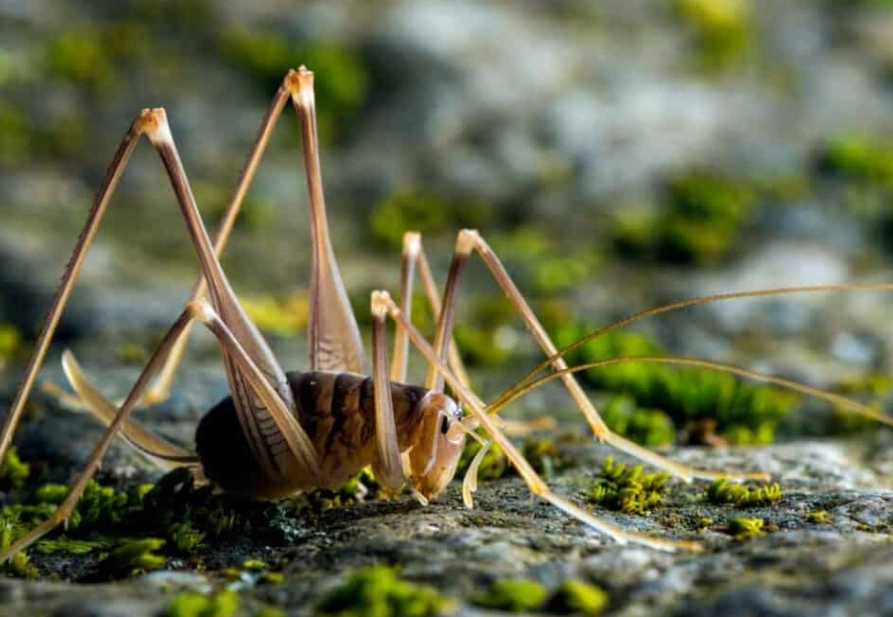
Quick Navigation: What You'll Find Here
What Exactly Are Camel Crickets?
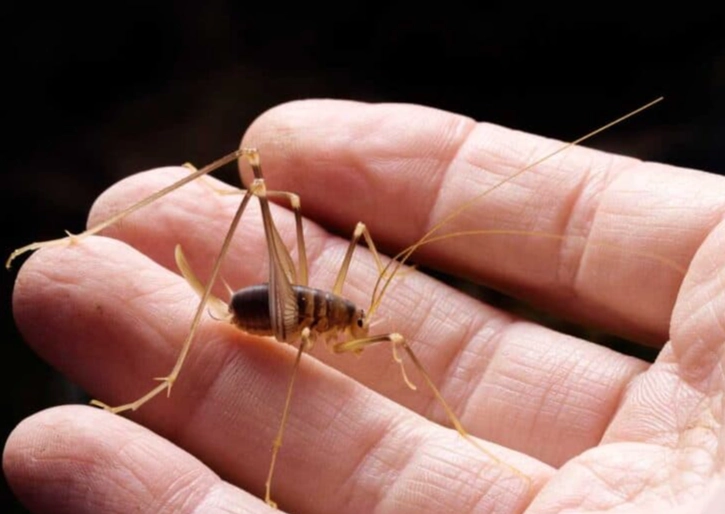
Let's clear up the confusion first. Camel crickets (family Rhaphidophoridae) aren't true crickets. True crickets chirp; camel crickets are silent. They get their name from their arched, humped back, resembling a camel's. They're also called cave crickets or spider crickets because of their long, spindly legs and preference for dark, damp places.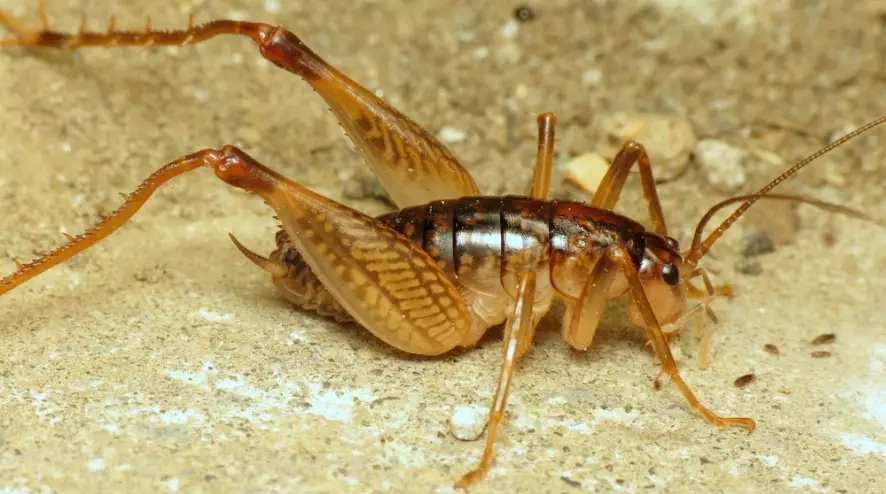
They're outdoor insects at heart, living in leaf litter, mulch, under stones, and in wells. They come inside for one primary reason: moisture and shelter. When it gets too dry, too hot, or too wet outside, your basement, crawl space, or garage looks like a five-star cave hotel to them. A study from North Carolina State University's Department of Entomology notes these insects are highly thigmotactic—they love tight contact with surfaces, which is why you find them pressed against walls or hiding in clutter.
They're scavengers, not predators. They munch on decaying plant matter, fungi, and occasionally fabrics or cardboard indoors. They don't seek you out.
How to Identify a Camel Cricket Infestation
You usually don't have an "infestation" in the classic pest sense. You have a population that's found a favorable spot. Here’s what to look for:
Physical Appearance
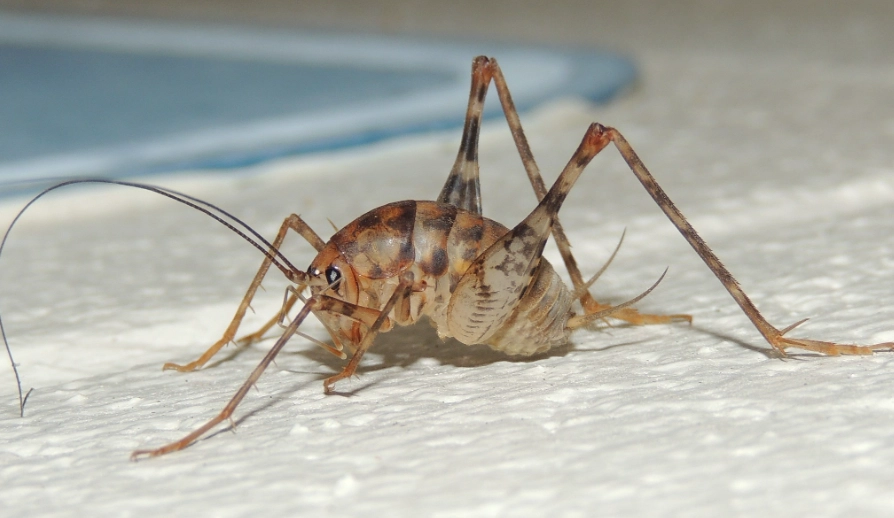
- Body: Light to dark brown, often with darker mottling. About 1/2 to 1 1/2 inches long (not including legs).
- Back: Distinctly arched or humped.
- Legs: Extremely long and spindly, like a spider's. The hind legs are massive for jumping.
- Antennae: Very long, often longer than their body.
- Wings: None. They are wingless.
Signs of Activity
You'll rarely see them during the day unless you disturb their hiding spot. Signs include:
- The Jumping Encounter: The classic sign—turning on a basement light and seeing them scatter. Their jump is powerful and erratic, designed to startle predators.
- Droppings: Small, black, pepper-like specks in corners, on shelves, or near stored items.
- Chewing Damage: Very minor. You might see irregular holes in natural fiber curtains, cardboard boxes, or the pages of books stored in a damp area.
- Habitat: Check the dampest areas first: basement corners near floor drains, sump pump pits, under cardboard boxes on concrete floors, crawl spaces, and cluttered garage corners.
How to Prevent Camel Crickets from Entering Your Home
Prevention is about making the indoors less attractive and harder to enter. This is a moisture and exclusion game.
- Declutter and Clean
Remove their hiding places. Get cardboard boxes off the floor and onto metal shelving. Clear piles of newspapers, fabrics, and other debris from basement and garage floors. Vacuum regularly in problem areas. - Reduce Humidity (This is Critical)
Aim to keep basement humidity below 50%.
Use a dehumidifier and empty it regularly. Run it continuously during humid months.
Improve ventilation. Use exhaust fans in bathrooms and laundry rooms that vent outside.
Fix leaks immediately—dripping pipes, faulty washing machine hoses, foundation cracks letting in water. - Seal Entry Points
This is where most DIY efforts fail. They don't need a big hole. Check and seal:
- Gaps around basement window frames and doors.
- Cracks in the foundation (use hydraulic cement or silicone caulk).
- Gaps where utility pipes (gas, water, cable) enter the house.
- Vents leading to crawl spaces. Install fine mesh screens. - Manage the Exterior Perimeter
Keep mulch, leaf litter, and woodpiles away from the foundation.
Ensure gutters are clean and downspouts direct water at least 6 feet away from the house.
Trim back vegetation touching the siding.
I learned the hard way that just spraying insecticide does nothing long-term. I had a recurring issue in an old rental house. I'd spray, see a few dead ones, and think I'd won. A week later, they were back. It wasn't until I bought a decent dehumidifier for the musty basement corner and sealed the gap where the dryer vent exited that the problem stopped for good. The spray was just a temporary fix for the symptom, not the cause.
How to Get Rid of Camel Crickets: A Step-by-Step Plan
If you're already seeing them, follow this action plan.
Step 1: Physical Removal
Arm yourself with a vacuum cleaner with a hose attachment. This is the fastest, most effective way to remove live crickets, egg clusters, and droppings. Go slowly in corners, behind furniture, and along baseboards. Immediately empty the vacuum bag or canister into an outdoor trash bin to prevent eggs from hatching inside.
Step 2: Set Traps
Sticky traps (glue boards) are excellent monitoring and control tools. Place them flat against walls in corners, behind appliances, and near potential entry points. The insects walk along walls and get stuck. Check traps weekly to gauge activity.
You can also make a simple DIY trap: a shallow dish filled with a little water and a drop of dish soap. They are attracted to the water, fall in, and the soap breaks the surface tension so they can't escape.
Step 3: Apply Insecticidal Dust (For Persistent Problems)
If physical removal and traps aren't enough, insecticidal dust is your best chemical option. Products containing diatomaceous earth (DE) or boric acid are effective and have low toxicity to mammals when used as directed.
The trick is application. You need a small hand duster. Lightly puff the dust into:
- Cracks and crevices along baseboards.
- The void behind electrical outlet plates (turn off power first!).
- The perimeter of your sump pit.
- Where pipes enter walls.
The dust works mechanically. As crickets walk through it, it damages their exoskeleton, leading to dehydration. It remains effective as long as it stays dry.
Step 4: Monitor and Repeat
Keep your sticky traps out and your dehumidifier running. Reapply dust if needed. Consistent monitoring is key to ensuring they don't return.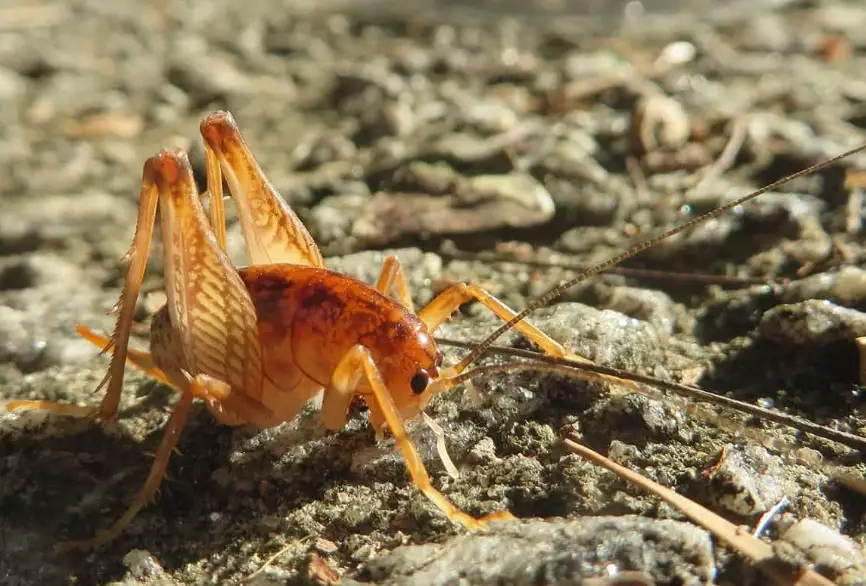
Control Methods Compared: What Actually Works?
Not all methods are created equal. Here’s a breakdown based on effectiveness, effort, and best use case.
| Method | How It Works | Pros | Cons | Best For |
|---|---|---|---|---|
| Vacuuming | Physical removal of insects and debris. | Immediate results, non-toxic, removes eggs. | Doesn't prevent new ones from entering. | Initial cleanup and spotting individuals. |
| Sticky Traps | Glue boards capture insects that walk over them. | Excellent for monitoring, low cost, no chemicals. | Can catch non-target insects/pets. | Long-term monitoring and low-level control. |
| Dehumidifier | Reduces environmental humidity. | Addresses the root cause, prevents many pests. | Upfront cost, uses electricity. | Essential long-term prevention. |
| Diatomaceous Earth | Fine powder damages insect exoskeletons. | Long residual, low toxicity, works on many pests. | Must stay dry, application can be messy. | Treating hidden voids and cracks. |
| Insecticide Spray | Kills on contact with residual effect. | Quick knockdown for visible insects. | Often just scatters them, poor penetration into hiding spots. | Limited use for direct hits; not a standalone solution. |
The table shows a clear pattern: long-term, integrated methods (moisture control, exclusion, dusts/traps) outperform quick chemical sprays. Relying solely on spray is the most common mistake I see.
Your Camel Cricket Questions, Answered
Are camel crickets dangerous to humans or pets?
Camel crickets pose no direct threat. They don't bite, sting, or carry diseases transmissible to humans or pets. The primary risks are psychological (the fright of seeing them jump) and minor property damage from chewing on fabrics, cardboard, or houseplants when populations are high.
What is the single biggest factor that attracts camel crickets to my home?
Moisture. High humidity is their primary attractant. They thrive in damp, cool environments like basements, crawl spaces, and garages. If you're seeing them, it's a strong indicator that you have a moisture problem in that area that needs addressing first. Dry out the space, and you've removed their main reason for being there.
 What is the most effective way to kill camel crickets I see?
For immediate, non-chemical control, a vacuum cleaner is your best tool. It quickly removes live insects and egg clusters. For chemical control, insecticidal dusts containing diatomaceous earth or boric acid applied to cracks and voids are more effective and longer-lasting than sprays, as crickets walk through the dust. Sprays often just cause them to scatter.
Do camel crickets make that chirping noise?
No, they are completely silent. That chirping you associate with crickets comes from true crickets (family Gryllidae) or katydids. Camel crickets lack the sound-producing organs. If you hear chirping in your home, you're likely dealing with a different type of cricket entirely.
Dealing with camel crickets is more about home maintenance than pest warfare. They're a signpost, pointing you to dampness and entry points you might have missed. By focusing on the environment—lowering humidity, sealing cracks, and decluttering—you not only solve the cricket issue but also create a home that's less inviting to a whole host of other moisture-loving pests like silverfish and millipedes. Start with the dehumidifier and the vacuum. You might be surprised how quickly the problem fades when you take away their favorite cave.


Comments