I almost smashed it with a magazine. There it was, suspended in a messy, tangled web in the corner of my basement ceiling—a pale, spindly creature with legs that seemed impossibly long. A classic cellar spider. My first instinct, like most people's, was revulsion followed by the urge to eliminate. But I paused. What if everything I assumed about this spider was wrong?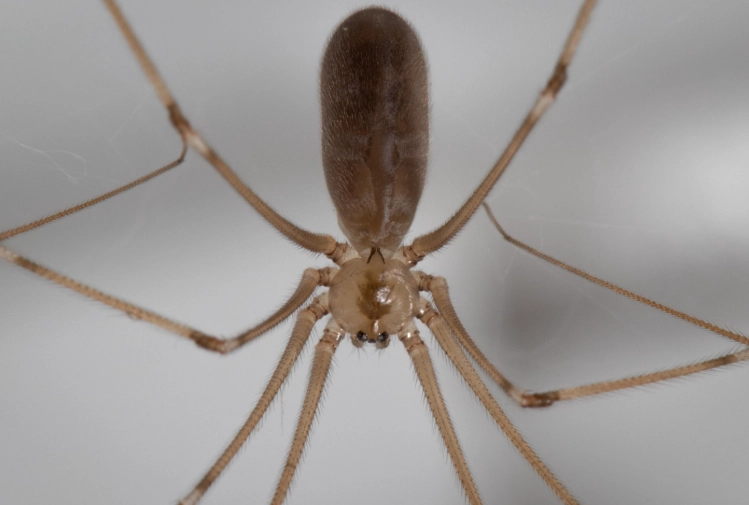
That moment of curiosity changed how I see them completely. After years of observing them (and even deliberately leaving a few in my garage), I've learned cellar spiders are one of the most beneficial and misunderstood arthropods you can find indoors. This guide isn't just a dry list of facts. It's a plea to see these creatures differently, backed by the nitty-gritty details of what they do, why they're there, and how to deal with them on your terms.
What's Inside This Guide
How to Identify a Cellar Spider (And Not Panic)
Let's get the description right. A lot of spider fear comes from misidentification. You see long legs and think "dangerous." With cellar spiders, that's a false alarm.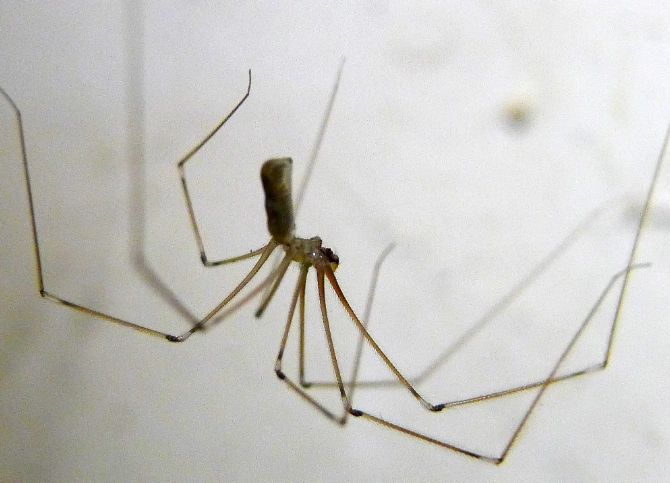
Their body is tiny—about the size of a single grain of rice or a small peanut M&M. It's oval-shaped and a pale beige, grey, or light brown color. Nothing remarkable. The showstoppers are the legs. They are absurdly long, thin, and fragile-looking. If the body is a grain of rice, the legs are strands of fine thread stretching out 2 inches or more. This gives them their other common name: daddy long-legs.
Hold on. This causes major confusion. There's also a non-spider arachnid called a harvestman that people call daddy long-legs. Harvestmen have one oval body segment. Cellar spiders have two distinct segments: a combined head/thorax (cephalothorax) and an abdomen. See the table below.
| Feature | Cellar Spider (Pholcus phalangioides) | Harvestman (Opiliones) | Brown Recluse (Loxosceles reclusa) |
|---|---|---|---|
| Body Segments | Two (cephalothorax & abdomen) | One fused oval segment | Two |
| Legs | Extremely long, thin, wispy | Long, thread-like | Normal proportion, sturdy, hairy |
| Web | Messy, tangled, irregular | Does not build webs | Irregular, off-white, often in hidden spaces |
| Venom Potency to Humans | Negligible; fangs can't pierce skin | None | Necrotic; medically significant |
| Common Indoor Habitat | Ceiling corners, basements, garages, closets | Basements, gardens, under debris | Cluttered storage, boxes, behind furniture |
The web is another dead giveaway. Cellar spiders build chaotic, non-sticky, three-dimensional cobwebs. They look messy, almost like a child's scribble. The spider often hangs upside-down in the center. If you disturb the web, they have a fascinating defense: they vibrate rapidly in a blurry, circular motion. It's thought to confuse predators. It looks pretty wild.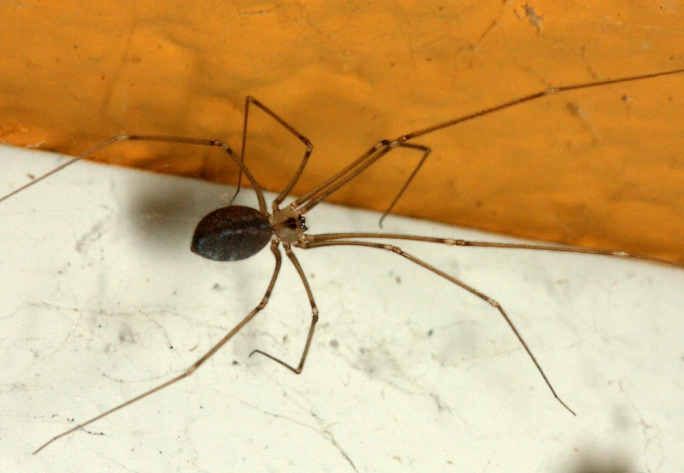
You'll find them in quiet, undisturbed, and often humid places. Basements (hence the name), crawl spaces, garages, sheds, bathrooms, and the corners of closets. They dislike active, dry, well-lit areas.
Pro Tip from Experience: The most common mistake I see is people confusing the delicate, wispy legs of a cellar spider with the robust, hairy legs of a more concerning spider like a wolf spider. Leg thickness and hair are key. Cellar spider legs are like fine wire; wolf spider legs are like pipe cleaners.
Why a Cellar Spider is a Benefit, Not a Pest
This is the core of the argument for leaving them be. Cellar spiders are voracious predators of actual pests. They are your silent, free, and non-toxic pest control service.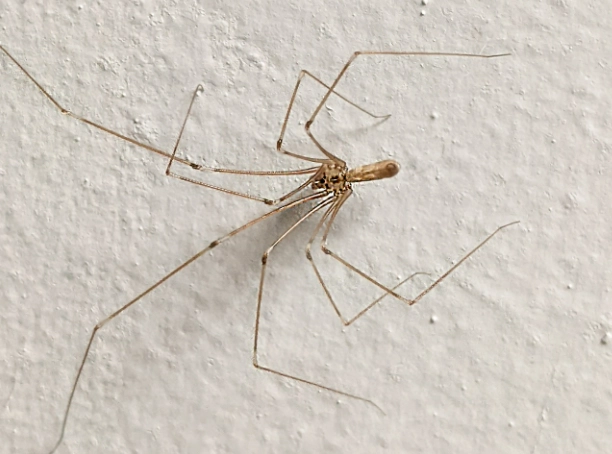
Their diet consists almost exclusively of other arthropods you don't want in your house:
- Mosquitoes
- Flies (house flies, fruit flies)
- Moths
- Ants
- Earwigs
- And crucially, other spiders.
Yes, cellar spiders are known to hunt and eat other spiders, including species you might be more worried about. I've watched one in my garage successfully take down a common house spider twice its size. They're like the ninjas of the spider world.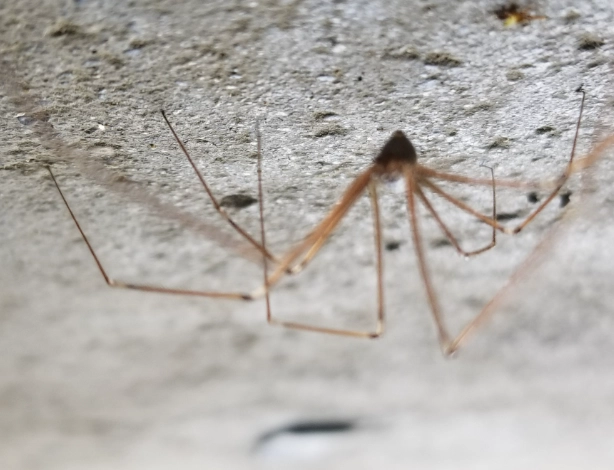
Let's tackle the big myth head-on: "Aren't cellar spiders the most venomous spiders, but their fangs are too small to bite humans?"
This is a complete urban legend with zero scientific backing. Research from institutions like the University of California, Riverside's Department of Entomology has debunked this. Their venom is weak, designed for small insects. More importantly, their fangs (chelicerae) are short and not structured to penetrate human skin effectively. They pose no threat. The real risk is the psychological ick factor and the mess from their webs.
I have a friend who sprayed a cluster of them in his basement. A month later, he had a noticeable increase in drain flies and mosquitoes near that area. He traded a harmless web for buzzing, biting pests. Not a great trade.
How to Remove a Cellar Spider Safely (Without Killing It)
I get it. Maybe you're fine with them in the garage but not the bathroom. Or perhaps the web in the corner of your bedroom is a bridge too far. That's perfectly reasonable. The goal is humane removal, not eradication.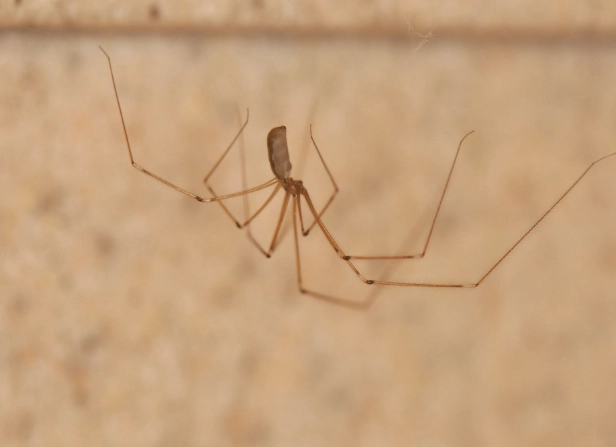
The Cup-and-Card Method is King. It's simple, effective, and causes no harm.
- Grab a clear plastic cup and a stiff piece of paper (index card, postcard).
- Slowly and steadily place the cup over the spider and its web.
- Gently slide the card between the cup's rim and the wall/ceiling, sealing the spider inside.
- Carry it outside.
- Release it in a sheltered spot—a garden shed, woodpile, under a porch eave, or a quiet corner of the garage. Don't just toss it on the sunny lawn; it needs cover.
Avoid the vacuum cleaner. It's almost always fatal, and it's overkill. Also, don't just knock down the web with a broom. The spider will likely just rebuild in the same spot, and you've wasted your effort.
If you must clean a web (they can collect dust), wait until you see the spider is not on it, or gently encourage it to move with a soft brush first.
Avoid This Common Mistake: Don't try to "shoo" them or blow on them to get them to move. They often respond by vibrating furiously or even dropping from their web on a silk line, which can startle you and cause you to lose track of where they land, creating more anxiety.
Long-Term Strategies to Manage Cellar Spiders
If you're seeing a lot of them, they're giving you feedback about your home's environment. They're bio-indicators of two things: high humidity and abundant prey.
Your action plan should address both:
1. Reduce Humidity and Improve Airflow
This is the most effective step. Cellar spiders crave damp, stagnant air.
- Run a dehumidifier in your basement or crawl space. Aim for below 50% relative humidity.
- Improve ventilation. Install vent fans in bathrooms and ensure they're used. Open windows when weather permits.
- Fix leaky pipes, faucets, or foundation cracks where moisture seeps in.
- Ensure your clothes dryer is venting outside properly.
2. Reduce Their Food Source
Fewer pests mean cellar spiders will look elsewhere for a buffet.
- Seal cracks around windows, doors, and foundations with caulk.
- Install tight-fitting screens on windows and vents.
- Store food in airtight containers and manage garbage promptly to deter ants and flies.
- Use door sweeps on exterior doors.
3. Modify the Habitat
Make the areas they love less inviting.
- Reduce clutter in basements, garages, and storage areas. Spiders love cardboard boxes.
- Use plastic, sealed bins instead of cardboard for storage.
- Regularly dust and vacuum corners, behind furniture, and ceiling junctions to disrupt potential web sites.
Notice I haven't mentioned insecticides. Spraying broad-spectrum insecticides for cellar spiders is counterproductive. You'll kill beneficial insects, potentially create chemical hazards, and the spiders may just return if the underlying conditions haven't changed. It treats the symptom, not the cause.
Your Cellar Spider Questions, Answered
So, the next time you see that spindly silhouette in the corner, take a breath. You're not looking at a threat. You're looking at a tiny, efficient predator that's working for you, keeping other, more annoying pests in check. You can choose to let it be, or you can gently escort it to a new posting in the garage. Either way, knowledge turns fear into understanding, and maybe even a little appreciation.
LEAVE A REPLY
Your email address will not be published. Required fields are marked *