Jump to What Matters
- What Is a Rollie Pollie?
- Identifying Rollie Pollies: A Step-by-Step Guide
- Where Rollie Pollies Thrive: Habitat Insights
- The Dual Nature of Rollie Pollies: Friend or Foe?
- Practical Rollie Pollie Management: From Prevention to Action
- My Garden Story: When Rollie Pollies Took Over
- Your Rollie Pollie Questions Answered
You're out in the garden, moving a pot, and there they are—little gray bugs that curl into a tight ball when you touch them. Rollie pollies. They're everywhere, and you might be wondering if they're friends or foes. I've spent years gardening, and let me tell you, these critters are more interesting than you think. This guide dives deep into what rollie pollies are, how to spot them, where they live, and whether you should worry about them. By the end, you'll have a clear plan to handle them, if needed, without reaching for harsh chemicals.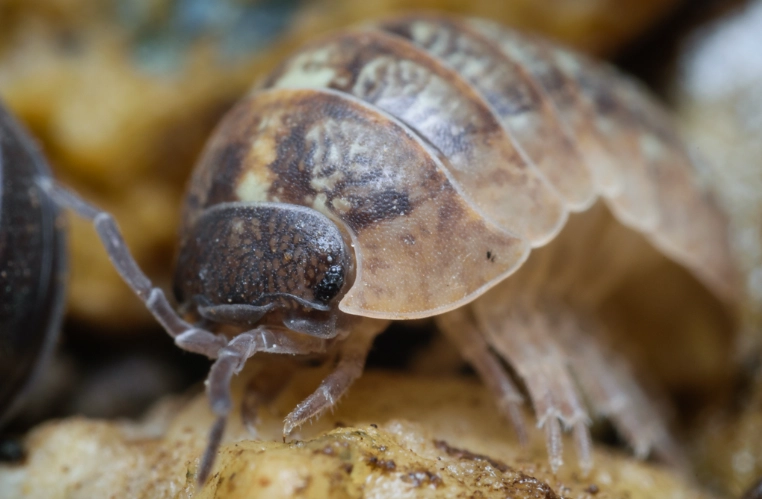
What Is a Rollie Pollie?
Rollie pollie isn't just a cute name; it's a common term for a type of woodlouse, specifically in the genus Armadillidium. Scientifically, they're crustaceans, not insects—think of them as tiny land-dwelling cousins of crabs and shrimp. That's right, they breathe through gills and need moisture to survive. Most people call them pill bugs or roly-polies, and they've been around for millions of years, munching on decaying matter.
I remember a neighbor once panicked, thinking they were termites. But rollie pollies are harmless to structures; they're all about organic stuff. According to the University of California's Statewide Integrated Pest Management Program, these are decomposers that play a key role in breaking down plant material. So, before you label them pests, consider their job in the ecosystem.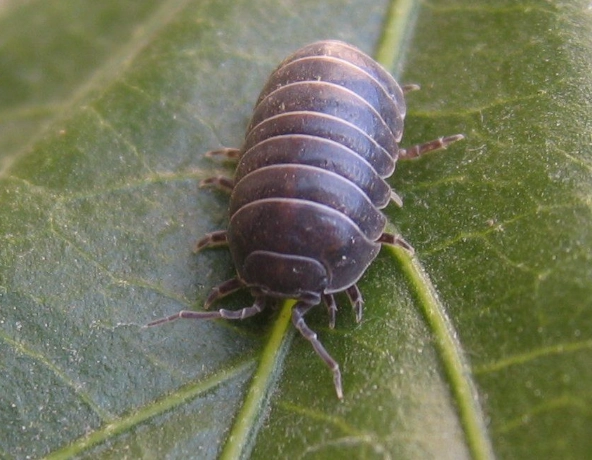
Identifying Rollie Pollies: A Step-by-Step Guide
How do you know it's a rollie pollie and not some other bug? Here's a straightforward way to tell.
Physical Characteristics
Look for a segmented, oval-shaped body about 1/4 to 1/2 inch long. They're usually gray or brown, with a hard exoskeleton that looks like armor. Seven pairs of legs—count them if you can, but they move fast when not rolled up. Antennae are short, and they have two tail-like appendages called uropods. The big giveaway? When disturbed, they curl into a perfect sphere, protecting their soft underside. Other bugs might roll a bit, but rollie pollies do it seamlessly.
Behavior and Movement
They're slow walkers, often found in damp, dark places. Watch how they scavenge—they don't fly or jump, just crawl around looking for food. If you see one rolling away, it's definitely a rollie pollie. I've noticed kids love poking them to see the ball trick; it's a fun way to teach identification.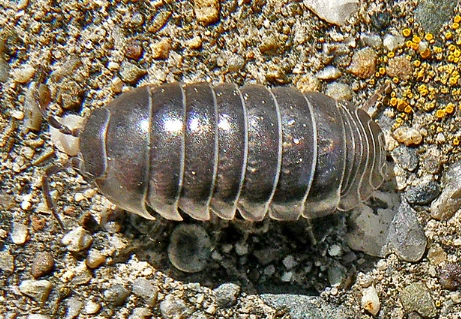
Pro tip: Don't confuse them with sowbugs, which look similar but can't roll into a ball. Sowbugs have two tail-like structures that stick out, while rollie pollies tuck everything in. It's a subtle difference, but once you spot it, you'll never mix them up again.
Where Rollie Pollies Thrive: Habitat Insights
Rollie pollies love moisture. Think about where you find them—under rocks, logs, flower pots, or in mulch piles. They need humidity to breathe, so they avoid dry, sunny spots. In your garden, they're often in vegetable beds with rich soil or near compost heaps.
Their ideal temperature is between 65°F and 80°F, which is why they're active in spring and fall. During hot, dry summers, they burrow deeper or seek shelter. I've seen them congregate around leaky faucets or overwatered plants; it's like a bug party in those spots.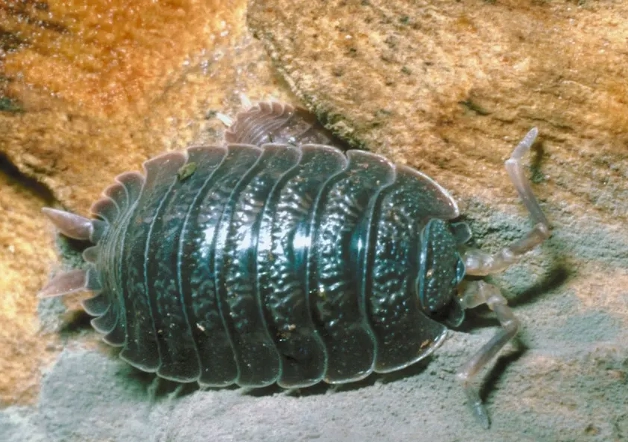
If you're trying to reduce their numbers, start by auditing your garden's moisture levels. Fix any drainage issues, and avoid leaving wet debris around. The Penn State Extension notes that reducing habitat is more effective than any spray.
The Dual Nature of Rollie Pollies: Friend or Foe?
Here's where it gets tricky. Rollie pollies aren't all bad—or all good. Let's break it down.
Benefits: They're nature's recyclers. By eating decaying leaves, wood, and other organic matter, they help create nutrient-rich soil. In a balanced garden, they can improve compost breakdown and aerate the soil slightly. Some studies suggest they even consume heavy metals, detoxifying the environment. I've found them useful in my compost bin, speeding up the process.
Drawbacks: When populations explode, they might nibble on young seedlings, soft fruits like strawberries, or tender plant roots. They're especially drawn to overripe vegetables. The damage is usually minor—irregular holes, not total destruction—but it can be frustrating if you're growing delicate plants.
Most gardeners overestimate the harm. I've seen people use pesticides for a few chewed leaves, which kills beneficial insects too. Rollie pollies are often scapegoats; check for slugs or caterpillars first.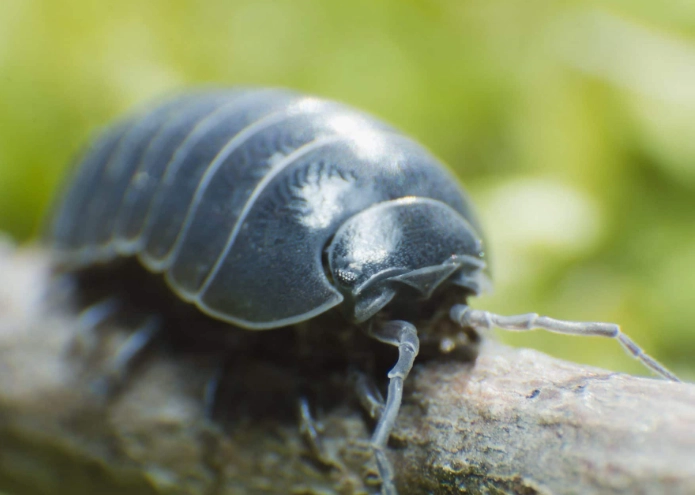
Practical Rollie Pollie Management: From Prevention to Action
If rollie pollies are causing issues, here's how to manage them without going nuclear. I prefer a layered approach.
Preventive Measures
Start with the basics. Remove hiding spots: clear away boards, stones, and excess mulch. Improve drainage by adding sand to soil or using raised beds. Water plants in the morning so the surface dries by evening. Seal cracks in foundations or walls to keep them out of your home.
Choose plants that are less attractive to them. For example, they avoid herbs like rosemary or lavender, which prefer drier conditions. It's a simple trick that many overlook.
Natural Control Methods
If prevention isn't enough, try these eco-friendly options. Hand-picking is effective—do it in the evening when they're active. Use a flashlight and drop them into soapy water. Diatomaceous earth works well; sprinkle it around plants, but reapply after rain. Beer traps (shallow dishes filled with beer) attract and drown them.
Here's a quick comparison of methods:
| Method | Pros | Cons |
|---|---|---|
| Hand-picking | Immediate, no chemicals | Time-consuming for large areas |
| Diatomaceous earth | Natural, long-lasting if dry | Can harm beneficial insects if overused |
| Beer traps | Easy to set up | Needs frequent emptying |
| Copper barriers | Repels effectively | Expensive for large gardens |
When to Consider Professional Help
Rarely needed for rollie pollies. But if you have an indoor infestation or a massive outdoor population, consult a pest control service that uses integrated pest management (IPM). Avoid companies that push broad-spectrum pesticides; they often make problems worse by disrupting the ecosystem.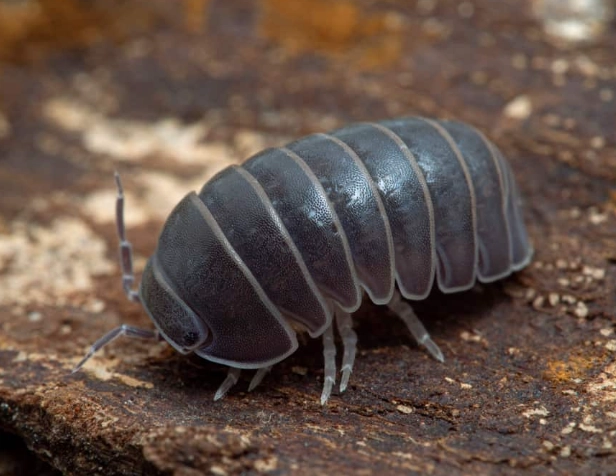
I once hired a pro for a severe case, and they simply recommended moisture control and sealing gaps—saved me money and effort.
My Garden Story: When Rollie Pollies Took Over
A few years back, my vegetable patch was overrun. I'd see dozens every time I lifted a leaf. At first, I panicked and sprayed an insecticide. Big mistake. It killed the rollie pollies, but also the earthworms and ladybugs, and the damage to my plants didn't stop—turns out, slugs were the real culprits.
I learned the hard way. The next season, I focused on habitat modification. I reduced mulch thickness, fixed a leaky hose, and added diatomaceous earth around seedlings. Within weeks, the rollie pollie population dropped to a manageable level. They're still there, doing their decomposition work, but no longer a nuisance.
This experience taught me that observation is key. Don't assume; investigate. Rollie pollies are often just a symptom of other garden issues.
Your Rollie Pollie Questions Answered
Rollie pollies are fascinating creatures that deserve a second look. Instead of seeing them as pests, consider their role in your garden's health. With the tips above, you can manage them effectively while keeping your space thriving. Remember, a few rollie pollies are a sign of a healthy ecosystem—only take action if they're causing real problems.
LEAVE A REPLY
Your email address will not be published. Required fields are marked *